
For investors and traders situated within the Central Time Zone (CT), understanding the exact market opening and closing times is crucial for strategic decision-making and optimal execution. While the major U.S. stock exchanges operate on Eastern Time (ET), a simple conversion is all it takes to align your schedule with the pulse of the financial world. This article will demystify market hours for those in CT, covering standard trading sessions, pre-market, after-hours, and touching upon other relevant financial markets.
Understanding Market Hours: A Global Perspective
Financial markets are global ecosystems, but each region and exchange adheres to its own operating hours, largely dictated by local business customs and daylight. This creates a staggered schedule worldwide, with one market opening as another closes, allowing for near 24-hour trading opportunities across different asset classes. In the United States, the primary stock markets – the New York Stock Exchange (NYSE) and the Nasdaq Stock Market (Nasdaq) – serve as benchmarks for equity trading. Both operate on Eastern Time, a critical detail for anyone outside of that zone.
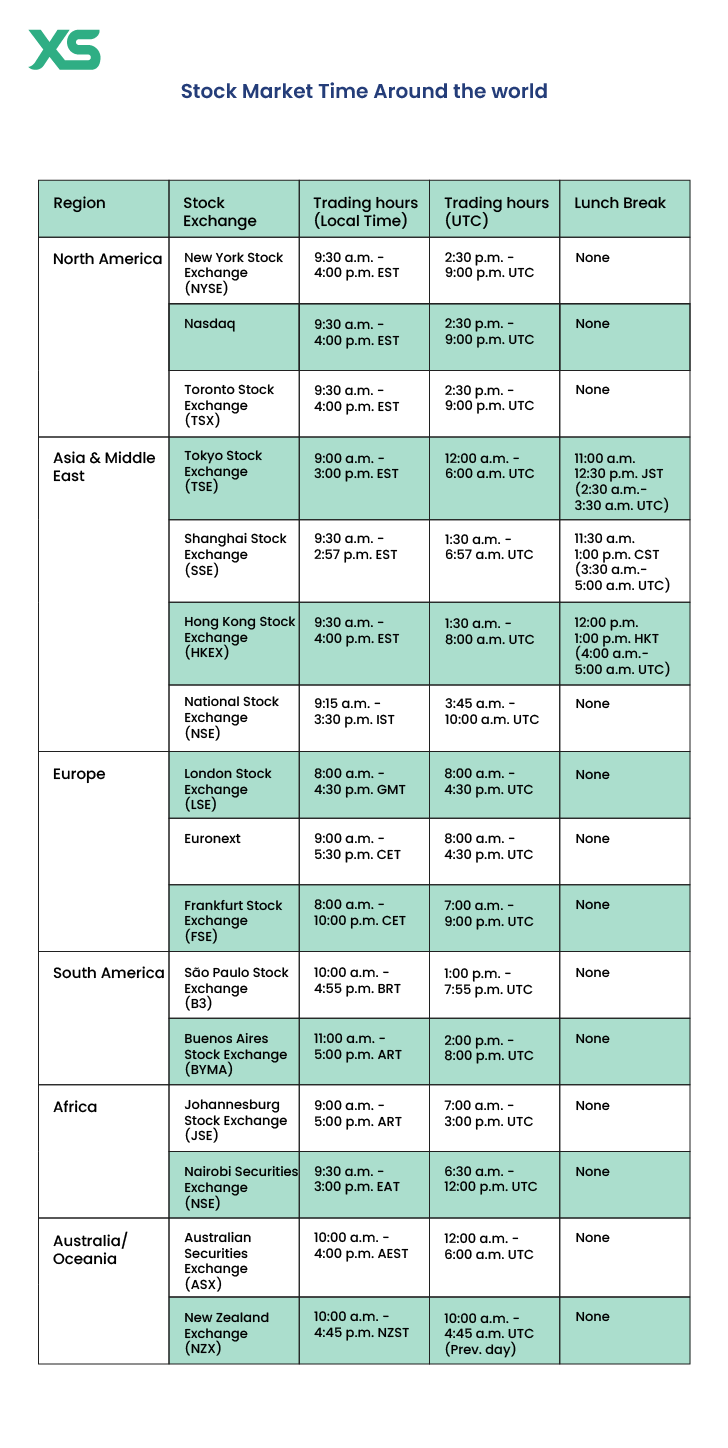
The standard trading session for these U.S. stock exchanges is from 9:30 AM to 4:00 PM Eastern Time, Monday through Friday, excluding market holidays. This six-and-a-half-hour window is when the vast majority of trading activity occurs, characterized by high liquidity and tight bid-ask spreads. However, the market’s influence extends beyond these core hours, encompassing pre-market and after-hours sessions that offer additional opportunities and risks. For those in the Central Time Zone, every one of these times needs to be adjusted back by one hour.
Converting Eastern Time to Central Time for Market Open
The Central Time Zone is one hour behind the Eastern Time Zone. This means that if an event occurs at 9:30 AM ET, it happens at 8:30 AM CT. This straightforward conversion is fundamental for any investor or trader in the CT zone to accurately track market activity and plan their investment strategies.
Applying this conversion to the standard U.S. stock market hours:
- Standard Market Open (CT): The U.S. stock market officially opens at 8:30 AM Central Time. This is when the opening bell signals the start of the regular trading session for the NYSE and Nasdaq.
- Standard Market Close (CT): The market officially closes at 3:00 PM Central Time. This is when the closing bell marks the end of regular trading.
This core 8:30 AM to 3:00 PM CT window is when most individual investors engage with the market. It’s the period of greatest transparency, highest trading volume, and typically the most efficient price discovery. Understanding and respecting these hours is paramount, as critical news, economic data releases, and corporate announcements are often timed to coincide with or immediately precede these sessions.
Pre-Market and After-Hours Trading in Central Time
Beyond the regular session, opportunities to trade equities exist in the pre-market and after-hours sessions. These extended hours are increasingly popular, especially for those who want to react to news released outside of regular trading hours or for institutional traders managing large positions.
- Pre-Market Trading (CT): This session typically runs from 4:00 AM ET to 9:30 AM ET. For those in the Central Time Zone, this translates to 3:00 AM CT to 8:30 AM CT. This early window allows investors to place trades before the official market open, often in response to overnight news or earnings reports.
- After-Hours Trading (CT): This session usually extends from 4:00 PM ET to 8:00 PM ET. In Central Time, this means 3:00 PM CT to 7:00 PM CT. Similar to pre-market, after-hours trading provides a period to react to late-day news, earnings calls that occur after the market closes, or other significant events.
It’s crucial to understand that trading in pre-market and after-hours sessions comes with distinct characteristics:
- Lower Liquidity: Fewer participants mean less trading volume, which can lead to wider bid-ask spreads and potentially more volatile price swings.
- Higher Volatility: A single large order can have a more significant impact on stock prices due to the thinner order books.
- Institutional Dominance: These sessions are often dominated by institutional traders, making it potentially challenging for retail investors to compete effectively.
- Limited Order Types: Not all order types (e.g., market orders) may be supported or advisable during extended hours. Limit orders are generally preferred to control execution prices.
Despite the risks, these extended hours offer flexibility for CT-based investors, allowing them to participate in market movements even if their core working hours conflict with the regular session.
Why Market Hours Matter for Investors in Central Time
The precise timing of market open and close, and the periods surrounding them, holds significant implications for various investment strategies and outcomes, particularly for those operating under the Central Time Zone clock.
Impact on Trading Strategy and Information Flow

For day traders in CT, knowing the exact 8:30 AM CT open and 3:00 PM CT close is fundamental. The market open is often characterized by heightened volatility and volume, as traders react to overnight news, pre-market moves, and opening auction prices. This “opening drive” can present rapid profit opportunities but also carries increased risk. Similarly, the “closing bell” period often sees increased activity as traders aim to close positions, rebalance portfolios, or react to late-breaking news.
Long-term investors in CT, while not needing to monitor minute-by-minute fluctuations, still benefit from understanding market hours. Major company announcements, earnings reports, and economic data releases are frequently timed to coincide with pre-market, during-market, or after-hours sessions. Being aware of these times (converted to CT) allows investors to anticipate market reactions and digest critical information promptly, informing decisions about their long-term holdings. For instance, a major earnings report released after 3:00 PM CT could significantly impact a stock’s price by the 8:30 AM CT open the next day.
Volatility, Liquidity, and Opportunity
The 8:30 AM CT market open is typically one of the most volatile and liquid periods of the day. Many pending orders are executed, and new positions are established, creating significant price movements. This can be an opportune time for traders seeking quick gains from short-term trends, but it also demands a robust risk management strategy. Conversely, trading during less liquid times, like mid-morning or specific periods in pre-market or after-hours, can expose investors to wider spreads and greater price discrepancies.
For those in Central Time, leveraging tools like real-time quotes, news feeds, and charting software that can display times in their local zone becomes indispensable. Setting alerts for market open, close, and key news events can help ensure they don’t miss critical moments or opportunities, whether they are actively trading or simply monitoring their portfolio.
Practical Tips for Investors in Central Time
- Sync Your Clock: Always be aware of the 1-hour time difference between ET and CT for U.S. equity markets. Many trading platforms offer the option to display times in your local time zone; utilize this feature.
- Plan Around News Releases: Financial calendars often list economic reports (e.g., CPI, jobs reports) and corporate earnings announcements with their scheduled release times. Convert these to CT and plan your trading or portfolio review accordingly.
- Understand Order Execution: Be mindful that orders placed outside regular market hours may be filled at prices significantly different from the last quoted price due to lower liquidity. Limit orders are generally recommended for extended-hours trading.
- Stay Informed: Follow reputable financial news sources that cover market activity, especially during pre-market and after-hours. This vigilance, synchronized with CT, can give you an edge.
- Consider Time Zone Impact on International Markets: If trading global assets, remember that other major markets (London, Tokyo) have their own time zones, further complicating timing but offering continuous opportunities.
Beyond Stocks: Other Markets and Central Time Considerations
While the focus often defaults to stocks, other financial markets also have their own operating hours that CT investors need to consider.
Futures Market
The futures market, particularly for U.S. commodities and indices, is heavily influenced by the CME Group, based in Chicago, which operates on Central Time. Futures contracts for major indices like the S&P 500 (ES), Nasdaq 100 (NQ), and Dow Jones Industrial Average (YM) trade nearly 24 hours a day, from Sunday evening through Friday afternoon, with short breaks. However, key liquidity periods align with U.S. stock market hours. For example, the heaviest volume for ES futures often occurs between 8:30 AM CT and 3:00 PM CT, mirroring stock market activity. Knowing these high-volume windows is critical for futures traders in CT.
Forex Market
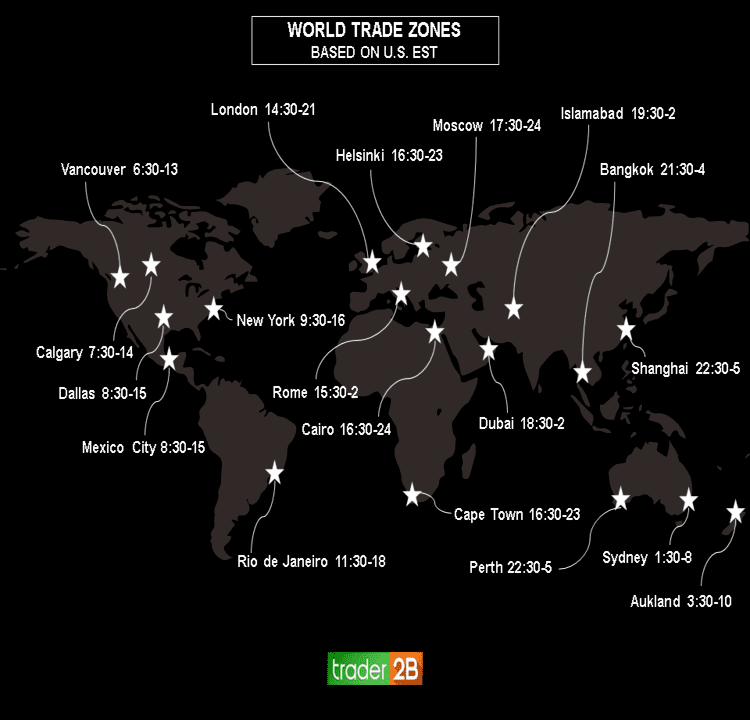
The foreign exchange (Forex) market operates 24 hours a day, five days a week, making it accessible regardless of your time zone. However, certain “sessions” or overlaps of major financial centers (Sydney, Tokyo, London, New York) generate significantly higher liquidity and volatility. The overlap of the London and New York sessions (typically 7:00 AM ET to 12:00 PM ET, or 6:00 AM CT to 11:00 AM CT) is often considered the most active and liquid period for forex traders globally, including those in Central Time.
Cryptocurrency Market
The cryptocurrency market is unique in that it operates 24 hours a day, 7 days a week, without official “open” or “close” times. This continuous trading allows CT users to buy, sell, or trade cryptocurrencies at any moment. While there are no fixed market hours, trading volume and volatility can increase during periods of significant news, major economic events, or when traditional markets (like stocks) are active.
Bond Market
The U.S. bond market, which includes Treasury bonds, corporate bonds, and municipal bonds, typically operates slightly different hours than the stock market. Standard hours are often from 8:00 AM ET to 5:00 PM ET, but cash bond trading tends to be most active between 9:00 AM ET and 3:00 PM ET. For Central Time, this means bond market activity typically runs from 7:00 AM CT to 4:00 PM CT, with peak activity from 8:00 AM CT to 2:00 PM CT.
Holidays and Special Closures
It’s also vital for Central Time investors to be aware of market holidays and early closures. U.S. stock markets observe several federal holidays, such as New Year’s Day, Memorial Day, Independence Day, Labor Day, Thanksgiving, and Christmas. On these days, the markets are completely closed. Additionally, markets sometimes close early on the day before a major holiday (e.g., the day before Independence Day or Christmas Eve) or the day after Thanksgiving. Always consult the NYSE or Nasdaq websites, or reliable financial news sources, for the official holiday schedule, always remembering to adjust for your Central Time perspective.
In conclusion, while the core mechanics of the financial markets remain constant, a thorough understanding of time zone conversions, particularly from Eastern to Central Time, is indispensable for effective participation. By knowing precisely when the market opens and closes in Central Time, along with the nuances of pre-market, after-hours, and other market segments, investors can make more informed decisions and align their strategies with the dynamic rhythm of the financial world.
aViewFromTheCave is a participant in the Amazon Services LLC Associates Program, an affiliate advertising program designed to provide a means for sites to earn advertising fees by advertising and linking to Amazon.com. Amazon, the Amazon logo, AmazonSupply, and the AmazonSupply logo are trademarks of Amazon.com, Inc. or its affiliates. As an Amazon Associate we earn affiliate commissions from qualifying purchases.