
The observance of national holidays significantly impacts the operational hours of financial markets, and July 3rd, the day preceding Independence Day in the United States, is a prime example of a date requiring careful attention from investors and traders. While not a federal holiday itself, the market schedule on July 3rd is invariably influenced by the upcoming July 4th closure, often resulting in altered trading hours for both equity and bond markets. Understanding these adjustments is crucial for managing portfolios, executing trades, and mitigating potential risks during periods of reduced liquidity.

Navigating Holiday Trading Schedules
Financial markets operate on highly structured schedules, meticulously planned to ensure fairness, efficiency, and stability. However, federal holidays and their preceding or succeeding days often necessitate deviations from the standard 9:30 AM to 4:00 PM ET trading window for equities. These adjustments are not arbitrary but are rooted in a combination of regulatory requirements, historical precedent, and practical considerations for market participants.
Why Holidays Affect Market Hours
The primary reason for altered market hours around holidays stems from the overarching goal of maintaining an orderly and equitable trading environment. Market holidays, such as Independence Day, lead to a significant reduction in trading volume and liquidity as many institutional participants, brokerage firms, and individual investors are off work. Operating with full hours under such conditions could exacerbate volatility, lead to wider bid-ask spreads, and potentially create unfair advantages or disadvantages for participants.
Furthermore, these schedule changes align with the closure of federal institutions, banks, and often a large segment of the global workforce. The interconnectedness of the financial system means that decisions made by the Federal Reserve, major clearinghouses, and international partners can influence domestic market operations. Synchronizing market closures or early closes around holidays minimizes operational complexities and ensures that critical back-office functions, such as trade settlement and clearing, can proceed smoothly without undue pressure on staff.
The Role of FINRA and Exchanges
The specific determination of market hours rests with regulatory bodies and the exchanges themselves. In the United States, the Financial Industry Regulatory Authority (FINRA), along with the New York Stock Exchange (NYSE) and Nasdaq, are the primary entities that publish holiday trading schedules. FINRA governs the broker-dealer industry and sets hours for the bond market, while NYSE and Nasdaq dictate equity trading hours. These organizations collaborate to establish consistent guidelines, though specific schedules can vary slightly between markets (e.g., equities versus bonds) or based on how a holiday falls within the calendar week. Investors are always advised to consult the official calendars published by these authorities to confirm exact hours for any given year.
Specifics for July 3rd and Independence Day
The market schedule for July 3rd is unique in that it is not a fixed federal holiday but acts as the immediate precursor to one. Consequently, its trading hours are entirely contingent on how July 4th, Independence Day, falls within a given week. This creates a predictable pattern, but one that demands annual verification.
Standard Market Protocol for Independence Day Eve
Historically, when July 4th falls on a weekday, the financial markets in the U.S. often observe an early closing on July 3rd. This practice is designed to facilitate a longer holiday break for market professionals and to account for the anticipated sharp decline in trading activity. The “eve” of a major holiday is typically characterized by reduced institutional participation and a general winding down of market operations, making a full trading day less efficient and potentially more prone to erratic price movements due to thin trading.
Equity Market (NYSE, NASDAQ) Expectations
For the major U.S. equity exchanges, the New York Stock Exchange (NYSE) and Nasdaq, the most common scenario for July 3rd is an early close at 1:00 PM ET. This early closure applies if July 4th falls on a Tuesday, Wednesday, Thursday, or Friday. If July 4th falls on a Saturday or Sunday, the observed holiday would typically be the preceding Friday (July 3rd) or the following Monday (July 5th).
- If July 4th is a weekday (Tuesday-Friday): Expect a 1:00 PM ET early close for equities on July 3rd. The market will then be fully closed on July 4th.
- If July 4th is a Saturday: The market will be closed on Friday, July 3rd, observing Independence Day.
- If July 4th is a Sunday: The market will be closed on Monday, July 5th, observing Independence Day. In this scenario, July 3rd (Saturday) is already a weekend, and the preceding Friday (July 2nd) might have an early close, though this varies.
It is critical to remember that these are common patterns, not immutable laws. The exact schedule is formally announced each year by the exchanges.
Bond Market (FINRA) Schedule
The bond market, regulated by FINRA, frequently adheres to even earlier closures or full closures on days surrounding federal holidays. On July 3rd, bond markets often close at 2:00 PM ET, or even earlier, regardless of whether equity markets have an early close or a full trading day. If July 3rd is the observed holiday (when July 4th falls on a Saturday), the bond market will also be fully closed. This difference reflects the distinct operational structures and participant bases of the bond market compared to equities. Bond trading often involves over-the-counter (OTC) transactions and a greater reliance on institutional players, who also seek to align with holiday schedules.
Importance of Checking Official Sources Annually
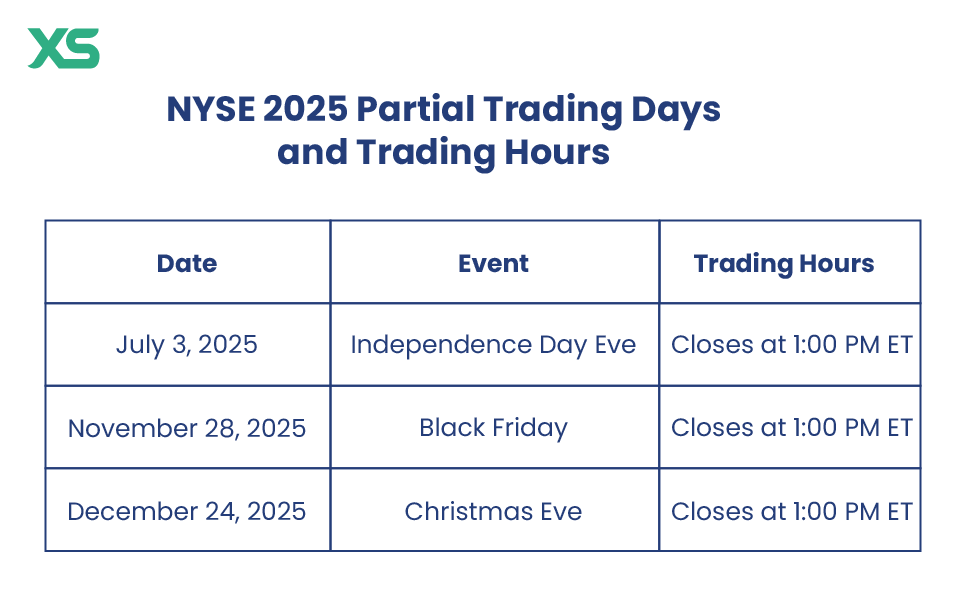
Given the variations dependent on the day of the week July 4th falls on, the absolute most reliable method to ascertain market hours for July 3rd is to consult the official calendars of the NYSE, Nasdaq, and FINRA for the specific year in question. Brokerage firms also widely publish these schedules to inform their clients, often providing email notifications or prominently displaying them on their platforms. Relying on past patterns without verification can lead to missed opportunities or unintended consequences.
Implications for Investors and Traders
Altered market schedules, particularly early closures, have tangible implications that investors and traders must consider in their strategies. Navigating these periods effectively requires foresight and adaptability.
Liquidity and Volatility
Shorter trading days inevitably lead to reduced liquidity. With fewer participants actively trading, the volume of buy and sell orders decreases. This can result in wider bid-ask spreads, making it more expensive to enter or exit positions. Furthermore, reduced liquidity can amplify price movements, potentially increasing volatility. Even small orders can have a disproportionate impact on stock prices, creating unexpected swings in the final hours of trading or leading into the extended closure. Traders employing high-volume or short-term strategies must be acutely aware of this dynamic.
Order Placement and Execution
For active traders, understanding cutoff times for order placement is paramount. Market orders placed close to an early close might not be executed at the expected price, or they might be delayed until the next trading day. Limit orders, if not filled, will typically remain open but subject to significant overnight or weekend risk. Stop-loss orders also need careful consideration; while they provide protection, their execution during periods of low liquidity can occur at prices significantly worse than anticipated, known as “slippage.” Investors should review any open orders well in advance of the early close to ensure they align with their intentions and risk tolerance.
Managing Positions and Risk
The extended market closure following an early July 3rd close and the full July 4th closure means that positions held overnight or over the long weekend are exposed to “gap risk.” This refers to the risk that market-moving news or events occurring while markets are closed could cause significant price gaps when trading resumes. Before the early close on July 3rd, investors should assess their portfolio exposure, particularly for highly volatile assets or positions sensitive to macroeconomic news. Adjusting position sizes, setting appropriate stop-losses (with awareness of slippage potential), or even temporarily closing out positions might be prudent risk management strategies.
International Markets and Global Impact
While U.S. markets observe Independence Day, many international markets operate on their standard schedules. This can create a disconnect where global events might influence asset prices, but U.S. investors cannot react until markets reopen. For those with diversified portfolios or investments in global ETFs, understanding this asynchronous operation is key. Currency markets, for instance, generally trade 24/5 and will remain active, potentially influencing the value of international holdings when U.S. markets resume.
Best Practices for Navigating Holiday Schedules
Successfully managing investments around holiday market hours boils down to preparation, verification, and strategic adjustments.
Consult Official Exchange Calendars
This cannot be overstressed. The official websites of NYSE, Nasdaq, and FINRA are the definitive sources for market holiday schedules. Regularly checking these resources, especially for dates like July 3rd, ensures that investors are operating with the most accurate information. Brokerage firms usually consolidate this information, but direct consultation of the primary sources adds an extra layer of verification.
Brokerage Firm Communications
Most reputable brokerage firms pro-actively inform their clients about upcoming market schedule changes. These communications often arrive via email, platform notifications, or dedicated sections on their websites. Paying attention to these alerts can provide timely reminders and specific guidance relevant to the firm’s operational procedures, such as deposit and withdrawal deadlines or customer service availability during altered hours.
Pre-planning and Strategy Adjustments
For active traders, pre-planning is essential. This involves reviewing pending orders, assessing current positions for holiday risk, and deciding whether to reduce exposure or implement protective measures. Scalping or high-frequency strategies might need to be curtailed during low-liquidity periods. Longer-term investors may simply need to be aware that they cannot execute trades during specific times and plan accordingly for any urgent needs.

Focusing on Long-Term Goals
For the vast majority of long-term investors, the short-term fluctuations and operational adjustments around a single holiday like July 4th will have negligible impact on their overall financial goals. While prudent risk management is always advised, panicking over an early close or an extended weekend break is rarely warranted. Maintaining a focus on diversified portfolios, consistent investing, and long-term objectives generally allows investors to weather these brief market changes without significant concern. The core principles of sound financial planning remain robust, regardless of a temporary shift in market hours.
aViewFromTheCave is a participant in the Amazon Services LLC Associates Program, an affiliate advertising program designed to provide a means for sites to earn advertising fees by advertising and linking to Amazon.com. Amazon, the Amazon logo, AmazonSupply, and the AmazonSupply logo are trademarks of Amazon.com, Inc. or its affiliates. As an Amazon Associate we earn affiliate commissions from qualifying purchases.