
The Internal Revenue Service (IRS) stands as the bedrock of the United States’ federal taxation system, a critical entity influencing every individual and business’s financial health. In an increasingly digital world, the IRS website serves as the primary gateway for millions to fulfill their tax obligations, access vital information, and manage their financial relationship with the government. A seemingly simple question—”What time does the IRS website update?”—uncovers a fascinating, yet often opaque, layer of operational complexity that has profound implications for personal finance, business planning, and overall financial compliance. Understanding the rhythms and nuances of the IRS’s digital infrastructure is not merely about curiosity; it’s about strategic financial management, ensuring timely actions, and mitigating potential financial pitfalls.
This article will delve deep into the intricacies of IRS digital operations, dissecting the various types of “updates,” their direct impact on taxpayers’ financial lives, and offering practical strategies for effectively interacting with this crucial online platform. By shedding light on these often-overlooked aspects, we aim to empower taxpayers with the knowledge needed to navigate their financial responsibilities with greater precision and less anxiety.
Understanding IRS Digital Operations: More Than Just a Website Refresh
The concept of an “update” on a large-scale government website like the IRS can be misleading, as it encompasses a multifaceted array of activities. It’s not simply a matter of a single, synchronized refresh, but rather a continuous process of content management, system maintenance, and data synchronization, each with its own schedule and impact.
The Dual Nature of “Updates”: Content vs. System
To truly grasp the dynamics of the IRS website, it’s essential to distinguish between two primary categories of updates:
-
Content Updates: These are the visible changes on the front end of the website. They include the publication of new tax forms (e.g., updated 1040s, W-2s, 1099s), tax instructions, frequently asked questions (FAQs), news releases, and informational articles. These updates are typically driven by legislative changes, policy adjustments, or the natural progression of the tax season. While a specific “time” for content updates might not be rigidly adhered to, they often occur during standard business hours when editorial and web teams are active. Taxpayers relying on the latest forms for accurate financial planning or submission will find these crucial. For businesses, updated employer forms or information on new tax credits directly impacts payroll and corporate financial strategy.
-
System Updates: Far less visible but significantly more impactful on transaction processing are system updates. These involve backend operations such as database synchronizations, security patches, application functionality enhancements, and server maintenance. These are the updates that affect the “guts” of the IRS’s digital machinery – processes like receiving e-filed returns, processing payments, updating refund statuses, or making changes to an individual’s online tax account. Due to their critical nature and the need to minimize disruption to live services, these updates are almost universally scheduled during off-peak hours, typically overnight or during weekends, when system usage is at its lowest. These backend refreshes are paramount for the integrity and efficiency of financial transactions.
The IRS’s Operational Clock: 24/7 Access with Specific Processing Windows
While the IRS website is generally accessible 24 hours a day, 7 days a week, the underlying systems that power specific financial tools and processes operate on their own distinct schedules. This distinction is vital for taxpayers managing their financial affairs.
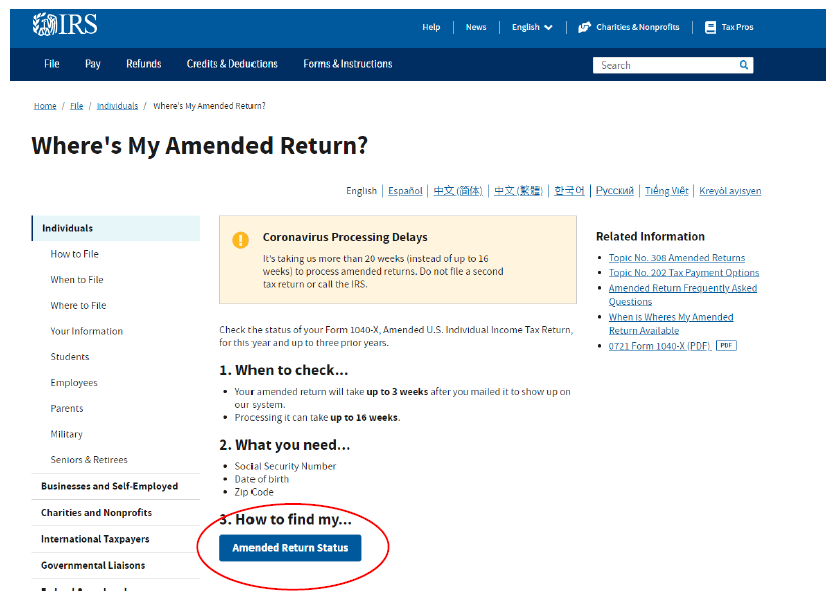
For instance, popular tools like “Where’s My Refund?” or “Where’s My Amended Return?” rely on daily data refreshes from the main processing systems. These refreshes typically occur once every 24 hours, often overnight, meaning that checking the tool multiple times a day will likely yield the same result until the next daily update cycle completes. The IRS usually operates on Eastern Time (ET) for its internal processing windows, so any stated cut-off times or refresh schedules would generally align with this timezone.
Similarly, submitting an electronic payment through IRS Direct Pay or an e-filed return through tax software will likely have a cut-off time for same-day processing. While the submission itself might be accepted at any hour, the actual processing of that transaction into the IRS’s financial systems won’t begin until a specific window opens, typically the next business day’s processing cycle. Understanding these processing windows is crucial for financial institutions and businesses that manage large volumes of tax-related transactions, as it directly impacts cash flow and compliance deadlines.
Impact on Taxpayers: Financial Implications of IRS Timelines
The seemingly mundane topic of website updates has a direct and often significant bearing on a taxpayer’s financial well-being, influencing everything from compliance to liquidity.
Timely Tax Filing and Payment Deadlines
The most immediate financial impact of IRS operational timing revolves around tax deadlines. Every year, millions rush to file their returns and make payments by the statutory deadlines, such as April 15th. While electronic filing systems are designed to handle immense loads, waiting until the final hours can be risky. System slowdowns, unexpected maintenance, or even localized internet issues can prevent a timely submission. Financially, a missed deadline can lead to penalties for late filing or late payment, directly eroding personal or business capital. Understanding that IRS systems perform backend updates, especially during peak periods, encourages taxpayers to file and pay well in advance, safeguarding against these financial penalties and ensuring compliance. This proactive approach is a cornerstone of sound financial planning.
Refund Processing and Expectation Management
For many taxpayers, a tax refund represents a significant financial event, often earmarked for savings, debt reduction, or major purchases. The IRS often states that most refunds are issued within 21 days of e-filing. The “Where’s My Refund?” tool is updated daily, usually overnight, reflecting the latest status from the IRS’s processing centers. If a taxpayer checks the tool in the morning, they will see the status from the previous night’s update. Delays in system updates or processing can translate into financial inconvenience, disrupting personal budgeting or business cash flow forecasts. Understanding this daily update cycle helps manage expectations and reduces unnecessary anxiety or repeated checking, allowing individuals to plan their finances more accurately.
Accessing Account Information and Online Tools

The IRS’s online account tools provide taxpayers with access to their tax transcripts, payment history, balance due, and other critical financial information. These tools are indispensable for various financial transactions, such as applying for a mortgage, student loans, or small business financing, which often require proof of income or tax compliance through official IRS transcripts. The accuracy and real-time availability of this information are directly tied to the IRS’s system update schedules. If an update causes temporary downtime or a delay in data synchronization, it can hold up financial applications, potentially incurring additional fees or even missing out on opportunities. For businesses, access to accurate tax records is vital for audits, financial reporting, and strategic decision-making.
Navigating the Digital IRS: Best Practices for Financial Preparedness
Given the critical role of the IRS website in financial management, adopting best practices for online interaction is not merely convenient; it’s a strategic imperative for financial preparedness.
Proactive Planning: Don’t Wait Until the Last Minute
The golden rule of interacting with the IRS digitally, especially concerning financial obligations, is to act proactively. File your tax returns and submit payments well in advance of deadlines. This approach provides a buffer against unforeseen technical glitches, system overloads, or planned maintenance periods that could emerge without immediate public notice. For businesses, this translates to setting internal deadlines weeks ahead of the federal ones, ensuring ample time for review, processing, and contingency planning. Proactive engagement minimizes the risk of late payment penalties, ensures consistent cash flow, and allows for calm, considered financial decisions rather than rushed, error-prone ones.
Optimizing Website Usage: Timing Your Online Interactions
While the precise minute of an IRS website update might be elusive, understanding general usage patterns can significantly enhance your online experience. During peak tax season (January to April) and especially closer to major deadlines, the website experiences immense traffic. This can lead to slower loading times, timeouts, or temporary unavailability of certain services. To circumvent these issues, consider accessing the IRS website during off-peak hours, such as early mornings (before 8 AM ET), late evenings (after 8 PM ET), or weekends. This strategy can reduce frustration and ensure smoother access to critical financial tools and information, allowing for efficient task completion without unnecessary delays. For tools like “Where’s My Refund?”, remember that status updates are typically once a day, usually overnight, so checking multiple times throughout the day is often unproductive.
Staying Informed: Official Channels and Reliable Sources
In the complex landscape of tax regulations and financial compliance, relying on accurate, official information is paramount. The IRS maintains various official channels to disseminate information regarding updates, outages, and important announcements. These include the IRS Newsroom, official IRS.gov pages dedicated to system alerts, and occasionally, official social media accounts. Subscribing to IRS email updates or regularly checking their news releases can provide timely insights into any planned maintenance or significant changes that could impact your financial dealings. Furthermore, consulting with qualified tax professionals or financial advisors ensures that you receive tailored advice based on the most current regulations and operational information, safeguarding your financial decisions against misinformation.
The Future of IRS Digital Services and Financial Management
The IRS recognizes the need for continuous improvement in its digital infrastructure to meet the demands of a modern economy and an increasingly digital-savvy populace.
Modernization Efforts and Their Financial Benefits
The IRS is currently engaged in significant multi-year modernization efforts aimed at upgrading its aging IT systems. These initiatives are not merely about aesthetics; they are designed to improve efficiency, enhance security, and deliver a more seamless taxpayer experience. Financially, a modernized IRS system could mean:
- Quicker Refund Processing: More efficient backend systems could reduce the “21 days” standard, providing taxpayers access to their funds sooner.
- Improved Accuracy and Reduced Errors: Better data integration and processing reduce human error, leading to fewer discrepancies and less need for costly amendments or audits.
- Enhanced Self-Service Options: Future tools could provide more real-time access to account information, payment history, and personalized guidance, empowering taxpayers with greater control over their financial data.
- Reduced Compliance Costs: For businesses, a more streamlined digital interaction with the IRS can reduce administrative burdens and associated costs.
These advancements promise significant financial benefits, both for individual taxpayers who rely on efficient tax services and for the broader economy that benefits from smoother financial flows.
Cybersecurity and Data Integrity: Protecting Your Financial Information
In an era of escalating cyber threats, the continuous nature of security updates and system maintenance at the IRS is fundamentally about protecting the vast amount of sensitive financial data it holds. Robust cybersecurity measures are essential to prevent identity theft, financial fraud, and data breaches that could have catastrophic consequences for millions of taxpayers. The IRS’s commitment to regular system updates, patching vulnerabilities, and fortifying its digital defenses is a critical, ongoing financial investment aimed at safeguarding national financial security and individual wealth. Taxpayers also bear a responsibility in this ecosystem by employing strong passwords, using multi-factor authentication, and being vigilant against phishing scams, thereby forming a crucial partnership in protecting financial information.

Conclusion
The question “What time does the IRS website update?” transcends a simple query about a digital clock; it opens a window into the intricate mechanisms that underpin federal tax administration and profoundly impact personal and business finance. While a precise, universal update time remains elusive due to the IRS’s complex, multi-layered digital operations, understanding the distinction between content and system updates, recognizing processing windows, and adopting proactive strategies are indispensable for effective financial management.
By embracing informed planning, optimizing online interactions, and staying vigilant through official channels, taxpayers can navigate the digital IRS ecosystem with greater confidence and efficiency. As the IRS continues its modernization journey, the promise of a more streamlined, secure, and responsive digital experience holds significant financial benefits for all. Ultimately, an informed approach to the IRS’s digital world empowers taxpayers to fulfill their obligations, access their financial resources, and maintain compliance, ensuring a stable and predictable financial future.
aViewFromTheCave is a participant in the Amazon Services LLC Associates Program, an affiliate advertising program designed to provide a means for sites to earn advertising fees by advertising and linking to Amazon.com. Amazon, the Amazon logo, AmazonSupply, and the AmazonSupply logo are trademarks of Amazon.com, Inc. or its affiliates. As an Amazon Associate we earn affiliate commissions from qualifying purchases.