
The global foreign exchange (Forex) market stands as the largest and most liquid financial market in the world, renowned for its almost continuous 24-hour, five-day-a-week operation. Unlike traditional stock exchanges that operate with fixed opening and closing bells, Forex trading commences on Sunday evening and runs uninterrupted until Friday afternoon, based on Eastern Standard Time (EST). Understanding precisely when and how this cycle begins on Sunday is crucial for traders looking to capitalize on market movements or manage existing positions.
The Global Opening: When Forex Awakens on Sunday
The concept of the Forex market “opening” on Sunday can be a point of confusion for those accustomed to conventional market hours. Since there’s no central exchange, the market opens as soon as financial centers around the globe begin their workweek.
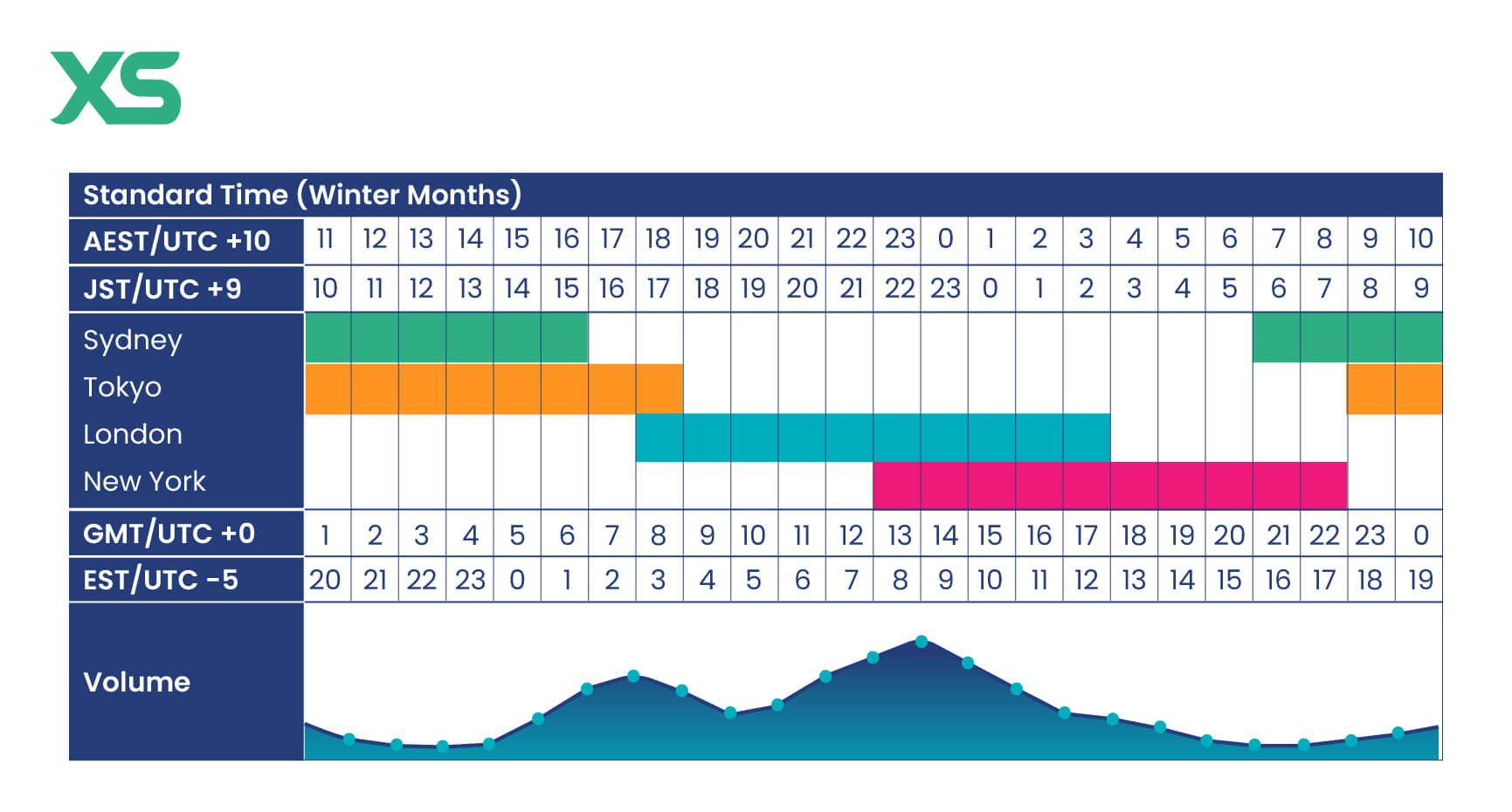
Understanding the Sunday Start Time
The Forex market officially kicks off its trading week when the first major financial centers in the Eastern Hemisphere open for business. This typically occurs with the opening of markets in Wellington, New Zealand, and Sydney, Australia.
- Wellington/Sydney Opening: The market generally opens between 5:00 PM and 5:00 PM Eastern Standard Time (EST) on Sunday. More precisely, it’s 5:00 PM EDT (Eastern Daylight Time) during periods of daylight saving and 5:00 PM EST otherwise. This corresponds to approximately 9:00 AM Monday in Wellington (NZST) and 7:00 AM Monday in Sydney (AEST), depending on daylight saving adjustments in those regions.
- Coordinated Universal Time (UTC): To standardize, many traders refer to UTC. The market generally opens around 21:00 to 22:00 UTC on Sunday. It’s imperative for traders to confirm the exact opening time with their specific broker, as slight variations can occur based on the broker’s liquidity providers and their time zone configurations.
This early opening marks the beginning of the Asian trading session, even though it’s still Sunday evening in the Americas and Europe. The sequential nature of financial centers opening their doors creates the continuous trading environment that defines Forex.
The Concept of a 24/5 Market
The Forex market’s 24/5 operation is a direct result of its decentralized, global nature. As one major financial center closes, another in a different time zone opens, ensuring that currency trading can continue without interruption. This distinguishes Forex from equity or commodity markets, which often have distinct daily trading hours and weekend closures.
The trading week is structured around four main sessions:
- Sydney/Wellington Session (Asia-Pacific): The first to open on Sunday, characterized by initial market reactions to weekend news.
- Tokyo Session (Asian): Following Sydney, this is a key session for Yen-related pairs.
- London Session (European): Considered the most liquid and active session, with significant overlap with both the Asian and New York sessions.
- New York Session (North American): The final major session of the day, with high liquidity, especially during its overlap with London.
These overlapping sessions create periods of heightened liquidity and trading opportunities, while the transition between them ensures continuous market access.
Navigating the Initial Sunday Hours
While the market officially opens on Sunday evening, the characteristics of trading during these initial hours can differ significantly from those observed during the peak liquidity periods later in the week.
Early Market Characteristics
The initial hours after the Sunday opening, particularly during the Sydney/Wellington session, often present unique trading conditions:
- Lower Liquidity: Compared to the London or New York sessions, the early Sunday hours typically see lower trading volumes. Fewer participants are active, which can lead to thinner markets.
- Wider Spreads: A direct consequence of lower liquidity is often wider bid-ask spreads. Brokers compensate for the increased risk of executing trades in a less liquid market by widening the difference between the buying and selling prices. This means the cost of entering and exiting trades can be higher.
- Potential for Gaps: Significant news or economic events occurring over the weekend, when the market is closed, can lead to “gaps” in price action upon the Sunday opening. A gap occurs when the opening price on Sunday is substantially different from the closing price on Friday, skipping over intermediate price levels. These gaps can present both opportunities and risks, depending on a trader’s strategy.
- Reduced Volatility (Often): While gaps can occur, the overall volatility during the initial Sunday hours is often lower than during the more active sessions. This can make certain trend-following strategies less effective, though it might appeal to range-bound or scalping traders.
Risk Management for Sunday Open
Given the distinct characteristics of the Sunday open, prudent risk management is paramount:
- Review Weekend News: Before considering any trades on Sunday, thoroughly review any significant geopolitical, economic, or market-moving news that broke over the weekend. This can help anticipate potential market reactions and price gaps.
- Observe Initial Price Action: Many experienced traders opt to wait an hour or two after the official opening to let the initial volatility subside and assess the market’s direction. This allows time for spreads to potentially tighten and for more liquidity to enter the market.
- Smaller Position Sizes: If trading during the early Sunday hours, consider reducing your position sizes. This mitigates the impact of wider spreads and potential unexpected price swings.
- Tighter Stop-Loss Orders: While some might argue for wider stops due to potential volatility, others prefer tighter stops to limit downside exposure, especially if the market moves against a position due to a weekend news event. The best approach depends on your strategy and risk tolerance, but ensuring stops are in place is critical.
- Be Aware of Liquidity for Specific Pairs: Not all currency pairs will behave the same. Major pairs (e.g., EUR/USD, USD/JPY, GBP/USD) will generally have more liquidity than minor or exotic pairs, even during the quiet Sunday hours.
The Major Trading Sessions and Their Overlaps
Understanding the sequence and overlaps of the major trading sessions is fundamental to grasping the Forex market’s dynamics throughout the week.
Sydney Session (Asia-Pacific)
- Approximate Hours: Sunday 5:00 PM EST – Monday 2:00 AM EST (or 21:00 UTC – 06:00 UTC).
- Key Characteristics: The first session to open the week. Often characterized by lower liquidity and wider spreads. Reacts to weekend news. AUD and NZD pairs are naturally more active.

Tokyo Session (Asian)
- Approximate Hours: Sunday 7:00 PM EST – Monday 4:00 AM EST (or 23:00 UTC – 08:00 UTC).
- Key Characteristics: Overlaps with the Sydney session. Higher liquidity than Sydney alone. The Japanese Yen (JPY) is a focal point, with pairs like USD/JPY and EUR/JPY often seeing increased activity. Economic data from Japan, China, and Australia frequently drive market movements during this time.
London Session (European)
- Approximate Hours: Monday 3:00 AM EST – Monday 12:00 PM EST (or 08:00 UTC – 17:00 UTC).
- Key Characteristics: Considered the most active and liquid session. London is a global financial hub, and the session sees a massive influx of traders, banks, and financial institutions. Spreads typically narrow significantly, and volatility can be high. All major currency pairs, especially those involving GBP and EUR, are actively traded.
New York Session (North American)
- Approximate Hours: Monday 8:00 AM EST – Monday 5:00 PM EST (or 13:00 UTC – 22:00 UTC).
- Key Characteristics: Overlaps significantly with the London session for several hours, creating the period of highest liquidity and trading volume of the day. The U.S. Dollar (USD) is central to this session, with major economic data releases from the U.S. often dictating market direction.
The Benefits of Session Overlaps
The periods when trading sessions overlap are typically the most advantageous for traders:
- Increased Liquidity: More participants mean more buy and sell orders, leading to deeper markets and easier execution.
- Tighter Spreads: High liquidity generally translates to narrower spreads, reducing transaction costs.
- Higher Volatility and Opportunities: The combination of increased liquidity and global participation often results in more significant price movements, creating more trading opportunities. The London-New York overlap is particularly renowned for this.
Strategic Considerations for Sunday Forex Trading
Beyond understanding the mechanical aspects of the Sunday opening, strategic foresight is critical for navigating these unique market conditions.
The Impact of Weekend News
Weekends are not market holidays for global news. Geopolitical developments, critical economic reports released on Friday after market close, or central bank statements can all manifest as significant price gaps or sustained trends when the market reopens on Sunday. Experienced traders dedicate time on Sunday to review these events, using economic calendars and news feeds to gauge potential market reactions. Ignoring weekend news is a common pitfall that can lead to unexpected losses.
Choosing the Right Currency Pairs
The liquidity and volatility of specific currency pairs vary significantly depending on the time of day and the active trading sessions. During the early Sunday hours, currency pairs involving the Australian Dollar (AUD) and New Zealand Dollar (NZD) often see more action as their respective economies are active. Pairs involving the Japanese Yen (JPY) will pick up as the Tokyo session gains momentum. Trading highly illiquid exotic pairs during the early Sunday session can be particularly risky due to extremely wide spreads and unpredictable movements. Sticking to major pairs or pairs with known activity during the Asia-Pacific session can be a safer approach.
Broker Considerations
Your choice of Forex broker also plays a role in your Sunday trading experience. Factors to consider include:
- Broker Opening Times: While the market is global, your broker’s platform and customer support may have specific operating hours.
- Spread Policies: Some brokers may intentionally widen spreads during periods of low liquidity, such as the Sunday open. Understand their policy.
- Swap Fees: If holding positions overnight (which includes holding from Friday close to Sunday open), be aware of swap fees (interest paid or received for holding currency positions).
- Reliability: Ensure your broker has robust servers and a reliable execution system, especially during potentially volatile opening periods.
Best Practices for Consistent Forex Trading
Successful Forex trading, including navigating the Sunday open, hinges on a combination of preparation, education, and disciplined execution.
Develop a Robust Trading Plan
A well-defined trading plan is your roadmap. It should outline your entry and exit strategies, risk management rules (including position sizing and stop-loss/take-profit levels), and criteria for selecting currency pairs. For Sunday trading, specifically, your plan should account for the lower liquidity, wider spreads, and potential for gaps. This might mean adjusting your typical trade size or choosing to sit out the initial hours.
Continuous Education and Market Analysis
The Forex market is constantly evolving, influenced by a myriad of economic, political, and social factors. Continuous learning about fundamental and technical analysis is vital. Regularly consult economic calendars, follow news from major financial centers, and analyze historical price action to identify patterns and potential future movements. Understanding how different economic indicators impact currency values is critical for making informed decisions, especially when reacting to weekend news.
Discipline and Emotional Control
Forex trading requires significant discipline. Sticking to your trading plan, even when emotions run high due to winning or losing trades, is paramount. Avoid impulsive decisions, particularly during the potentially volatile and less liquid Sunday open. Not every Sunday presents an ideal trading opportunity, and sometimes the best trade is no trade at all. Patience and adherence to your predefined rules are hallmarks of successful traders.
aViewFromTheCave is a participant in the Amazon Services LLC Associates Program, an affiliate advertising program designed to provide a means for sites to earn advertising fees by advertising and linking to Amazon.com. Amazon, the Amazon logo, AmazonSupply, and the AmazonSupply logo are trademarks of Amazon.com, Inc. or its affiliates. As an Amazon Associate we earn affiliate commissions from qualifying purchases.