
In the world of high-stakes investing and personal finance, timing is often just as critical as the asset itself. For the uninitiated, the stock market might seem like a 24-hour digital casino, but for the sophisticated investor, the “opening bell” represents a precise psychological and technical boundary that dictates liquidity, volatility, and opportunity. Understanding exactly what time the stock market opens—and the nuances of the trading sessions that surround those hours—is a fundamental pillar of financial literacy.
Whether you are a retail investor managing a retirement portfolio or a day trader looking for intraday swings, knowing the clock is essential for protecting your capital. In the United States, the primary equity markets operate on a schedule designed to concentrate liquidity, ensuring that buyers and sellers can find each other efficiently.
The Standard Trading Session: The Core of the Financial Day
For the vast majority of investors, the “stock market” refers to the two largest exchanges in the world: the New York Stock Exchange (NYSE) and the NASDAQ. Both of these institutions follow a synchronized schedule that serves as the heartbeat of global finance.
The 9:30 AM Eastern Time Opening Bell
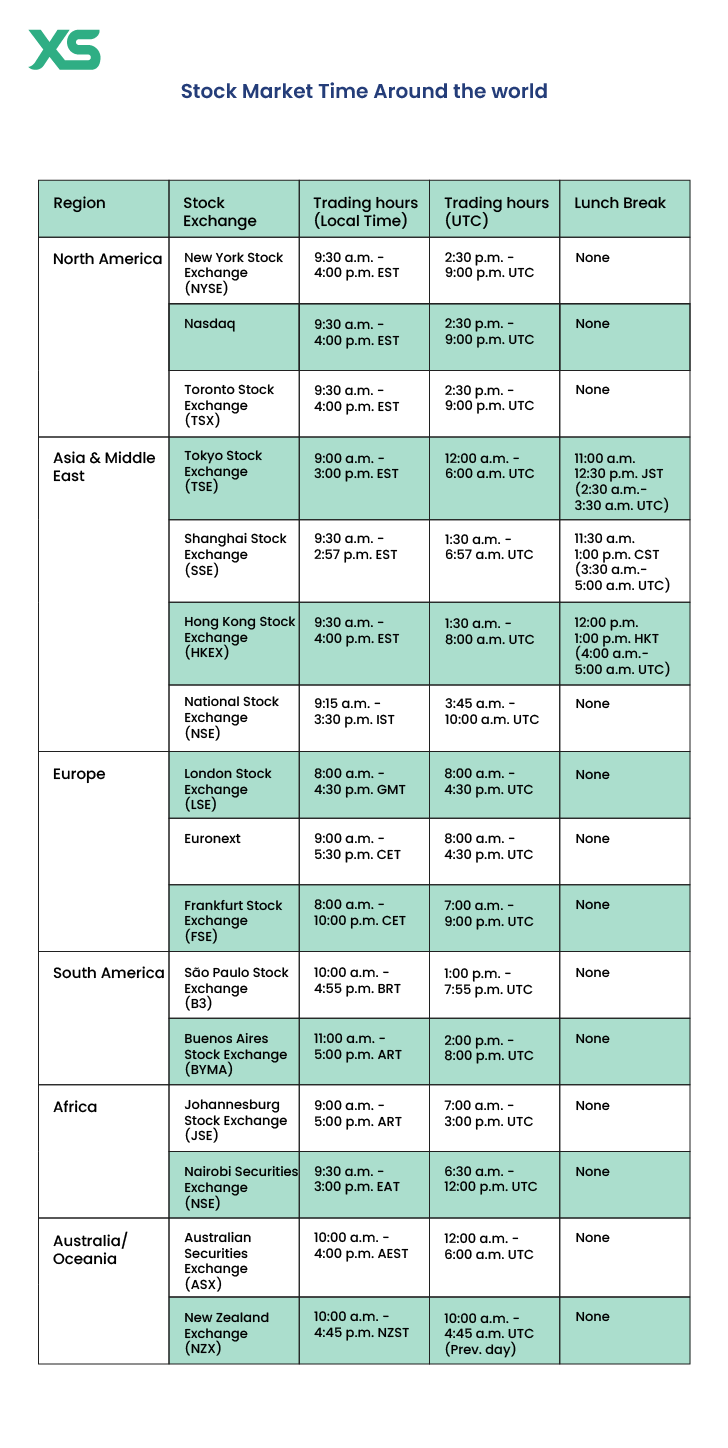
The official opening time for the U.S. stock market is 9:30 AM Eastern Time (ET), Monday through Friday. This moment is marked by the iconic ringing of the bell at the NYSE, a tradition that signals the start of the primary trading session. At exactly 9:30 AM, the “opening auction” concludes, and continuous trading begins.
During the first few minutes of the open, volatility is typically at its highest. This is because the market is processing a massive influx of orders that accumulated overnight, responding to news, earnings reports, or geopolitical events that occurred while the market was closed. For the disciplined investor, this “opening volatility” is a double-edged sword; it offers significant profit potential but carries a higher risk of “slippage,” where the execution price differs significantly from the expected price.
The 4:00 PM Eastern Time Closing Bell
The standard trading session concludes at 4:00 PM ET. Much like the opening, the close is characterized by a “closing auction,” where the final prices of the day are determined. This period is particularly important for institutional investors and mutual fund managers who often need to execute large “Market on Close” (MOC) orders to ensure their portfolios reflect the official daily closing price.
The 4:00 PM close marks the end of “regular” hours, but it does not mean the financial world stops. It merely shifts into a different phase of the trading cycle, often referred to as the “After-Hours” session.
Weekend and Holiday Closures
The U.S. stock market is closed on Saturdays and Sundays. Additionally, the market observes several federal holidays throughout the year, such as New Year’s Day, Martin Luther King Jr. Day, Presidents’ Day, Good Friday, Memorial Day, Juneteenth, Independence Day, Labor Day, Thanksgiving, and Christmas. It is a vital part of a financial strategy to monitor the exchange calendars, as “market holidays” can affect settlement dates and liquidity in the days leading up to the closure.
Beyond the Bell: Navigating Extended-Hours Trading
While the 9:30 AM to 4:00 PM window represents the core of the market, the digital age has ushered in the era of extended-hours trading. This allows investors to react to news outside of the standard session, though it requires a higher level of financial sophistication and risk tolerance.
Pre-Market Trading: The Early Bird’s Advantage
Pre-market trading in the U.S. can begin as early as 4:00 AM ET, although the majority of volume starts to pick up around 8:00 AM ET. This session is primarily used by professional traders and institutional players to position themselves ahead of the 9:30 AM open.
Engaging in pre-market trading allows an investor to trade on earnings reports that are released early in the morning or to react to economic data (such as the Consumer Price Index or Unemployment reports) which are typically released at 8:30 AM ET. However, the “Money” niche professional will warn that pre-market trading involves significantly lower liquidity. This means the “bid-ask spread”—the difference between what a buyer wants to pay and what a seller wants to receive—is much wider, making it more expensive to enter and exit positions.

After-Hours Trading: Reacting to the News Cycle
After-hours trading begins immediately at 4:00 PM ET and can run until 8:00 PM ET. This session is critical because most publicly traded companies release their quarterly earnings reports shortly after the 4:00 PM closing bell.
Because earnings reports are the primary catalysts for stock price movements, the after-hours session often sees explosive volatility. If a company misses its revenue targets, the stock might drop 10% within minutes of the report’s release at 4:05 PM. While this session offers the ability to trade on fresh information, the same risks of low liquidity and high volatility found in the pre-market session apply here. Most retail brokerages require investors to use “Limit Orders” during these times to prevent being filled at unfavorable prices.
Global Market Synchronization and the London Overlap
Investing is no longer a localized endeavor. To truly master the timing of the stock market, one must look at the global landscape. The U.S. market does not exist in a vacuum; it is part of a 24-hour global cycle of capital flow.
The European and Asian Market Hours
The financial day actually begins in Asia. The Tokyo Stock Exchange (TSE) and the Hong Kong Stock Exchange (HKEX) operate while the U.S. is asleep. As the Asian markets close, the European markets, led by the London Stock Exchange (LSE), open their doors.
The LSE typically opens at 8:00 AM London time (3:00 AM ET). For U.S. investors, the hours between 8:00 AM ET and 11:30 AM ET are particularly significant. This is known as the “London/New York Overlap.” During this window, both the U.S. and European markets are open simultaneously. This period usually represents the highest level of liquidity in the global financial system, as traders on both sides of the Atlantic are active.
Impact of Global Markets on U.S. Opening Prices
Often, the “opening price” at 9:30 AM in New York is heavily influenced by what happened overnight in London or Tokyo. If the FTSE 100 (UK) or the DAX (Germany) suffers a major sell-off during their morning session, the U.S. market will likely “gap down” at 9:30 AM. Understanding these international time zones helps investors predict market sentiment before the U.S. bells even ring.
Strategic Timing: The Best Times of Day to Trade
In personal finance and professional investing, not all hours are created equal. The profitability of a trade can often depend on which “segment” of the day you choose to execute your strategy.
The First Hour: The “Amateur Hour” vs. The “Opening Drive”
The period from 9:30 AM to 10:30 AM ET is often the most volatile. While it is sometimes disparagingly called “Amateur Hour” because retail investors often place emotional orders based on overnight news, it is also the time when the “Opening Drive” occurs. Institutional investors use this time to execute large orders that move the needle. For a conservative investor, it is often wise to wait until 10:00 AM or 10:30 AM for the initial volatility to settle and a clear “trend” for the day to be established.
The Mid-Day Lull
From 12:00 PM to 2:00 PM ET, the market often experiences a “lunchtime lull.” Volume drops as many traders in New York take breaks, and the European markets begin to close. During this time, stock prices may drift sideways with little conviction. This is generally the worst time for day trading due to the lack of movement, but it can be an excellent time for long-term investors to pick up shares without the interference of high-frequency trading noise.
The “Power Hour”
The final hour of trading, from 3:00 PM to 4:00 PM ET, is known as the “Power Hour.” This is when volatility picks up again as traders rush to square their positions before the close. It is a period of intense activity where the “smart money”—large institutions and hedge funds—often makes its final moves. Trends established during the Power Hour often provide a clue as to how the market will open the following day.
Conclusion: Mastering the Financial Clock
Understanding what time the stock market opens is more than just memorizing “9:30 AM.” It is about recognizing the rhythm of global capital. By identifying the differences between regular hours, extended sessions, and global overlaps, an investor can better manage risk and identify windows of high liquidity.
In the realm of money and investing, knowledge of the market clock is a tool for discipline. It allows you to step back when volatility is irrational and lean in when the “Power Hour” offers a strategic entry. Whether you are building a long-term nest egg or seeking short-term gains, the clock is an invisible partner in every transaction you make. Always remember: the market waits for no one, but it rewards those who respect its schedule.
aViewFromTheCave is a participant in the Amazon Services LLC Associates Program, an affiliate advertising program designed to provide a means for sites to earn advertising fees by advertising and linking to Amazon.com. Amazon, the Amazon logo, AmazonSupply, and the AmazonSupply logo are trademarks of Amazon.com, Inc. or its affiliates. As an Amazon Associate we earn affiliate commissions from qualifying purchases.