
The global financial markets operate with a rhythm, a pulse that dictates when billions of dollars worth of assets change hands. For individual and institutional investors alike, understanding this rhythm – specifically, the stock market’s operating hours – is not just a matter of convenience; it’s a foundational element of effective strategy and risk management. While the major U.S. stock exchanges are physically located in New York, adhering to Eastern Time (ET), a significant portion of the investing population resides in the Central Time (CT) zone or beyond. This time zone difference introduces a critical, yet often overlooked, layer of complexity that can impact trading decisions, order execution, and even portfolio performance.
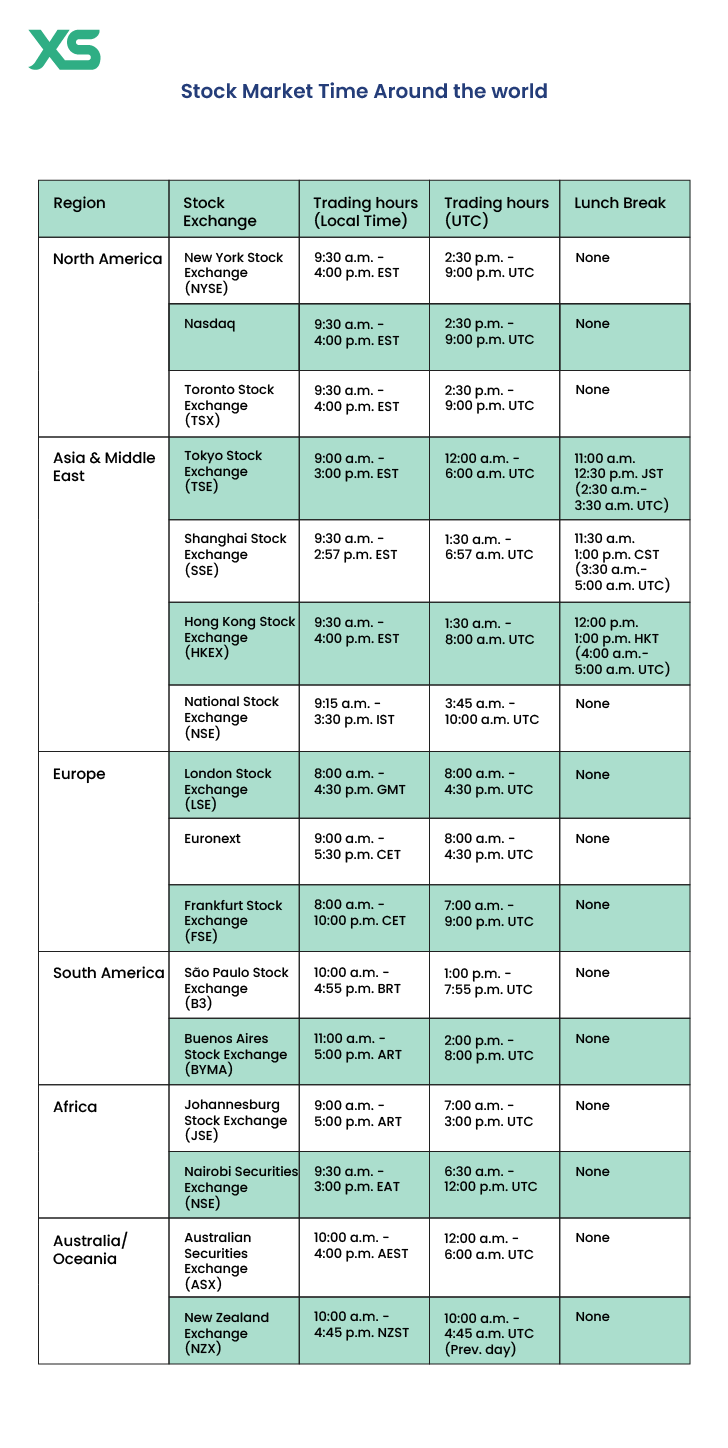
Knowing precisely when the stock market opens and closes in Central Time allows investors to synchronize their actions with market liquidity, volatility, and news cycles. It influences everything from the timing of a day trader’s crucial entry and exit points to a long-term investor’s decision to place a limit order after reviewing overnight news. This article aims to demystify the stock market’s closing times for those operating within the Central Time zone, exploring the standard hours, the nuances of pre-market and after-hours trading, and the essential role this knowledge plays in a well-rounded financial strategy.
The Standard Operating Hours of U.S. Stock Exchanges
The core of U.S. equity trading revolves around a well-defined daily window. Understanding these standard hours is the first step in aligning your investment activities, irrespective of your geographical location.
Core Trading Session for Major Exchanges
The two behemoths of U.S. stock trading, the New York Stock Exchange (NYSE) and the NASDAQ Stock Market, operate on a consistent schedule. Their standard trading hours are 9:30 AM to 4:00 PM Eastern Time (ET), Monday through Friday. During this period, the vast majority of stock transactions occur, prices are discovered through a continuous auction or dealer market, and liquidity is generally at its peak. This core session is where market news, company earnings, and economic reports have their most immediate and profound impact on stock prices. Whether you’re dealing in blue-chip stocks, tech giants, or emerging growth companies, these hours define the official ‘open’ market. Options and futures markets generally follow similar, though sometimes slightly extended, core hours. Understanding this fundamental timeframe is crucial for anyone engaging with the U.S. equity markets.
Converting to Central Time (CT)
For investors situated in the Central Time zone, a simple but vital conversion is necessary. Central Time is consistently one hour behind Eastern Time. This means that if the NYSE and NASDAQ open at 9:30 AM ET, they are opening at 8:30 AM CT. Similarly, when the closing bell rings at 4:00 PM ET, it translates to 3:00 PM CT.
This one-hour difference has significant implications for how investors in the CT zone plan their day. A morning routine in Chicago, Dallas, or Minneapolis for an investor might involve checking market news and preparing orders an hour earlier than their counterparts in New York. The 3:00 PM CT closing bell marks the end of the standard trading day, signaling the culmination of daily price movements and often a flurry of activity as traders close positions or place last-minute orders. Failing to account for this time difference can lead to missed opportunities, unexpected order executions, or frustration when market access doesn’t align with expectations. Always remember: when planning your trading activities from the Central Time zone, subtract one hour from the publicized Eastern Time schedule.
Beyond the Bell: Pre-Market, After-Hours, and Their Significance
While the 8:30 AM CT to 3:00 PM CT window defines the standard trading day, the stock market’s activity doesn’t strictly adhere to these hours. Sophisticated electronic trading systems allow for significant activity both before the market officially opens and after it closes. Understanding these extended hours is vital for capturing opportunities and mitigating risks associated with lower liquidity periods.
Pre-Market Trading Activity
Pre-market trading typically commences as early as 4:00 AM ET (3:00 AM CT) and continues until the standard market opening at 9:30 AM ET (8:30 AM CT). This early window is characterized by lower trading volumes and, consequently, reduced liquidity compared to the core trading session. However, it’s a crucial period for price discovery, especially in response to overnight news, international market movements, or pre-open earnings announcements. Companies often release significant news, such as quarterly results or mergers and acquisitions, before the market opens to allow investors time to digest the information.
For investors in the Central Time zone, participating in pre-market trading means being ready to analyze and react to information as early as 3:00 AM CT. While the ability to trade during these hours offers flexibility and an early entry point, it comes with increased risks. Wider bid-ask spreads and the potential for greater price volatility due to thinner order books mean that large orders can significantly move prices, and it may be challenging to get orders filled at desired levels. Pre-market trading is predominantly executed through Electronic Communication Networks (ECNs), which match buy and sell orders directly, bypassing traditional market makers.
After-Hours Trading Dynamics
Once the closing bell rings at 4:00 PM ET (3:00 PM CT), trading doesn’t immediately cease. After-hours trading typically runs from 4:00 PM ET (3:00 PM CT) until 8:00 PM ET (7:00 PM CT). Similar to pre-market, this period exhibits lower liquidity and higher volatility. Many companies choose to release their earnings reports or other critical news directly after the market closes, prompting swift reactions during the after-hours session. Analyst ratings updates, macroeconomic data releases, or unexpected geopolitical events can also drive significant price movements in this window.
For CT-based investors, after-hours trading extends their active trading day until 7:00 PM CT. This can be beneficial for reacting to late-breaking news or adjusting positions based on post-market developments. However, the same cautions that apply to pre-market trading are relevant here: reduced liquidity can lead to larger price swings and less favorable execution prices. Investors typically use limit orders during extended hours to specify the maximum or minimum price they are willing to accept, thereby controlling execution risk. Utilizing these extended hours effectively requires a deep understanding of market mechanisms and a keen awareness of news catalysts, alongside a robust risk management strategy.
Navigating Market Holidays and Early Closures
While the stock market generally adheres to its Monday-Friday schedule, there are specific days when it either closes entirely or operates on a shortened schedule. These exceptions are critical for investors to note, as they can impact trading plans, settlement dates, and access to capital.
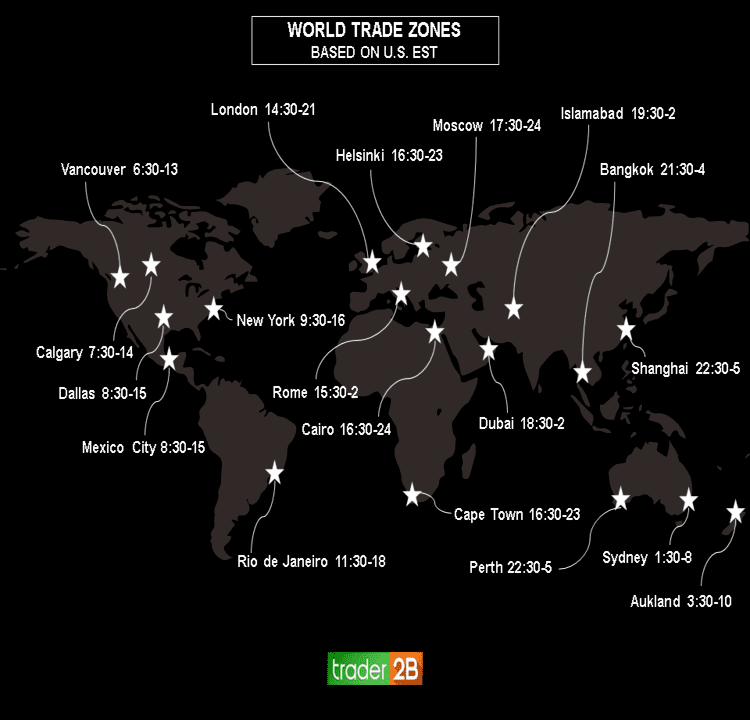
Scheduled Market Holidays
The U.S. stock market observes several federal holidays, during which it remains completely closed. These holidays provide a pause in trading activity, allowing participants to reset and refocus. For investors in Central Time, as well as any other time zone, the market will simply not be open on these days. Common market holidays include:
- New Year’s Day
- Martin Luther King, Jr. Day
- Presidents’ Day
- Good Friday (a Friday before Easter Sunday)
- Memorial Day
- Juneteenth National Independence Day
- Independence Day
- Labor Day
- Thanksgiving Day
- Christmas Day
It’s important to remember that if a holiday falls on a weekend, the market will typically observe it on the nearest weekday (e.g., if Christmas Day is on a Saturday, the market might be closed on the preceding Friday or following Monday). Investors should always consult the official holiday schedules published by the NYSE and NASDAQ well in advance to plan their trading and financial activities accordingly. Overlooking a market holiday can lead to missed deadlines or an inability to execute trades when desired.
Early Closing Days
In addition to full holidays, the stock market occasionally observes early closures, typically on days immediately preceding or following major holidays. These shortened trading sessions usually conclude at 1:00 PM ET (12:00 PM CT). Common instances of early closures include:
- The day before Independence Day (if it falls on a weekday)
- The day after Thanksgiving (Black Friday)
- Christmas Eve (if it falls on a weekday)
For investors in Central Time, this means the market closes a full three hours earlier than usual. This significantly reduces the window for executing trades and reacting to news. Liquidity can also be thinner on these days, as many traders and institutions take extended breaks. Being aware of these early closures is vital for short-term traders who rely on consistent market access and for anyone managing open positions that might be impacted by a shortened trading day. Always cross-reference your trading calendar with the official exchange calendars to stay informed about these exceptional market hours.
Strategic Implications for the Savvy Investor
Understanding when the stock market closes in Central Time, along with its extended hours and exceptions, is more than just a logistical detail; it’s a strategic imperative for informed investing. This knowledge underpins effective decision-making, risk management, and the optimization of trading strategies.
Impact on Trading Strategies and Decision-Making
For day traders and scalpers, precise knowledge of opening and closing times is fundamental. The market open (8:30 AM CT) often brings a surge of volatility and volume as overnight orders are executed and initial reactions to news unfold. Similarly, the “power hour” – the last hour of standard trading (2:00 PM to 3:00 PM CT) – can witness heightened activity as traders close positions, institutions rebalance portfolios, and end-of-day news breaks. These periods are ripe with opportunities but also increased risk. Knowing the exact CT times allows these traders to position themselves strategically, leverage volatility, or avoid it.
For swing traders and long-term investors, while daily market closing times may seem less critical, they still hold significance. Decisions about placing limit orders, stop-loss orders, or adjusting portfolio allocations are often made with the understanding of when prices are most stable or liquid. News that breaks after 3:00 PM CT can lead to significant price gaps at the next 8:30 AM CT open, requiring investors to anticipate and plan for such scenarios. Understanding the CT schedule helps in making timely decisions about news analysis and order placement, especially for those who manage their portfolios actively.
Risk Management and Liquidity Considerations
The periods outside of standard trading hours (pre-market and after-hours) present unique challenges for risk management. While they offer flexibility, the drastically reduced liquidity means that small orders can have a disproportionate impact on stock prices. Bid-ask spreads widen, making it harder to get orders filled at desirable prices. For a Central Time investor, this means trading before 8:30 AM CT or after 3:00 PM CT requires heightened caution. It’s often advisable to use limit orders during these periods to control the price at which a trade is executed, preventing unexpected price shocks.
Moreover, unexpected news or events occurring outside core market hours can lead to significant price gaps at the next market open. For instance, a major earnings disappointment released at 5:00 PM CT could cause a stock to open significantly lower at 8:30 AM CT the following day, potentially triggering stop-loss orders or leading to substantial losses for unprepared investors. Understanding these dynamics is crucial for managing portfolio exposure and preparing for potential volatility. Investors in the Central Time zone must integrate these timing considerations into their overall risk assessment, choosing appropriate order types and maintaining vigilance over news developments that can impact their holdings even when the market is ‘closed’.

Conclusion
The question “What time does the stock market close Central Time?” is more than a simple query; it’s a gateway to a deeper understanding of market dynamics and a cornerstone of effective investing. For those operating within the Central Time zone, the standard stock market closing time is 3:00 PM CT, with after-hours trading extending until 7:00 PM CT. Early closures on specific days mean the market may close even earlier, at 12:00 PM CT.
Armed with this precise knowledge, investors can better strategize their trading activities, from executing timely day trades to setting appropriate limit orders for longer-term positions. It enables a more robust approach to risk management, especially during the less liquid pre-market and after-hours sessions. Staying abreast of market holidays and early closure schedules, readily available on official exchange websites, is also paramount to avoid unforeseen disruptions to trading plans.
Ultimately, mastering the rhythm of the market, including its closing times across different time zones, equips investors with a crucial tool. It allows for more informed decisions, better-managed risks, and a more strategic approach to navigating the opportunities and challenges presented by the dynamic world of stock market investing. For the savvy investor, time truly is money, and knowing when the market’s clock stops ticking in your local time zone is an indispensable piece of that financial puzzle.
aViewFromTheCave is a participant in the Amazon Services LLC Associates Program, an affiliate advertising program designed to provide a means for sites to earn advertising fees by advertising and linking to Amazon.com. Amazon, the Amazon logo, AmazonSupply, and the AmazonSupply logo are trademarks of Amazon.com, Inc. or its affiliates. As an Amazon Associate we earn affiliate commissions from qualifying purchases.