
For millions of Americans, Social Security benefits serve as the cornerstone of financial stability in retirement or during periods of disability. Understanding the timing of these payments is not merely a matter of convenience; it is a fundamental component of effective household budgeting and personal finance management. While the Social Security Administration (SSA) maintains a structured schedule for benefit distributions, many recipients find themselves asking exactly when those funds will appear in their bank accounts.
Understanding the Social Security Payment Schedule
The Social Security Administration does not pay everyone on the same day. Instead, the agency utilizes a specific schedule determined primarily by the recipient’s birth date and the type of benefit they receive. This system is designed to stagger the influx of payments throughout the month, preventing a massive surge of transaction processing on a single day.
The Standard Payment Cycle
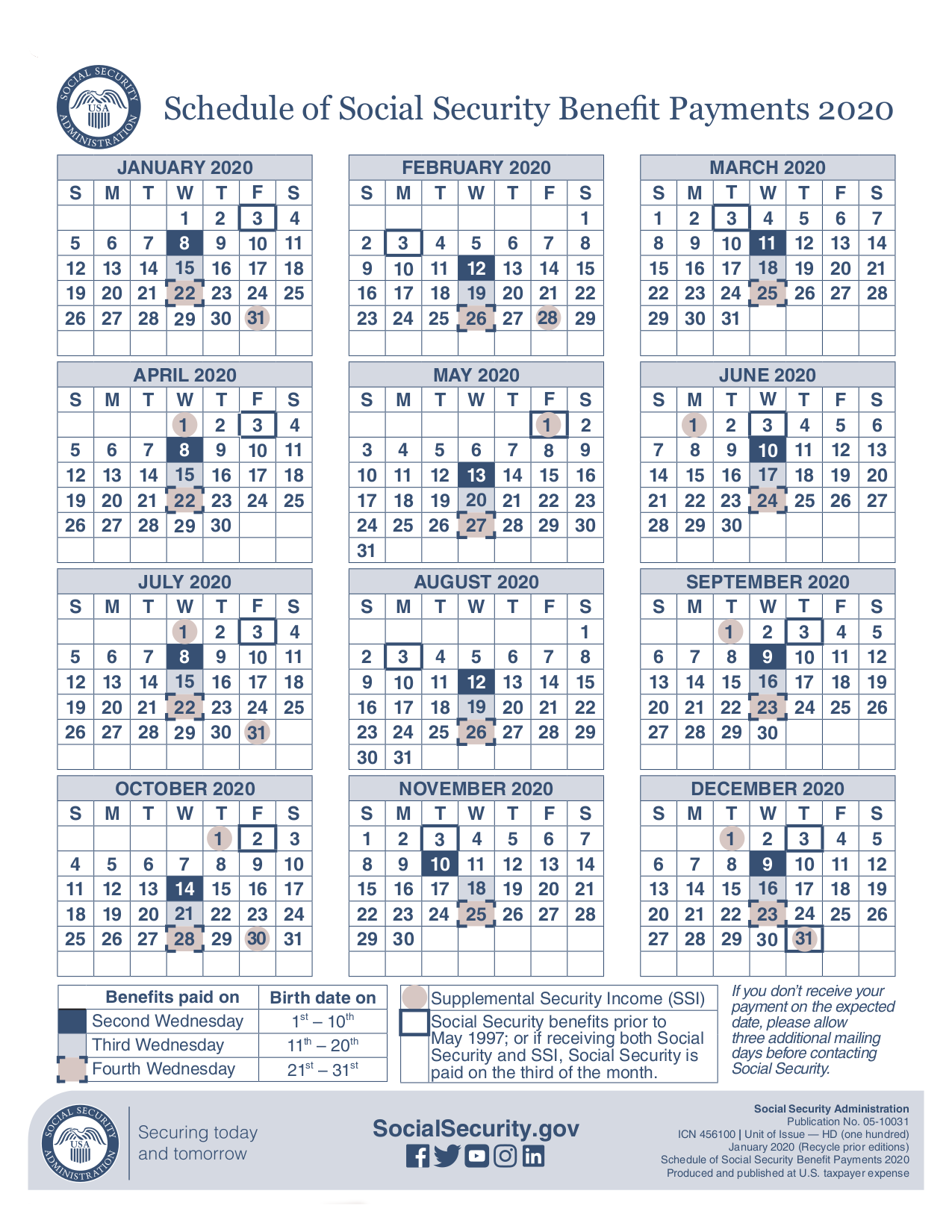
For the vast majority of retirees who began receiving Social Security benefits after May 1997, payments are distributed based on the date of birth:
- Birth dates falling on the 1st through the 10th: Benefits are paid on the second Wednesday of the month.
- Birth dates falling on the 11th through the 20th: Benefits are paid on the third Wednesday of the month.
- Birth dates falling on the 21st through the 31st: Benefits are paid on the fourth Wednesday of the month.
This cycle provides a predictable cadence. However, it is important to note that if you began receiving benefits before May 1997, or if you receive Supplemental Security Income (SSI), your payment schedule remains different, typically arriving on the 3rd of the month for SSI and the 3rd of the month for older Social Security claims.
Factors Influencing the Exact Time of Day
While the date is determined by the SSA, the “what time” component is largely handled by your specific financial institution. The SSA sends the instructions for the direct deposit through the Federal Reserve’s Automated Clearing House (ACH) network.
Technically, the SSA releases the payment to the banking system to ensure the funds are available by the morning of your scheduled payment date. However, the specific time the money appears in your account depends on your bank’s internal processing speed. Some traditional banks process batches of transactions overnight, meaning funds may appear as early as 12:01 AM on the scheduled day, while others may not credit the account until the bank opens for standard business hours.
How Modern Banking Features Change the Landscape
In recent years, the landscape of personal finance has shifted due to the rise of fintech companies and digital-first banking platforms. These institutions have changed the expectation regarding when social security benefits are accessible.
Early Deposit Features
Many modern online banks, neobanks, and credit unions now offer “early direct deposit” as a primary value proposition. These institutions utilize advanced transaction monitoring and risk-assessment technology that allows them to “front” the money to the customer as soon as they receive notification from the Federal Reserve that a deposit is on its way.
If you bank with an institution that offers this feature, you might see your Social Security benefit hit your account up to two days earlier than the official SSA payment date. While this is an excellent tool for cash flow management, it is crucial to understand that this is a feature of your bank, not a change in the SSA’s official schedule. If the Federal Reserve or the SSA experiences a holiday delay, your early deposit may also be delayed accordingly.
Real-Time Transaction Notifications
To remove the guesswork from the process, most modern banking apps allow users to set up push notifications. By enabling transaction alerts, you receive a notification the second a deposit is processed. This eliminates the need to manually refresh your online banking portal and provides peace of mind that your essential funds have safely arrived.
Troubleshooting Common Payment Delays
While the direct deposit system is highly reliable, there are instances where funds may not appear exactly when expected. Knowing how to handle these situations can prevent unnecessary financial anxiety.
Federal Holidays and Weekend Adjustments
The SSA schedule is built to account for weekends and federal holidays. If your scheduled payment date falls on a weekend or a federal holiday, the SSA typically moves the payment date to the preceding business day. For example, if your payment is scheduled for a Monday that happens to be a holiday, you should generally expect the money to arrive on the previous Friday.
Investigating Missing Payments
If your expected payment date has passed and your account shows no record of the funds, consider the following steps:
- Check your SSA account: Log into your “my Social Security” account online to ensure your payment status is marked as “issued.” This portal provides a comprehensive history of your payments and can confirm whether the SSA has processed the transaction.
- Verify with your bank: Occasionally, a deposit may be held due to an account restriction or a technical issue within the bank’s internal systems. A quick call to your bank’s customer service department can clarify if the funds are “pending” or if there is a problem with the ACH transmission.
- Ensure information is current: If you recently changed banks, verify that the SSA has your updated routing and account numbers. It can take up to 30 days for the agency to process a change in banking information.
Strategic Financial Planning Around Deposit Dates
Once you understand the timing of your Social Security deposits, you can use this information to optimize your personal financial health. Treating Social Security as a salary allows for better budgeting and long-term planning.
Aligning Bill Due Dates
One of the most effective ways to manage personal finance is to align your fixed monthly expenses—such as rent or mortgage payments, utility bills, and insurance premiums—with your Social Security deposit date. If your bank allows it, contact your service providers to request a change in your billing due date. By setting these payments to trigger shortly after your Social Security check arrives, you ensure that your essential obligations are met immediately, leaving the remainder of your funds for discretionary spending and savings.
Emergency Fund Buffers
Relying on the exact day of a deposit can be risky if unexpected bank delays occur. Financial advisors generally recommend maintaining a “buffer” in your checking account equal to at least one month’s worth of essential expenses. This acts as a financial cushion, ensuring that even if a payment is delayed by a holiday or a banking error, you are not faced with overdraft fees or missed payment penalties.

Leveraging Automated Savings
If your Social Security benefit provides more than what is needed for your immediate monthly survival, consider automating your savings. Many banking platforms allow you to set up an “auto-save” feature that triggers whenever a direct deposit is received. By moving a small percentage of your benefit into a high-yield savings account or a secondary investment vehicle immediately upon deposit, you secure your future without needing to actively manage your savings habits.
The timing of your Social Security direct deposit is a technicality of banking, but it is a pillar of your personal financial structure. By understanding the SSA schedule, leveraging the features of your financial institution, and aligning your bills with your income stream, you can transform the way you manage your retirement income and gain greater control over your financial destiny.
aViewFromTheCave is a participant in the Amazon Services LLC Associates Program, an affiliate advertising program designed to provide a means for sites to earn advertising fees by advertising and linking to Amazon.com. Amazon, the Amazon logo, AmazonSupply, and the AmazonSupply logo are trademarks of Amazon.com, Inc. or its affiliates. As an Amazon Associate we earn affiliate commissions from qualifying purchases.