
For millions of Americans relying on Social Security benefits, the arrival of their monthly payment is a critical financial event. Direct deposit has long been the standard, offering unparalleled convenience and security compared to paper checks. However, a common question often arises: “What time does Social Security direct deposit?” While the specific date of deposit is well-established, the exact hour or minute can be a source of confusion and anticipation. Understanding the intricacies of how these funds are disbursed, from the Social Security Administration (SSA) to your bank account, is key to managing your finances effectively.
This article delves into the typical Social Security payment schedule, explains why the exact “time” is often elusive, and provides guidance on monitoring your benefits and what to do if a payment is delayed. By demystifying the process, beneficiaries can better anticipate their funds and plan their financial lives with greater certainty.
Understanding the Social Security Direct Deposit Schedule
The Social Security Administration operates on a systematic schedule designed to distribute benefits efficiently to its vast network of recipients. This schedule is primarily determined by a beneficiary’s date of birth and, in some cases, when they started receiving benefits.
The Core Payment Schedule: By Birthdate
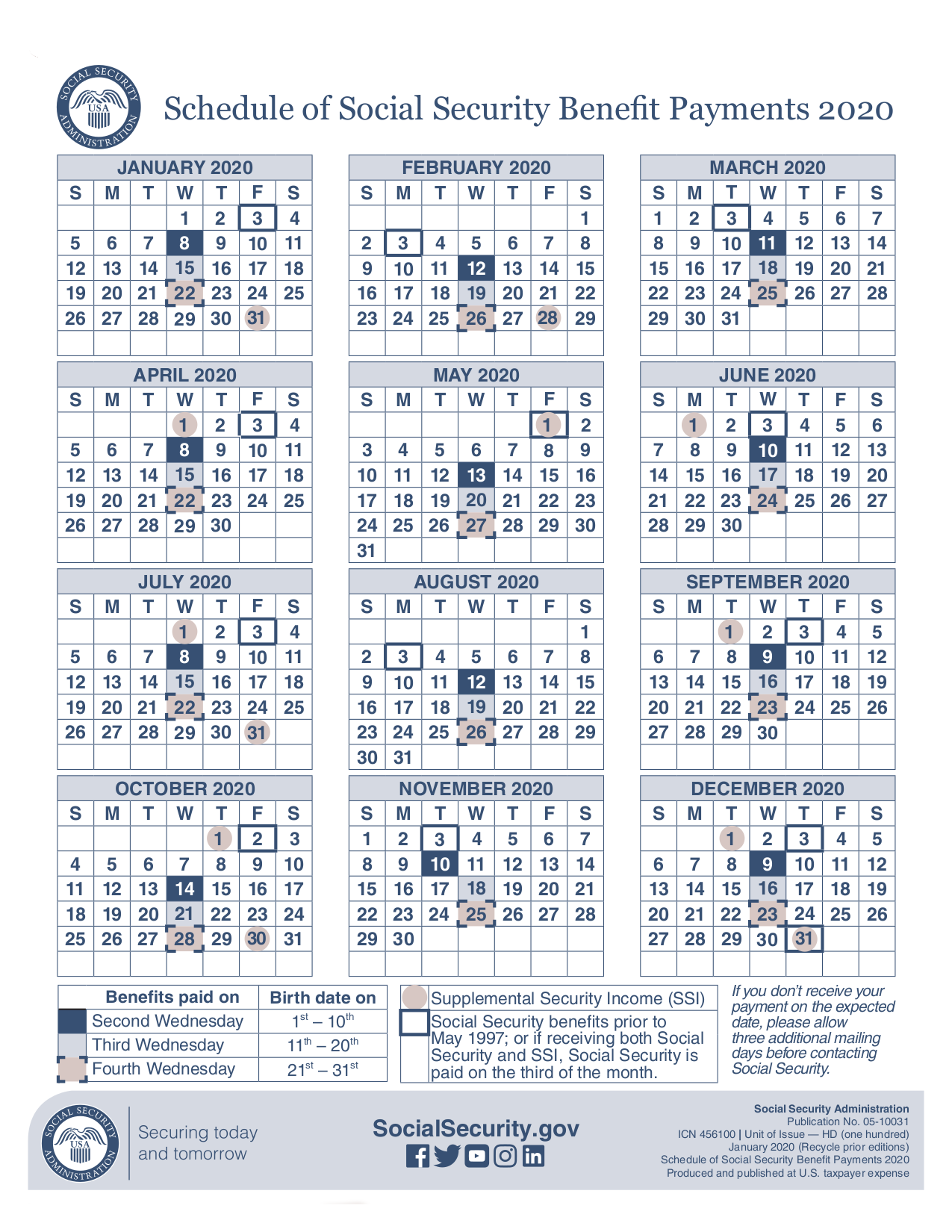
The most common schedule for Social Security benefits ties the payment date to the beneficiary’s day of birth. This system ensures an even distribution of payments throughout the month, preventing an overwhelming influx of transactions on a single day.
-
First Wednesday of the Month: Beneficiaries born between the 1st and 10th of their birth month typically receive their payments on the second Wednesday of the month. This allows for a smooth processing window after the first week.
-
Second Wednesday of the Month: For those born between the 11th and 20th of their birth month, payments are generally deposited on the third Wednesday of the month.
-
Third Wednesday of the Month: Individuals born between the 21st and 31st of their birth month usually see their benefits deposited on the fourth Wednesday of the month.
This structured approach helps both the SSA and financial institutions manage the high volume of transactions.
Special Cases and Exceptions
While the birthdate-based schedule covers the majority of recipients, several exceptions and special rules apply:
-
Benefits Before May 1997: If you started receiving Social Security benefits before May 1997, your payment will typically arrive on the 3rd of each month, regardless of your birthdate. This older system remains in place for long-term beneficiaries.
-
Supplemental Security Income (SSI) Recipients: SSI payments follow a different schedule. They are usually deposited on the 1st of each month. SSI is a needs-based program for low-income individuals who are elderly, blind, or disabled.
-
Receiving Both SSI and Social Security: If you receive both SSI and Social Security benefits, you will typically receive your SSI payment on the 1st of the month, and your Social Security payment will follow on the 3rd of the month. This ensures two separate, staggered deposits.
-
Veterans Affairs (VA) Benefits: It’s important to note that VA benefits also operate on their own distinct schedule, usually arriving towards the beginning of the month. If you receive both Social Security and VA benefits, their deposit dates will be separate.
Understanding these distinctions is crucial for anyone receiving multiple types of government benefits.
Holiday and Weekend Impact
Federal holidays and weekends can shift the scheduled payment date. If your payment date (whether it’s the 1st, 3rd, or one of the Wednesdays) falls on a Saturday, Sunday, or federal holiday, your payment will be moved to the preceding business day.
For example:
-
If the 3rd of the month falls on a Saturday, the payment will be deposited on Friday the 2nd.
-
If a scheduled Wednesday payment falls on a federal holiday, the payment will typically be deposited on the Tuesday before.
This adjustment ensures that beneficiaries receive their funds without undue delay, as banks are closed on weekends and federal holidays. It’s always a good practice to check the federal holiday calendar, especially around major holidays, to anticipate any shifts in your payment schedule.
The “Time” Factor: Why It’s Not a Specific Hour
While the date of your Social Security direct deposit is predictable, the exact time of day it hits your account can vary significantly. This is a common point of confusion and frustration, as many beneficiaries understandably want to know precisely when they can access their funds.
Bank Processing Times
The primary reason for the variability in deposit times lies with your financial institution’s processing procedures. The Social Security Administration sends electronic payment instructions (via the Automated Clearing House, or ACH network) to banks on the scheduled payment date. However, each bank then takes time to process these incoming transactions and post them to individual accounts.
-
ACH Network Rules: The ACH network processes transactions in batches. While the SSA initiates the transfer on the payment date, banks typically receive these files throughout the night and early morning on the designated day.
-
Internal Bank Policies: Different banks have different policies for when they “release” or post these funds to customer accounts. Some banks might post deposits in the very early hours of the morning (e.g., 12:01 AM local time), while others might not make the funds available until later in the business day (e.g., 6:00 AM, 9:00 AM, or even noon). This can depend on their internal systems, cut-off times, and fraud prevention measures.
-
“Pending” Status: Often, you might see a “pending” direct deposit in your online banking account before it becomes fully available. This indicates that the bank has received the instruction but has not yet fully processed and released the funds for use. The time it remains in a pending status also varies by bank.
Essentially, the SSA has done its part by the scheduled date, but your bank controls the final availability of the funds in your account.
Variability Across Financial Institutions
The differences in processing times are not just theoretical; they are a practical reality.
-
Larger Banks vs. Smaller Institutions: Major national banks often have highly automated systems that can post deposits quickly. Smaller banks and credit unions might have slightly different processing cycles. However, this isn’t a hard and fast rule; some smaller institutions pride themselves on early posting.
-
Early Access Programs: Some financial institutions, particularly online banks or fintech companies, offer “early access” to direct deposits. This means they might make funds available a day or even two days before the official SSA payment date. This is a service offered by the bank, not a change in the SSA’s schedule. The bank effectively fronts the money to the customer, knowing the official payment is coming. If early access is important to you, it’s worth inquiring with potential banks about this feature.
-
Your Account History: In rare cases, your individual account history or status (e.g., overdraft history) might theoretically influence when funds are made available, though for most direct deposits, this is less common.
Therefore, the “what time” question is best answered by checking with your specific bank or observing your past deposit patterns. What holds true for one person’s bank might not apply to another’s.
Accessing and Managing Your Benefits
Effectively managing your Social Security benefits means more than just knowing when they arrive; it also involves setting up proper channels for receipt and monitoring.
Setting Up or Changing Direct Deposit
Direct deposit is the safest and most reliable way to receive your Social Security benefits. By law, the U.S. Department of the Treasury requires all federal payments to be made by direct deposit or through a Direct Express® debit card.
-
Why Direct Deposit?
-
Security: Eliminates the risk of lost or stolen paper checks.
-
Convenience: Funds are automatically in your account; no trip to the bank is required.
-
Speed: Funds are available sooner than with paper checks.
-
Reliability: Payments are consistent and rarely encounter issues.
-
-
How to Enroll or Change:
-
Online: The easiest way is through your personal “my Social Security” account on the SSA website (www.ssa.gov). You can sign up or change your direct deposit information in minutes.
-
By Phone: Call the SSA at 1-800-772-1213 (TTY 1-800-325-0778).
-
In Person: Visit your local Social Security office.
-
Through Your Bank: Many banks can help you set up direct deposit.
-
Information Needed: You’ll need your bank’s routing number and your bank account number.
-
Ensure that all information provided is accurate to avoid any delays or misdirected payments.
Monitoring Your Payments
Even with direct deposit, it’s prudent to keep an eye on your account to confirm the arrival of your benefits.
-
“my Social Security” Account: Your online “my Social Security” account is an invaluable tool. It allows you to:
-
Check your payment history.
-
Verify your next payment date.
-
Update your contact information.
-
Manage your direct deposit details.
-
-
Online Banking/Mobile Apps: Most banks offer online banking portals and mobile apps where you can check your account balance and transaction history 24/7. This is the quickest way to see if your payment has been posted.
-
Bank Statements: While less immediate, reviewing your monthly bank statements is another way to confirm payments.
-
When to Check: It’s reasonable to check your account on the morning of your scheduled payment date. If the funds aren’t there by early afternoon, it’s usually not a cause for immediate alarm, but if they haven’t appeared by the end of the business day, you might consider investigating.
Proactive monitoring helps you quickly identify any potential issues and address them.
What to Do If Your Payment Is Delayed or Missing
While direct deposit is highly reliable, occasional delays or missing payments can occur. Knowing the right steps to take can prevent unnecessary stress and help resolve the issue swiftly.
First Steps: Check Your Bank
Before contacting the Social Security Administration, perform a few checks with your financial institution:
-
Verify the Date: Double-check the calendar to ensure you’re looking at the correct payment date, taking into account any federal holidays or weekends that might have shifted it.
-
Check Your Bank Account Details: Log into your “my Social Security” account or review previous correspondence to ensure the bank routing number and account number on file with the SSA are correct. A simple typo could lead to misdirection.
-
Contact Your Bank: If the payment isn’t in your account by the end of the scheduled payment day, contact your bank directly. They can verify if an incoming deposit was received or if there’s any hold on your account. Ask them if they received an ACH credit from the U.S. Treasury for your expected amount.
Often, delays are minor bank processing issues that resolve themselves within a few hours or the next business day.
Contacting the Social Security Administration
If your bank confirms they have not received the payment, or if several business days have passed since the expected deposit date, it’s time to contact the SSA.
-
When to Call: The SSA generally advises waiting at least three business days after the expected payment date before reporting a missing payment. This allows for any final bank processing or minor administrative delays to clear.
-
Information to Have Ready: When you call, be prepared with:
-
Your Social Security number.
-
Your full name and contact information.
-
The expected payment date and amount.
-
Your bank’s name and contact information, and confirmation from your bank that they did not receive the deposit.
-
-
Reasons for Delay: The SSA can investigate if the payment was sent, if there was an error in their system, or if your benefits have been suspended for any reason (e.g., due to reporting changes in income, status, or an outstanding overpayment).
The SSA’s phone number is 1-800-772-1213 (TTY 1-800-325-0778), and they are available Monday through Friday.
Protecting Yourself from Scams
It’s vital to remain vigilant against scams. The Social Security Administration will never:
-
Threaten you with arrest or legal action if you don’t pay money immediately.
-
Demand payment using gift cards, wire transfers, or cryptocurrency.
-
Ask for your personal information (Social Security number, bank details) in unsolicited emails, texts, or social media messages.
If you receive a suspicious call, email, or text claiming to be from the SSA, do not respond. Hang up, delete the message, and report it to the Office of the Inspector General (OIG) at oig.ssa.gov. Always initiate contact with the SSA through their official channels if you have concerns about your benefits.

Conclusion
The question “what time does Social Security direct deposit” highlights a common need for clarity around financial processes. While the specific date of your Social Security direct deposit is largely predictable based on your birthdate and other factors, the exact time it appears in your bank account is primarily determined by your financial institution’s processing schedule. This variability means that funds might be available anywhere from midnight to later in the morning on your designated payment day.
For millions of beneficiaries, direct deposit remains the most efficient, secure, and reliable method for receiving Social Security benefits. By understanding the SSA’s payment schedule, knowing your bank’s typical processing times, and utilizing online tools like the “my Social Security” account, you can effectively monitor and manage your funds. In the rare event of a delay, a clear understanding of the steps to take—starting with your bank and then contacting the SSA—ensures that any issues can be resolved promptly, allowing you to maintain peace of mind and financial stability.
aViewFromTheCave is a participant in the Amazon Services LLC Associates Program, an affiliate advertising program designed to provide a means for sites to earn advertising fees by advertising and linking to Amazon.com. Amazon, the Amazon logo, AmazonSupply, and the AmazonSupply logo are trademarks of Amazon.com, Inc. or its affiliates. As an Amazon Associate we earn affiliate commissions from qualifying purchases.