
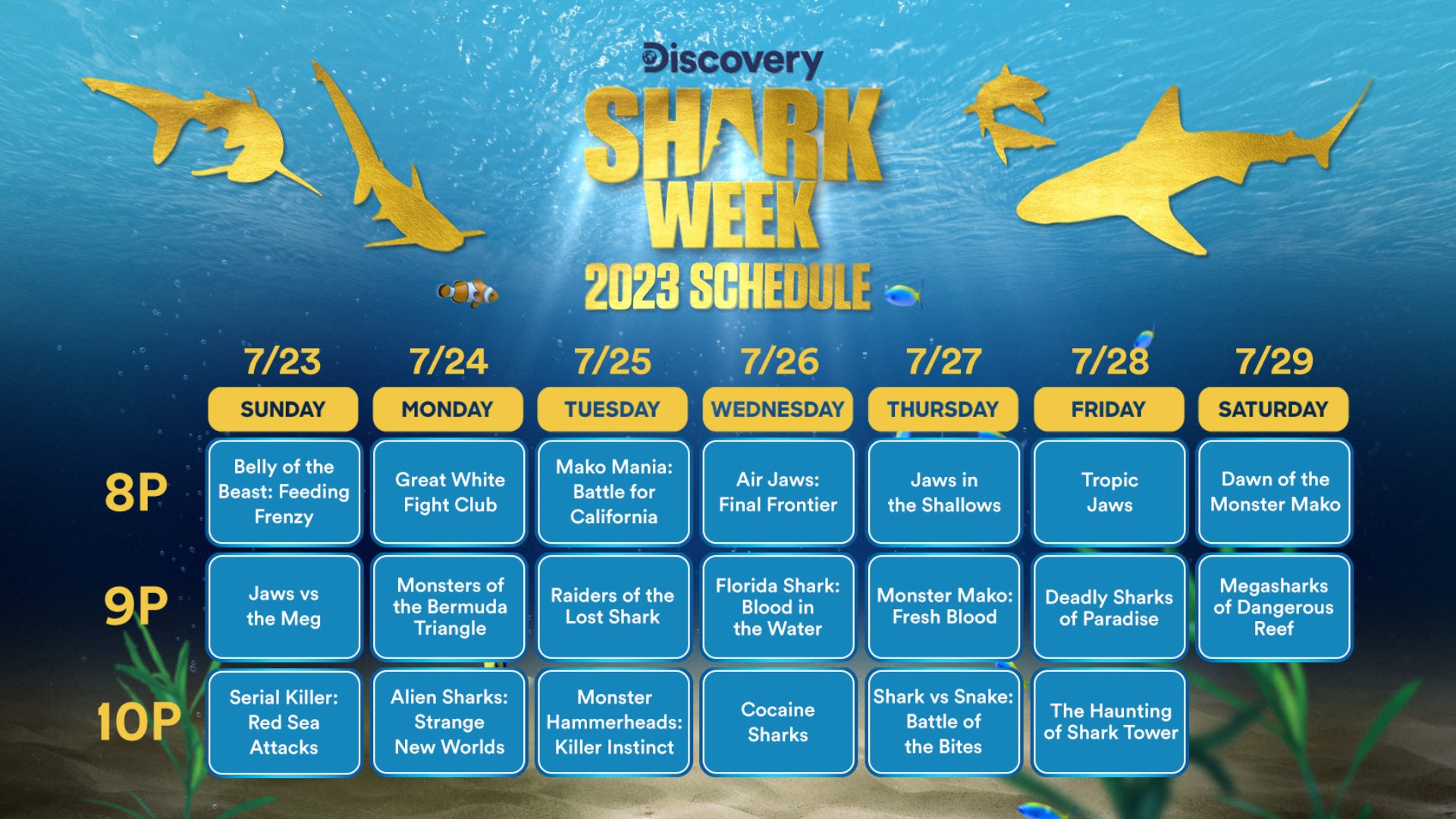
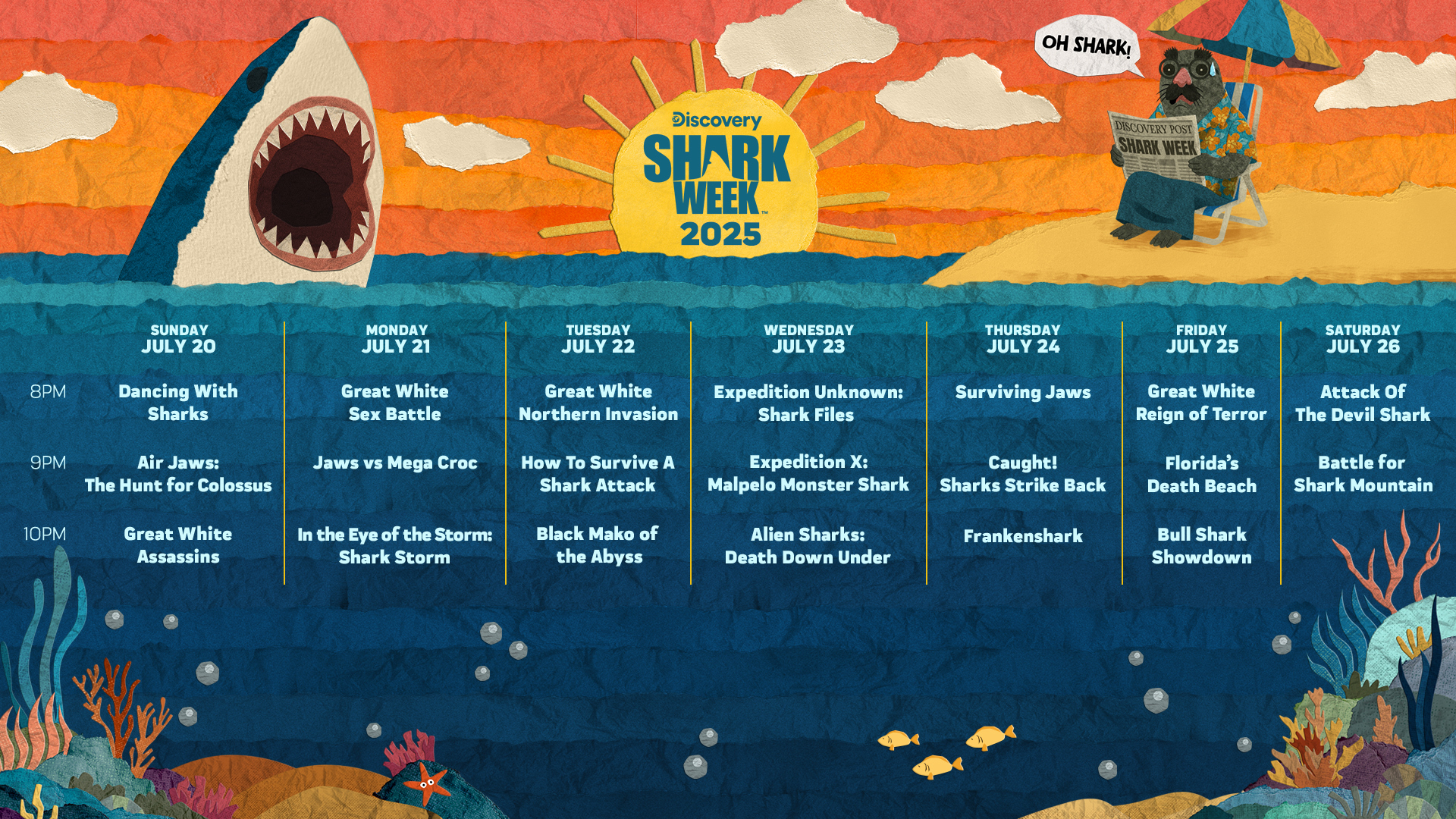
For millions of viewers across the globe, the question “what time does shark week start?” is more than a simple inquiry about a television schedule. It is the beginning of a coordinated cultural ritual that has been meticulously engineered over decades. Since its inception in 1988, Shark Week has evolved from a simple programming block on the Discovery Channel into a masterclass in brand strategy, event marketing, and multi-platform audience engagement. To understand the “time” it starts is to understand the precise synchronization of marketing gears that turn months in advance to ensure a global takeover of the domestic and digital landscape.
In the modern media environment, where attention is the most valuable currency, Shark Week represents one of the most successful examples of “eventized” content. It demonstrates how a brand can claim a specific slot in the calendar, dominate the conversation, and drive massive revenue through a combination of thematic consistency and innovative adaptation. This analysis explores the brand architecture behind the phenomenon, examining how Discovery transformed a niche interest into a seasonal powerhouse.
The Cultural Clock: How Shark Week Became a Seasonal Powerhouse
The literal answer to what time the event begins—typically 8:00 PM ET on a Sunday in mid-summer—is only the tip of the iceberg. From a brand strategy perspective, Shark Week starts months earlier through “temporal branding.” By anchoring the event to the summer season, Discovery has successfully associated the brand with the very concept of “summer TV.”
Temporal Branding: Owning a Specific Time of Year
Most brands struggle to find a permanent place in the consumer’s internal calendar. Retailers have Black Friday, and sports leagues have the Super Bowl, but few media properties have managed to own a week of the year as effectively as Shark Week. This is a deliberate strategy known as temporal branding. By consistently launching in late July or early August, the brand taps into the seasonal psychology of its audience.
During this period, school is out, the weather is warm, and the collective consciousness is already focused on the ocean and outdoor activities. By aligning its brand identity with these existing environmental cues, Discovery reduces the friction of audience acquisition. The “start time” becomes a mental bookmark for the consumer, a predictable return to a familiar brand experience that signals the peak of the summer season.
Consistency and Longevity in Marketing
The longevity of the brand is its greatest asset. For over 35 years, the messaging has remained remarkably consistent: awe, danger, science, and spectacle. This consistency builds “brand equity,” a value that allows Discovery to spend less on explaining what Shark Week is and more on how this year will be bigger than the last. In a fragmented media market where new shows are canceled within weeks, the endurance of Shark Week provides a stable anchor for the network’s corporate identity, proving that a well-defined niche can be scaled into a global mainstream event.
Multi-Platform Engagement: Beyond the Television Screen
When asking what time the event starts, one must also look at the digital landscape. In the current era of “second-screen” viewing, the brand does not just exist on linear television; it permeates social media, mobile apps, and streaming platforms simultaneously. The brand strategy here is one of total immersion.
Social Media Domination and Virality
Shark Week is a case study in how a legacy media brand can successfully pivot to social-first marketing. The strategy involves creating “snackable” content—high-speed footage of breaches, terrifying close-ups, and humorous memes—that begins circulating weeks before the first episode airs. By the time the clock hits 8:00 PM on opening night, the brand has already trended on platforms like X (formerly Twitter), TikTok, and Instagram.
The brand voice used on these platforms is a blend of authoritative science and playful entertainment. This dual-identity allows the brand to appeal to both serious marine biology enthusiasts and casual viewers looking for “jaw-dropping” visuals. By encouraging user-generated content and using specific hashtags, the brand transforms its audience from passive viewers into active promoters, effectively crowdsourcing its marketing reach.
Brand Partnerships and Co-Branded Content
The “start” of Shark Week is also signaled by the appearance of sharks in unexpected places: on the side of Southwest Airlines planes, in the aisles of grocery stores through partnerships with snack brands, or in tie-ins with major automotive manufacturers like Jeep. These strategic alliances are essential to the brand’s footprint.
These partnerships are not merely advertisements; they are brand extensions. When a consumer sees a Shark Week-themed display at a retail outlet, the “start time” of the event is reinforced in their mind. For the partner brands, the association provides an injection of excitement and “cool factor,” while for Discovery, it provides millions of dollars in earned media and physical touchpoints that a television screen cannot offer.
Content as Brand Identity: The Evolution of Storytelling
A brand is only as strong as the product it delivers. The reason people care about what time the programming begins is that Discovery has mastered a specific type of narrative arc. Over the years, the brand has navigated the difficult balance between scientific education and “edutainment.”
Balancing Education with Entertainment
The core of the Shark Week brand identity is the shark itself—an apex predator that evokes both fear and fascination. Discovery has carefully curated this identity to ensure it doesn’t become a one-note horror show. By integrating conservation efforts and legitimate scientific research into the programming, the brand positions itself as a steward of the ocean.
This “purpose-driven branding” is crucial for modern consumers, particularly Gen Z and Millennials, who prefer brands that align with their values. When the brand highlights the importance of shark conservation, it elevates the event from mere entertainment to a global cause. This transition strengthens the brand’s authority and ensures that the “start” of the week is seen as a culturally significant moment rather than just a commercial endeavor.
Leveraging Star Power for Audience Expansion
In recent years, the brand strategy has shifted toward incorporating “mega-influencers” and celebrities to broaden the demographic. From Michael Phelps racing a digital shark to appearances by Shaquille O’Neal and John Cena, these celebrity endorsements serve as “on-ramps” for viewers who might not otherwise watch a nature documentary.
The strategy is clear: use the celebrity’s personal brand to validate the Shark Week brand. When a celebrity asks their followers “what time does Shark Week start?”, they are lending their massive reach to the event, effectively acting as a bridge between disparate fan bases.
The Business of Fear and Fascination: Monetizing a Concept
Underpinning the creative strategy is a robust financial model. The brand is a powerhouse of monetization, transforming high viewership into a multi-stream revenue engine. The start of the week marks the climax of a massive fiscal cycle for the network.
Advertising and Prime-Time Real Estate
Because Shark Week is a rare example of “appointment viewing” in the age of DVR and on-demand streaming, Discovery can command premium advertising rates. Advertisers are willing to pay a surplus because they know the audience is watching live, which means they are less likely to skip commercials. The “start time” is, therefore, a high-stakes moment for the network’s sales team.
The integration of “native advertising” within the programs—where sponsors’ products are used by the researchers or hosts—further monetizes the content without disrupting the viewer’s experience. This seamless blend of branding and content is the gold standard of modern marketing.
Merchandising and Physical Brand Presence
Beyond the screen, the Shark Week brand lives in the form of apparel, toys, and home goods. Merchandising serves two purposes: it provides a direct revenue stream and acts as a walking advertisement for the brand. When a child wears a Shark Week t-shirt, they are a brand ambassador. The strategy here is to extend the brand’s lifespan beyond the seven days of programming, turning a one-week event into a year-round lifestyle brand.
Lessons for Modern Marketers from the Shark Week Playbook
The success of Shark Week provides several key takeaways for brand strategists and marketers in any industry. First, it proves the power of “theming.” By grouping content under a singular, powerful theme, a brand can create a sense of urgency and magnitude that individual releases cannot achieve.
Second, it highlights the importance of “brand agility.” Discovery has not been afraid to change its approach—moving from purely educational content to more sensationalist fare, and then pivoting back toward conservation when the audience demanded it. This ability to listen to the market and adjust the brand narrative is what keeps a 35-year-old property feeling fresh.
Finally, the phenomenon shows that the question “what time does it start?” is the ultimate KPI (Key Performance Indicator). If your audience is actively seeking out the start time of your next marketing initiative, you have succeeded in moving from a service provider to a cultural event. Shark Week is not just a collection of documentaries; it is a meticulously managed brand that understands the value of timing, the necessity of multi-platform presence, and the enduring power of a good story. As the clock ticks toward 8:00 PM, the brand stands ready to once again prove that in the deep ocean of media, the biggest shark always wins.
aViewFromTheCave is a participant in the Amazon Services LLC Associates Program, an affiliate advertising program designed to provide a means for sites to earn advertising fees by advertising and linking to Amazon.com. Amazon, the Amazon logo, AmazonSupply, and the AmazonSupply logo are trademarks of Amazon.com, Inc. or its affiliates. As an Amazon Associate we earn affiliate commissions from qualifying purchases.