
The traditional image of the stock market involves a frantic opening bell at 9:30 AM Eastern Time, signaling the start of a chaotic day of buying and selling. However, for the modern investor, the market never truly sleeps. Long before the floor of the New York Stock Exchange (NYSE) hums to life, a digital landscape of trading is already well underway. This period, known as premarket trading, offers a unique window of opportunity and risk for those looking to capitalize on news and trends before the general public enters the fray.
Understanding what time premarket trading starts and how it functions is essential for any serious investor or day trader. While the core hours of the U.S. stock market are fixed, the “extended-hours” session—which includes both premarket and after-hours trading—operates under a different set of rules, participants, and risks.
The Official Start Times for Premarket Trading
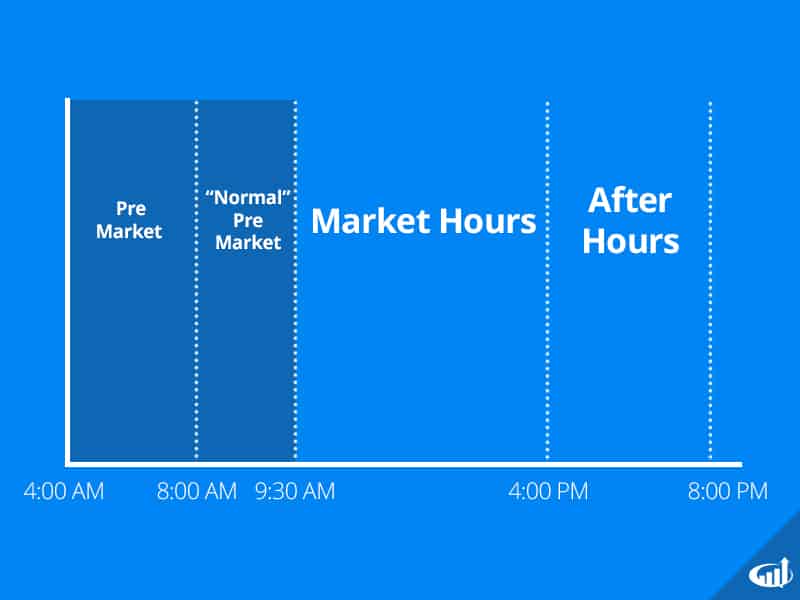
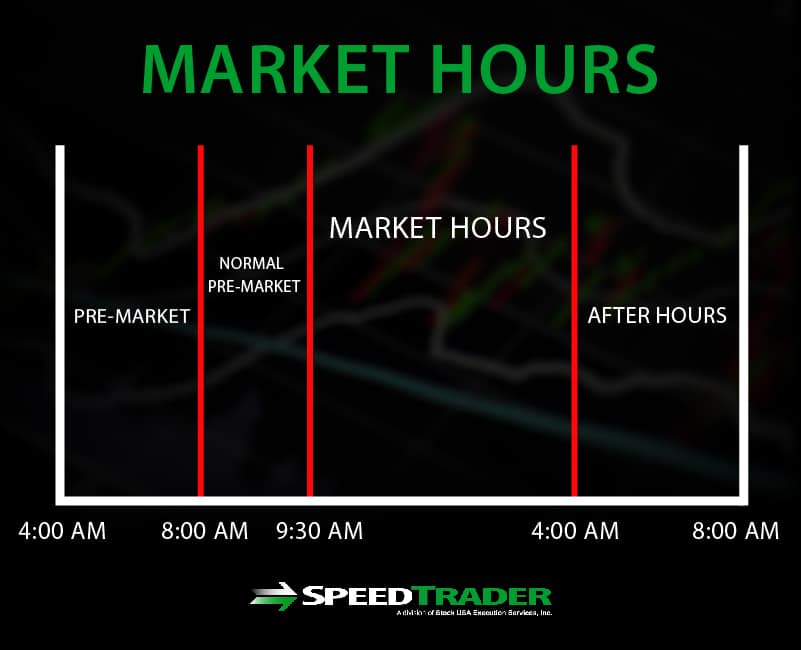
In the United States, premarket trading officially begins as early as 4:00 AM Eastern Time (ET) and runs until the regular market opens at 9:30 AM ET. However, it is important to distinguish between when the exchanges allow trading and when individual brokerage firms permit their clients to participate.
Exchange Hours vs. Brokerage Access
While the major Electronic Communication Networks (ECNs) that facilitate these trades begin humming at 4:00 AM, not every investor has access at that hour. Most retail brokerages offer a more condensed window for their users. For example, some popular platforms may only allow premarket trading starting at 7:00 AM or 8:00 AM ET.
The most active period of the premarket session typically occurs between 8:00 AM and 9:30 AM ET. This is when institutional investors and high-frequency trading algorithms begin to react to morning news cycles, economic data releases, and overnight developments from international markets in Europe and Asia.
Regional Variations and Global Context
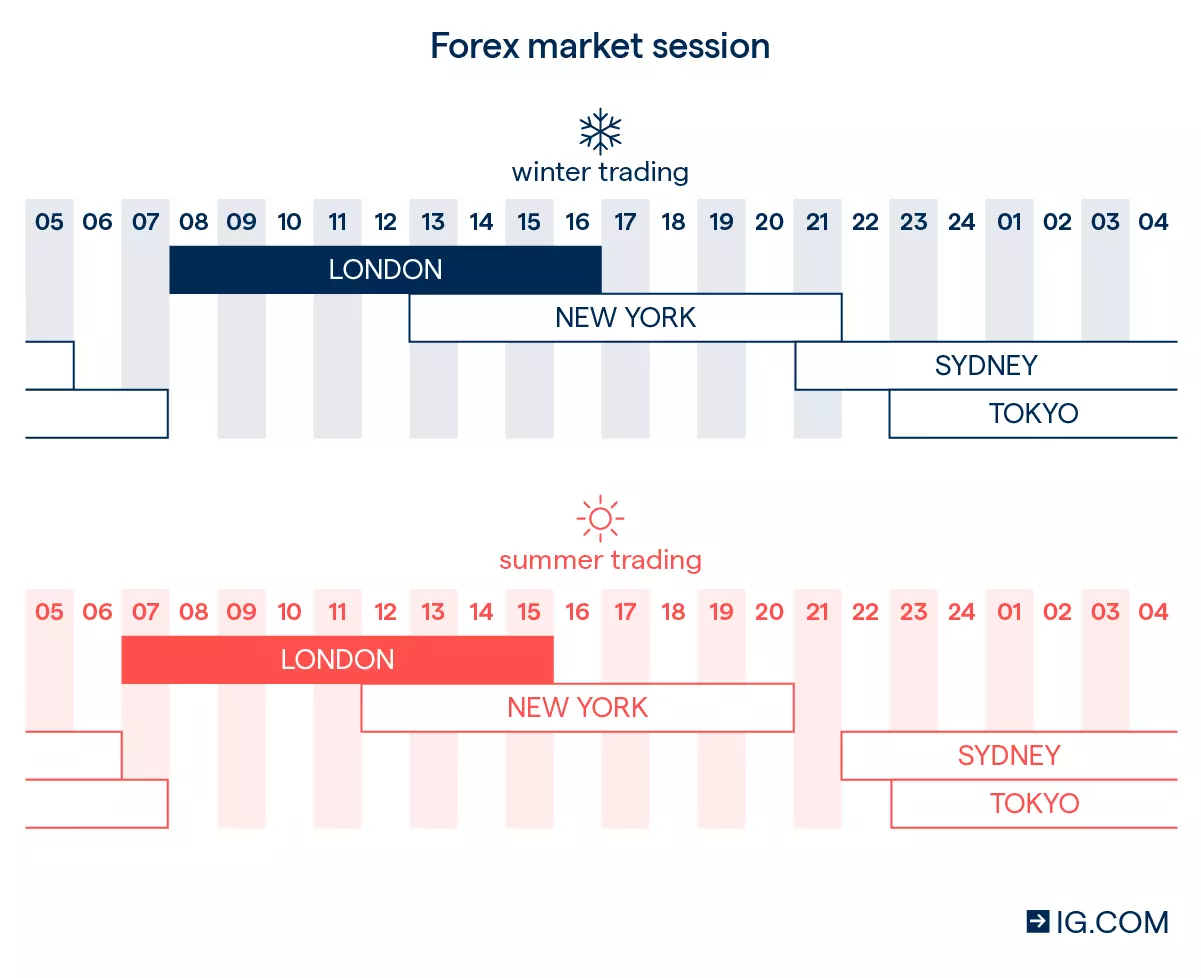
For investors located outside the Eastern Time zone, these hours can be quite demanding. A trader in Los Angeles must be at their desk by 1:00 AM PT to catch the very beginning of the session. Conversely, European traders find the U.S. premarket sessions align well with their mid-day schedules. Regardless of your physical location, the market adheres strictly to the Eastern Time clock, as that is the heartbeat of the American financial system.
Why Investors Participate in Premarket Sessions
The primary motivation for trading before the opening bell is the ability to react to information in real-time. Markets are sensitive to news, and news rarely waits for the 9:30 AM bell.
Reacting to Earnings Reports
One of the most significant drivers of premarket activity is the “earnings season.” While many companies report their quarterly results after the market closes, a substantial number choose to release their data early in the morning, typically around 7:00 AM or 8:00 AM ET. Investors who wait until the official open to trade these stocks often find that the price has already adjusted significantly, missing out on the initial move. Premarket trading allows investors to position themselves immediately after the numbers hit the wire.
Economic Data Releases
The U.S. government and various private institutions frequently release critical economic indicators—such as the Consumer Price Index (CPI), unemployment rates, and Gross Domestic Product (GDP) updates—at 8:30 AM ET. These reports can cause massive swings in the S&P 500, Treasury yields, and individual sectors. Being active in the premarket allows traders to hedge their positions or speculate on the immediate market reaction to these macroeconomic catalysts.
Overnight International Developments
In a globalized economy, events in the Nikkei in Japan or the FTSE in London can have a direct impact on U.S. listed companies. If a major geopolitical event occurs overnight, the premarket is the first opportunity for U.S.-based investors to recalibrate their portfolios before the standard session begins.
The Mechanics and Risks of Early Morning Trading
Trading in the premarket is fundamentally different from trading during regular hours. Because the volume of participants is significantly lower, the environment is much more volatile and less predictable.
Limited Liquidity and Wide Spreads
Liquidity refers to the ease with which an asset can be bought or sold without affecting its price. During the regular session, millions of shares change hands, creating a “tight” bid-ask spread (the difference between the highest price a buyer is willing to pay and the lowest price a seller is willing to accept).
In the premarket, there are fewer participants. This lack of liquidity often leads to “wide” spreads. For instance, a stock might be quoted at $50.00 bid and $50.50 ask. If you buy at the ask and immediately try to sell, you have already lost 1% of your value due to the spread alone. This environment requires a high degree of precision and patience.
The Requirement of Limit Orders
Due to the volatility and lack of liquidity, almost all brokerages require the use of “limit orders” during premarket sessions. Unlike a “market order,” which executes your trade at the best available current price, a limit order specifies the exact price you are willing to pay or receive. This protects investors from “slippage,” where a trade executes at a price significantly worse than expected due to a sudden spike or drop in a low-volume environment.
The “Head Fake” Phenomenon
One of the greatest risks in premarket trading is the “head fake.” It is common to see a stock jump 5% in the premarket on low volume, only for the price to crash back down once the regular session opens and the “real” liquidity arrives. Because a small number of trades can move the price disproportionately in the early hours, premarket price action is not always a reliable indicator of where the stock will trade during the day.
Choosing the Right Platform for Premarket Access
Not all financial tools are created equal when it comes to extended-hours trading. If you intend to incorporate premarket analysis or execution into your investment strategy, your choice of brokerage is paramount.
Full-Service vs. Discount Brokers
Institutional-grade platforms like Interactive Brokers or specialized trading firms often provide the earliest access (4:00 AM ET) and more robust routing options. These platforms allow you to see the “Level 2” market depth, showing you exactly how many shares are being bid or offered at various price points across different ECNs.
Mainstream retail brokers like Charles Schwab, Fidelity, or E*TRADE have significantly improved their offerings, now providing most users with access to premarket trading through a simple toggle in the order window. However, the user must often manually enable “extended hours” trading in their account settings and sign a disclosure acknowledging the risks of low liquidity.
Mobile Apps and Modern Fintech
The rise of fintech apps like Robinhood and Webull has democratized premarket access. Webull, for instance, gained significant popularity by offering full access from 4:00 AM to 8:00 PM ET, catering specifically to the retail day-trading community. When selecting a platform, consider not just the start time, but also the fees (commissions) and the quality of the execution. In a low-liquidity environment, even a small delay in order routing can result in a missed opportunity.
Strategic Considerations for Premarket Success
To succeed in premarket trading, an investor must move away from impulsive reactions and toward a structured, disciplined approach.
Focus on High-Volume “Gappers”
A “gapper” is a stock that is showing a significant price difference from its previous day’s close. Experienced traders often scan the premarket for stocks with unusually high relative volume. If a stock typically trades 1 million shares a day but has already traded 500,000 shares by 8:00 AM, it indicates institutional interest and a higher likelihood that the premarket trend will carry over into the regular session.
Use Technical Indicators With Caution
Traditional technical indicators like Moving Averages or the Relative Strength Index (RSI) can be misleading in the premarket because they are based on fewer data points. Volume-Weighted Average Price (VWAP) is often considered a more reliable tool during these hours, as it provides a benchmark for the average price a security has traded at throughout the morning based on both volume and price.
Risk Management and Position Sizing
Because of the inherent volatility, seasoned investors often reduce their position sizes during the premarket. If you typically trade 1,000 shares of a stock during the regular session, you might only trade 200 or 300 shares in the premarket. This allows you to participate in the move while limiting your exposure to the “stop-hunting” and erratic price swings that characterize the early hours.
In conclusion, while the official start time for premarket trading is 4:00 AM ET, the window of opportunity for most investors opens between 7:00 AM and 8:00 AM ET. It is a period defined by high stakes and high information flow. By understanding the mechanics of ECNs, the necessity of limit orders, and the impact of morning news catalysts, you can transform the premarket from a source of uncertainty into a powerful tool for financial growth. Whether you are hedging a long-term position or looking for a quick scalp, the hours before the bell are where the day’s most important stories often begin.
aViewFromTheCave is a participant in the Amazon Services LLC Associates Program, an affiliate advertising program designed to provide a means for sites to earn advertising fees by advertising and linking to Amazon.com. Amazon, the Amazon logo, AmazonSupply, and the AmazonSupply logo are trademarks of Amazon.com, Inc. or its affiliates. As an Amazon Associate we earn affiliate commissions from qualifying purchases.