
For the modern investor, the concept of a “weekend” is increasingly fluid. While the traditional New York Stock Exchange (NYSE) and Nasdaq operate on a strict Monday-through-Friday schedule, the global financial machine never truly grinds to a complete halt. If you are asking what time premarket opens on Sunday, you are likely looking for the moment when the first ripples of price action begin to hit the screens, signaling how the market has reacted to weekend news, geopolitical shifts, or economic data releases.
Technically, the standard equity premarket—the one where you buy and sell shares of companies like Apple or Tesla—does not open on Sunday. However, the broader financial markets, specifically the futures and commodities markets, come to life on Sunday evening. Understanding this distinction is critical for any trader or investor who wants to gain a competitive edge before the opening bell on Monday morning.
The Sunday Evening Open: When the Financial Week Truly Begins
While the average retail investor waits for Monday morning, institutional players and active traders are watching their screens on Sunday evening. The true “opening” of the financial week occurs at 6:00 PM Eastern Time (ET) on Sunday.
The CME Globex Schedule
The most significant catalyst for Sunday activity is the opening of the Chicago Mercantile Exchange (CME) Globex electronic trading platform. At exactly 6:00 PM ET, futures contracts for major indices—including the S&P 500 (ES), the Nasdaq 100 (NQ), and the Dow Jones Industrial Average (YM)—begin trading.
This is the moment when the “Sunday Gap” is formed. Because the markets have been closed since Friday afternoon, any major news that occurred over the weekend—such as an unexpected election result, a central bank announcement, or a geopolitical conflict—is priced into the market all at once. This often results in the futures opening significantly higher or lower than where they closed on Friday, creating a visual gap on the charts. This Sunday night session is the first real indicator of market sentiment for the coming week.
Why Individual Stocks Stay Dark
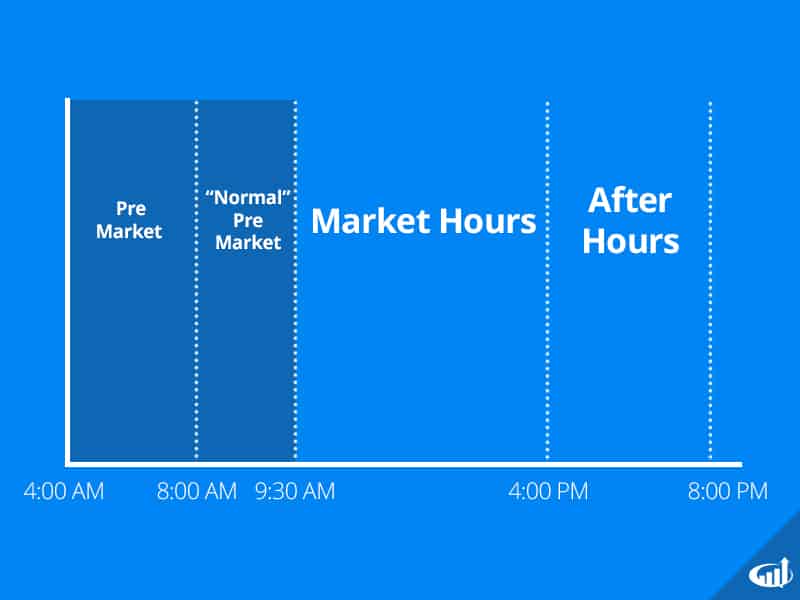
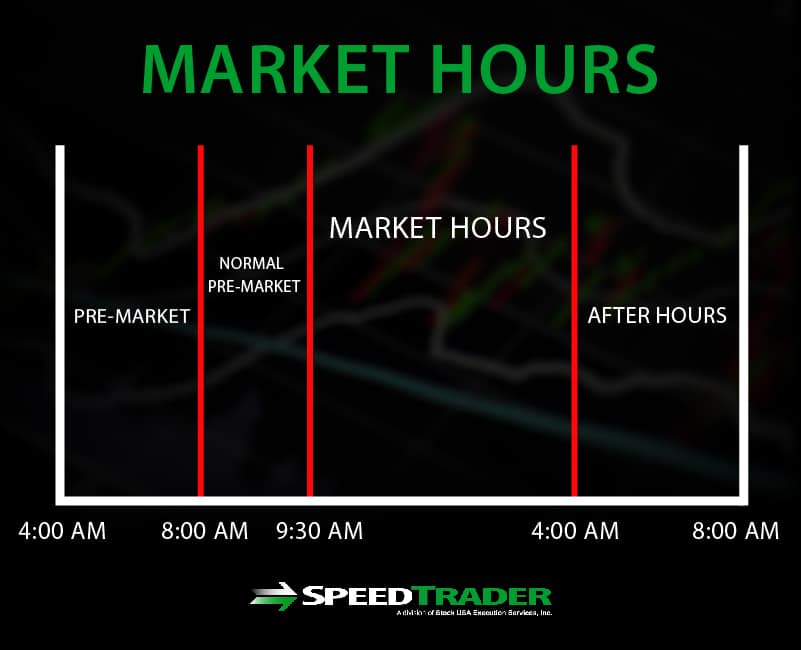
It is important to differentiate between index futures and individual stocks. If you use a standard brokerage like E*TRADE, Charles Schwab, or Fidelity, you will find that you cannot trade individual stocks on Sunday. The equity premarket for these platforms typically begins at 4:00 AM ET on Monday morning.
The reason for this is structural. Individual stock trading relies on market makers and electronic communication networks (ECNs) that primarily operate during the work week. Futures, on the other hand, are designed for global risk management and require longer hours to accommodate international participants in different time zones. Therefore, while you can see how the “market” is doing via futures on Sunday night, you generally have to wait until Monday to execute trades on specific equity tickers.
Navigating the Sunday “Gap”: Strategy and Sentiment
For many investors, Sunday night is a time for reconnaissance rather than execution. The hours between the 6:00 PM ET open and the 9:30 AM ET Monday opening bell provide a wealth of information that can dictate a trading plan for the week.
Identifying Weekend Catalysts
The Sunday open acts as a pressure valve for the news cycle. Over a 48-hour weekend, the world continues to move. When the futures market opens, it provides a quantitative measurement of how the professional trading community perceives recent events.
For instance, if a major tech company faces a regulatory hurdle on a Saturday, you won’t see its stock price move until Monday. However, if that news is significant enough to affect the broader tech sector, you will see the Nasdaq futures (NQ) drop the moment they open on Sunday night. Savvy investors use this time to gauge whether the market is in a “risk-on” or “risk-off” mood. If futures are deep in the red on Sunday night, it often signals a defensive start to the week, allowing investors to adjust their stop-losses or prepare for potential buying opportunities at lower levels.
The Danger of Low Liquidity
One of the most important things to understand about trading on Sunday night (or observing the movement) is that liquidity is significantly lower than it is during regular business hours. Liquidity refers to the volume of buyers and sellers available at any given price.
When liquidity is low, price movements can be exaggerated. A relatively small sell order can push the price down further than it would during the high-volume Tuesday afternoon session. This can lead to “false breakouts” or “fake-outs,” where the market appears to be crashing or soaring on Sunday night, only to reverse and return to equilibrium by the time the New York session begins on Monday. Understanding this helps investors avoid panic-selling based on volatile Sunday night fluctuations.
Global Interconnectivity: How Tokyo and London Shape Sunday Night
The Sunday evening open in the United States is essentially the Monday morning open for the Eastern Hemisphere. To understand why Sunday night matters, we must look at the “Sun Never Sets” nature of global finance.
The Role of the Asian Session
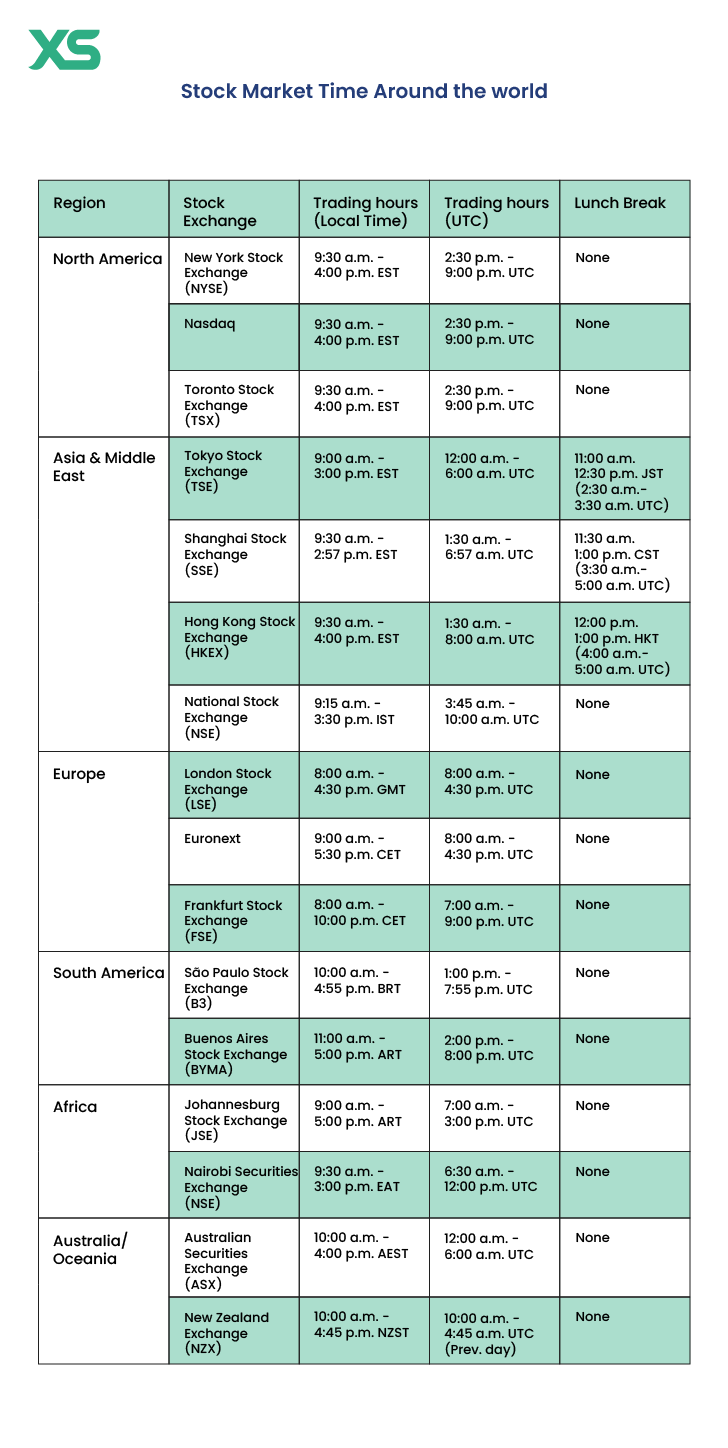
When it is 6:00 PM Sunday in New York, it is already early Monday morning in major financial hubs like Tokyo, Sydney, and Hong Kong. As these markets open, they interact with the U.S. futures markets.
The Nikkei 225 in Japan and the Hang Seng in Hong Kong often take their cues from the U.S. Friday close, but their subsequent movement provides a feedback loop for U.S. traders. If the Asian markets rally strongly while U.S. traders are watching on Sunday night, it provides a bullish tailwind for the U.S. premarket on Monday. This global relay race is why the Sunday night session is often referred to as the “Overseas Open.”
Forex and Commodities: The True 24/5 Markets
While stocks have rigid hours, the Foreign Exchange (Forex) market and commodities like Gold and Oil are even more active on Sunday. The Forex market officially opens at 5:00 PM ET on Sunday, coinciding with the opening of the Sydney session.
Because currencies are traded in pairs (like the EUR/USD), the market needs to be open whenever any major global economy is doing business. This makes Sunday evening the prime time for “macro” investors—those who trade based on interest rates, inflation, and global trade—to establish positions. If you are a stock investor, watching the movement of the U.S. Dollar or Crude Oil on Sunday night can give you a “preview” of how sector-specific stocks (like airlines or energy companies) might perform when their premarket opens the following morning.
Tools and Platforms for Monitoring Sunday Market Activity
If you want to track the markets on Sunday, your standard banking app might not be enough. You need tools that provide real-time data from the futures and global exchanges.
Real-Time Futures Data
Websites like Investing.com, Bloomberg, and CNBC provide free, real-time tracking of S&P 500, Nasdaq, and Dow futures. However, for more technical analysis, platforms like TradingView are the gold standard. TradingView allows you to view the “continuous” contract for futures, showing you exactly how the price transitioned from Friday’s close to Sunday’s open.
Watching the “CME Globex” feed on these platforms is the most accurate way to answer “what time does premarket open on Sunday.” By setting alerts for 6:00 PM ET, you can be notified the moment the first trades of the week are executed.
Sentiment Analysis and Social Signals
In the modern era, market movement isn’t just about numbers; it’s about psychology. On Sunday afternoons, many traders look at “sentiment indicators.” This includes tracking the “Fear & Greed Index” or observing the “Weekend Wall Street” price on platforms like IG Group.
IG Group offers a “Weekend Trading” feature that allows users to trade a synthetic version of the major indices on Saturdays and Sundays. While this isn’t the “real” market, it acts as a very effective sentiment gauge. If “Weekend Wall Street” is trading up 1% on Sunday afternoon, there is a very high probability that the actual futures will open with a bullish gap at 6:00 PM ET.
Preparing Your Portfolio for the Monday Bell
Sunday is not just about watching candles move on a screen; it is about preparation. Use the Sunday evening session to build a bridge between the previous week’s performance and the upcoming week’s goals.
The most successful investors use the Sunday open to perform a “post-mortem” on weekend news. They ask:
-
Did any major geopolitical event occur?
-
Are the futures confirming or defying the trend from Friday?
-
Is the volatility on Sunday night backed by high volume or just “thin” market noise?
By the time the actual equity premarket opens at 4:00 AM ET on Monday, the “Sunday” traders have already done their homework. They aren’t surprised by a 2% gap in their favorite stock; they saw it coming at 6:00 PM the night before.
In summary, while the stock market premarket technically remains closed on Sunday, the financial week begins in earnest at 6:00 PM ET via the futures market. By monitoring this window, you gain a 15-hour head start over the casual investor, allowing you to process information, gauge global sentiment, and enter the Monday session with a clear, informed strategy. Whether you are a day trader looking for volatility or a long-term investor looking for entry points, the Sunday open is an indispensable part of the modern financial calendar.
aViewFromTheCave is a participant in the Amazon Services LLC Associates Program, an affiliate advertising program designed to provide a means for sites to earn advertising fees by advertising and linking to Amazon.com. Amazon, the Amazon logo, AmazonSupply, and the AmazonSupply logo are trademarks of Amazon.com, Inc. or its affiliates. As an Amazon Associate we earn affiliate commissions from qualifying purchases.