
For anyone actively involved in the financial markets, or those considering dipping their toes into the world of investing, understanding the intricacies of trading hours is paramount. Beyond the standard 9:30 AM to 4:00 PM EST window that defines the New York Stock Exchange (NYSE) and NASDAQ’s regular trading sessions, lie the less publicized, yet increasingly influential, extended trading hours: pre-market and after-hours. These periods offer both unique opportunities and distinct challenges, shaping how news impacts stock prices and how global events reverberate through domestic markets. This article delves into the specifics of pre-market trading, exploring its typical opening times, the reasons behind its existence, and the strategic considerations for investors looking to leverage or navigate its environment.
The Fundamentals of Pre-Market Trading
Pre-market trading refers to the period before the official opening bell of the regular trading session. During this time, investors can buy and sell securities, primarily stocks listed on major exchanges, outside of the conventional market hours. While it operates under the same fundamental principles of supply and demand, the dynamics are notably different, driven by various factors that necessitate early price discovery.
Defining Extended Trading Hours
Extended trading hours are broadly categorized into pre-market and after-hours sessions. Pre-market trading typically begins well before the regular market opens, offering a window for participants to react to overnight news, economic data releases, and global market movements. These sessions are facilitated by electronic communication networks (ECNs) and alternative trading systems (ATSs) rather than the traditional exchange floor, allowing for continuous price discovery and order execution beyond the conventional market schedule. It’s an arena where market participants get an early look and the first chance to position themselves before the broader public market opens.
Standard Pre-Market Operating Times for Major Exchanges
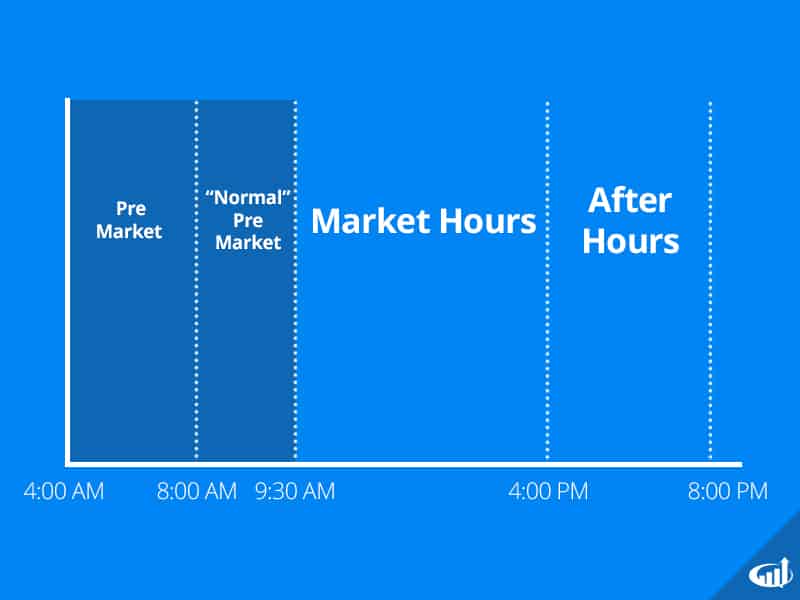
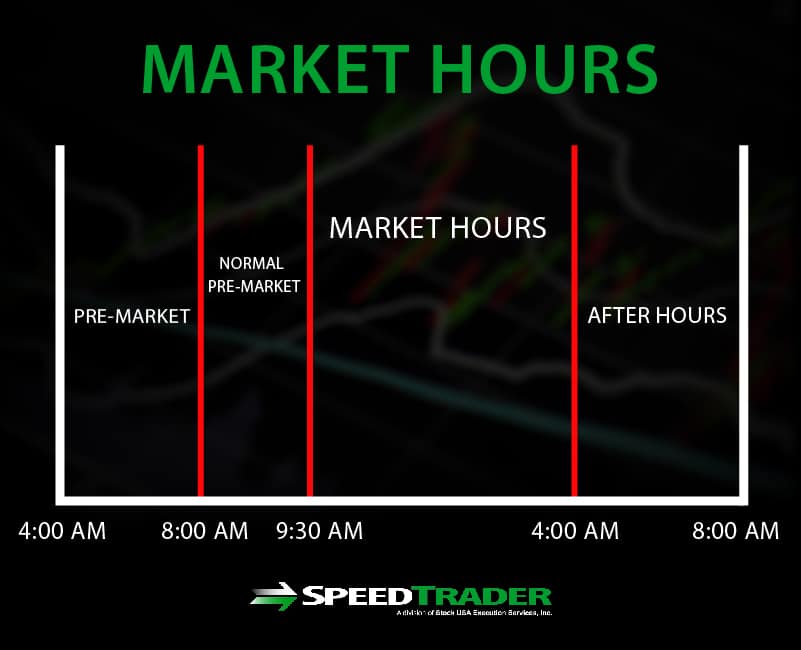
While “pre-market” is a general term, the specific hours can vary slightly depending on the exchange and the brokerage firm facilitating the trade. For the major U.S. stock exchanges, the NYSE and NASDAQ, the most commonly recognized pre-market hours are:
- Standard Pre-Market Hours: Typically from 4:00 AM EST to 9:30 AM EST.
- Brokerage Variations: Many major brokerage firms offer access to pre-market trading starting as early as 4:00 AM EST. However, some may only allow access from 7:00 AM EST or 8:00 AM EST. It’s crucial for investors to check with their specific broker for precise access times and any associated limitations.
These hours are critical because they cover a period when significant corporate announcements (like earnings reports before market open) are made, and when European and Asian markets have already conducted a substantial portion of their trading.
The Rationale Behind Early Trading
The existence of pre-market trading is not arbitrary; it serves several critical functions for market efficiency and participant needs:
- Reaction to Overnight News: Major corporate announcements, such as quarterly earnings reports, mergers and acquisitions, or FDA approvals, are often released before the market opens to prevent information asymmetry during regular hours. Pre-market trading allows investors to react to these developments immediately.
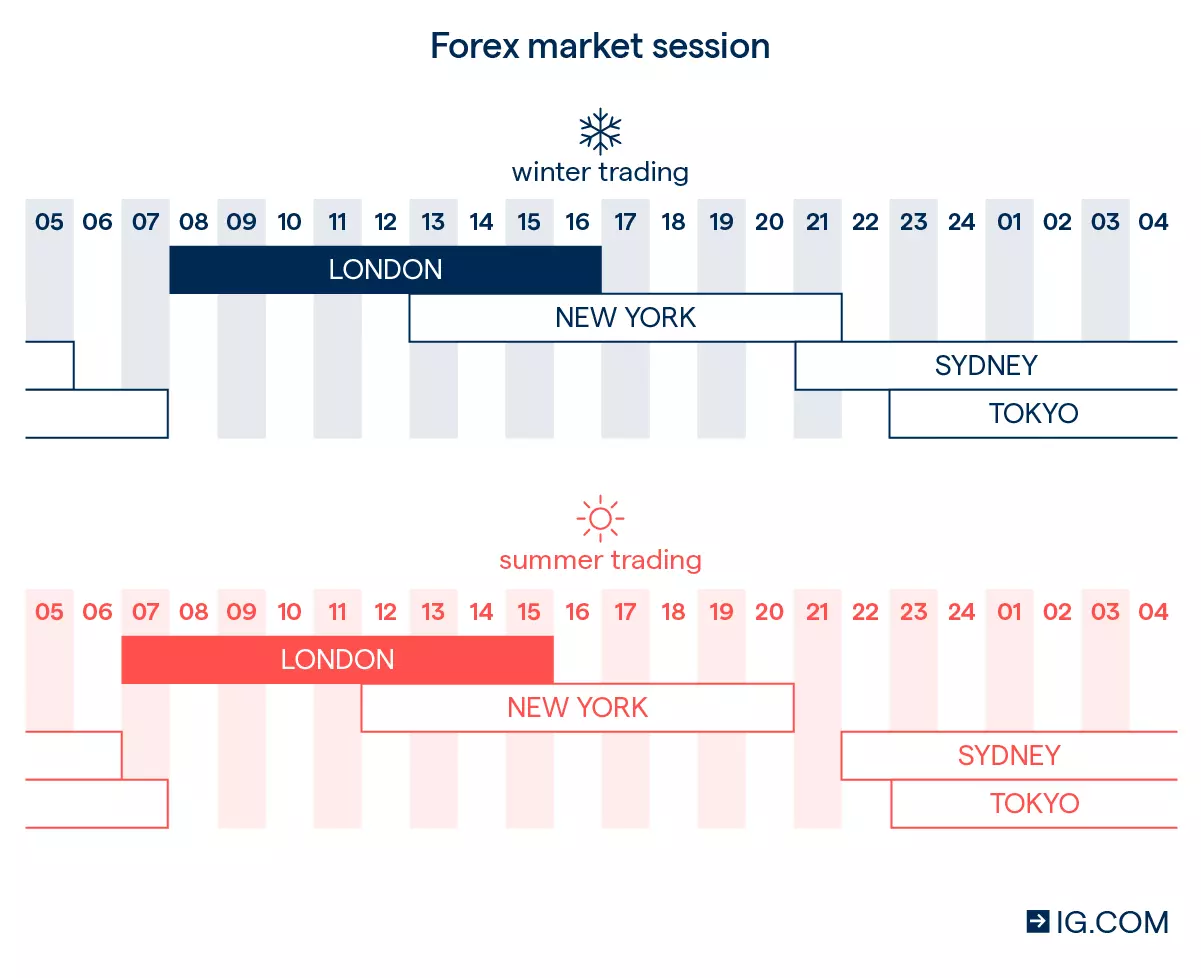
- Global Market Influence: With interconnected global economies, events in Asian or European markets can significantly impact U.S. stocks. Pre-market trading provides an avenue for U.S. investors to adjust their portfolios in response to these international developments before the domestic market officially begins.
- Early Price Discovery: This session contributes to price discovery, allowing institutional investors and sophisticated traders to establish initial valuations and positions, thereby potentially reducing extreme volatility at the opening bell of the regular session.
- Investor Convenience: For institutional investors and those operating across different time zones, pre-market trading offers flexibility to manage their portfolios without being confined to the standard 9:30 AM to 4:00 PM window.
Advantages and Opportunities in Pre-Market Sessions
Engaging in pre-market trading can offer distinct advantages for informed and agile investors, primarily centered around speed of reaction and the potential for early positioning.
Reacting to Breaking News and Earnings Reports
One of the most compelling reasons to participate in pre-market trading is the ability to react instantly to significant news. Companies frequently release their earnings reports or other market-moving announcements (e.g., product launches, executive changes, regulatory approvals) before the market opens. For investors who have done their homework and have a clear strategy, pre-market can be the ideal time to:
- Establish a Position: If a company releases unexpectedly positive news, early buyers can get in before the wider market drives the price up significantly during regular hours.
- Mitigate Losses: Conversely, if negative news breaks, investors can sell shares to limit potential losses before the market open, when a panic sell-off could exacerbate price drops.
- Execute a Pre-planned Strategy: Traders with pre-defined strategies based on specific news triggers can execute their trades without delay, taking advantage of initial price movements.
This immediate reaction capability can be crucial in volatile market conditions or for stocks highly sensitive to news.
Capitalizing on Early Price Discovery
Pre-market trading often acts as a barometer for the day’s likely sentiment. Significant price movements during this period can signal the direction a stock might take once regular trading begins. Astute traders can leverage this early price discovery to:
- Identify Momentum: Stocks showing strong upward or downward momentum in pre-market often continue that trend, at least in the initial hours of regular trading.
- Spot Opportunities: Discrepancies between pre-market prices and intrinsic value (based on the news) can present quick profit opportunities for short-term traders.
- Anticipate Market Open Gaps: By observing pre-market activity, investors can anticipate potential price gaps at market open, allowing them to adjust their strategies for entering or exiting positions.
This early insight allows for more informed decision-making, potentially leading to better entry or exit points compared to waiting for the regular session.
Flexibility for Global Investors
In an increasingly globalized financial world, time zones pose a significant challenge. Pre-market trading bridges some of these gaps, offering flexibility:
- Aligning with International Markets: For investors whose primary focus is on how U.S. stocks react to Asian or European market closures or news, pre-market allows them to trade in sync with these international developments.
- Convenience for Non-U.S. Residents: Individuals living in different time zones can participate in the U.S. market during hours that are more convenient for them, expanding their access and trading windows.
- Managing Global Portfolios: Institutional investors with diversified global portfolios can use pre-market sessions to rebalance or adjust their U.S. holdings in response to shifts in other markets.
This extended window caters to a broader, more geographically diverse investor base, enhancing the accessibility of the U.S. market.
Navigating the Risks and Challenges of Pre-Market Trading
While pre-market trading presents unique opportunities, it is also characterized by significant risks and limitations that require careful consideration. The conditions differ markedly from regular trading hours, and inexperienced participants can quickly find themselves at a disadvantage.
The Impact of Low Liquidity and High Volatility
One of the most prominent characteristics of pre-market trading is significantly lower trading volume compared to regular hours. This reduced activity leads to:
- Low Liquidity: Fewer buyers and sellers mean that it can be harder to execute trades at desired prices. Large orders can disproportionately move the market.
- High Volatility: With less liquidity, even relatively small orders can cause sharp and rapid price fluctuations. A stock might swing wildly on minimal volume, creating unpredictable price action.
- Difficulty in Entering/Exiting: Investors may struggle to enter or exit positions without significantly impacting the stock’s price, leading to slippage where the actual execution price differs from the desired price.
This environment favors experienced traders who understand how to manage risk in thinly traded markets.
Wider Bid-Ask Spreads and Price Discrepancies
Due to lower liquidity, the bid-ask spread—the difference between the highest price a buyer is willing to pay (bid) and the lowest price a seller is willing to accept (ask)—tends to be much wider in pre-market sessions.
- Increased Transaction Costs: Wider spreads mean that investors effectively pay more to buy and receive less to sell, increasing transaction costs and eroding potential profits.
- Significant Price Gaps: It’s not uncommon for a stock to open at a significantly different price in pre-market than it closed the previous day, or even to see large jumps between consecutive trades within the pre-market session. This can lead to unexpected losses for those not paying close attention.
- Limited Price Discovery: While pre-market does offer some price discovery, the low volume means that prices established during this time might not accurately reflect the broader market sentiment that will emerge at market open.
Investors need to be acutely aware of the bid-ask spread and place limit orders rather than market orders to control their execution price.
Limitations in Order Types and Brokerage Access
Not all brokerage firms offer full pre-market trading capabilities, and even those that do may impose certain restrictions:
- Restricted Order Types: Market orders are generally discouraged and often automatically converted to limit orders by brokerages during extended hours due to high volatility and wide spreads. Many advanced order types available during regular hours may not be supported.
- Brokerage Discretion: Brokers might have different pre-market access times, varying commission structures for extended-hours trades, or different rules regarding which stocks are eligible for pre-market trading.
- No Access to All Exchanges: Pre-market trading primarily occurs on ECNs, not the main exchanges. This means that the aggregated order book might be less comprehensive than during regular hours.
Understanding your brokerage’s specific rules and capabilities is essential before attempting any pre-market trades.
The Influence of Professional Traders
Pre-market sessions are often dominated by institutional investors, hedge funds, and professional traders. These sophisticated participants have access to advanced trading algorithms, direct market access, and in-depth research, giving them a significant edge:
- Information Asymmetry: Retail investors may not have access to the same speed of news dissemination or depth of analysis as their institutional counterparts.
- Algorithmic Trading: A substantial portion of pre-market volume is driven by algorithms, which can react to news and price changes faster than human traders, making it difficult for individual investors to compete.
- Price Manipulation Concerns: While regulatory bodies monitor extended hours, the lower liquidity can, in theory, make individual stocks more susceptible to temporary price manipulation by large players.
This professional dominance means retail investors must be exceptionally well-prepared and cautious.
Practical Considerations for Engaging in Pre-Market Trading
For those who decide to venture into pre-market trading, a disciplined approach and thorough preparation are indispensable. It’s not an arena for casual participation but rather for strategic engagement.
Choosing the Right Brokerage Platform
The first step is ensuring your brokerage supports extended hours trading and offers favorable conditions.
- Check Extended Hours Access: Confirm your broker’s specific pre-market start and end times.
- Review Fees and Commissions: Some brokers might charge different commission rates for extended-hours trades.
- Understand Order Type Limitations: Familiarize yourself with which order types are permitted and recommended (e.g., always use limit orders).
- Access to Real-time Data: Ensure your platform provides real-time Level 2 data (showing bid/ask depth) for the stocks you intend to trade, which is crucial for gauging liquidity.
- Research Tools: Look for platforms that integrate news feeds and research tools that update constantly, even outside regular market hours.
Essential Tools and Data for Informed Decisions
Successful pre-market trading hinges on swift access to accurate information and robust analytical tools.
- Reliable News Sources: Subscribe to financial news services that provide real-time alerts for earnings announcements, economic reports, and breaking corporate news.
- Pre-Market Scanners: Utilize tools that can scan for unusual volume, significant price movements, or breaking news during the pre-market session.
- Advanced Charting Software: Use charting platforms that allow for pre-market data visualization, helping identify trends and support/resistance levels.
- Level 2 Data: This provides insight into the order book, showing the depth of buying and selling interest at various price points, which is invaluable in low-liquidity environments.
Strategies for Mitigating Risk
Given the inherent risks, specific strategies are vital to protect capital during pre-market trading.
- Use Limit Orders Exclusively: Never use market orders during extended hours. A limit order guarantees your execution price (or better) and prevents unwanted slippage due to wide spreads or sudden price swings.
- Start Small: Begin with smaller position sizes to test the waters and gain experience without risking substantial capital.
- Focus on Liquid Stocks: Prioritize trading stocks that typically have higher volume even during extended hours, or those with significant news catalysts that temporarily boost liquidity. Avoid illiquid penny stocks.
- Define Your Exit Strategy: Have clear profit targets and stop-loss levels before entering any trade. Be prepared to exit quickly if the trade moves against you.
- Stay Informed and Adapt: The pre-market environment is dynamic. Continuously monitor news, trading volume, and price action, and be ready to adjust your strategy on the fly.
- Avoid Overtrading: The temptation to chase volatile movements can be strong. Stick to your plan and avoid impulsive decisions.
Beyond Pre-Market: A Holistic View of Extended Trading
Understanding pre-market trading is part of a larger picture that includes after-hours trading and the regular session. A holistic view helps in developing a comprehensive trading strategy.
After-Hours Trading Explained
After-hours trading takes place following the close of the regular trading session, typically from 4:00 PM EST to 8:00 PM EST. Like pre-market, it’s conducted via ECNs and is characterized by lower liquidity and higher volatility than the regular session. After-hours trading often reacts to news released after the market close, providing another window for investors to adjust positions.
Comparing Pre-Market, Regular, and After-Hours Sessions
Each trading session has its distinct characteristics:
- Regular Trading Hours (9:30 AM – 4:00 PM EST): Highest liquidity, tightest bid-ask spreads, most transparent price discovery, and lowest volatility (relatively speaking). This is where the majority of retail and institutional trading occurs.
- Pre-Market Trading (4:00 AM – 9:30 AM EST): Moderate liquidity (increasing closer to market open), wider spreads, high volatility, dominated by reaction to overnight news and institutional positioning.
- After-Hours Trading (4:00 PM – 8:00 PM EST): Lowest liquidity, widest spreads, highest volatility, driven by reaction to end-of-day news and earnings reports.
Understanding these differences is crucial for choosing the appropriate time to execute trades based on your risk tolerance, strategy, and access to information.
Regulatory Oversight and Best Practices
While extended hours trading operates under the same fundamental regulatory framework as regular trading, the unique conditions warrant extra vigilance from regulators and participants alike.
- SEC Oversight: The Securities and Exchange Commission (SEC) oversees all trading activities, including extended hours, ensuring fairness and preventing manipulative practices.
- FINRA Rules: The Financial Industry Regulatory Authority (FINRA) also provides rules and guidelines for brokers and traders.
- Informed Consent: Many brokerages require clients to acknowledge the risks of extended-hours trading before granting access.
- Best Practices for Investors:
- Prioritize Education: Thoroughly understand the mechanics and risks.
- Risk Management: Implement strict risk management protocols (stop-losses, small positions).
- Focus on Liquidity: Stick to well-known, actively traded stocks.
- Stay Updated: Continuous monitoring of news and market conditions is non-negotiable.
In conclusion, pre-market trading offers a tantalizing prospect for proactive investors seeking an edge. However, this early access comes with a heightened degree of risk, demanding a comprehensive understanding of market dynamics, meticulous planning, and disciplined execution. For those willing to navigate its unique challenges, knowing “what time does pre-market open” is just the beginning of a potentially rewarding, albeit demanding, journey into the extended trading landscape.
aViewFromTheCave is a participant in the Amazon Services LLC Associates Program, an affiliate advertising program designed to provide a means for sites to earn advertising fees by advertising and linking to Amazon.com. Amazon, the Amazon logo, AmazonSupply, and the AmazonSupply logo are trademarks of Amazon.com, Inc. or its affiliates. As an Amazon Associate we earn affiliate commissions from qualifying purchases.