
The world of financial markets often operates with a rhythm that can seem both rigid and dynamic. For many, the trading week commences with the ringing of the opening bell on Monday morning, concluding with the closing bell on Friday afternoon. This structured schedule, however, doesn’t always tell the full story. Concepts like “pre-market” trading extend these traditional hours, offering opportunities and complexities outside the standard session. But when it comes to Sunday, a day traditionally associated with rest rather than market activity, the question “what time does pre-market open on Sunday?” takes on a nuanced significance, prompting us to delve deeper into the specificities of different financial instruments and their operational schedules.
Understanding market hours, particularly extended sessions like pre-market trading, is crucial for investors and traders looking to capitalize on breaking news or adjust positions before the regular session begins. However, the answer for Sunday is not a simple universal time. It depends entirely on which market you are referring to, as not all financial instruments operate on the same timetable, especially over the weekend. This article will unravel the intricacies of market opening times on Sundays, distinguishing between major equity markets, futures, forex, and the always-on cryptocurrency space, providing a comprehensive guide for those navigating the financial landscape around the clock.
Decoding Pre-Market Trading: An Overview
Before addressing Sunday specifically, it’s essential to grasp the fundamental concept of pre-market trading and its role in the broader financial ecosystem. This extended hour session offers a critical window into market sentiment and price discovery before the official trading day kicks off.
What is Pre-Market Trading?
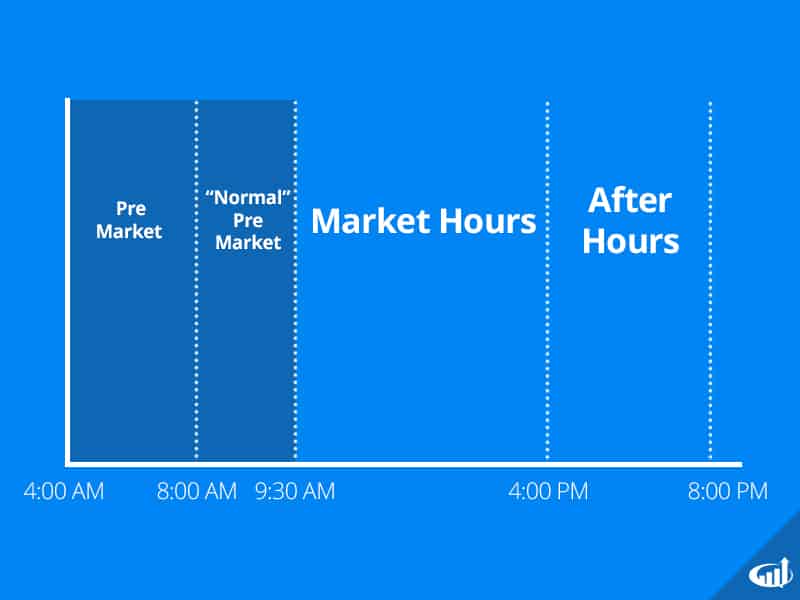
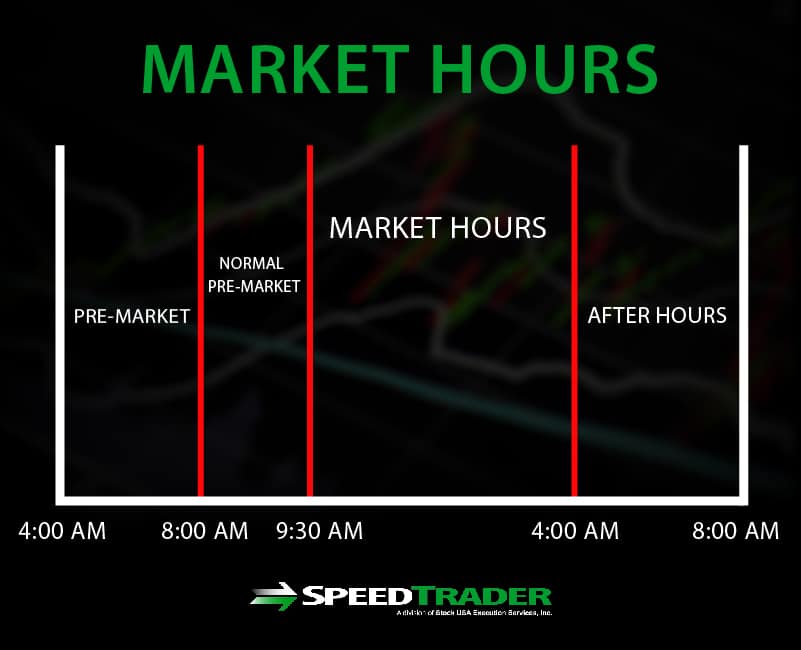
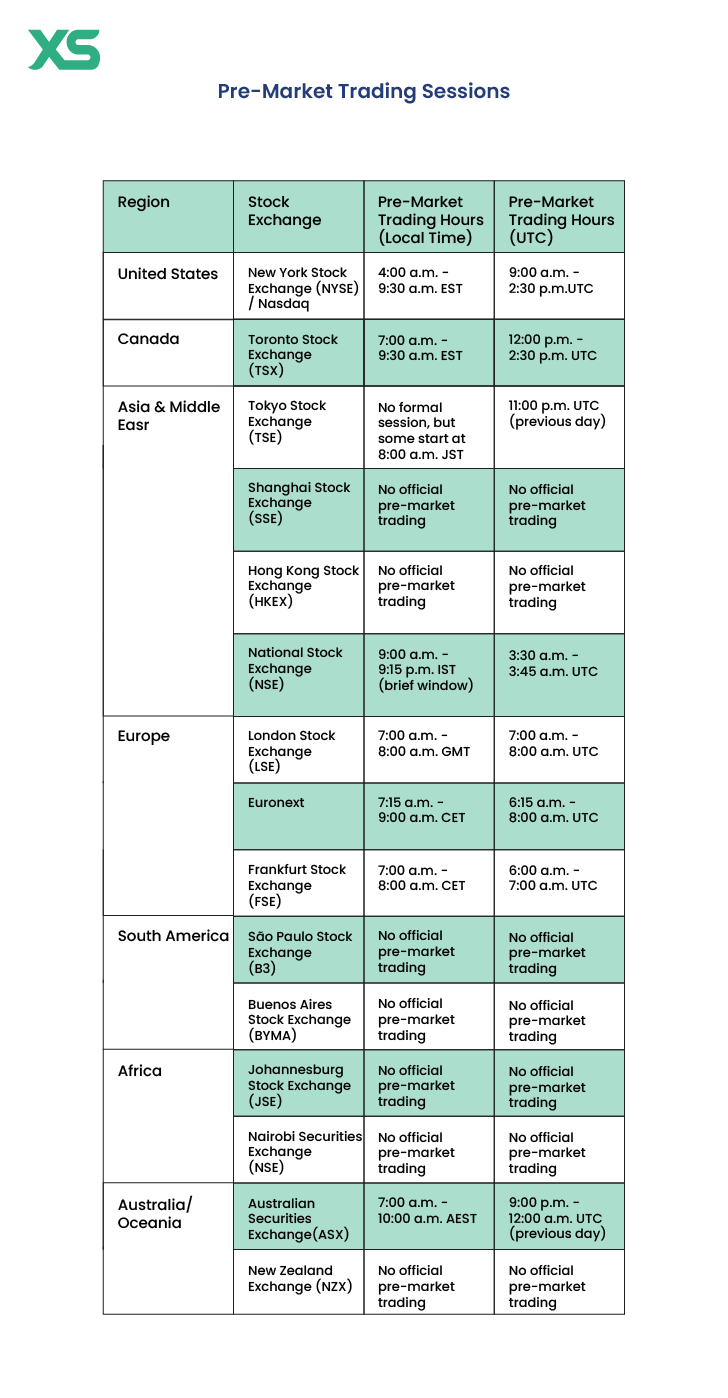
Pre-market trading refers to the period before the official opening of a stock exchange. For major U.S. exchanges like the NYSE and NASDAQ, this typically runs from 4:00 AM ET to 9:30 AM ET on weekdays. During this time, investors and traders can place buy and sell orders for securities, with prices often reacting to overnight news, economic reports, or corporate announcements made after the previous day’s close or before the current day’s open. These trades are executed electronically, often through Electronic Communication Networks (ECNs), rather than traditional exchange floor operations.
The Rationale Behind Extended Hours
The existence of pre-market and after-hours trading sessions stems from the global, interconnected nature of financial markets and the 24/7 news cycle. Significant events, such as quarterly earnings reports, mergers and acquisitions, or geopolitical developments, don’t adhere to standard 9-to-5 market hours. Extended sessions allow investors to react to these catalysts immediately, rather than waiting for the next day’s open, which could lead to significant price gaps. This immediacy helps in price discovery and can potentially mitigate volatility at the market open by allowing some of the initial reactive trading to occur beforehand.
Risks and Opportunities in Pre-Market Sessions
While pre-market trading offers agility, it also comes with unique characteristics that present both risks and opportunities. A primary risk is lower liquidity. Fewer participants mean wider bid-ask spreads and potentially larger price swings on smaller volumes, making it harder to execute large orders at desirable prices. The volatility can be higher due to this reduced liquidity and the often-speculative nature of early trading. Furthermore, information asymmetry can be an issue, as not all news might be widely disseminated or fully digested by the market during these early hours.
On the opportunity side, pre-market trading allows astute traders to react quickly to breaking news, potentially getting ahead of the curve. It can be a useful period for institutions to adjust their portfolios or for active traders to engage in momentum plays triggered by specific announcements. For long-term investors, it might provide an early indication of how their holdings will perform, allowing for preemptive research or strategic adjustments.
The Sunday Conundrum: Major Equity Markets
When we specifically turn to “Sunday” in the context of major equity markets like the New York Stock Exchange (NYSE) or NASDAQ, the answer to “what time does pre-market open on Sunday?” becomes quite straightforward: it doesn’t.
Standard Trading Hours and Weekend Closures
The vast majority of global stock exchanges, including those in the U.S., Europe, and Asia, operate on a five-day trading week, typically from Monday to Friday. Weekends, including Sunday, are non-trading days. This tradition dates back to the very origins of stock exchanges, mirroring the standard work week and allowing for administrative processing, clearing, and settlement of trades. It also provides a necessary pause for market participants to analyze data, strategize, and simply disengage.
Why Equities Don’t Trade Pre-Market on Sunday
The closure of equity markets on Sunday is absolute. There is no pre-market trading, regular trading, or after-hours trading for individual stocks on major exchanges. This is not just a matter of tradition but also practicality. The infrastructure required for continuous trading, including broker-dealer operations, clearing houses, and regulatory oversight, is built around a Monday-to-Friday schedule. While technological advancements could theoretically enable 24/7 equity trading, the consensus among regulators and market participants largely supports the weekend break, citing needs for reconciliation, risk management, and prevention of trader burnout.
Impact of Weekend News on Monday’s Open
Despite the lack of Sunday trading, significant events occurring over the weekend can have a profound impact on market sentiment and stock prices. Geopolitical developments, major corporate announcements, economic data releases from other time zones, or even natural disasters can accumulate over Saturday and Sunday. Since investors cannot react immediately, this pent-up demand and supply typically manifests as price gaps at Monday’s market open. A stock might open significantly higher or lower than its Friday closing price, reflecting the market’s collective reaction to weekend news. This phenomenon makes Monday mornings particularly crucial for active traders and highlights the importance of staying informed even when markets are closed.
Navigating Markets That Do Open on Sunday
While equity markets are firmly shut, it’s crucial to recognize that the financial world doesn’t completely power down on Sundays. Several other significant markets operate either continuously or initiate their trading week on Sunday, making the “pre-market on Sunday” question relevant for certain asset classes.
Futures Markets: A Glimmer of Weekend Trading
For specific commodities, indices, and currency futures, the trading week often begins on Sunday evening (U.S. time). For instance, CME Group futures contracts, which include E-mini S&P 500 futures, crude oil, gold, and other widely traded instruments, typically open for Sunday evening trading. This pre-opening session, often starting around 6:00 PM ET on Sunday, serves as the first indication of how global markets are reacting to weekend news, effectively acting as a “pre-market” for the week ahead for these derivatives. This allows for early risk management and speculative opportunities based on news that occurred while equity markets were closed. These futures markets can provide valuable insights into the potential direction of equity markets come Monday morning.
Forex Market: 24/5 Global Access
The foreign exchange (Forex or FX) market is the largest and most liquid financial market in the world, and it stands out due to its near 24-hour, five-day-a-week operation. The forex market effectively “opens” for the week on Sunday afternoon/evening, typically around 5:00 PM ET on Sunday, with the opening of the Asian trading session (specifically, Wellington, New Zealand, followed by Sydney, Australia). This continuous operation is possible because it’s an over-the-counter (OTC) market, meaning trades occur directly between participants rather than through a centralized exchange, allowing it to follow global business hours as financial centers around the world come online. For currency traders, Sunday evening is very much the start of the trading week.
Cryptocurrency Markets: The Ever-Open Exchange
Perhaps the most significant exception to traditional weekend closures is the cryptocurrency market. Bitcoin, Ethereum, and thousands of other digital assets trade 24 hours a day, 7 days a week, 365 days a year. There is no “pre-market” or “after-hours” in the traditional sense, because the market never closes. Trades can be executed at any time, including throughout Saturday and Sunday. This continuous operation is a fundamental characteristic of decentralized digital assets and reflects their global, borderless nature. For crypto enthusiasts and investors, Sunday is just another day of potential price movements and trading activity.
Strategic Considerations for Weekend Market Participants
For those engaging with markets that are open on Sundays, or preparing for Monday’s equity open, specific strategies and considerations come into play.
Risk Management on Sunday Openings
Whether trading futures, forex, or crypto on a Sunday, robust risk management is paramount. Reduced liquidity in some early sessions (like Sunday evening futures) can lead to exaggerated price movements. Traders should use appropriate position sizing, set stop-loss orders, and be aware that slippage can be more pronounced. For forex traders, the initial Sunday open can be volatile as pent-up weekend news is priced in. Having a clear trading plan and understanding the market’s unique dynamics during these hours is crucial to protect capital.
Information Gathering and Analysis
The weekend provides a critical window for in-depth analysis and information gathering. For all market participants, staying abreast of global news, economic calendars, and corporate announcements throughout Saturday and Sunday is vital. This proactive approach helps in anticipating potential market reactions when various markets open. For equity investors, analyzing the performance of Sunday-open markets (like futures or forex) can offer clues about Monday’s likely direction, informing pre-market order decisions or early morning trading strategies.
Brokerage Accessibility and Support
Not all brokerages offer the same level of support or access during extended hours, especially on Sundays. It’s important to verify your broker’s trading hours for specific instruments and their customer support availability. While many online platforms provide 24/7 access for placing orders in crypto or even some forex markets, human support might be limited. Understanding these operational nuances of your chosen platform is key to avoiding frustration and ensuring smooth trading.
Preparing for the Week Ahead: Beyond Sunday’s Open
Ultimately, understanding Sunday’s market dynamics is about laying the groundwork for a successful trading week. It’s an opportunity to transition from the weekend pause back into active market participation with informed decisions.
Setting Up for Monday Morning
For equity traders and investors, even though Sunday is quiet, it’s the ideal time to prepare for Monday’s open. This includes reviewing watchlists, analyzing charts based on Friday’s close, identifying key support and resistance levels, and processing any weekend news. Orders can often be placed as “good till cancelled” (GTC) orders over the weekend, though their execution won’t occur until Monday. Futures and forex traders can use their Sunday evening sessions to establish initial positions or hedge against potential Monday equity gaps.
Understanding Market Interdependencies
One of the key takeaways from examining Sunday market hours is the interconnectedness of different financial instruments. Futures markets, particularly equity index futures, often act as bellwethers for the underlying stock indices. A significant move in E-mini S&P 500 futures on Sunday evening can signal a strong opening for the S&P 500 on Monday morning. Similarly, major currency pair movements can reflect broader sentiment about global economic conditions that will influence all asset classes. Recognizing these interdependencies allows for a more holistic and predictive approach to market analysis.
Long-Term vs. Short-Term Perspectives
The question of “what time does pre-market open on Sunday” is arguably more pertinent to short-term traders and those engaged in active management. For long-term investors, the minute-to-minute fluctuations of extended hours or Sunday openings might be less critical than the overall economic outlook and fundamental performance of their holdings. However, even long-term investors can benefit from understanding these dynamics, as significant weekend events can impact the long-term trajectory of their investments, warranting a weekend review of their portfolio and strategic adjustments if necessary.
In conclusion, while the traditional image of financial markets closing for the weekend holds true for major equity exchanges, the broader financial landscape is far more dynamic. Sundays represent different things to different markets: a complete pause for equities, the dawn of the trading week for futures and forex, and just another continuous moment for cryptocurrencies. By understanding these distinctions, investors and traders can navigate the complex world of finance with greater insight, preparedness, and strategic advantage, irrespective of the day of the week.
aViewFromTheCave is a participant in the Amazon Services LLC Associates Program, an affiliate advertising program designed to provide a means for sites to earn advertising fees by advertising and linking to Amazon.com. Amazon, the Amazon logo, AmazonSupply, and the AmazonSupply logo are trademarks of Amazon.com, Inc. or its affiliates. As an Amazon Associate we earn affiliate commissions from qualifying purchases.