
In the fast-paced world of modern finance, timing is often as valuable as the capital itself. For millions of customers across the United States, PNC Bank serves as a cornerstone of their personal and business financial strategies. However, a recurring question for many remains: “What time does PNC Bank close?” While the answer might seem straightforward, understanding the nuances of banking hours, digital availability, and transaction processing cycles is essential for effective money management in the 21st century.
This guide explores the specific operating hours of PNC Bank while diving deep into the broader context of how these schedules impact your financial health, the tools available for after-hours banking, and the strategic planning required to navigate the federal banking system.
Understanding PNC Bank’s Standard Operating Hours and Holiday Schedules
For most retail customers, the physical branch remains the primary touchpoint for complex transactions, such as notary services, safe deposit box access, or opening specialized accounts. However, because PNC operates across a vast geographic footprint, hours can vary significantly based on location, local regulations, and the specific type of branch.
Weekday and Weekend Availability
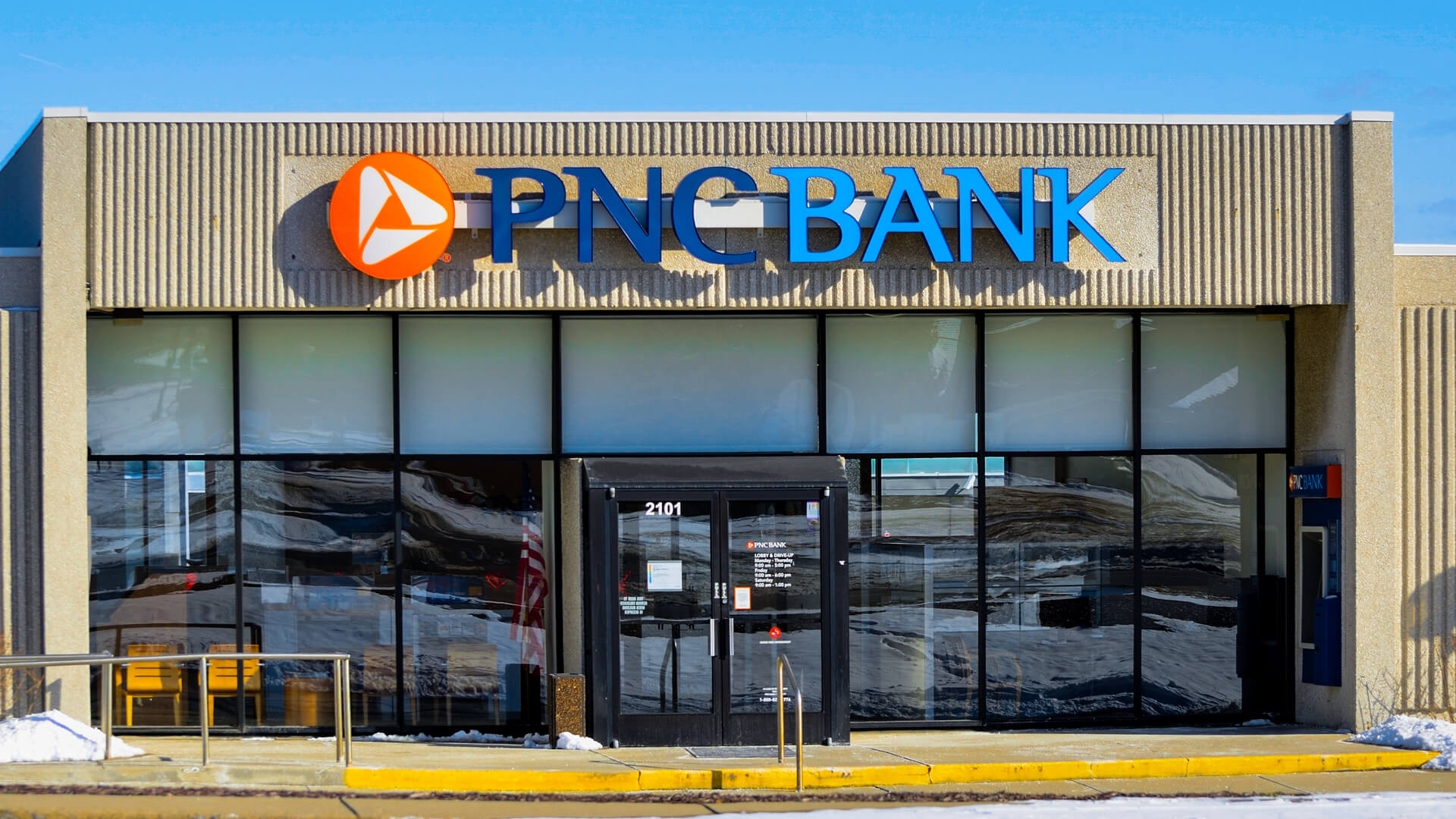
Generally, most standalone PNC Bank branches follow a standard corporate schedule. On weekdays (Monday through Friday), the majority of branches open at 9:00 AM and close at 5:00 PM. In some high-traffic urban areas, you may find “Express” locations or branches that stay open until 6:00 PM to accommodate commuters.
Saturdays present a different landscape. Many PNC branches offer limited hours, typically opening at 9:00 AM and closing early at 1:00 PM or 2:00 PM. It is important to note that many branches located within grocery stores or shopping malls may mirror the hours of the host establishment, potentially offering extended evening or Sunday availability. Conversely, Sunday remains the standard day of rest for the banking industry, with almost all physical PNC locations remaining closed to the public.
Observed Bank Holidays and Their Impact
Banking hours are not just dictated by corporate policy but are also tied to the Federal Reserve System. PNC Bank observes all major federal holidays, during which physical branches are closed and the processing of electronic transfers is paused. These holidays include:
- New Year’s Day
- Martin Luther King Jr. Day
- Presidents’ Day
- Memorial Day
- Juneteenth National Independence Day
- Independence Day (July 4th)
- Labor Day
- Columbus Day (Indigenous Peoples’ Day)
- Veterans Day
- Thanksgiving Day
- Christmas Day
For the savvy financial planner, knowing these dates is critical. If a holiday falls on a Monday, a check deposited on a Friday afternoon may not be fully cleared or accessible until Tuesday or Wednesday. Understanding this lag is a vital component of managing cash flow, especially for those living paycheck to paycheck or managing small business expenses.
The Evolution of Banking Accessibility: Beyond the Physical Branch
As the financial landscape shifts toward a digital-first model, the question of “when a bank closes” is becoming increasingly obsolete. While the doors of the lobby may lock at 5:00 PM, the bank itself never truly sleeps. PNC has invested heavily in digital infrastructure to ensure that personal finance management is a 24/7 endeavor.
The 24/7 Digital Banking Paradigm
The PNC mobile app and online banking portal serve as a virtual branch that is always open. Through these platforms, users can perform approximately 80% of the tasks traditionally reserved for a teller. This includes transferring funds between accounts, paying bills via Bill Pay, and monitoring real-time transaction history.
From a “Money” perspective, the shift to digital banking allows for more proactive financial behavior. Rather than waiting for a monthly paper statement, customers can use digital tools to categorize spending instantly, set alerts for low balances, and manage “Virtual Wallet” reserve accounts to ensure they are meeting their savings goals. The closing time of a physical building no longer dictates the speed at which you can organize your capital.
Utilizing PNC ATMs and Mobile Deposit Features
For those who need physical cash or need to deposit checks after the branch has closed, PNC’s network of over 60,000 ATMs (including partner networks) provides a vital bridge. Modern PNC ATMs are “smart,” allowing for cardless access and the ability to deposit up to 30 checks or 50 bills at a time without an envelope.

Mobile Deposit has perhaps been the greatest disruptor of the traditional 5:00 PM closing time. By utilizing the camera on a smartphone, PNC customers can deposit checks at midnight on a Sunday or during a holiday. While the funds may not be available for immediate withdrawal due to clearinghouse regulations, the act of depositing is no longer tethered to a teller’s schedule. This convenience is a cornerstone of modern financial tools, reducing the “friction” of traditional banking.
Strategic Financial Management: Aligning Your Schedule with Banking Services
While the convenience of digital tools is undeniable, certain high-stakes financial activities still require an understanding of the bank’s internal clock. Successful money management involves knowing the difference between “closing time” and “processing time.”
Wire Transfers and Processing Cut-off Times
One of the most critical aspects of business and personal finance is the wire transfer. Whether you are closing on a home or sending funds to an international vendor, timing is everything. Even if a PNC branch stays open until 5:00 PM, the cut-off time for same-day domestic wire transfers is typically earlier—often around 2:00 PM or 3:00 PM ET.
If you initiate a wire after this cut-off, the funds will not move until the following business day. This distinction is vital for avoiding late fees on major payments or ensuring that real estate transactions are completed on schedule. Similarly, ACH transfers (the system used for direct deposits and most bill payments) operate on specific “windows.” Understanding these windows allows you to time your payments so that your money stays in your interest-bearing accounts for as long as possible.
Planning In-Person Consultations for Complex Financial Needs
There are moments in a financial journey where an algorithm or an app cannot replace human expertise. For tasks such as applying for a mortgage, discussing commercial lending options, or seeking wealth management advice, an in-person meeting at a PNC branch is often necessary.
Because these specialists—such as Mortgage Officers or Financial Advisors—often work on a different schedule than the general tellers, it is advisable to use PNC’s online appointment setter. Strategic banking means valuing your time; by scheduling an appointment at 10:00 AM on a Tuesday, you avoid the lunch-hour rush and ensure that the professional you need is available. This proactive approach to “Money” management ensures that your financial goals are not sidelined by the logistical constraints of branch operations.
Optimizing Your Relationship with PNC Bank Tools
To truly master your finances, you must view the bank not just as a place to store money, but as a suite of tools designed to build wealth. PNC’s unique offerings, such as the “Virtual Wallet,” are designed to work in tandem with your daily life, regardless of whether the branch is open or closed.
Virtual Wallet and Financial Tracking
PNC’s Virtual Wallet is a flagship financial tool that combines three accounts: “Spend” (checking), “Reserve” (short-term savings), and “Growth” (long-term savings). This structure encourages users to partition their money according to its purpose.
The “Calendar” feature within this tool is particularly useful for navigating bank schedules. It allows you to visualize when your bills are due relative to when your paycheck will be deposited, accounting for weekends and bank holidays. By using these insights, you can avoid overdraft fees and ensure that your “Growth” account is consistently funded. This is a prime example of using “Financial Tools” to create a buffer against the rigid schedules of traditional banking.
Security Protocols for After-Hours Banking
In an era where digital transactions are the norm, security is a paramount concern. When banking outside of traditional hours, it is essential to utilize the security features provided by PNC. This includes:
- Security Alerts: Setting up push notifications for every transaction ensures you are the first to know if your card is used fraudulently.
- Card Locking: If you misplace your debit card on a Saturday night when branches are closed, you can instantly “lock” the card through the PNC app to prevent unauthorized use.
- Two-Factor Authentication (2FA): Ensuring that your digital access is protected by an extra layer of security is the best defense against the rising tide of digital financial fraud.
Conclusion: The Intersection of Time and Capital
So, what time does PNC Bank close? While the physical doors may shut in the late afternoon, your ability to manage, grow, and protect your money is now a constant, 24-hour reality. By understanding the standard branch hours for your local area, being mindful of federal holiday schedules, and leveraging the full power of PNC’s digital and ATM network, you can ensure that your financial life remains fluid and efficient.
Effective personal finance is about more than just numbers on a screen; it is about the strategic use of time and tools. Whether you are navigating the complexities of a wire transfer cut-off or simply checking your balance via the Virtual Wallet at midnight, being an informed consumer allows you to turn the “banking schedule” from a constraint into a strategic advantage. In the world of money, those who understand the clock are best positioned to capitalize on every opportunity.
aViewFromTheCave is a participant in the Amazon Services LLC Associates Program, an affiliate advertising program designed to provide a means for sites to earn advertising fees by advertising and linking to Amazon.com. Amazon, the Amazon logo, AmazonSupply, and the AmazonSupply logo are trademarks of Amazon.com, Inc. or its affiliates. As an Amazon Associate we earn affiliate commissions from qualifying purchases.