
When a fan types the query “what time does Penn State football game start today” into a search bar, they are rarely thinking about the complex web of servers, algorithms, and data protocols that return an answer in less than 0.5 seconds. To the average Nittany Lions supporter, it is a simple question of scheduling. To the technology industry, however, this query represents a pinnacle of modern data synchronization, content delivery networks (CDNs), and the evolving landscape of live-streaming architecture.
In an era where “appointment viewing” has shifted from the living room television to the mobile screen, the technology behind sports scheduling and broadcasting has undergone a radical transformation. Understanding how you get that kickoff time—and how you eventually watch the game—requires a deep dive into the digital ecosystem that powers the Big Ten and the broader world of collegiate athletics.
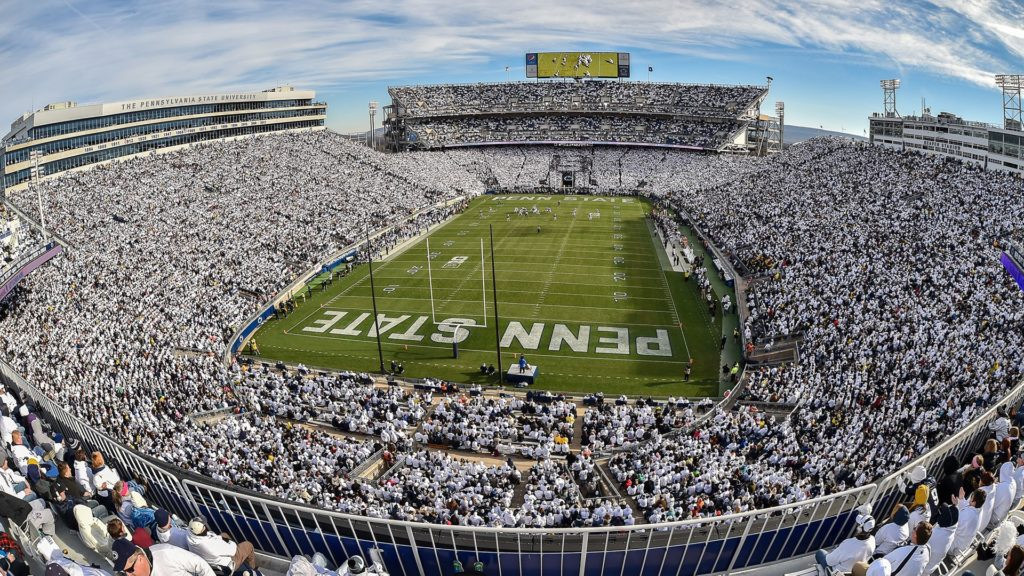
The Algorithmic Answer: How Search Engines Process Real-Time Sports Data
The immediacy with which a user receives a game time is the result of sophisticated “Rich Snippets” and Structured Data. When you search for the Penn State kickoff, Google or Bing doesn’t just crawl a website; they access a specialized knowledge graph designed to provide instantaneous answers.
Schema Markup and the Knowledge Graph
At the heart of every sports-related search is “Schema.org” markup. This is a collaborative, community-driven language used by webmasters to tell search engines exactly what a piece of data represents. For a Penn State game, the university’s athletic department and media partners like ESPN or CBS use SportsEvent schema. This code explicitly defines the “startDate,” “location,” and “competitor.” Because this data is standardized, search engines can bypass traditional link-based results and present a “Knowledge Panel” at the very top of the page, giving the user the start time without requiring a single click.
The Role of Real-Time API Integration
The start time of a football game is not always static. Weather delays, television window shifts, and overtime in preceding games can cause “kickoff creep.” To account for this, tech platforms utilize Application Programming Interfaces (APIs). These APIs act as digital bridges between the stadium’s press box and the end-user’s device. Companies like Sportradar or Genius Sports aggregate live data feeds from the venue and push them to major tech hubs. This ensures that if a storm hits Beaver Stadium and pushes the start time back by 30 minutes, the digital answer on your smartphone updates in near real-time.
Streaming the White Out: The Evolution of OTT and Live Video Delivery
Once the fan knows the start time, the next technological hurdle is the delivery of the high-definition (or 4K) video feed. The transition from traditional linear cable to Over-the-Top (OTT) streaming platforms like Peacock, Paramount+, and Fox Sports has introduced significant engineering challenges, particularly regarding latency and concurrency.
Solving the Latency Gap
One of the biggest complaints in sports tech is “spoiler” notifications—receiving a text from a friend about a touchdown before you see it on your stream. This is caused by latency. Traditional cable has a latency of about 5–10 seconds, while some streaming protocols (like HLS or DASH) can lag by up to 30–60 seconds. To solve this, engineers are implementing “Low-Latency CMAF” (Common Media Application Format). This tech breaks the video into smaller “chunks,” allowing the player to start rendering the game before the entire segment has finished downloading. For a high-stakes Penn State game, this tech is what keeps the digital experience synchronized with the live action.
Content Delivery Networks (CDNs) and Edge Computing
When Penn State plays a rival like Ohio State or Michigan, millions of concurrent viewers hit the same stream simultaneously. Without robust infrastructure, this would cause a “bottleneck” and result in the dreaded buffering icon. Tech providers utilize CDNs—a global network of servers—to distribute the load. By using “Edge Computing,” the video data is stored on a server physically close to the user (e.g., a server in Pittsburgh or Philadelphia for a fan in Pennsylvania). This reduces the distance data must travel, ensuring a stable, high-bitrate stream even during peak viewership moments.
The Second-Screen Experience: Apps, IoT, and Fan Engagement

The modern Penn State fan doesn’t just watch the game; they interact with it. The “Second-Screen Experience” refers to the use of mobile devices to supplement the viewing experience with statistics, social media, and interactive features.
Geofencing and the Smart Stadium
Inside Beaver Stadium, the technology is just as dense as the crowd. With the integration of high-density Wi-Fi 6 and 5G small cells, the stadium becomes an Internet of Things (IoT) hub. The official Penn State Nittany Lions app uses geofencing—a technology that triggers a specific action when a device enters a geographical boundary. When a fan enters the stadium, the app may shift into “Gameday Mode,” providing digital ticketing, mobile concession ordering, and even augmented reality (AR) features that allow fans to point their phones at the field to see player stats hovering over the turf.
AI-Driven Personalization and Push Notifications
The “start time” query often triggers a cascade of AI-driven engagement. If you have a sports app installed, machine learning algorithms analyze your search history and team preferences. This triggers personalized push notifications: “Penn State kicks off in 30 minutes—watch live on NBC.” These systems use predictive analytics to determine the optimal time to send a notification to ensure maximum click-through rates, turning a simple search query into a direct-to-consumer marketing funnel.
Cybersecurity and Data Integrity in College Sports
As the digital footprint of college football expands, so does the surface area for cyber threats. Protecting the integrity of the game and the privacy of the fans has become a top priority for sports tech departments.
Securing the Digital Ticket
The move to 100% digital ticketing is a security measure as much as a convenience. Technologies like NFC (Near Field Communication) and rotating barcodes prevent ticket fraud and “screenshot” counterfeiting. These digital tickets are encrypted and tied to a user’s biometric data (like FaceID) or a secure digital wallet, ensuring that the person entering the stadium is the legitimate owner of the seat.
Protecting Against Piracy and Signal Theft
For media rights holders, the unauthorized restreaming of games is a multi-million dollar problem. Tech firms now use “Forensic Watermarking” to combat this. This technology embeds a unique, invisible digital signature into every stream. If a stream is illegally rebroadcast on a social media platform, automated AI “crawlers” can detect the watermark, identify the specific account associated with the leak, and shut it down within seconds. This digital arms race is essential for maintaining the value of the massive media contracts that fund collegiate athletic programs.
The Future: AI Coaches and Volumetric Video
As we look toward the future, the question won’t just be “what time does the game start,” but “which camera angle do I want to control?” The next frontier of sports tech involves volumetric video and AI-enhanced scouting.
360-Degree Volumetric Capture
Using dozens of 4K cameras positioned around the stadium, tech companies can now create a “digital twin” of the game. This allows for volumetric video, where viewers can choose any vantage point—from the quarterback’s eyes to a bird’s-eye view—via a VR headset or a mobile app. This tech is currently being piloted in professional leagues and is expected to migrate to high-revenue college programs like Penn State as the cost of processing such massive amounts of data decreases.
AI in Strategy and Performance
Behind the scenes, the “time” of the game also marks the start of massive data collection for AI performance models. Wearable tech on players—GPS trackers and accelerometers—feeds data into AI systems that track player fatigue, sprint speed, and even the probability of injury. This data is not only used by coaches to make real-time tactical adjustments but is also increasingly being integrated into the broadcast, providing fans with “Next-Gen Stats” that explain why a certain play succeeded or failed.

Conclusion
The simple act of checking the start time for a Penn State game is the gateway to a sophisticated technological journey. From the Schema markup that informs your search engine to the low-latency protocols that deliver the game to your screen, and the cybersecurity measures that protect the broadcast, technology is the invisible backbone of the Saturday afternoon tradition. As we move deeper into the era of AI and 5G, the boundary between the physical game at Beaver Stadium and the digital experience at home will continue to blur, driven by an unceasing demand for faster, smarter, and more immersive sports consumption.
aViewFromTheCave is a participant in the Amazon Services LLC Associates Program, an affiliate advertising program designed to provide a means for sites to earn advertising fees by advertising and linking to Amazon.com. Amazon, the Amazon logo, AmazonSupply, and the AmazonSupply logo are trademarks of Amazon.com, Inc. or its affiliates. As an Amazon Associate we earn affiliate commissions from qualifying purchases.