
For anyone participating in the financial markets, from seasoned institutional investors to individual retail traders, understanding the operational hours of the New York Stock Exchange (NYSE) is fundamental. The NYSE, often referred to as “The Big Board,” is not just a building on Wall Street; it’s a global beacon of capitalism, a meticulously timed engine that processes billions of dollars in transactions daily. Knowing precisely when it opens and, critically, when it closes is more than a trivial detail—it’s a cornerstone of effective trading strategies, risk management, and overall market awareness.
The question “what time does NYSE close today?” might seem straightforward, but its implications ripple across market psychology, liquidity, and even the pace of global economic news cycles. While the standard hours are well-established, deviations due to holidays, unforeseen events, or specific market conditions can significantly impact an investor’s ability to execute trades, react to news, and manage their portfolio. This article delves into the standard NYSE closing times, explores the various exceptions, and elucidates why these hours are so crucial for anyone looking to successfully navigate the intricate world of finance.
Understanding the Standard NYSE Trading Day
At its core, the New York Stock Exchange operates on a predictable schedule designed to facilitate orderly trading throughout the business week. This regularity is a critical component of market stability and investor confidence.
The Regular Session: Open to Close
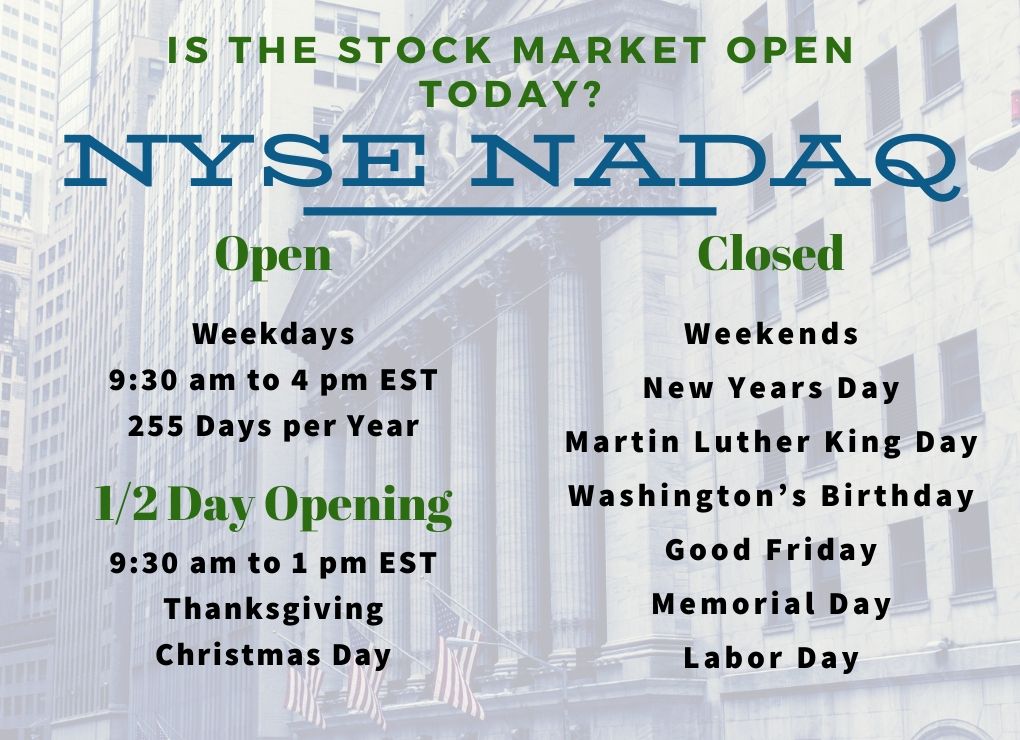
The standard trading session for the NYSE runs from 9:30 AM Eastern Time (ET) to 4:00 PM Eastern Time (ET), Monday through Friday. This six-and-a-half-hour window is when the vast majority of trading activity occurs, characterized by high liquidity and regulated price discovery. The opening bell, a symbol of the day’s commencement, and the closing bell, signaling the cessation of regular trading, are iconic moments that punctuate the financial day. These times are meticulously observed, ensuring a level playing field for all participants and providing a definitive period for market operations. Investors need to be acutely aware of this window, as order execution, price movements, and market volatility are primarily concentrated within these hours. Missed deadlines or misjudged times can lead to orders not being filled at desired prices or, worse, being executed at disadvantageous moments.
Significance of the Closing Bell
The closing bell is more than just a ceremonial act; it marks a critical juncture in the market day. It represents the final opportunity for investors to execute trades at regular session prices, influencing end-of-day valuations, portfolio summaries, and the calculation of various market indices. The period leading up to the close can often see increased volatility and trading volume as institutional investors “mark to market” their positions, rebalance portfolios, or attempt to execute large block trades. Furthermore, a stock’s closing price is often seen as a crucial indicator of its performance for the day and can set the tone for pre-market trading the following morning. For day traders, the closing bell signifies the end of their active trading period, while for long-term investors, it provides the final valuation for the day’s activities.
Beyond Standard Hours: Pre-Market and After-Hours Trading
While the 9:30 AM to 4:00 PM ET window defines the regular session, market activity doesn’t strictly adhere to these boundaries. Investors can engage in pre-market trading (typically from 4:00 AM ET to 9:30 AM ET) and after-hours trading (typically from 4:00 PM ET to 8:00 PM ET). These extended hours allow investors to react to news that breaks outside the regular session, such as earnings reports, economic data releases, or geopolitical events. However, it’s crucial to understand that trading during these periods comes with significant differences and heightened risks. Pre-market and after-hours sessions are characterized by lower liquidity, wider bid-ask spreads, and increased volatility due to fewer participants. This can lead to less efficient price discovery and greater price swings, making it a domain best approached with caution and a deep understanding of its unique dynamics. While they offer flexibility, they are not a substitute for the robust trading environment of the regular session.
Navigating Exceptions: Holidays and Early Closures
While the NYSE strives for consistency, the financial calendar is not without its breaks. Understanding when the market deviates from its standard schedule is paramount for financial planning and avoiding missed opportunities or unexpected portfolio adjustments.
Federal Holidays: When the Market Stays Shut
The NYSE observes most major U.S. federal holidays, meaning the exchange is completely closed on these days. Unlike some other sectors where businesses might operate on a reduced schedule, the NYSE typically shuts down entirely to honor these holidays. Common holidays that lead to a full market closure include:
- New Year’s Day
- Martin Luther King, Jr. Day
- Washington’s Birthday (Presidents’ Day)
- Good Friday
- Memorial Day
- Juneteenth National Independence Day
- Independence Day (July 4th)
- Labor Day
- Thanksgiving Day
- Christmas Day
It’s vital for investors to consult the official NYSE holiday schedule well in advance to plan their trading and investment activities around these closures. Attempting to place orders on a closed market will result in them being queued for the next trading day, potentially at significantly different prices.
Observed Holidays and Early Closing Schedules
In addition to full closures, there are instances where the NYSE might observe an early closing. These typically occur on the day before or after certain holidays, such as the day after Thanksgiving (Black Friday) or the day before Christmas (if it falls on a weekday). On these days, the market might close early, often at 1:00 PM ET, to allow market participants to observe the holiday. While not a full closure, an early close still dramatically shortens the trading window, impacting liquidity and the overall trading environment. Furthermore, if a holiday falls on a weekend, the NYSE may observe it on the nearest weekday, either Friday or Monday, leading to a full closure on that observed day. This nuance is critical for international investors, who might not be accustomed to U.S. specific holiday observance rules.

Where to Find Official Market Holiday Calendars
Given the critical nature of market hours, investors should always rely on official sources for the NYSE holiday schedule. The most reliable place to find this information is directly on the New York Stock Exchange’s official website (nyse.com) or through reputable financial news outlets that cite the official exchange calendar. Brokerage firms also typically provide their clients with updated schedules. Regularly checking these resources ensures that investors are always informed of any upcoming full closures or early market closes, enabling them to adjust their trading strategies, manage positions, and ensure they are not caught off guard by an unexpected halt in trading. Proactive awareness of the market calendar is a simple yet effective risk management tool.
Why Market Hours Matter: Impact on Investment Strategy
The timing of market operations is not merely an administrative detail; it profoundly influences investment strategy, risk assessment, and the potential for both gains and losses. Savvy investors understand that market hours are a dynamic element to be factored into every decision.
Volatility and Liquidity During Trading Hours
The regular trading session from 9:30 AM to 4:00 PM ET is characterized by its superior liquidity and more predictable volatility compared to extended hours. Liquidity, the ease with which an asset can be converted into cash without affecting its price, is highest when the maximum number of buyers and sellers are active. This typically means tighter bid-ask spreads and the ability to execute large orders without significant price impact. Volatility, or the degree of price fluctuation, tends to be most consistent during these hours, though significant news events can still cause spikes.
Conversely, pre-market and after-hours sessions often exhibit lower liquidity and higher volatility. With fewer participants, even small orders can move prices dramatically, and wider bid-ask spreads can make it more expensive to execute trades. Understanding these differences is crucial: an investor looking to make a substantial trade might prioritize the regular session for better pricing and execution, while someone reacting to breaking news might accept the higher risk of after-hours trading for immediate action.
The Strategic Importance of the Market Open and Close
The market open and close are particularly strategic periods. The first 30-60 minutes after the opening bell (the “opening cross”) often see heightened volatility and volume as investors react to overnight news, economic data, and pre-market activity. This period can present significant opportunities for day traders and momentum investors but also carries increased risk due to rapid price swings. Similarly, the final hour leading up to the closing bell (the “closing cross”) can also be a high-activity period, as investors adjust positions, institutional funds rebalance, and arbitrage opportunities are pursued. Understanding these specific windows within the broader trading day allows investors to tailor their strategies, whether it’s capitalizing on early momentum, avoiding late-day volatility, or executing orders when liquidity is deepest.
Managing Risk and Opportunities Outside Standard Hours
The ability to trade outside regular hours offers flexibility but demands a higher level of risk management. While it provides opportunities to react swiftly to global events or company announcements, the reduced liquidity means that stop-loss orders might not be executed at desired prices, and large price gaps can occur between the regular session close and the next morning’s open. Investors engaging in extended-hours trading should use limit orders to control their entry and exit prices, be aware of the lower volume, and understand that price discovery may be less efficient. For long-term investors, the focus shifts to understanding how extended-hours activity might influence the next day’s regular session opening, rather than actively participating in the higher-risk environment themselves. Prudent investors weigh the potential for quick gains against the increased risks when deciding whether to engage in trading outside standard NYSE hours.
The Broader Context: The NYSE’s Role in Global Finance
The NYSE’s operational hours are not just about when individual stocks can be bought and sold; they are deeply intertwined with the fabric of global finance, reflecting market interconnectedness and setting the rhythm for much of the world’s economic activity.
A Pillar of Capital Markets
The New York Stock Exchange stands as a colossal pillar of global capital markets. It is the primary listing venue for many of the world’s largest and most influential companies, representing trillions of dollars in market capitalization. The transparency, regulation, and liquidity offered by the NYSE attract domestic and international investors, making it a crucial mechanism for capital formation, economic growth, and wealth creation. The integrity of its trading hours, coupled with its robust infrastructure, underpins its role as a trusted platform for companies to raise capital and for investors to participate in the ownership of leading enterprises. Its operational consistency is a testament to the stability it provides in an otherwise dynamic global economy.
How Market Hours Reflect Global Interconnectedness
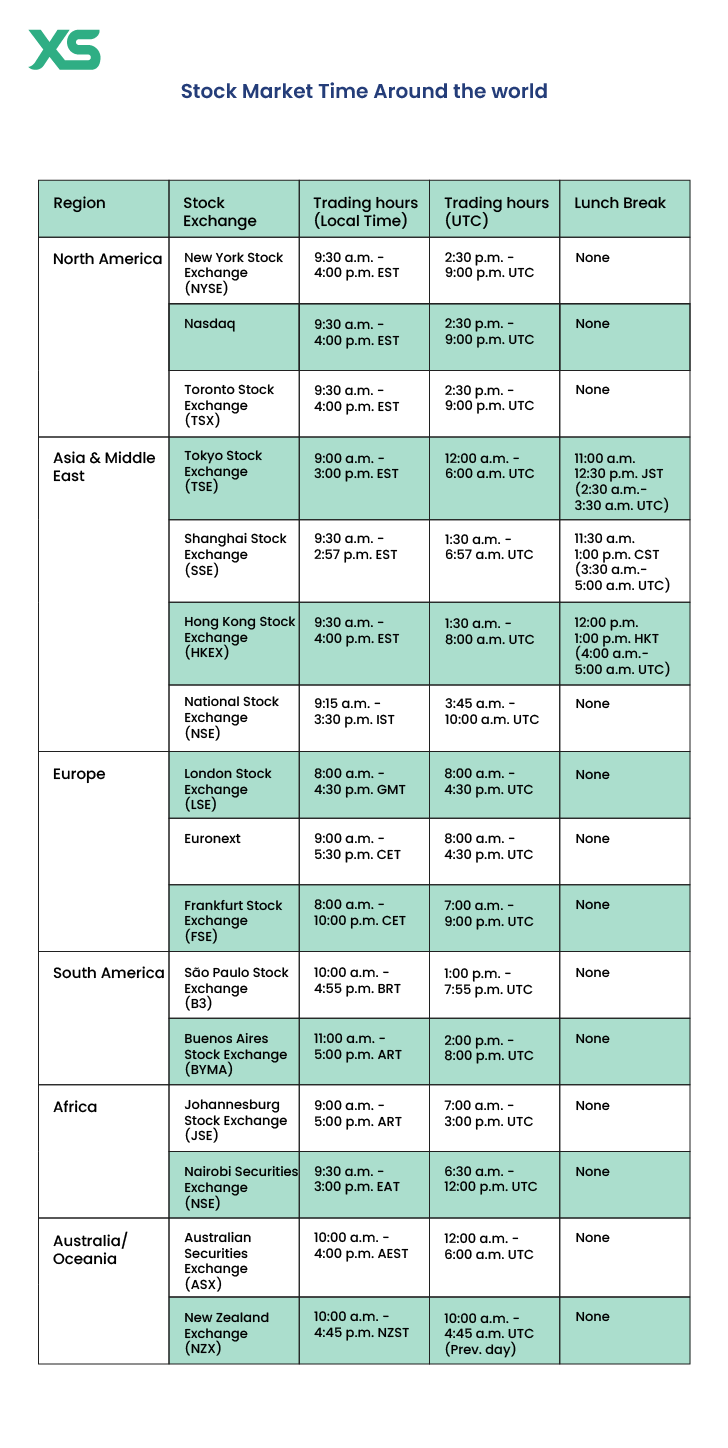
While the NYSE’s trading hours are set in Eastern Time, their impact is global. When the NYSE is open, financial markets across Europe, Asia, and other regions are either preparing to open, already open, or winding down. News and economic data from one part of the world can directly influence trading sentiment and activity on Wall Street, and vice-versa. For instance, the closing prices of major European indices often provide a lead for NYSE traders, while the performance of the NYSE can set the tone for Asian markets the following day. This interconnectedness means that even when the NYSE is closed, global events continue to unfold, often influencing pre-market activity or the next day’s opening. Understanding this global interplay is vital for sophisticated investors who manage international portfolios or trade in multiple markets.
Staying Informed in a Dynamic Financial Landscape
In today’s fast-paced digital age, staying informed about market hours, holidays, and any unforeseen closures is easier than ever, but no less critical. Beyond the NYSE’s official website, investors can leverage a myriad of financial news services, market data platforms, and brokerage alerts to receive real-time updates. Economic calendars provide foresight into upcoming events that might influence market behavior, while alerts can notify traders of early closures or unexpected market halts. Given the potential for unforeseen events, such as severe weather or major technological glitches, to impact trading hours, maintaining vigilance and subscribing to reliable information channels is a fundamental practice for any engaged investor. The market never truly sleeps, and being aware of its operational rhythm, both standard and exceptional, is a key differentiator for successful navigation.
aViewFromTheCave is a participant in the Amazon Services LLC Associates Program, an affiliate advertising program designed to provide a means for sites to earn advertising fees by advertising and linking to Amazon.com. Amazon, the Amazon logo, AmazonSupply, and the AmazonSupply logo are trademarks of Amazon.com, Inc. or its affiliates. As an Amazon Associate we earn affiliate commissions from qualifying purchases.