
In the modern financial landscape, few events carry as much weight as the quarterly earnings release of NVIDIA Corporation (NVDA). As a cornerstone of the semiconductor industry and a primary beneficiary of the artificial intelligence revolution, NVIDIA’s financial health is often viewed as a proxy for the broader health of the global economy and the tech sector’s capital expenditure trends. For investors, traders, and financial analysts, knowing the exact timing of these reports is not just a matter of curiosity—it is a critical component of risk management and strategic positioning.
Understanding the Timing of NVIDIA’s Earnings Releases
When an investor asks, “What time does NVDA report earnings?” they are typically looking for the specific window in which the company’s financial results will be disseminated to the public. Historically, NVIDIA follows a consistent schedule that aligns with the norms of large-cap technology companies listed on the Nasdaq.
Standard Reporting Windows: The Post-Market Tradition
NVIDIA almost exclusively reports its quarterly financial results after the closing bell of the New York Stock Exchange. Generally, the official press release is distributed between 4:20 PM and 4:25 PM Eastern Time (ET). This timing is intentional; it allows the market to digest the raw data after regular trading hours have concluded, theoretically reducing the immediate, knee-jerk volatility that would occur if the news broke during the heat of the trading day.
Following the press release, the company hosts a conference call, typically starting at 5:00 PM ET. This call is where the executive leadership team—most notably CEO Jensen Huang and CFO Colette Kress—provides qualitative context to the quantitative figures.
Why the After-Hours Release Matters
The “after-hours” market is characterized by lower liquidity and higher volatility than the standard trading session. For investors, the time between the 4:00 PM close and the 4:20 PM release is often one of high tension. Prices may fluctuate wildly on “whisper numbers” or leaks before the official document is posted to the SEC’s EDGAR system and the NVIDIA Investor Relations website. Understanding this timing allows traders to set appropriate stop-losses or adjust options positions before the liquidity evaporates in the post-market session.
Staying Updated with the Investor Relations Calendar
While historical patterns are a reliable guide, NVIDIA’s fiscal year does not align with the calendar year. NVIDIA’s fiscal years end in late January. Therefore, their “Q3” report might occur in November, and their “Q4 and Full Year” report typically falls in late February. To stay precise, investors should monitor the NVIDIA Investor Relations (IR) website. The company usually issues a press release two to three weeks in advance of the earnings date to confirm the exact day and time of the upcoming call.
Why NVDA Earnings Are a Global Market Event
NVIDIA has transcended its origins as a gaming-chip manufacturer to become a systemic piece of the global financial infrastructure. Because of its massive market capitalization, its earnings reports have the power to move major indices, including the S&P 500 and the Nasdaq-100.
NVIDIA as a Leading Indicator for the Semiconductor Sector
The semiconductor industry is notoriously cyclical, but NVIDIA has carved out a unique niche within the high-growth AI and data center segments. When NVIDIA reports, the entire “chip” ecosystem—including equipment manufacturers like ASML and competitors like AMD—moves in sympathy. If NVIDIA reports a delay in its next-generation architecture or a slowdown in enterprise spending, it can trigger a multi-billion dollar sell-off across the sector. Conversely, a “beat and raise” scenario often lifts the entire tide of the tech market.
The Impact on S&P 500 and Nasdaq Benchmarks
Due to its weighting, NVIDIA is one of the few stocks that can single-handedly dictate the direction of passive index funds. For the millions of individuals who hold “total market” or “S&P 500” ETFs, NVIDIA’s earnings are relevant even if they don’t own the individual ticker. The timing of the report often sets the tone for the following day’s market open. A positive surprise in the post-market can lead to a “gap up” at 9:30 AM the next morning, influencing the retirement accounts of even the most passive investors.

AI Demand as a Financial Catalyst
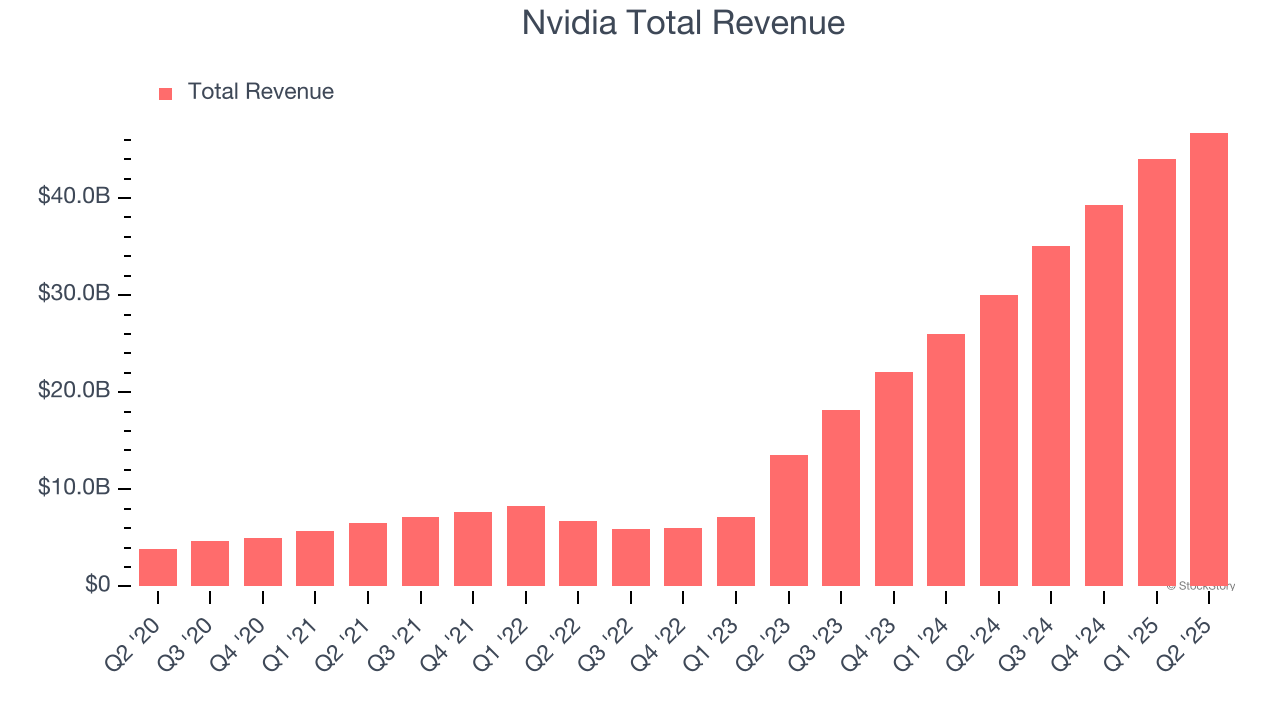
In the current economic cycle, NVIDIA’s earnings serve as a litmus test for the “AI ROI” (Return on Investment) debate. Financial analysts look at NVIDIA’s numbers to see if big tech companies (Microsoft, Google, Meta, Amazon) are continuing to spend aggressively on infrastructure. If NVIDIA’s revenue continues to climb, it validates the capital expenditure of the world’s largest companies. If it falters, it may signal that the AI boom is cooling, which has profound implications for growth-oriented investment strategies.
Key Financial Metrics to Watch Beyond the Top and Bottom Line
While the “time” of the report is the immediate concern, the substance of the report determines the long-term price action. To understand the “money” story of NVIDIA, investors must look past the headline EPS (Earnings Per Share) and Revenue figures.
Data Center Revenue Growth
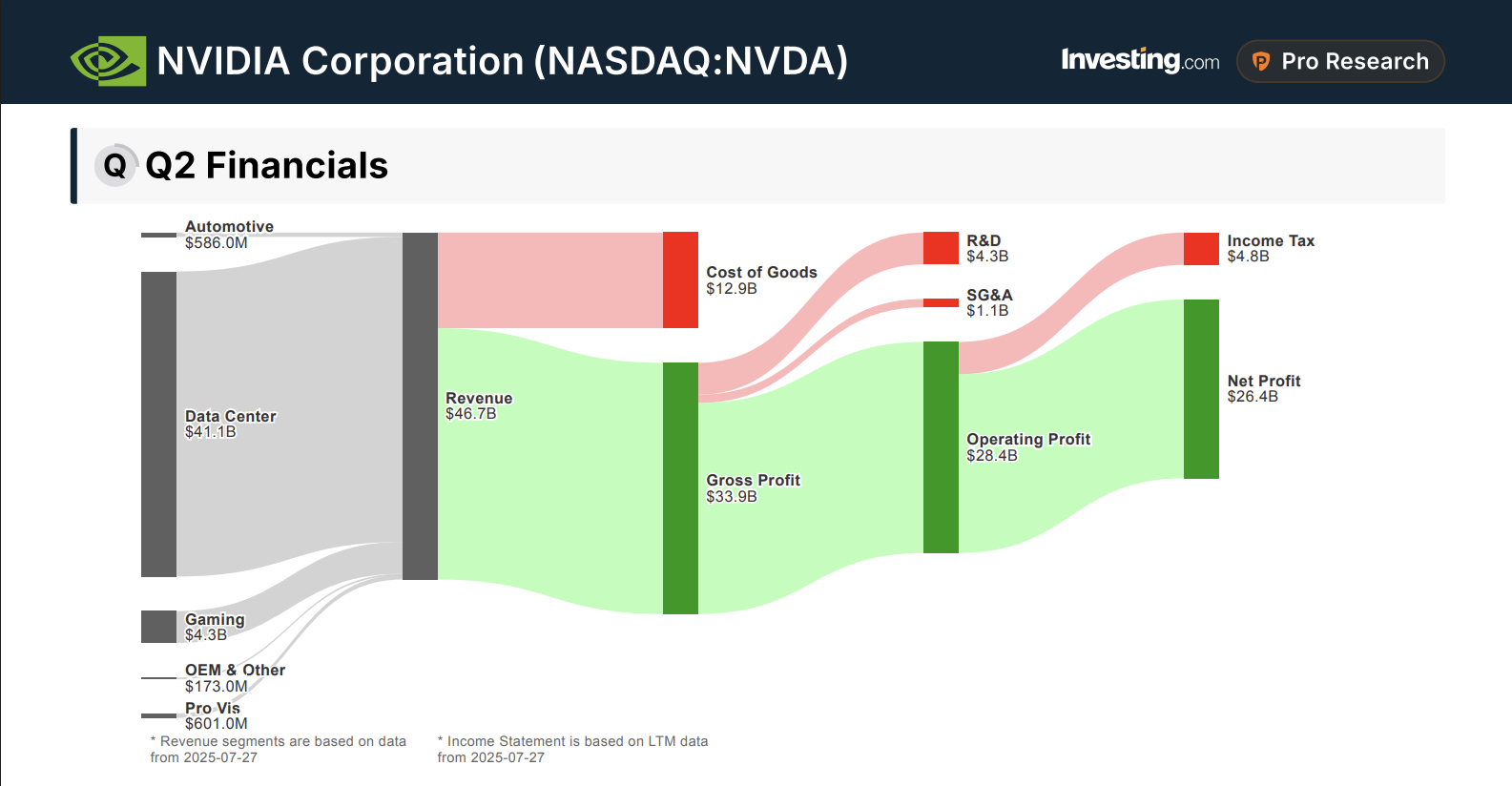
For several years, the “Gaming” segment was NVIDIA’s primary breadwinner. Today, the “Data Center” segment is the crown jewel. Investors look for the percentage of total revenue derived from data centers to gauge the company’s dominance in the AI server market. A high double-digit or triple-digit year-over-year growth rate in this segment is often required to sustain the stock’s high price-to-earnings (P/E) multiple.
Gross Margin Sustainability
One of the most impressive aspects of NVIDIA’s financial profile is its gross margin, which has recently hovered in the 70% to 75% range. In the world of hardware, these are software-like margins. During the earnings release, analysts scrutinize whether these margins are sustainable or if competition and supply chain costs are starting to eat into profitability. Any contraction in gross margins is often viewed by the market as a red flag for future earnings power.
Forward Guidance and the Outlook for AI Spending
In the world of investing, the past is already priced in. What moves the stock at 4:20 PM ET is the “Guidance.” This is the company’s own projection for the upcoming quarter and fiscal year. Because NVIDIA operates in a rapidly evolving market, their guidance is often more important than their actual results. If NVIDIA “beats” the previous quarter’s expectations but provides “weak” guidance for the next quarter, the stock price will likely fall. Investors are paying for future cash flows, and the guidance is the clearest window into those flows.
Strategic Considerations for Investors During Earnings Week
The 24 to 48 hours surrounding an NVIDIA earnings report are some of the most volatile periods in the financial markets. For those managing a portfolio, a structured approach is necessary to navigate the noise.
Managing Volatility and Options Pricing
The options market often “prices in” a significant move for NVIDIA on earnings night—sometimes as much as 8% to 10% in either direction. This is known as “Implied Volatility” (IV). For the individual investor, buying options right before the 4:20 PM release can be risky due to “IV Crush,” where the value of the option drops immediately after the news is released, even if the stock moves in the predicted direction. From a money management perspective, it is often more prudent to evaluate the stock after the initial volatility has settled.
Long-Term Investing vs. Short-Term Trading
It is crucial for investors to identify their time horizon before the earnings clock strikes 4:00 PM. A long-term investor might view a post-earnings dip as a buying opportunity, focusing on the company’s multi-year moat in the AI space. Conversely, a short-term trader is looking to capitalize on the immediate price action. Mixing these two strategies—such as panic-selling a long-term position because of a 5% post-market drop—is a common mistake that erodes wealth.
Analyzing the Conference Call for Qualitative Insights
While the press release at 4:20 PM gives you the “what,” the 5:00 PM conference call gives you the “why.” Sophisticated investors listen for clues regarding supply chain constraints (such as CoWoS packaging capacity at TSMC) and the adoption rate of new products like the Blackwell architecture. The tone of the CEO and the specificity of the answers provided to institutional analysts can provide a “read between the lines” perspective that isn’t available in the raw data.
In conclusion, knowing what time NVDA reports earnings is the first step in a broader financial exercise. It marks the beginning of a period of intense price discovery that impacts everything from individual portfolios to global indices. By understanding the timing, the metrics, and the market significance, investors can transition from being reactive participants to informed strategists in one of the most important financial events of the quarter.
aViewFromTheCave is a participant in the Amazon Services LLC Associates Program, an affiliate advertising program designed to provide a means for sites to earn advertising fees by advertising and linking to Amazon.com. Amazon, the Amazon logo, AmazonSupply, and the AmazonSupply logo are trademarks of Amazon.com, Inc. or its affiliates. As an Amazon Associate we earn affiliate commissions from qualifying purchases.