
For anyone navigating the complex, often exhilarating world of investing, understanding the operational hours of the New York Stock Exchange (NYSE) is fundamental. Far from being a mere trivia point, knowing when the world’s largest stock exchange opens and closes is a cornerstone of informed trading, risk management, and strategic financial planning. It dictates when price discovery occurs, when liquidity peaks, and when major market-moving news often unfolds. This article delves into the precise timings of the NYSE, exploring not just its standard operating hours but also the nuances of pre-market, after-hours trading, and the critical impact these schedules have on investors of all stripes.

The Core Trading Hours of the NYSE
The standard operational window of the New York Stock Exchange is the bedrock of daily market activity, a period of intense trading that shapes global financial landscapes.
Standard Market Open and Close: The Bell’s Call
The iconic opening and closing bells of the NYSE symbolize the beginning and end of each trading day. For the vast majority of investors, these are the hours that matter most. The New York Stock Exchange officially opens for trading at 9:30 AM Eastern Time (ET) and closes at 4:00 PM ET on weekdays. This seven-and-a-half-hour window is when the bulk of stock transactions occur, offering the highest liquidity and generally the tightest bid-ask spreads.
It is crucial to remember that all times refer to the Eastern Time Zone in the United States. For investors located in different time zones, converting this to their local time is an essential first step. For instance, an investor on the West Coast of the U.S. (Pacific Time) would see the market open at 6:30 AM PT and close at 1:00 PM PT. Similarly, European or Asian investors must account for significant time differences, often requiring them to adjust their schedules to monitor market movements. The market operates Monday through Friday, with specific exceptions for recognized holidays, which can significantly alter the trading calendar.
Understanding Market Holidays: When the Market Rests
While the 9:30 AM to 4:00 PM ET schedule is standard, the NYSE does observe a number of holidays throughout the year, during which the market is closed. These closures are critical for financial planning and avoiding unexpected disruptions to trading strategies. Common NYSE holidays typically include:
- New Year’s Day
- Martin Luther King, Jr. Day
- Presidents’ Day
- Good Friday
- Memorial Day
- Juneteenth National Independence Day
- Independence Day
- Labor Day
- Thanksgiving Day
- Christmas Day
It is important to note that if a holiday falls on a weekend, the market may observe it on the preceding Friday or the following Monday. For instance, if Christmas Day falls on a Saturday, the market might be closed on Friday, December 24th. The official NYSE website and reputable financial news outlets publish the definitive holiday schedule well in advance, and investors should always consult these resources to stay informed. Planning trades around these holidays is crucial, as major news or economic reports released during market closures can lead to significant price gaps when trading resumes.
Early Closures and Special Trading Sessions: Exceptions to the Rule
Beyond full-day holidays, the NYSE occasionally operates on a shortened schedule, typically closing early. These early closures are less frequent but equally important for investors to track. Examples include the day after Thanksgiving (Black Friday), when the market might close at 1:00 PM ET, or sometimes the day before Independence Day if it falls on a weekday. These shortened sessions can still experience considerable volatility, especially with reduced trading volume.
Occasionally, there are also “special” or “half-day” sessions, though these are becoming less common for general equities trading. Derivative markets, however, might have slightly different or extended hours. Staying abreast of these exceptions requires proactive checking of the NYSE’s official calendar or subscribing to alerts from your brokerage or financial news services. Misjudging an early close can impact order execution, especially for time-sensitive strategies.
Beyond Standard Hours: Pre-Market and After-Hours Trading
While the core 9:30 AM to 4:00 PM ET window defines the primary market activity, the financial world doesn’t simply shut down. The advent of electronic trading has enabled significant activity to occur outside these standard hours, known as pre-market and after-hours trading.
The Dynamics of Pre-Market Trading
Pre-market trading allows investors to buy and sell stocks before the official market open. This period typically runs from 4:00 AM ET to 9:30 AM ET. Its primary purpose is to allow market participants to react to news, earnings reports, or global economic developments that occur overnight or before the standard trading session begins. For example, a major company might release its quarterly earnings report at 7:00 AM ET; pre-market trading allows immediate price adjustments based on this news, rather than waiting for 9:30 AM.
However, pre-market trading comes with distinct characteristics and risks. Liquidity is generally much lower than during standard hours, meaning fewer buyers and sellers are present. This reduced liquidity can lead to higher volatility and wider bid-ask spreads, making it more challenging to execute trades at desired prices. Prices can also be more susceptible to manipulation or large swings due to fewer participants. While institutional investors and professional traders often utilize pre-market sessions to gain an edge, retail investors should approach it with caution, understanding the increased risks involved.
Navigating After-Hours Trading
After-hours trading picks up where the standard session leaves off, running from 4:00 PM ET to 8:00 PM ET. Similar to pre-market, its function is to facilitate reactions to information released after the market close. Many companies strategically release their earnings reports or significant announcements after 4:00 PM ET to prevent knee-jerk reactions during the regular trading day. After-hours trading provides a mechanism for the market to immediately incorporate this new information into stock prices.
The characteristics of after-hours trading mirror those of pre-market: lower liquidity, higher volatility, and wider spreads. While it offers flexibility, the reduced depth of the market can lead to less efficient price discovery and greater price discrepancies compared to the core trading hours. Retail investors often access both pre-market and after-hours trading through Electronic Communication Networks (ECNs) via their brokerage platforms, which aggregate orders from various participants. It is crucial to use limit orders during these periods to ensure trades are executed at or better than a specified price, mitigating the risk of adverse price movements.
Extended-Hours Trading Mechanisms: ECNs and Order Types
The ability to trade outside standard hours is largely facilitated by Electronic Communication Networks (ECNs). These automated systems match buy and sell orders electronically, bypassing traditional exchange floor operations. ECNs play a vital role in providing the infrastructure for pre-market and after-hours trading, offering platforms where orders can be placed and executed efficiently.
For retail investors looking to participate in extended-hours trading, it’s important to understand specific order types. Market orders, which instruct to buy or sell immediately at the best available price, are generally discouraged during extended hours due to the low liquidity and wide spreads that can lead to unfavorable execution prices. Instead, limit orders are preferred. A limit order specifies the maximum price you’re willing to pay to buy or the minimum price you’re willing to accept to sell, providing greater control over execution price in volatile, low-liquidity environments. Investors should also be aware that not all stocks are available for extended-hours trading, and specific brokerages may have different policies or access levels.
Why Market Hours Matter for Investors
Understanding the nuances of market hours is not just about knowing when to trade; it’s about comprehending the fundamental dynamics that drive stock prices and investor behavior.
Impact on Volatility and Liquidity: The Rhythm of the Market
The core trading hours of the NYSE are when liquidity is at its peak. With a high volume of buyers and sellers actively participating, the market becomes highly efficient at price discovery. This period typically sees tighter bid-ask spreads, making it easier for investors to execute trades at prices close to their desired levels. Volatility during these hours is generally a reflection of real-time supply and demand, economic data, and news flow.
Conversely, pre-market and after-hours sessions are characterized by significantly lower liquidity. This reduced volume means that even a small number of large orders can cause substantial price swings, leading to increased volatility. Wider bid-ask spreads during these times result in higher transaction costs and greater difficulty in entering or exiting positions favorably. For these reasons, many long-term investors or those sensitive to transaction costs prefer to execute their trades during the regular market hours. Day traders, however, might strategically leverage the volatility of specific periods, such as the market open or close, to capitalize on rapid price movements.
Strategic Considerations for Different Investor Types
Market hours impact different investor profiles in unique ways:
- Day Traders: For those who buy and sell multiple times within a single trading day, market hours are paramount. They often focus on the opening and closing hours, which tend to exhibit higher volatility and liquidity, presenting opportunities for quick gains or losses. Understanding momentum and volume patterns tied to specific hours is crucial for their strategies.
- Long-Term Investors: While not trading by the minute, long-term investors still need to be aware of market hours. Major portfolio rebalances or significant buy/sell decisions are typically executed during standard hours to benefit from optimal liquidity and price discovery. They also need to be mindful of holiday schedules, as major economic reports or company news released during closures can lead to significant price gaps when trading resumes.
- International Investors: For investors outside North America, time zone differences are a constant challenge. They must reconcile their local time with ET, often requiring them to trade during unusual hours or rely more heavily on limit orders and automated trading systems. The interconnectedness of global markets also means that the performance of Asian or European markets can influence the NYSE’s opening sentiment.
Managing News and Earnings Releases: Timing is Everything
Companies carefully time their important announcements, particularly earnings reports, to minimize disruption to the regular trading session. Most companies release their quarterly earnings either before the market opens (e.g., 7:00 AM ET) or after the market closes (e.g., 4:05 PM ET). This strategic timing allows investors and analysts to digest the information and for the market to adjust prices during pre-market or after-hours trading, reducing sudden price shocks during core hours.
For investors, tracking these release schedules is vital. Reacting to an earnings report during after-hours trading might offer an early advantage, but it also carries the risks associated with lower liquidity. Conversely, waiting for the market open might mean missing initial price movements but offers the benefit of higher liquidity and more stable pricing. Understanding when these events occur relative to market hours allows investors to formulate a strategy for how and when they will react to critical information.
Practical Tools and Resources for Tracking Market Hours
In today’s digital age, staying informed about market hours and exceptions is easier than ever. A range of tools and resources are available to ensure investors are always aware of the market’s pulse.
Brokerage Platforms and Apps: Your Digital Trading Hub
Virtually all modern brokerage platforms and mobile apps provide real-time information on market status. Most will clearly indicate whether the market is open, closed, or operating under extended hours. Many platforms also offer customizable alerts for market open/close, news events, or even specific stock movements. These integrated tools are often the most convenient way for individual investors to monitor market timings, as they are directly tied to their trading accounts. They often feature built-in calendars that highlight upcoming holidays or early closures.
Financial News Websites and Data Providers: Reliable Information Sources
For a comprehensive view, reputable financial news websites and dedicated data providers are invaluable. Sources like Bloomberg, Reuters, The Wall Street Journal, and CNBC consistently provide updated market calendars, holiday schedules, and news alerts. The official website of the New York Stock Exchange (NYSE.com) is the definitive source for its operational hours, holidays, and any special announcements. Subscribing to their newsletters or checking their dedicated market calendars should be a routine practice for serious investors. These sites often provide detailed information on specific index or derivative market hours, which might differ from the main equity market.
Setting Up Personal Market Alerts: Staying Proactive
Beyond institutional tools, individual investors can set up personal alerts to stay informed. Many smartphone calendar apps allow users to create recurring events for market open/close and add one-time events for holidays or early closures. Third-party apps specializing in market alerts can also be configured to send push notifications for specific events. This proactive approach ensures that investors don’t miss critical market movements or inadvertently attempt to trade during closed periods. It also helps manage time zones, sending alerts in the investor’s local time.
The Global Context: NYSE in a 24/7 Financial World
While the NYSE has defined hours, it operates within an increasingly interconnected global financial system that is, in many ways, always active.
Interconnectedness of Global Markets: The Domino Effect
The NYSE doesn’t exist in a vacuum. Its opening mood is often influenced by how Asian and European markets performed hours before. A significant economic announcement in China or a major corporate earnings miss in Germany can ripple through global markets, influencing futures prices and setting the tone for the NYSE’s open. Investors active in U.S. markets often monitor these overseas developments, as they can provide early indications of potential volatility or directional trends for the domestic session. The “domino effect” means that major news events, even from distant shores, rarely stay contained to one time zone.
The Rise of Cryptocurrency and Forex: Truly 24/7 Markets
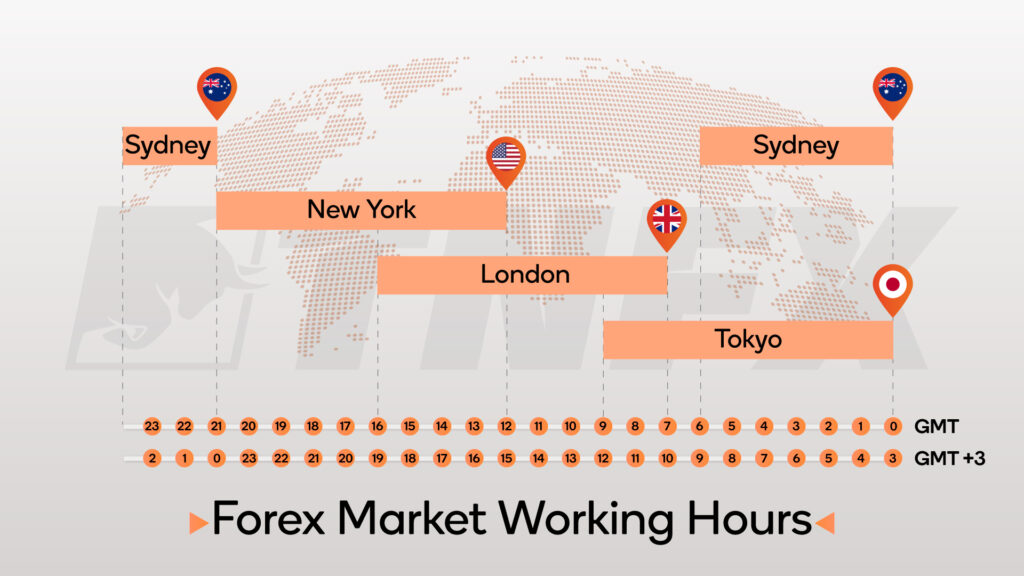
The emergence of cryptocurrencies and the long-standing nature of the foreign exchange (forex) market represent a significant contrast to traditional equity markets like the NYSE. Cryptocurrency markets trade 24 hours a day, 7 days a week, without breaks for weekends or holidays. Similarly, the forex market operates 24/5, starting Sunday evening ET and running until Friday evening ET, with only a short break on weekends.
This always-on nature has implications for traditional market participants. It means that capital can flow continuously, and global events can be priced in without waiting for traditional market opens. While distinct, the performance of these 24/7 markets can sometimes offer insights or draw capital away from traditional equity markets, further blurring the lines of “market hours” in a broader financial sense. For the NYSE, this reinforces the importance of pre-market and after-hours trading as necessary bridges to maintain relevance in a continuous global news cycle.
Conclusion
Understanding “what time the New York Stock Exchange opens” is far more than a simple query; it’s a gateway to comprehending the intricate rhythms of global finance. From the iconic 9:30 AM ET opening bell to the nuanced dynamics of pre-market and after-hours sessions, every investor must grasp these operational tenets. The standard trading hours offer peak liquidity and efficient price discovery, while extended hours provide flexibility at the cost of higher volatility and wider spreads.
By diligently tracking market holidays, utilizing reliable tools and resources, and appreciating the global interconnectedness that influences the NYSE’s daily pulse, investors can make more informed decisions. In a financial world that increasingly operates around the clock, knowing when and how the core of U.S. equity markets functions remains an indispensable piece of knowledge for effective investing and sound financial strategy.
aViewFromTheCave is a participant in the Amazon Services LLC Associates Program, an affiliate advertising program designed to provide a means for sites to earn advertising fees by advertising and linking to Amazon.com. Amazon, the Amazon logo, AmazonSupply, and the AmazonSupply logo are trademarks of Amazon.com, Inc. or its affiliates. As an Amazon Associate we earn affiliate commissions from qualifying purchases.