
The Nasdaq Stock Market, a global electronic marketplace for buying and selling securities, stands as a beacon for technology-driven companies and a cornerstone of the modern financial world. For investors, traders, and anyone keen on navigating the intricate dance of capital markets, understanding its operating hours is not merely a logistical detail but a critical component of successful financial engagement. Knowing precisely when the market opens and closes dictates everything from trade execution to strategy formulation, risk management, and the very rhythm of investment decisions. This comprehensive guide delves into the Nasdaq’s market hours, exploring their nuances, implications, and strategic considerations for diverse financial pursuits.
The Core Trading Hours of Nasdaq
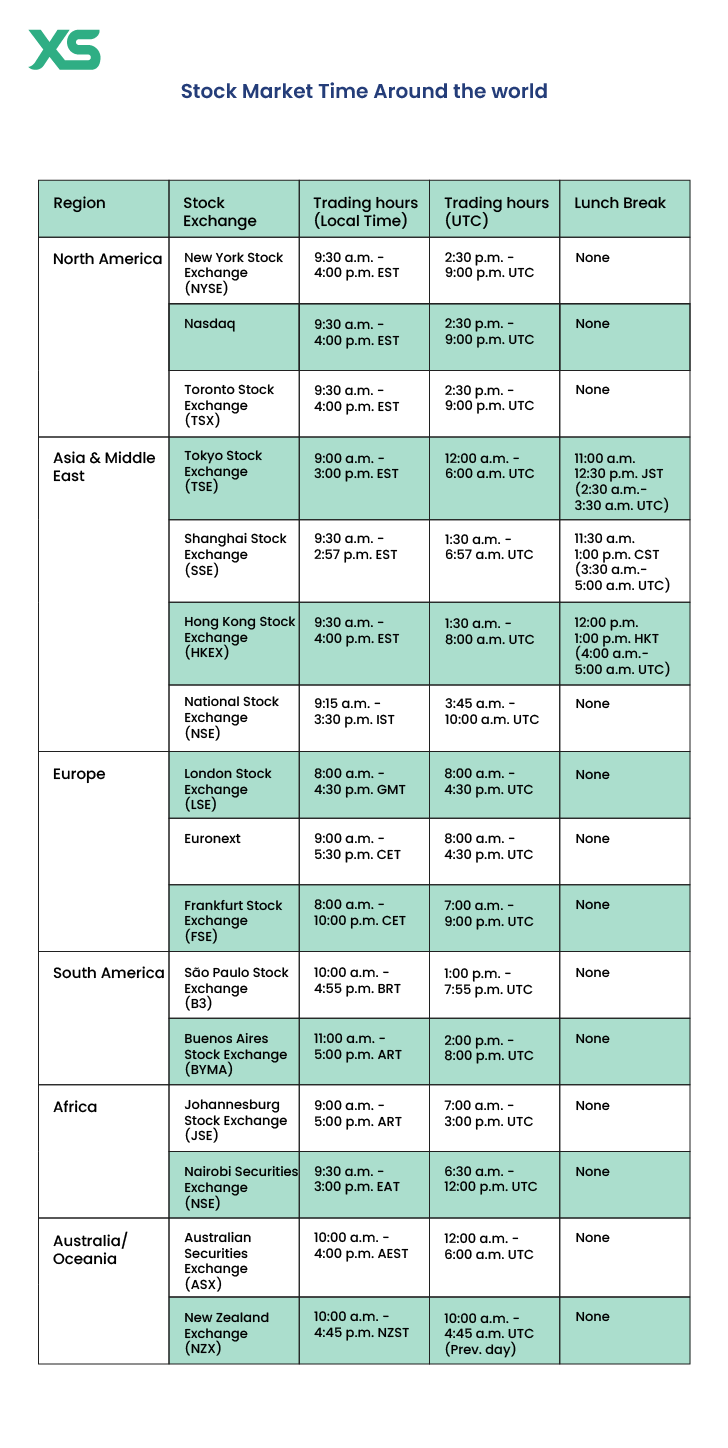
At the heart of the Nasdaq’s operations are its standard trading hours, the period during which the vast majority of transactions occur and market prices are most transparent and liquid. These hours are designed to facilitate efficient trading for participants across various time zones within North America, while also providing a framework for global market interaction.
Standard Operating Schedule
The Nasdaq Stock Market, like its counterpart the New York Stock Exchange (NYSE), adheres to a conventional trading day. Officially, the Nasdaq’s regular trading session runs from 9:30 AM Eastern Time (ET) to 4:00 PM Eastern Time (ET) on weekdays. During these six and a half hours, the market is fully operational, order books are robust, and liquidity is at its peak. This window is often referred to as the “cash session” or “regular trading hours,” characterized by the highest volume and most dynamic price discovery.
It’s crucial for investors to remember that these times are based on Eastern Time, which means individuals in other time zones must adjust accordingly. For example, a trader in California (Pacific Time) would see the market open at 6:30 AM PT and close at 1:00 PM PT, while someone in London (GMT) would observe a market open at 2:30 PM GMT and close at 9:00 PM GMT. This time zone awareness is paramount for international investors and those operating outside of ET.
Early Closures and Holidays
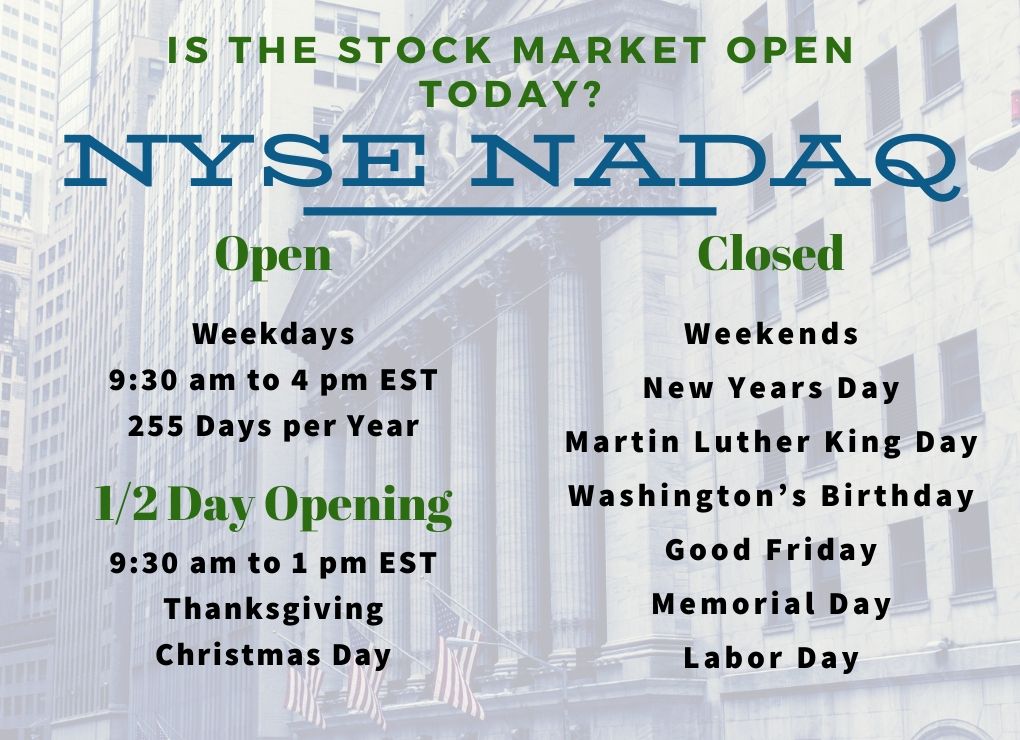
While the 9:30 AM to 4:00 PM ET schedule is standard, the Nasdaq does observe certain deviations. The market closes in observance of all U.S. federal holidays. These include New Year’s Day, Martin Luther King, Jr. Day, Presidents’ Day, Good Friday, Memorial Day, Juneteenth National Independence Day, Independence Day, Labor Day, Thanksgiving Day, and Christmas Day. On these days, the market is completely shut down, and no trading occurs.
Furthermore, there are occasions when the Nasdaq may have an early close. Typically, this happens the day before or after certain holidays, such as the day after Thanksgiving (Black Friday) or on Christmas Eve. On these abbreviated trading days, the market often closes at 1:00 PM ET. It’s imperative for investors to stay informed about these special schedules, as trading liquidity can be lower, and market movements can sometimes be more erratic during shortened sessions. Financial news outlets, brokerage platforms, and the Nasdaq’s official website are reliable sources for up-to-date holiday and early closure schedules.
The Significance of the Opening Bell
The opening bell, traditionally a physical bell but now often a symbolic countdown on electronic screens, marks the precise moment trading commences on the Nasdaq. This initial period, often the first 30 to 60 minutes after 9:30 AM ET, is characterized by heightened volatility and significant trading volume. This surge is driven by a confluence of factors: the culmination of news and events that occurred overnight, the execution of pre-market orders, and the immediate reactions of institutional and retail investors. Similarly, the closing bell at 4:00 PM ET often sees another spike in activity as traders try to square positions or execute last-minute orders before the market closes. Understanding the dynamics of these “power hours” can be critical for short-term traders looking to capitalize on early momentum or late-day swings.
Beyond Standard Hours: Pre-Market and After-Hours Trading
While the regular 9:30 AM to 4:00 PM ET session dominates attention, the Nasdaq also facilitates trading outside these hours, commonly known as pre-market and after-hours trading. These extended sessions offer opportunities but also come with distinct characteristics and risks that investors must understand.
Understanding Pre-Market Sessions
Pre-market trading on the Nasdaq typically begins as early as 4:00 AM ET and extends until the market opens at 9:30 AM ET. This early window allows investors to react to news released before the market opens, such as earnings reports, mergers and acquisitions announcements, or significant economic data. Institutional investors, hedge funds, and sophisticated individual traders often utilize this period to adjust their portfolios or take positions ahead of the regular session. Price discovery can be less efficient during this time due to lower liquidity, meaning fewer buyers and sellers are present, which can lead to wider bid-ask spreads and potentially more volatile price swings on lower volume.
Navigating After-Hours Trading
Conversely, after-hours trading takes place once the regular session concludes. On the Nasdaq, this typically runs from 4:00 PM ET until 8:00 PM ET. Similar to pre-market trading, after-hours sessions are often driven by corporate announcements, analyst upgrades/downgrades, or global market movements that occur outside regular U.S. hours. For instance, if a major tech company listed on Nasdaq releases a groundbreaking product announcement or a disappointing earnings revision after 4:00 PM ET, its stock price can react immediately in the after-hours market, often significantly, before the next regular trading day.
Risks and Opportunities in Extended Hours
Extended-hours trading presents both unique opportunities and heightened risks. The primary opportunity lies in the ability to react quickly to news and potentially gain an edge by trading before the broader market can respond. This can be particularly appealing for those seeking to capitalize on immediate price movements.
However, the risks are substantial. The most significant concern is lower liquidity. With fewer participants, it can be harder to buy or sell shares at desired prices. Trades may execute at prices significantly different from the last reported price during regular hours, and bid-ask spreads can be much wider, increasing transaction costs. Furthermore, price volatility can be exaggerated due to this lower liquidity, meaning prices can swing dramatically on relatively small trade volumes. There’s also a risk of information asymmetry, where some market participants may have access to information sooner than others, creating an uneven playing field. Investors considering extended-hours trading should use limit orders to control their execution prices and be fully aware of the increased risks involved.
Why Market Hours Matter to Investors
The concept of market hours extends far beyond a simple schedule; it profoundly influences market dynamics, trading strategies, and investment outcomes. Understanding these broader implications is crucial for making informed financial decisions.
Volatility and Liquidity During Trading Sessions
The regular trading hours (9:30 AM – 4:00 PM ET) are characterized by the highest liquidity and, generally, the most predictable levels of volatility. Liquidity, the ease with which an asset can be converted into cash without affecting its market price, is critical for efficient trading. During regular hours, the sheer volume of participants ensures that there are always buyers and sellers, allowing for quick execution of orders at competitive prices.
Volatility tends to be highest at the market open and close, as discussed, but also in response to major economic data releases (e.g., jobs reports, inflation data) or company-specific news that occurs during the trading day. Mid-day often sees a lull in activity, sometimes referred to as the “lunch hour” effect, before picking up again in the afternoon. Investors need to be aware of these patterns to manage their risk exposure and capitalize on opportune moments.
Impact on Trading Strategies (Day Trading vs. Long-Term Investing)
The significance of market hours varies dramatically depending on an investor’s strategy.
- Day Traders are intimately tied to market hours. Their strategy revolves around opening and closing positions within the same trading day, making the regular session their entire universe. They thrive on volatility, liquidity, and rapid price movements, meticulously tracking the seconds and minutes the market is open. Extended hours are often too illiquid and risky for typical day trading strategies, though some highly sophisticated traders may engage.
- Swing Traders, who hold positions for a few days or weeks, also pay close attention to market hours, particularly the impact of overnight news on opening prices. They might use after-hours trading to react to earnings or significant events that could impact their positions before the next day’s open.
- Long-Term Investors, conversely, are generally less concerned with the minute-by-minute fluctuations of market hours. Their focus is on the fundamental health and growth prospects of the companies they invest in, often holding stocks for months or years. While they certainly monitor major news releases that can affect a company’s long-term outlook, the precise opening and closing times are less critical to their investment philosophy. Their concern with market hours might primarily involve placing orders when liquidity is highest to ensure fair execution.
Global Market Influence and Time Zones
The Nasdaq’s operating hours don’t exist in a vacuum. They are intricately linked to global financial markets. News breaking in Asian or European markets during U.S. overnight hours can significantly influence the Nasdaq’s opening sentiment. Conversely, developments during U.S. trading hours can ripple across markets in other time zones. For international investors, understanding their local time zone’s relationship to ET is paramount. A trader in Sydney, for example, might view the Nasdaq’s regular hours as an overnight session, requiring careful planning or automated strategies if they wish to participate actively without sacrificing sleep. The continuous flow of information across different time zones means that while the Nasdaq has defined hours, the factors influencing its prices are always in motion.
Tools and Resources for Tracking Nasdaq Hours
In today’s digital age, staying informed about Nasdaq’s operating hours, special schedules, and market-moving news is easier than ever. A plethora of tools and resources are available to help investors navigate the complexities of market timing.
Financial News Outlets and Websites
Reputable financial news sources are indispensable. Websites like Bloomberg, Reuters, The Wall Street Journal, CNBC, and Yahoo Finance consistently publish market holiday schedules, early closure announcements, and breaking news that can impact market sentiment during and outside regular hours. Many of these platforms offer dedicated market calendars that highlight upcoming events, earnings reports, and holiday closures, making it easy for investors to plan their trading and investment activities. Subscribing to their newsletters or setting up news alerts can provide timely updates.
Brokerage Platforms and Mobile Apps
Virtually all online brokerage platforms provide real-time information about market hours, including pre-market and after-hours trading windows. These platforms often integrate market calendars, news feeds, and even customizable alerts that notify users of upcoming market opens, closes, or special schedules. Mobile trading apps offer similar functionalities, enabling investors to stay connected to the market even on the go. Checking your brokerage’s official announcements or support sections is often the most reliable way to confirm market hours relevant to your account.
Setting Up Market Alerts and Notifications
For active traders and busy investors, automated alerts are invaluable. Many brokerage platforms, financial apps, and even smart assistants allow users to set up notifications for market open/close times, price alerts for specific stocks, or news alerts for companies in their portfolio. These tools ensure that investors don’t miss critical trading windows or significant market events, regardless of their daily schedule. Customizing these alerts to one’s specific time zone adds another layer of convenience and precision.
Strategic Considerations for Different Investor Types
Understanding Nasdaq’s market hours is not a one-size-fits-all endeavor. Its relevance and strategic implications differ significantly based on an investor’s profile, goals, and risk tolerance.
For the Active Trader: Maximizing Volatility
Active traders, particularly day traders and short-term swing traders, view market hours with extreme precision. The most volatile and liquid periods – the first hour after the open (9:30 AM to 10:30 AM ET) and the last hour before the close (3:00 PM to 4:00 PM ET) – are often their prime hunting ground. They aim to capitalize on swift price movements, break-outs, and reversals that occur when market participation is highest and news impact is most immediate. For them, knowing the exact opening time is crucial for setting up their trading environment, analyzing pre-market data, and being ready to execute trades instantly. They may also dabble in extended hours, but only with sophisticated strategies to mitigate the risks of lower liquidity and wider spreads.
For the Long-Term Investor: Patience Over Punctuality
Long-term investors, with their focus on fundamental value and multi-year growth, are far less concerned with the exact minute the Nasdaq opens or closes. Their investment thesis is built on a company’s enduring strengths, competitive advantages, and market position, not on hourly price fluctuations. While they pay attention to significant news (like quarterly earnings or major product launches), their concern is with the information itself and its implications for the future, rather than timing a trade down to the second. For them, the importance of market hours lies primarily in ensuring their buy or sell orders are placed during regular hours when liquidity is optimal, guaranteeing fair execution and minimal slippage. They often use limit orders to specify their desired price, regardless of the precise execution time within the market day.
For International Investors: Bridging Time Gaps
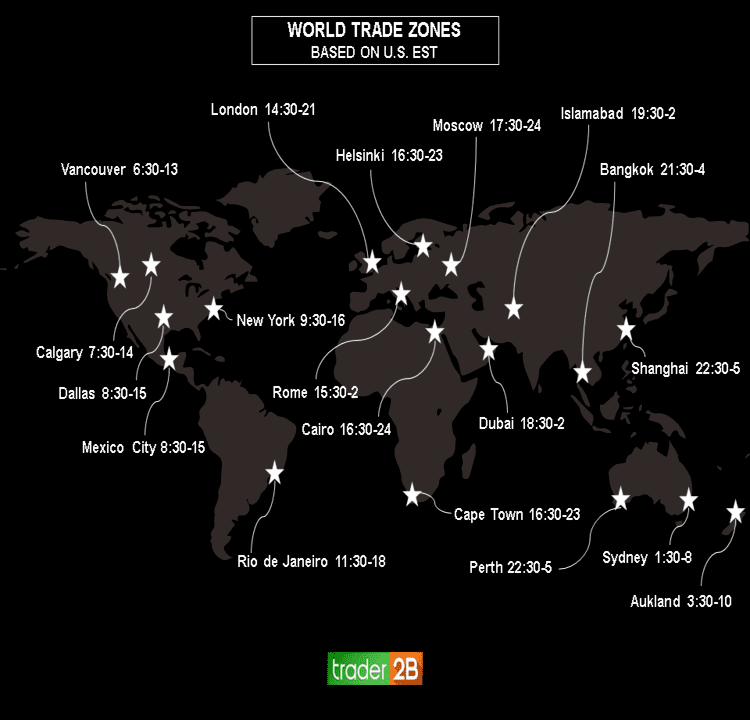
International investors face the added complexity of time zone differences. For someone in Asia or Europe, the Nasdaq’s regular hours might fall during their local night or early morning. This necessitates careful planning:
- Time Zone Conversion: Consistently converting ET to their local time is essential.
- Automated Trading: Some international investors might employ automated trading systems to execute orders during U.S. market hours without needing to be awake.
- Brokerage Services: Choosing a brokerage that offers robust international trading capabilities and 24/7 support can be beneficial.
- Focus on Fundamentals: Many international long-term investors simply place their orders during their own local daytime, understanding that the order will execute during the next U.S. trading session, trusting that the long-term trend outweighs any minor intra-day price discrepancies.
In conclusion, the Nasdaq’s market hours are a foundational element of its operation, impacting every facet of financial market participation. From the precise opening and closing bells to the extended hours of pre-market and after-hours trading, each segment offers distinct characteristics, opportunities, and risks. By understanding these dynamics and leveraging available tools and resources, investors, regardless of their strategy or geographic location, can navigate the Nasdaq with greater confidence and make more informed decisions on their journey to financial success.
aViewFromTheCave is a participant in the Amazon Services LLC Associates Program, an affiliate advertising program designed to provide a means for sites to earn advertising fees by advertising and linking to Amazon.com. Amazon, the Amazon logo, AmazonSupply, and the AmazonSupply logo are trademarks of Amazon.com, Inc. or its affiliates. As an Amazon Associate we earn affiliate commissions from qualifying purchases.