
For anyone navigating the dynamic world of stock market investing, understanding the operational hours of major exchanges like the Nasdaq is fundamental. The seemingly simple question of “what time does Nasdaq close?” unlocks a deeper comprehension of market mechanics, trading strategies, and the global financial ecosystem. Beyond the standard trading session, a wealth of activity occurs during pre-market and after-hours, influencing stock prices and presenting both opportunities and risks for investors. This comprehensive guide will demystify the Nasdaq’s trading schedule, offering insights into its significance for both seasoned traders and emerging investors.
The Nasdaq Stock Market, a global electronic marketplace for buying and selling securities, is renowned for its technology-driven companies and its role as a barometer for the tech sector. Unlike traditional floor-based exchanges, Nasdaq operates entirely through computer networks, facilitating rapid and efficient transactions. Knowing its specific hours of operation is not just about logistics; it’s about timing your trades, interpreting news, and understanding when the market is most liquid and transparent.
Understanding the Standard Trading Day
The core of the Nasdaq’s operation revolves around its regular trading session, the period when most individual and institutional investors engage in buying and selling activities. These hours are designed to concentrate liquidity, ensuring fair and efficient price discovery.
The Regular Session: When the Bell Rings
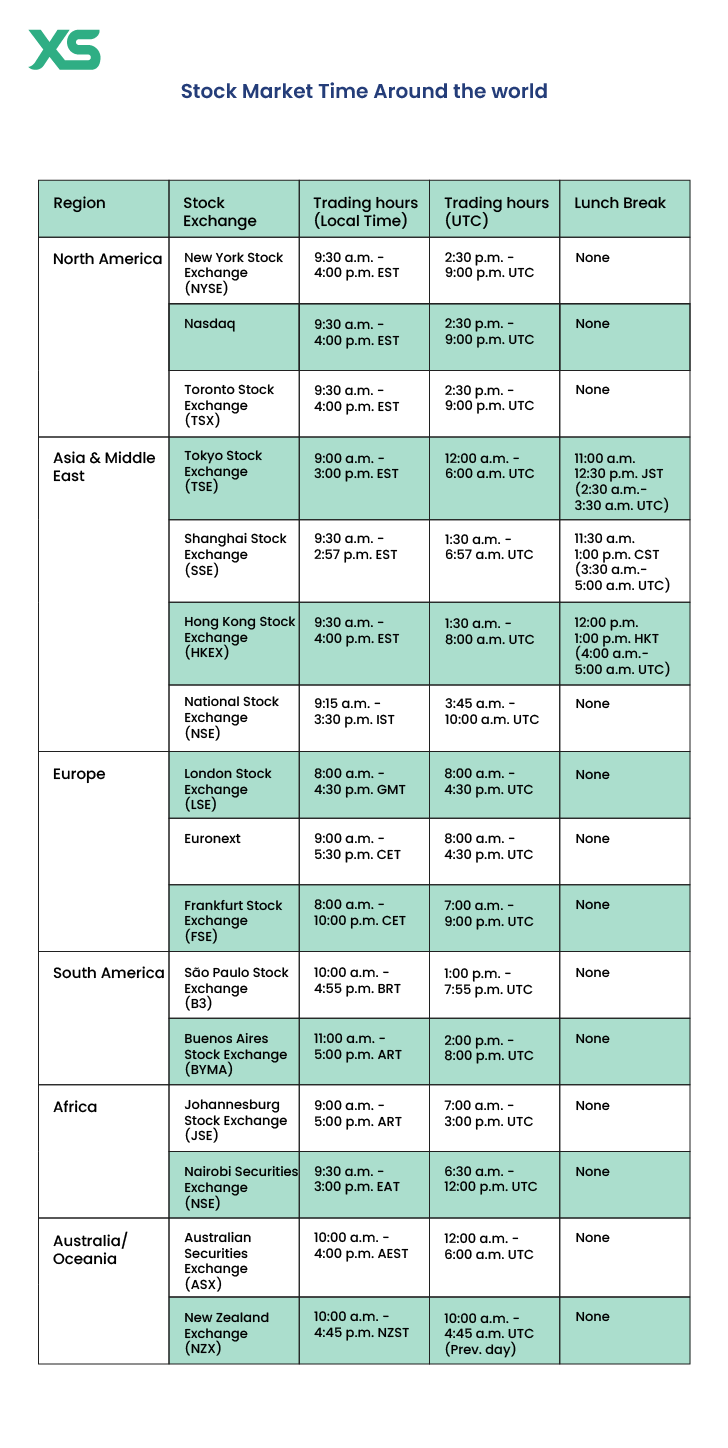
The standard trading hours for the Nasdaq Stock Market are from 9:30 AM to 4:00 PM Eastern Time (ET), Monday through Friday. These hours are consistent with those of the New York Stock Exchange (NYSE) and other major U.S. stock exchanges, providing a unified schedule for market participants. The opening bell at 9:30 AM ET signifies the official start of the trading day, often marked by increased volatility as pending orders are executed and initial reactions to overnight news emerge. Conversely, the closing bell at 4:00 PM ET signals the end of the regular session, another period where activity can surge as traders finalize positions and execute last-minute orders.
This 6.5-hour window is critical for several reasons:
- Liquidity: The vast majority of trading volume occurs during these hours, ensuring high liquidity, which translates to tighter bid-ask spreads and easier execution of large orders without significantly impacting prices.
- Price Discovery: Concentrated trading activity facilitates efficient price discovery, as a broad base of buyers and sellers interacts to determine the fair market value of securities.
- Information Dissemination: Most corporate news, earnings reports, and economic data releases are strategically timed to occur either before the market opens or after it closes, allowing investors time to process information before trading resumes.
Nasdaq vs. NYSE: Similar Rhythms
While the Nasdaq and NYSE are distinct exchanges, each with its unique characteristics and listing requirements, their standard trading hours align perfectly. Both operate from 9:30 AM to 4:00 PM ET on weekdays. This synchronization is a deliberate design to ensure market harmony across the major U.S. financial centers. For investors holding diversified portfolios that include stocks from both exchanges, this consistent schedule simplifies trading logistics and market monitoring. The primary differences lie in the types of companies they list (Nasdaq leans heavily into technology and growth stocks, while NYSE has traditionally hosted older, more industrial companies, though this distinction has blurred over time) and their operational models (Nasdaq is purely electronic, NYSE has a hybrid model with a trading floor). Despite these differences, their shared trading timetable is a foundational aspect of the U.S. equity market structure.
Beyond Standard Hours: Exploring Extended Trading
The financial markets do not simply switch off at 4:00 PM ET and power back on at 9:30 AM ET the next day. A significant portion of trading activity, though less liquid and often more volatile, occurs outside these standard hours. These extended sessions cater to a diverse range of market participants and are crucial for reacting to breaking news or geopolitical events that unfold outside the regular trading window.
The Pre-Market Session: Getting a Head Start
Before the official opening bell, the Nasdaq facilitates a pre-market trading session, typically running from 4:00 AM to 9:30 AM ET. This period allows institutional investors, professional traders, and sophisticated retail investors to place orders and react to news released overnight or early in the morning. For instance, if a company announces unexpectedly positive or negative earnings results at 7:00 AM ET, traders can begin adjusting their positions in the pre-market, potentially leading to significant price movements before the regular session even begins.
The pre-market offers opportunities for:
- Early Response to News: Allows for immediate reaction to economic data, corporate announcements, or global events.
- Position Adjustment: Traders can lighten or increase positions based on new information.
- Arbitrage: Opportunities may arise if there are price discrepancies between different markets or securities.
However, pre-market trading also comes with elevated risks:
- Lower Liquidity: Fewer participants mean wider bid-ask spreads and potentially larger price swings for smaller order sizes.
- Increased Volatility: News-driven movements can be exaggerated due to thinner order books.
- Limited Order Types: Not all order types (e.g., stop orders) may be available, increasing execution risk.
After-Hours Trading: Reacting to Late News
On the other end of the spectrum, the Nasdaq also supports an after-hours trading session, which generally runs from 4:00 PM to 8:00 PM ET. This session is equally vital, providing a window for investors to react to information released immediately after the market closes, such as quarterly earnings calls, FDA approvals, or late-breaking political developments. Many companies intentionally schedule their earnings reports for after the closing bell to prevent excessive volatility during the regular session, giving investors a few hours to digest the information before making trading decisions in the after-hours market.
Similar to pre-market trading, after-hours trading enables:
- Post-Market Reaction: Provides a mechanism to trade on news that breaks after 4:00 PM ET.
- Flexibility: Offers extended opportunities for those unable to trade during standard hours.
The risks associated with after-hours trading mirror those of the pre-market:
- Reduced Liquidity: Fewer market makers and participants can lead to less efficient pricing.
- Higher Volatility and Wider Spreads: Price movements can be more extreme, and it can be harder to get orders filled at desired prices.
- Technological Limitations: Some brokers may have restrictions on after-hours trading or require specific order types.
How Extended Hours Impact Market Dynamics
Extended trading hours significantly alter the market landscape. While they offer flexibility and immediate reaction capabilities, they also introduce a different set of dynamics compared to the highly liquid and regulated standard session. Prices established in pre-market or after-hours can often influence the opening price of the next regular session, setting the tone for the day. Sophisticated algorithms and institutional investors often dominate these periods, making it a more challenging environment for retail investors without advanced tools or deep market insight. Understanding these extended hours is crucial for a holistic view of a stock’s performance and for devising a robust trading strategy that accounts for the full spectrum of market activity.
Navigating Weekends and Holidays
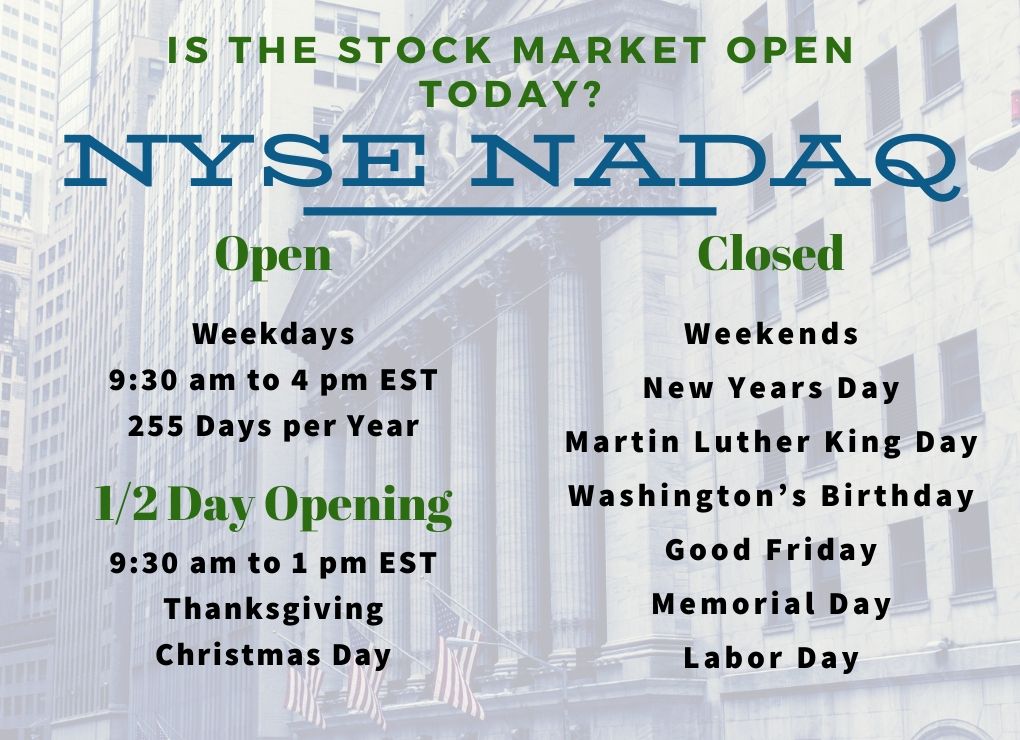
While the extended trading hours expand the window of market activity, there are definitive periods when the Nasdaq, along with all other U.S. stock exchanges, is entirely closed. These periods primarily include weekends and specific national holidays, offering a necessary pause for reflection, re-evaluation, and rest for market participants.
Weekends: A Time for Reflection
Consistently, the Nasdaq Stock Market is closed on Saturdays and Sundays. This weekend closure provides a universal break from trading, allowing market participants to step away from the daily fluctuations, conduct in-depth research, and plan their strategies for the upcoming week. It’s also a period when significant corporate announcements are typically avoided, ensuring that any major news is released when markets are either fully open or during extended hours, to allow for more orderly processing by investors. For long-term investors, weekends offer an opportunity to review portfolio performance, read market analyses, and perhaps rebalance their holdings without the pressure of live market movements. For active traders, it’s a time to analyze charts, backtest strategies, and anticipate potential catalysts for the next trading week.
Holiday Schedule: Planning for Market Closures
In addition to weekends, the Nasdaq observes several U.S. national holidays, during which the exchange is completely closed. These closures are standardized across U.S. equity markets and typically include:
- New Year’s Day
- Martin Luther King, Jr. Day
- Washington’s Birthday (Presidents’ Day)
- Good Friday
- Memorial Day
- Juneteenth National Independence Day
- Independence Day (July 4th)
- Labor Day
- Thanksgiving Day
- Christmas Day
It’s important to note that if a holiday falls on a Saturday or Sunday, the market closure may be observed on the preceding Friday or the following Monday. For example, if Christmas Day falls on a Saturday, the market might be closed on the preceding Friday.
Furthermore, there are instances of early closings on certain holidays or the day before a holiday. For example, on the day after Thanksgiving (Black Friday) or on Christmas Eve (if it falls on a weekday), the market may close early, often at 1:00 PM ET. These early closures are usually announced well in advance.
Investors and traders must always consult the official Nasdaq holiday schedule, typically published on the Nasdaq website or through their brokerage platforms, to stay informed about exact closure dates and any early closing times. Failing to account for these closures can lead to missed trading opportunities or, more critically, an inability to react to news that breaks during a closed period. Strategic planning around these dates is essential for effective risk management and portfolio adjustment.
Why Market Hours Matter to Investors and Traders
The precise timing of market operations isn’t just a logistical detail; it forms the bedrock of strategic decision-making for both investors and traders. Understanding when the Nasdaq is open, closed, or operating in extended hours directly influences how participants approach their financial goals, manage risk, and interpret market signals.
Strategic Trading Decisions
For active traders, the 9:30 AM to 4:00 PM ET window is where the action is most concentrated, offering the best liquidity and tightest spreads. This is when large institutional orders are executed, and market trends are most clearly defined. Day traders, in particular, rely on this liquidity to enter and exit positions rapidly. Conversely, trading during pre-market or after-hours requires a different strategy due to lower liquidity and higher volatility. A trader might use after-hours to take a directional bet on an earnings report, but they must be prepared for swift, exaggerated price movements.
- Execution Timing: Placing orders during peak liquidity hours generally ensures better fills and less slippage.
- News Impact: Understanding when news is typically released (before open or after close) dictates when to position oneself for potential market reactions. Trading on news during extended hours requires quick analysis and acceptance of higher risk.
- Risk Management: Stop-loss orders can behave differently in extended hours due to lower liquidity, sometimes leading to larger losses than anticipated. Traders must adjust their risk parameters accordingly.
Managing International Portfolios
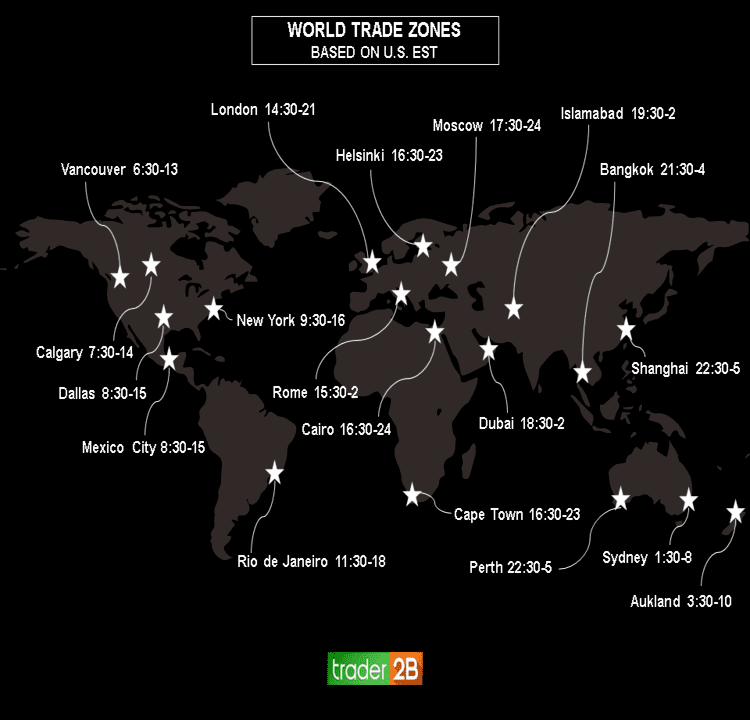
In an increasingly globalized financial world, the closing time of the Nasdaq has ripple effects across international markets. While Nasdaq is a U.S. exchange, many of the companies listed on it have global operations and are impacted by economic events worldwide.
- Time Zone Considerations: An investor in Asia, for example, needs to be acutely aware of the ET schedule. News breaking during their local market hours might impact U.S.-listed stocks once the Nasdaq opens, requiring them to monitor overnight developments.
- Correlation with Global Markets: The performance of European or Asian markets during their respective trading hours can influence the sentiment and opening direction of the Nasdaq. For example, a strong rally in Asian tech stocks overnight might lead to a positive opening for Nasdaq-listed tech giants.
- Forex Implications: For investors dealing with multiple currencies, the interplay between U.S. market hours and foreign exchange market movements is also a critical consideration.
The Role of Technology in Market Accessibility
Technology has fundamentally reshaped how investors interact with market hours. Electronic trading platforms, advanced algorithms, and high-speed data feeds have blurred some of the traditional distinctions.
- Automated Trading: Algorithmic trading systems can monitor and execute trades across extended hours, leveraging speed and data analysis to capitalize on subtle price discrepancies or news events.
- Information Dissemination: Real-time news feeds and analytical tools ensure that investors receive critical information instantaneously, regardless of market hours. This demands faster processing and decision-making from human traders.
- Retail Access: While extended hours were once largely the domain of institutional investors, many retail brokers now offer access to pre-market and after-hours trading, empowering individual investors with greater flexibility, albeit with the associated risks.
Ultimately, market hours are not static boundaries but dynamic periods each with its own character. A comprehensive understanding allows investors and traders to optimize their strategies, mitigate risks, and make informed decisions within the relentless rhythm of the financial markets.
The Future of Trading Hours: Towards 24/7 Markets?
The concept of a 24/7 global trading market is a recurring theme in financial discussions, driven by technological advancements, the increasingly interconnected nature of global economies, and the growing demand for continuous access. While the Nasdaq currently operates within defined hours, the momentum towards extended, if not perpetual, trading remains a significant consideration for the future.
The Argument for Extended Accessibility
The rationale for moving towards a 24/7 trading model is compelling, particularly from the perspective of modern finance and investor expectations:
- Global Nature of Finance: Financial news and events occur constantly across different time zones. Major economic data from China or political shifts in Europe can significantly impact U.S. stocks even when the Nasdaq is closed. A 24/7 market would allow immediate reaction, preventing “gap” openings (where a stock opens significantly higher or lower than its previous close due to overnight news).
- Retail Investor Demand: The rise of commission-free trading and user-friendly platforms has democratized investing, attracting a new generation of retail investors who expect instant access and flexibility, mirroring other always-on digital services. For individuals with demanding day jobs, traditional market hours can be restrictive.
- Technological Feasibility: Modern electronic trading systems are already capable of operating 24/7. The infrastructure and processing power exist to support continuous trading, making it a technical, rather than an operational, challenge.
- Consistency with Other Markets: Cryptocurrency markets, for instance, operate 24/7, showcasing a viable model for continuous trading in digital assets.
Challenges and Considerations
Despite the appealing arguments for 24/7 trading, significant hurdles and potential drawbacks prevent its immediate implementation:
- Liquidity and Volatility: Maintaining deep liquidity across all hours would be a massive challenge. Without concentrated liquidity, markets could become extremely thin and volatile during off-peak hours, leading to larger price swings and less efficient price discovery. This could disadvantage less sophisticated traders and increase overall market risk.
- Staffing and Operations: Exchanges, regulators, and brokerage firms would face immense operational and staffing challenges to support continuous trading and customer service around the clock. The current system allows for maintenance, updates, and back-office processing during closed hours.
- Regulatory Oversight: Ensuring fair and orderly markets 24/7 would require continuous regulatory oversight, investigation of market abuse, and enforcement actions, demanding a significant restructuring of current regulatory frameworks.
- Human Factor and Well-being: The relentless nature of a 24/7 market could lead to burnout for market professionals, analysts, and even individual investors, impacting decision-making quality and personal well-being.
- Impact on Market Structure: A 24/7 market could fundamentally alter how corporate news is released, how analysts cover stocks, and how investors approach their portfolios, potentially blurring the lines between long-term investing and constant trading.
While a complete shift to 24/7 trading for major equity markets like the Nasdaq might be some way off, the trend towards extending accessibility and minimizing downtime is undeniable. Incremental extensions of pre-market and after-hours trading, alongside technological innovations, are likely to continue shaping the future of how and when we trade. For now, understanding the current, well-defined closing times and extended sessions remains paramount for navigating the intricate world of the Nasdaq Stock Market.
aViewFromTheCave is a participant in the Amazon Services LLC Associates Program, an affiliate advertising program designed to provide a means for sites to earn advertising fees by advertising and linking to Amazon.com. Amazon, the Amazon logo, AmazonSupply, and the AmazonSupply logo are trademarks of Amazon.com, Inc. or its affiliates. As an Amazon Associate we earn affiliate commissions from qualifying purchases.