
For investors, traders, and financial enthusiasts, the rhythm of the stock market dictates the flow of the global economy. If you are asking “what time does Nasdaq close today,” the short answer for a standard business day is 4:00 PM Eastern Time (ET). However, for those looking to maximize their investment strategy, understanding the closing bell is only the beginning. The Nasdaq, as one of the world’s premier electronic stock exchanges, operates within a complex framework of hours that extends far beyond the traditional 9:30 AM to 4:00 PM window.
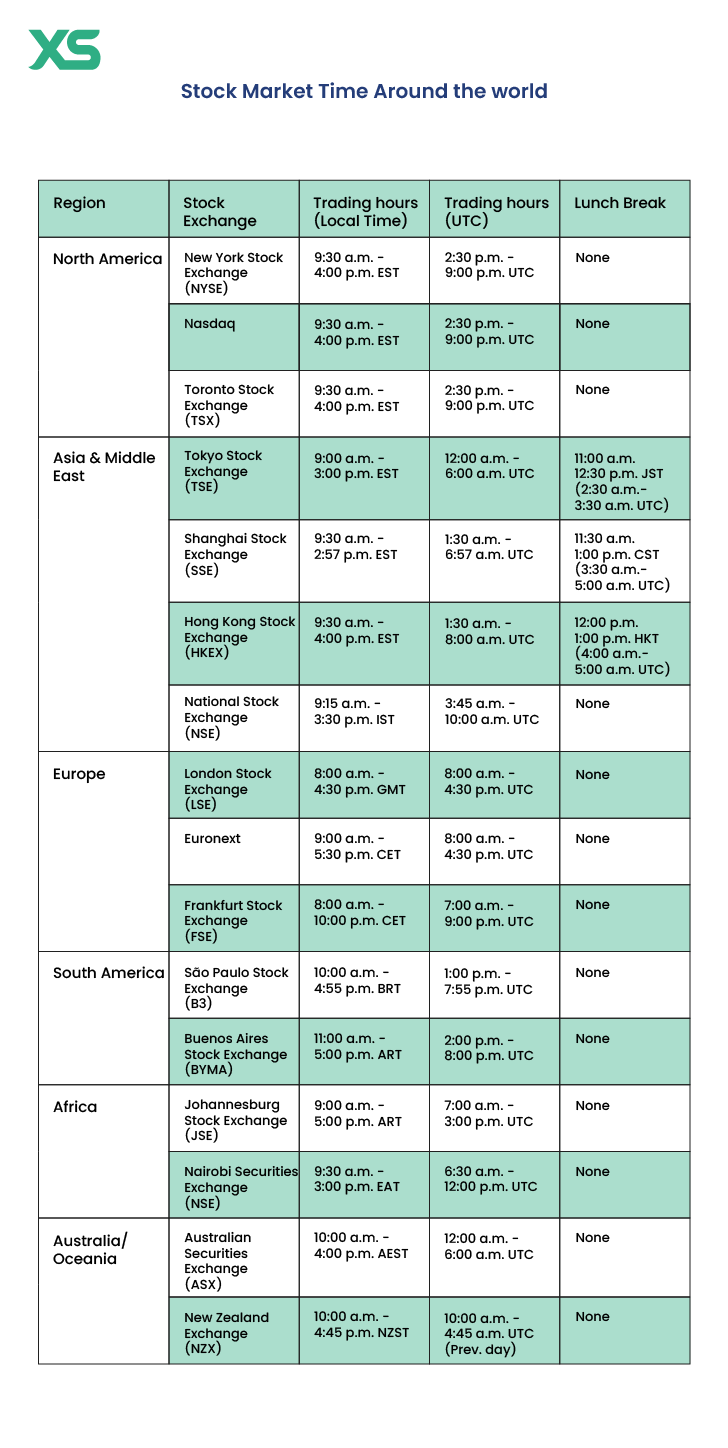
Navigating these hours is crucial for executing trades at the right price, responding to corporate earnings reports, and managing risk in an increasingly volatile global market. Whether you are a retail investor managing a retirement portfolio or a day trader looking for intraday swings, mastering the clock is as important as mastering the charts.
Standard Trading Hours for the Nasdaq Stock Market
The Nasdaq Stock Market operates primarily on Eastern Time, regardless of where the investor is physically located. This synchronization ensures that the massive volume of trades—often exceeding billions of shares daily—is processed in an orderly fashion.
The Core Session: 9:30 AM to 4:00 PM ET
The “core” or “regular” trading session is when the vast majority of trading activity occurs. During these six and a half hours, liquidity is at its peak. Liquidity refers to the ease with which an asset can be bought or sold without affecting its price. Because institutional investors, mutual funds, and high-frequency trading algorithms are most active during this window, the “bid-ask spread”—the difference between the highest price a buyer is willing to pay and the lowest price a seller is willing to accept—is typically at its narrowest.
For the average investor, this is the safest time to trade. Orders are filled quickly, and price discovery is transparent. When the clock strikes 4:00 PM ET, the Nasdaq “Closing Cross” occurs, a specialized auction process that determines the official closing price for every security listed on the exchange.
Why the Closing Bell Matters
The closing price is more than just a number; it is a benchmark. It is used to calculate the Net Asset Value (NAV) of mutual funds, used by analysts to determine historical performance, and utilized by margin departments to ensure traders have enough collateral in their accounts. The final minutes leading up to the 4:00 PM close, often referred to as the “Closing Range,” frequently see a surge in volume as institutional players rebalance their portfolios to match the day’s final valuations.
Beyond the Regular Session: Extended-Hours Trading
While the official close is 4:00 PM ET, the digital nature of the Nasdaq allows for trading to continue long after the physical floor brokers of the past would have gone home. Extended-hours trading provides a vital window for investors to react to news that breaks outside of the standard session.
Pre-Market Trading (4:00 AM to 9:30 AM ET)
Nasdaq offers one of the most robust pre-market sessions in the world. Starting as early as 4:00 AM ET, participants can begin placing trades. While volume is significantly lower than the regular session, the pre-market is essential for reacting to overnight international news, geopolitical shifts, or early-morning economic data releases (such as the Consumer Price Index or Unemployment reports).
After-Hours Trading (4:00 PM to 8:00 PM ET)
The after-hours session is perhaps the most critical period for individual stocks. This is when the majority of publicly traded companies release their quarterly earnings reports. Because companies want to avoid causing mid-day volatility, they wait until the 4:00 PM bell has rung to disclose their financial health.
If a major tech giant beats earnings expectations at 4:15 PM, its stock price might jump 10% in the after-hours session. Investors who wait until the next morning’s 9:30 AM open may miss the initial move entirely.
Risks and Rewards of Trading Outside Regular Hours
Trading before 9:30 AM or after 4:00 PM comes with a unique set of warnings:
-
Lower Liquidity: Fewer participants mean it can be harder to enter or exit a position.
-
Wide Spreads: Because there are fewer buyers and sellers, the gap between the bid and ask price can widen significantly, potentially leading to “slippage” where you pay more or receive less than expected.
-
Volatility: Without the stabilizing force of high-volume institutional trading, small orders can cause disproportionately large price swings.
Holiday Schedules and Early Closures
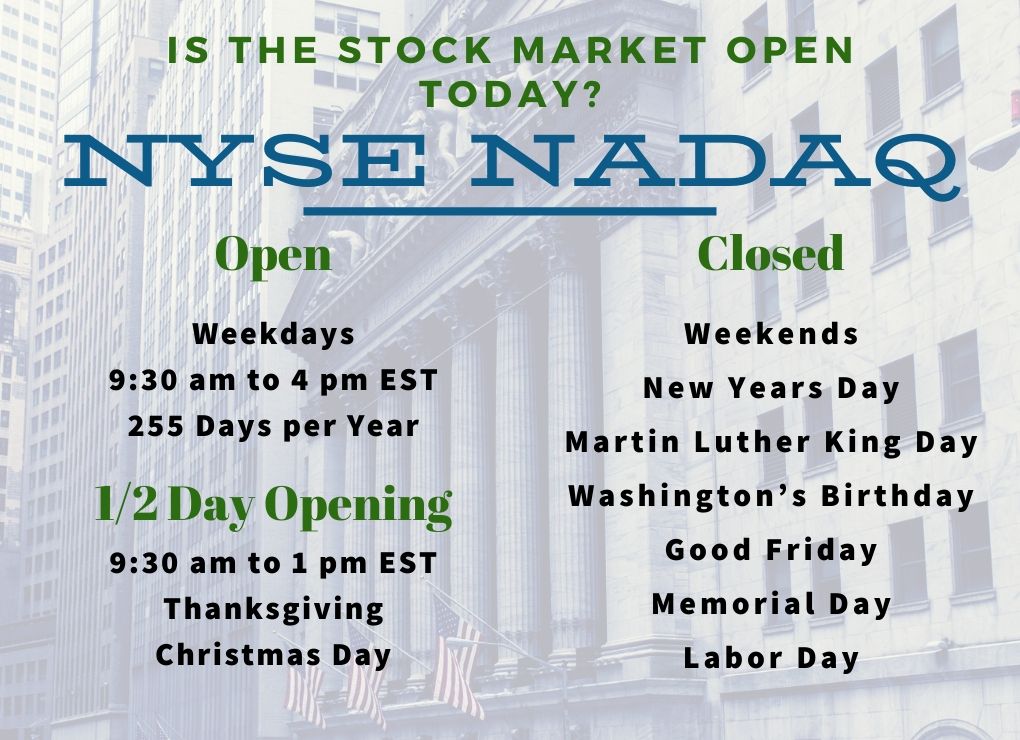
To answer “what time does Nasdaq close today” accurately, one must also consult the holiday calendar. The Nasdaq follows the standard federal holiday schedule of the United States, with a few specific nuances.
Standard Market Holidays
The Nasdaq is closed for the full day on the following holidays:
-
New Year’s Day
-
Martin Luther King, Jr. Day
-
Presidents’ Day
-
Good Friday
-
Memorial Day
-
Juneteenth National Independence Day
-
Independence Day (July 4th)
-
Labor Day
-
Thanksgiving Day
-
Christmas Day
If a holiday falls on a Saturday, the market usually closes on the preceding Friday. If it falls on a Sunday, the market closes on the following Monday.
Early Closing Days (1:00 PM ET)
There are specific days when the market does not close at 4:00 PM, but rather at 1:00 PM ET. This typically occurs on the day after Thanksgiving (Black Friday) and sometimes on Christmas Eve or July 3rd, depending on how those dates fall in the week. During these early closures, the extended-hours sessions are also compressed. Identifying these dates in advance is vital for managing options expirations and short-term positions.
The Mechanics of the Nasdaq Closing Cross
One of the most sophisticated elements of the Nasdaq’s closing time is the “Closing Cross.” This is not a simple “last trade wins” scenario. Instead, it is a highly regulated electronic auction designed to consolidate all remaining buy and sell interest into a single, fair price.
How the Final Price is Determined
Starting at 3:55 PM ET, the Nasdaq begins broadcasting “Imbalance Information.” This data tells the market whether there are more buyers or more sellers waiting for the close. Market participants can then submit “Market On Close” (MOC) or “Limit On Close” (LOC) orders. At exactly 4:00 PM, the exchange’s algorithm crosses these orders to find the price that maximizes the number of shares traded. This process ensures that the closing price is a true reflection of the market’s aggregate supply and demand, rather than an arbitrary figure resulting from a single rogue trade in the final second.
The Importance of Liquidity at the Close
For large-scale institutional investors, the Closing Cross is the preferred time to execute massive orders. Because the liquidity is so concentrated at the 4:00 PM mark, a pension fund can buy millions of shares of a Nasdaq-100 component with minimal price impact compared to trying to execute that same order at 11:00 AM. Understanding this mechanic helps retail investors understand why volume spikes so dramatically in the final minute of the trading day.
Strategies for Timing Your Market Entry and Exit
Knowing the clock is a fundamental part of financial literacy. Professional investors rarely trade randomly throughout the day; instead, they time their actions based on the specific characteristics of the market hours.
The “Opening 30” and the “Closing 30”
The first and last 30 minutes of the trading day (9:30–10:00 AM and 3:30–4:00 PM) are often characterized by the highest volatility and volume. The opening 30 minutes involve “price discovery,” where the market reacts to all the news that accumulated since the previous day’s close. The closing 30 minutes involve “position squaring,” where traders close out intraday bets to avoid overnight risk.
For conservative investors, waiting for the “mid-day lull” (typically between 12:00 PM and 2:00 PM ET) can be a way to avoid the chaotic price swings of the open and close, though this comes at the cost of wider spreads.
Using Volatility to Your Advantage
If you are looking to capitalize on price movements, the hour following the 4:00 PM close is often the most lucrative, albeit the most dangerous. For example, if a company reports disappointing earnings at 4:05 PM, the stock may overreact and drop 15% due to low after-hours liquidity. A savvy investor who has done their fundamental research may see this as an “oversold” opportunity and buy the dip before the broader market stabilizes the price the following morning.
Global Considerations
In our interconnected financial world, the Nasdaq’s 4:00 PM ET close coincides with different times globally. For a trader in London, the Nasdaq closes at 9:00 PM. For a trader in Tokyo, it closes at 6:00 AM the following morning. These time zone differences mean that the “close” of the US market often serves as the “open” for the next day’s Asian sentiment. Monitoring how the Nasdaq finishes today is the primary indicator of how global markets will behave tomorrow.

Conclusion: The Clock as a Financial Tool
“What time does Nasdaq close today?” is a question of logistics, but the answer provides a window into the machinery of global finance. The standard 4:00 PM ET close is the anchor, but the pre-market, after-hours, and specialized closing auctions provide the depth that modern investors require.
By aligning your trading activities with the Nasdaq’s schedule—respecting the liquidity of the core session while remaining aware of the opportunities in extended hours—you can move from being a passive participant to a strategic investor. Remember to always verify the calendar for holidays and early closures, as a missed closing bell can mean the difference between a successful exit and an unexpected overnight hold. In the world of investing, time truly is money.
aViewFromTheCave is a participant in the Amazon Services LLC Associates Program, an affiliate advertising program designed to provide a means for sites to earn advertising fees by advertising and linking to Amazon.com. Amazon, the Amazon logo, AmazonSupply, and the AmazonSupply logo are trademarks of Amazon.com, Inc. or its affiliates. As an Amazon Associate we earn affiliate commissions from qualifying purchases.