
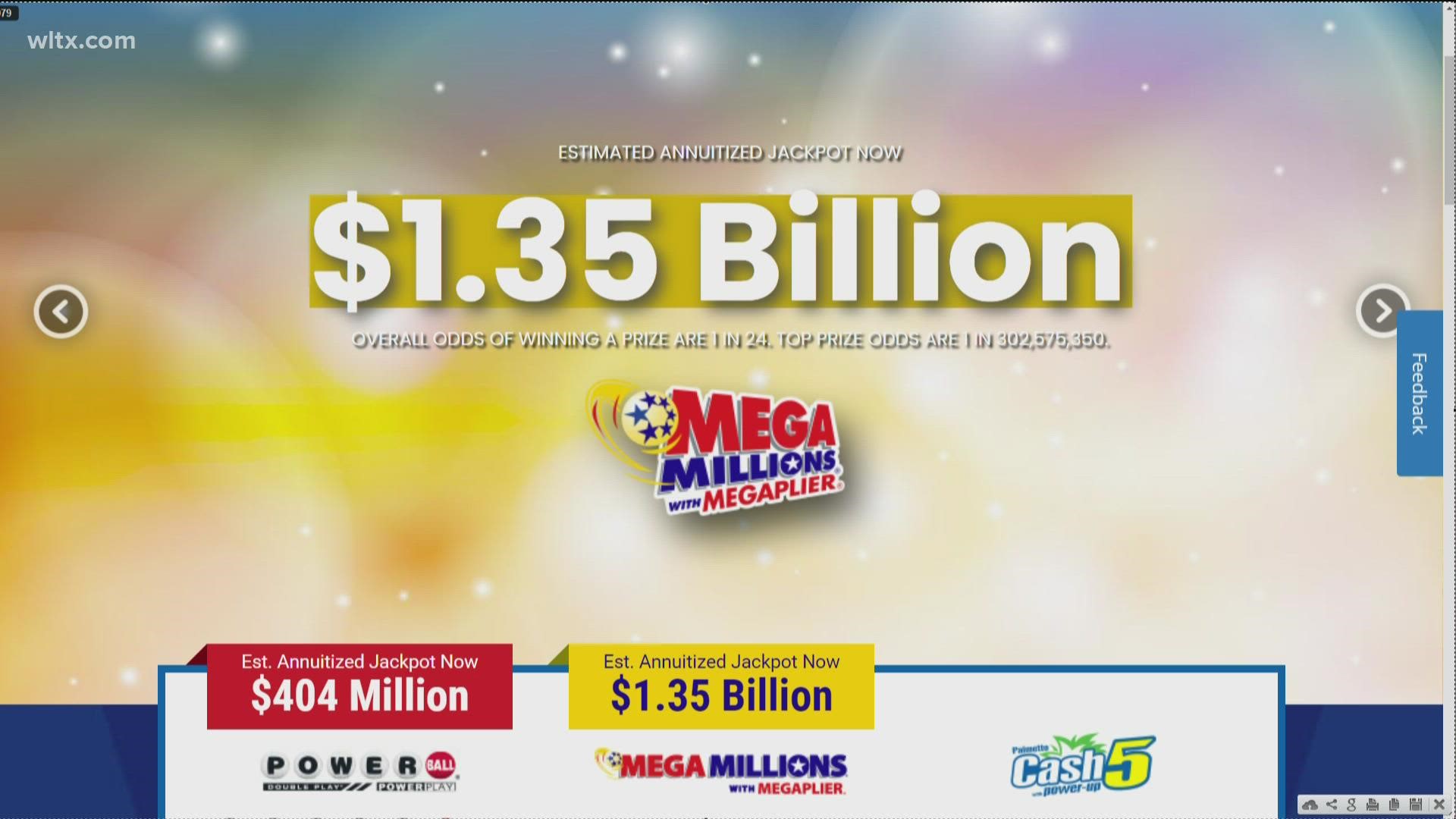
The Mega Millions lottery represents one of the most significant financial phenomena in the United States, often capturing the collective imagination of the public when jackpots soar into the hundreds of millions—or even billions—of dollars. For the casual participant and the financially curious alike, understanding the logistics of the draw is only the first step. To view the lottery through the lens of personal finance and wealth management is to understand the intersection of probability, taxation, and sudden wealth strategy. While millions ask “what time does Mega Million play” in hopes of a life-changing windfall, the true value lies in understanding what happens to that money once the numbers are drawn.
Understanding the Logistics: When and How the Drawing Occurs
Before diving into the complex financial implications of a lottery win, it is essential to establish the foundational logistics of the game. Mega Millions is a multi-state lottery game offered in 45 states, plus the District of Columbia and the U.S. Virgin Islands. Because of its wide reach, the timing of the draw is standardized to ensure fairness and transparency across all participating jurisdictions.
The Official Drawing Schedule
The Mega Millions drawings are held twice a week, every Tuesday and Friday night. The official time for the drawing is 11:00 PM Eastern Time (ET). The drawings take place at the WSB-TV studios in Atlanta, Georgia, supervised by the Georgia Lottery. For those in different time zones, this translates to 10:00 PM Central Time, 9:00 PM Mountain Time, and 8:00 PM Pacific Time.
While the drawing occurs at 11:00 PM ET, the results are typically disseminated through official channels, news outlets, and the Mega Millions website shortly thereafter. In the digital age, most players check their tickets via mobile apps or official state lottery websites, which update within minutes of the drawing’s conclusion.
Ticket Purchase Deadlines and State Variations
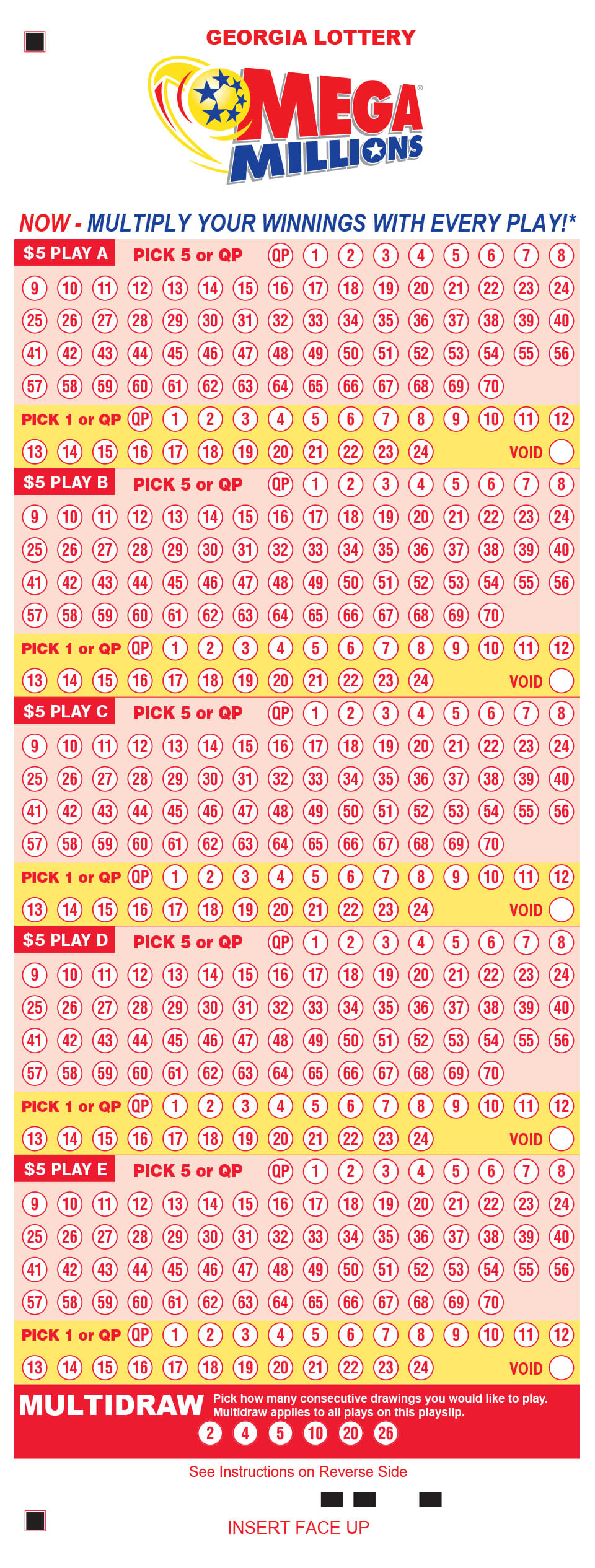
A common point of confusion for participants is the cut-off time for purchasing tickets. While the drawing is at 11:00 PM ET, you cannot buy a ticket up until the final second. Each participating state sets its own cut-off time for ticket sales, usually ranging from 15 minutes to an hour before the actual drawing.
For example, in many states, sales stop at 10:45 PM ET on the night of the drawing. If you attempt to purchase a ticket after the cut-off, your entry will be processed for the following drawing date. From a financial planning perspective, understanding these windows is crucial for those who include lottery play as a small, discretionary part of their entertainment budget. Missing a window during a record-breaking jackpot can be a source of significant “fear of missing out” (FOMO), though the mathematical probability of winning remains constant regardless of the jackpot size.
The Economics of the Lottery: Risk vs. Reward
From a personal finance standpoint, the lottery is often criticized as a “tax on those who are bad at math.” However, a more nuanced view suggests that for many, it is a low-cost form of entertainment with a non-zero chance of extreme wealth. To manage one’s finances effectively, one must understand the true economic cost of a $2 ticket and the statistical reality of the returns.
Calculating the Expected Value
In finance, the “expected value” of an investment is calculated by multiplying the probability of each possible outcome by the value of that outcome and summing them up. The odds of winning the Mega Millions jackpot are approximately 1 in 302.6 million. Because the odds are so long, the expected value of a ticket is almost always less than the $2 purchase price, even when the jackpot is massive.

Furthermore, as the jackpot grows, the likelihood of multiple winners sharing the prize increases. This “dilution” of the prize further lowers the expected value. For a disciplined investor, the lottery is rarely a sound “investment” in the traditional sense. However, understanding these numbers helps in maintaining a healthy boundary between speculative play and core financial goals like retirement savings or emergency funds.
The Impact of Taxation on Gross Winnings
When the media reports a $500 million jackpot, that figure is far from what a winner actually takes home. The financial reality of a lottery win is heavily dictated by the U.S. tax code.
- Federal Withholding: The IRS treats lottery winnings as ordinary income. For any prize over $5,000, there is an immediate federal withholding tax of 24%. However, because the top federal income tax bracket is currently 37%, winners will likely owe an additional 13% when they file their annual tax returns.
- State and Local Taxes: Depending on where the ticket was purchased and where the winner resides, state taxes can take another significant bite. States like New York or Maryland have high lottery tax rates, while states like Florida, Texas, and Washington have no state income tax, allowing winners to retain a larger portion of their prize.
- The Cash vs. Annuity Choice: Winners must choose between a one-time lump sum payment or an annuity paid out over 30 years. The advertised jackpot is the sum of the 30 payments, which increase by 5% each year to account for inflation. The cash option is the actual amount of money currently in the prize pool. Generally, the cash option is roughly 60% of the advertised jackpot before taxes.
Financial Management for Sudden Wealth
The moment the balls drop at 11:00 PM ET, a winner’s financial life changes instantly. “Sudden Wealth Syndrome” is a recognized psychological and financial condition where individuals who move into a high-net-worth bracket overnight experience stress, poor decision-making, and social pressure. Navigating this requires a sophisticated financial strategy.
The Lump Sum vs. Annuity Dilemma
Choosing between the lump sum and the annuity is the first major financial decision a winner faces.
- The Case for the Lump Sum: This provides immediate access to capital. In the hands of a skilled financial advisor, this money can be invested in a diversified portfolio of equities, real estate, and fixed-income assets. Historically, if the market returns exceed the 5% annual increase of the lottery annuity, the lump sum is the superior wealth-building tool.
- The Case for the Annuity: The annuity offers a “safety net.” It prevents a winner from spending the entire fortune in a short period—a common fate for many lottery winners. It provides a guaranteed, inflation-adjusted income stream for three decades, which can be a prudent choice for those who lack experience in large-scale asset management.
Building a Professional Advisory Team
A jackpot winner should never attempt to manage their new wealth alone. The complexity of managing tens or hundreds of millions of dollars requires a specialized “triad” of professional advisors:
- Tax Attorney/CPA: To navigate the immediate tax liabilities and implement long-term tax-loss harvesting and sheltering strategies.
- Certified Financial Planner (CFP) or Private Wealth Manager: To design an investment policy statement (IPS) that aligns with the winner’s long-term goals, risk tolerance, and liquidity needs.
- Estate Attorney: To set up trusts (such as Revocable Living Trusts or Irrevocable Life Insurance Trusts) to protect assets, ensure privacy, and facilitate the transfer of wealth to future generations or charitable causes.
Sustainable Wealth Building and the “Lottery Curse”
The ultimate goal for any lottery winner—or any individual pursuing a side hustle or high-income career—is sustainable wealth. The “lottery curse” refers to the high percentage of winners who end up bankrupt within several years. This is rarely due to a lack of money, but rather a lack of financial infrastructure and behavioral discipline.
Reinvesting for Long-Term Growth
Once the initial “honeymoon phase” of a windfall passes, the focus must shift to preservation. This involves diversifying away from high-risk assets and into “legacy” investments. This might include:
- Tax-Exempt Municipal Bonds: Providing steady income that is often exempt from federal (and sometimes state) taxes.
- Low-Cost Index Funds: Ensuring broad market exposure and minimizing management fees.
- Real Estate: Providing physical assets that can appreciate over time and offer various tax advantages through depreciation.
Behavioral Finance: Managing the Human Element
The greatest threat to a windfall isn’t the stock market; it is the “social tax.” Friends, family, and strangers often emerge with requests for loans, investments, or gifts. Setting up a formal process for charitable giving and family support—often through a private foundation or a Donor-Advised Fund (DAF)—allows a winner to be generous while maintaining clear financial boundaries.
By treating the lottery as a trigger for a broader discussion on financial literacy, individuals can better prepare for any form of sudden wealth, whether it comes from a 11:00 PM ET drawing, a corporate bonus, or a successful business exit. The time the Mega Million plays is merely a moment on a clock; the strategy for what comes next is what defines a person’s financial future. Knowing the schedule is the beginning of the journey, but mastering the money is the ultimate prize.
aViewFromTheCave is a participant in the Amazon Services LLC Associates Program, an affiliate advertising program designed to provide a means for sites to earn advertising fees by advertising and linking to Amazon.com. Amazon, the Amazon logo, AmazonSupply, and the AmazonSupply logo are trademarks of Amazon.com, Inc. or its affiliates. As an Amazon Associate we earn affiliate commissions from qualifying purchases.