
For investors, traders, and anyone with a keen interest in the pulse of the global economy, knowing the precise opening and closing times of financial markets is not merely a detail; it’s a critical component of strategy and risk management. The question “what time does market open today?” might seem straightforward, but in a world of interconnected economies, diverse asset classes, and varying time zones, the answer is remarkably nuanced. From the bell ringing on the New York Stock Exchange to the continuous hum of the forex market, understanding these operational hours is fundamental to making informed decisions and capitalizing on opportunities.
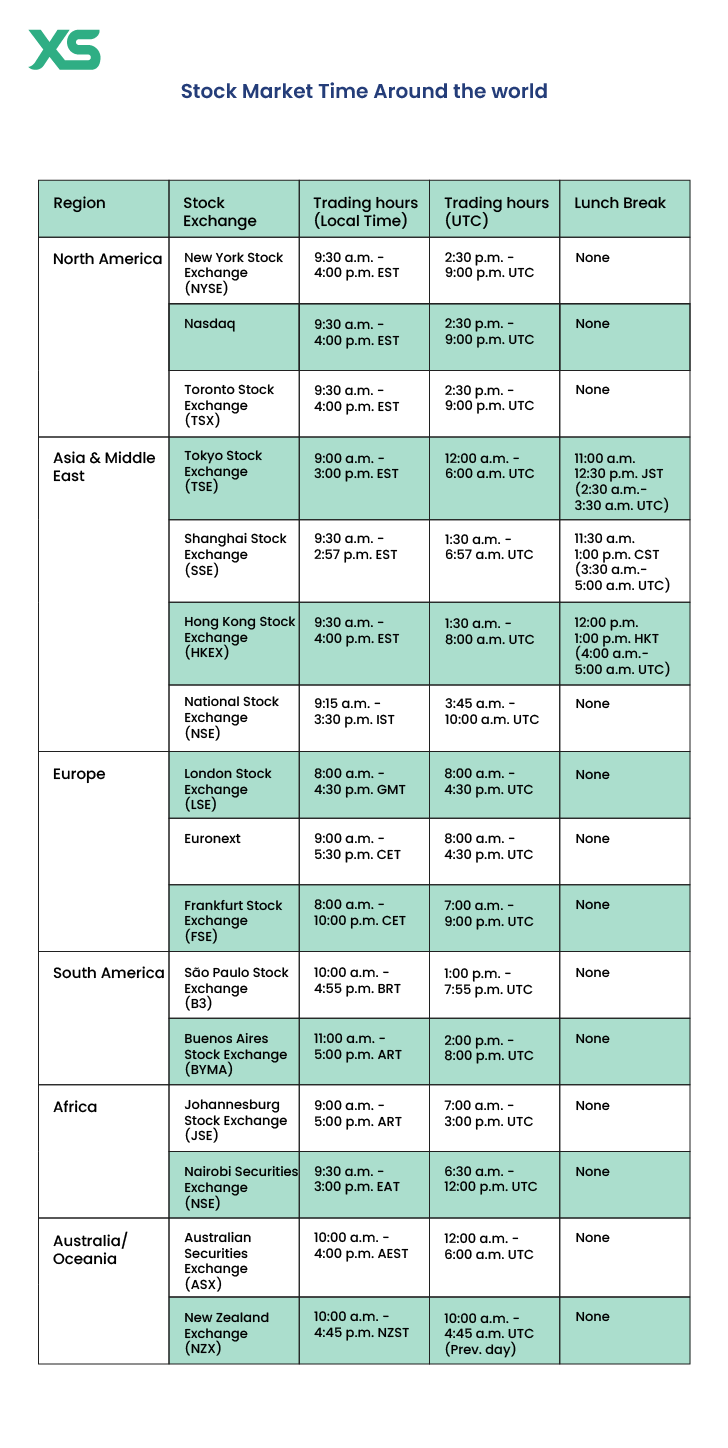
This article delves into the intricate schedule of global financial markets, offering a comprehensive guide to their operational hours, the factors that influence them, and why this knowledge is indispensable for effective financial engagement. We’ll explore the major stock exchanges, the 24/7 nature of certain digital markets, and the practical implications of trading across different timeframes.
Understanding Major Global Market Opening Hours
The concept of a “market opening” is predominantly associated with traditional stock exchanges, which operate within fixed hours, often dictated by local business customs and regulatory frameworks. These markets provide a structured environment for buying and selling publicly traded securities.
NYSE and NASDAQ: The Pillars of U.S. Trading
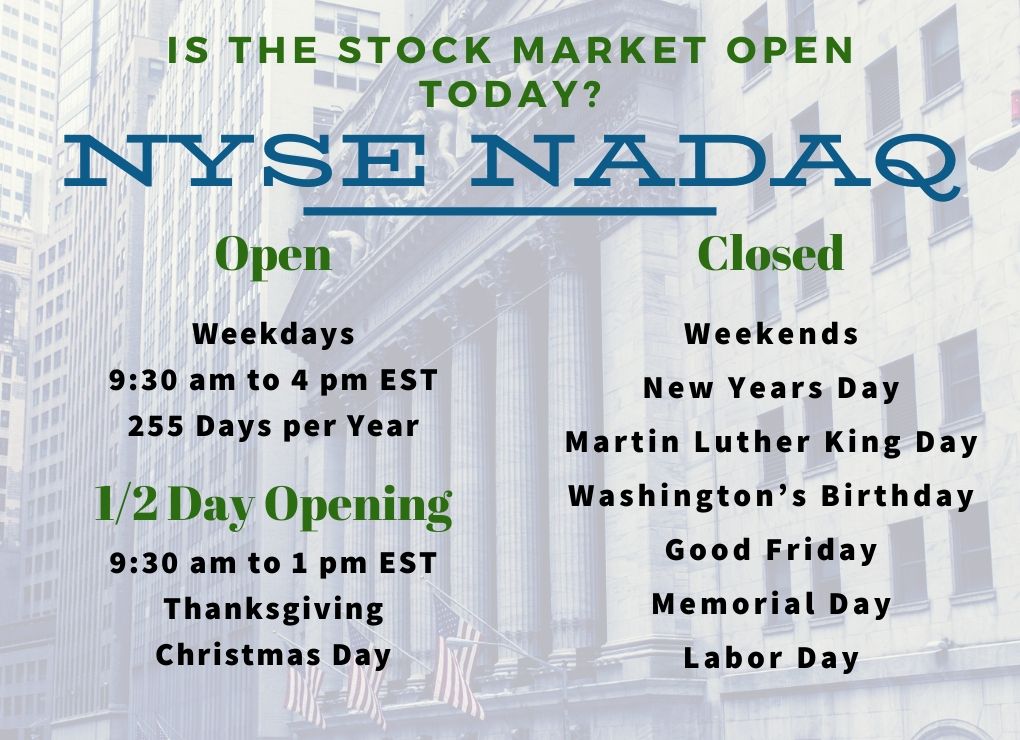
In the United States, the New York Stock Exchange (NYSE) and the NASDAQ are the two largest and most influential stock markets. Their standard trading hours are the benchmark for many global investors:
- Opening Bell: 9:30 AM Eastern Time (ET)
- Closing Bell: 4:00 PM Eastern Time (ET)
This six-and-a-half-hour window represents the core trading session, characterized by high liquidity and regulated price discovery. While these are the official hours, it’s important to remember that pre-market and after-hours trading sessions also exist, allowing participants to trade outside these core times, albeit with typically lower liquidity and higher volatility.
European Exchanges: Anchors of the Old Continent
Europe hosts several significant stock exchanges, each with its own rhythm, reflecting regional economic activity and time zones.
- London Stock Exchange (LSE): A global financial hub, the LSE operates from 8:00 AM to 4:30 PM Greenwich Mean Time (GMT), or British Summer Time (BST) when applicable. Its early opening makes it a key influencer as Asian markets close and U.S. markets prepare to open.
- Euronext (Paris, Amsterdam, Brussels, Lisbon): As a pan-European exchange, Euronext’s main trading hours are generally 9:00 AM to 5:30 PM Central European Time (CET).
- Deutsche Börse (Frankfurt): The primary German exchange, Xetra (its electronic trading platform), typically runs from 9:00 AM to 5:30 PM CET.
Asian Powerhouses: Setting the Tone for the Day
Asian markets are often the first to open in the global trading day, providing initial indicators for subsequent market sessions.
- Tokyo Stock Exchange (TSE): One of the world’s largest, the TSE operates from 9:00 AM to 11:30 AM Japan Standard Time (JST) for its morning session, and 12:30 PM to 3:00 PM JST for its afternoon session.
- Shanghai Stock Exchange (SSE) and Shenzhen Stock Exchange (SZSE): China’s major exchanges follow a similar split-session structure, generally from 9:30 AM to 11:30 AM and 1:00 PM to 3:00 PM China Standard Time (CST).
- Hong Kong Stock Exchange (HKEX): Trading hours are 9:30 AM to 12:00 PM and 1:00 PM to 4:00 PM Hong Kong Time (HKT).
Other Key Global Exchanges
The world is dotted with many other vital exchanges, each contributing to the global financial tapestry:
- Australian Securities Exchange (ASX): 10:00 AM to 4:00 PM Australian Eastern Standard Time (AEST).
- Bombay Stock Exchange (BSE) & National Stock Exchange (NSE) (India): 9:15 AM to 3:30 PM Indian Standard Time (IST).
- Toronto Stock Exchange (TSX): 9:30 AM to 4:00 PM Eastern Time (ET), aligning with its North American counterparts.
Keeping track of these diverse hours, especially when tracking global events, requires a systematic approach, often leveraging financial news platforms and dedicated market calendars.
Beyond Traditional Stock Exchanges: Other Market Dynamics
While stock exchanges are prominent, the financial landscape extends far beyond them, with distinct operational models and trading hours that cater to different asset classes and investor needs.
Forex Market: The 24/5 Global Giant
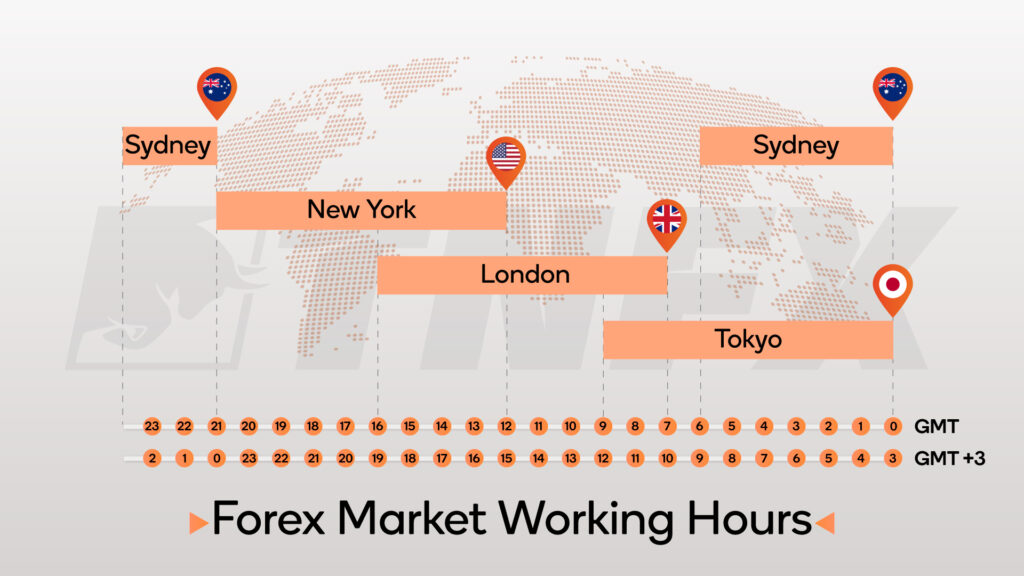
The foreign exchange (forex) market, where currencies are traded, is unique in its continuous operation. It is often described as a 24-hour market, five days a week, because trading seamlessly transitions between major financial centers as they open and close.
- Sydney/Wellington Session: Begins the trading week.
- Tokyo Session: Overlaps with Sydney.
- London Session: Overlaps with Tokyo and is typically the most active.
- New York Session: Overlaps with London and finishes the trading day.
This rolling schedule means that while there isn’t a single “opening bell,” there are distinct periods of higher liquidity and volatility as major financial centers are active. Understanding these sessions is crucial for currency traders.
Cryptocurrency Exchanges: A 24/7 Digital Frontier
The advent of cryptocurrencies introduced a truly continuous trading environment. Exchanges like Binance, Coinbase, Kraken, and others operate around the clock, 24 hours a day, 7 days a week, 365 days a year.
- Continuous Trading: There are no fixed opening or closing times, market holidays, or weekend breaks. This constant availability allows for immediate responses to global news and events, but also means that price movements can occur at any hour, posing unique challenges and opportunities for investors.
- Global Access: The decentralized and digital nature of cryptocurrencies means anyone with an internet connection can participate at any time, bridging geographical and temporal barriers.
Commodities Markets: Futures and Options
Commodities like oil, gold, agricultural products, and natural gas are traded on specialized exchanges, primarily through futures and options contracts. Their trading hours can be complex, involving electronic trading platforms that often extend beyond traditional daytime hours.
- CME Group (Chicago Mercantile Exchange): Offers extensive electronic trading hours for various commodities. For instance, futures on crude oil (WTI) might trade from Sunday evening through Friday afternoon ET, with short daily breaks.
- Intercontinental Exchange (ICE): Another major player, particularly for energy contracts, with similarly extended electronic trading sessions.
These markets often feature pre-open and post-close trading, indicating that while a primary “day session” exists, activity is far more continuous than traditional stock markets.
Bond Markets: OTC Trading and Interdealer Brokers
The bond market is largely an over-the-counter (OTC) market, meaning trades occur directly between two parties rather than on a centralized exchange. While there isn’t a single “opening bell,” primary market activity for government bonds (like U.S. Treasuries) is most robust during typical business hours (e.g., 8:00 AM to 5:00 PM ET) when dealers and institutional investors are active. Electronic trading platforms and interdealer brokers facilitate trades outside these hours, but liquidity may be thinner. Corporate bonds also follow similar patterns, influenced by investment bank trading desks.
Factors Influencing Market Hours and Trading Decisions
Knowing when markets open is just the first step. Understanding why these hours matter and how various factors influence them is key to successful financial engagement.
Pre-Market and After-Hours Trading
Many stock exchanges allow trading outside the standard 9:30 AM to 4:00 PM ET window.
- Pre-Market Trading: Typically runs from 4:00 AM to 9:30 AM ET for U.S. exchanges.
- After-Hours Trading: Usually from 4:00 PM to 8:00 PM ET.
These sessions are driven by electronic communication networks (ECNs) rather than the main exchange floor. While they offer flexibility, they come with caveats: - Lower Liquidity: Fewer participants mean wider bid-ask spreads and potentially larger price swings on smaller volumes.
- Increased Volatility: News released outside standard hours can trigger sharp price movements.
- Limited Order Types: Not all order types (e.g., market orders) may be advisable or even available.
Impact of Time Zones and Geographic Location
The global nature of finance means that an investor in London might be trading U.S. stocks during their evening, or an investor in Tokyo might be reacting to European market closes.
- 24-Hour Economy: For active traders, understanding the overlap of major market sessions (e.g., London and New York overlapping for forex) is crucial for identifying periods of heightened liquidity and price action.
- Event Reaction: News or economic data released in one region can significantly impact markets globally, regardless of whether a particular exchange is “open.”
Market Holidays and Early Closures
All financial markets observe local public holidays, during which they remain closed. Additionally, some exchanges may have shortened trading days around holidays (e.g., the day after Thanksgiving in the U.S.).
- Checking Calendars: It is imperative for investors to consult market holiday calendars published by exchanges and financial news providers to avoid unexpected closures or missed trading opportunities. Trading platforms often provide alerts for these events.
- Impact on Settlement: Closures can also affect the settlement cycle for trades, potentially delaying the transfer of funds or securities.
Volatility and Liquidity Considerations
Market opening and closing times significantly impact liquidity and volatility, which are crucial for trading and investing.
- Opening Bell Volatility: The first hour of trading is often the most volatile, as accumulated overnight news and orders flood the market, leading to sharp price movements and high trading volumes.
- Closing Bell Activity: The last hour can also see increased activity as traders adjust positions or institutional investors rebalance portfolios.
- Mid-Day Lull: Liquidity can sometimes thin during the middle of the trading day, especially in less active markets, leading to wider spreads and potentially more pronounced price movements on smaller trades.
Understanding these patterns helps investors determine the best times to execute trades based on their strategy and risk tolerance.
Practical Tips for Navigating Market Opening Times
For both novice and seasoned participants, effectively managing and leveraging market hours requires a proactive and informed approach.
Utilizing Financial Calendars and News Sources
- Dedicated Tools: Websites like Investing.com, Bloomberg, Reuters, and major brokerage platforms offer comprehensive economic calendars that detail market opening/closing times, holidays, and key economic data releases globally.
- Reliable News: Staying abreast of financial news helps contextualize market movements and anticipate potential impacts during specific trading sessions.
Setting Up Alerts and Notifications
Many trading platforms and financial apps allow users to set up customizable alerts for market openings, specific stock prices, or news events. This can be invaluable for investors who cannot constantly monitor markets, ensuring they don’t miss critical developments.
Understanding Your Investment Strategy
The importance of market hours varies significantly depending on an individual’s investment strategy:
- Day Traders: For day traders, precise knowledge of market openings, volatility patterns, and pre/after-hours dynamics is paramount, as their profits hinge on short-term price movements.
- Swing Traders: Those holding positions for a few days to weeks need to be aware of overnight risks and how market openings might impact their positions.
- Long-Term Investors: While less concerned with intraday fluctuations, long-term investors still benefit from understanding market cycles and holiday impacts on portfolio rebalancing or significant capital deployments.
Tailoring your monitoring approach to your strategy prevents unnecessary stress and ensures focus on relevant information.
The Role of Technology in Monitoring Markets
Modern financial technology has revolutionized how investors interact with markets:
- Trading Platforms: Advanced brokerage platforms offer real-time data, charting tools, and the ability to execute trades swiftly. Many also incorporate market calendars and news feeds.
- Mobile Apps: Financial apps provide on-the-go access to market data, portfolio performance, and news, making it easier to stay connected regardless of location.
- Algorithmic Trading: For sophisticated traders, algorithms can be programmed to execute trades automatically based on predefined conditions, even outside human operating hours, leveraging the 24/7 nature of some markets.
Conclusion
The question “what time does market open today?” unlocks a complex world of financial schedules, each with its own rhythm and implications. From the coordinated opening bells of global stock exchanges to the continuous flow of the forex and cryptocurrency markets, understanding these operational hours is more than a logistical detail; it’s a strategic imperative.
Navigating the global financial clock successfully requires a blend of reliable information, technological tools, and a clear understanding of one’s investment goals. By knowing when markets are active, appreciating the nuances of liquidity and volatility across different sessions, and staying informed about holidays and special closures, investors can position themselves to make more informed decisions, mitigate risks, and ultimately pursue their financial objectives with greater confidence in the dynamic world of global finance.
aViewFromTheCave is a participant in the Amazon Services LLC Associates Program, an affiliate advertising program designed to provide a means for sites to earn advertising fees by advertising and linking to Amazon.com. Amazon, the Amazon logo, AmazonSupply, and the AmazonSupply logo are trademarks of Amazon.com, Inc. or its affiliates. As an Amazon Associate we earn affiliate commissions from qualifying purchases.