
For anyone engaging with the financial markets, from seasoned day traders to long-term investors, understanding the operational hours of stock exchanges is not merely a logistical detail; it’s a cornerstone of effective strategy and risk management. The rhythm of the market, dictated by its opening and closing bells, influences liquidity, volatility, and the speed at which news translates into price action. This comprehensive guide will demystify stock market hours, exploring not just the standard trading day but also the extended sessions that offer both opportunities and unique challenges, providing a truly insightful look into the temporal mechanics of global finance.
The Standard Operating Hours of U.S. Stock Exchanges
The backbone of U.S. equity trading rests upon a clearly defined set of hours for its primary exchanges. While the world of finance often feels relentless, these structured periods offer a sense of order and predictability for market participants.
New York Stock Exchange (NYSE) and NASDAQ
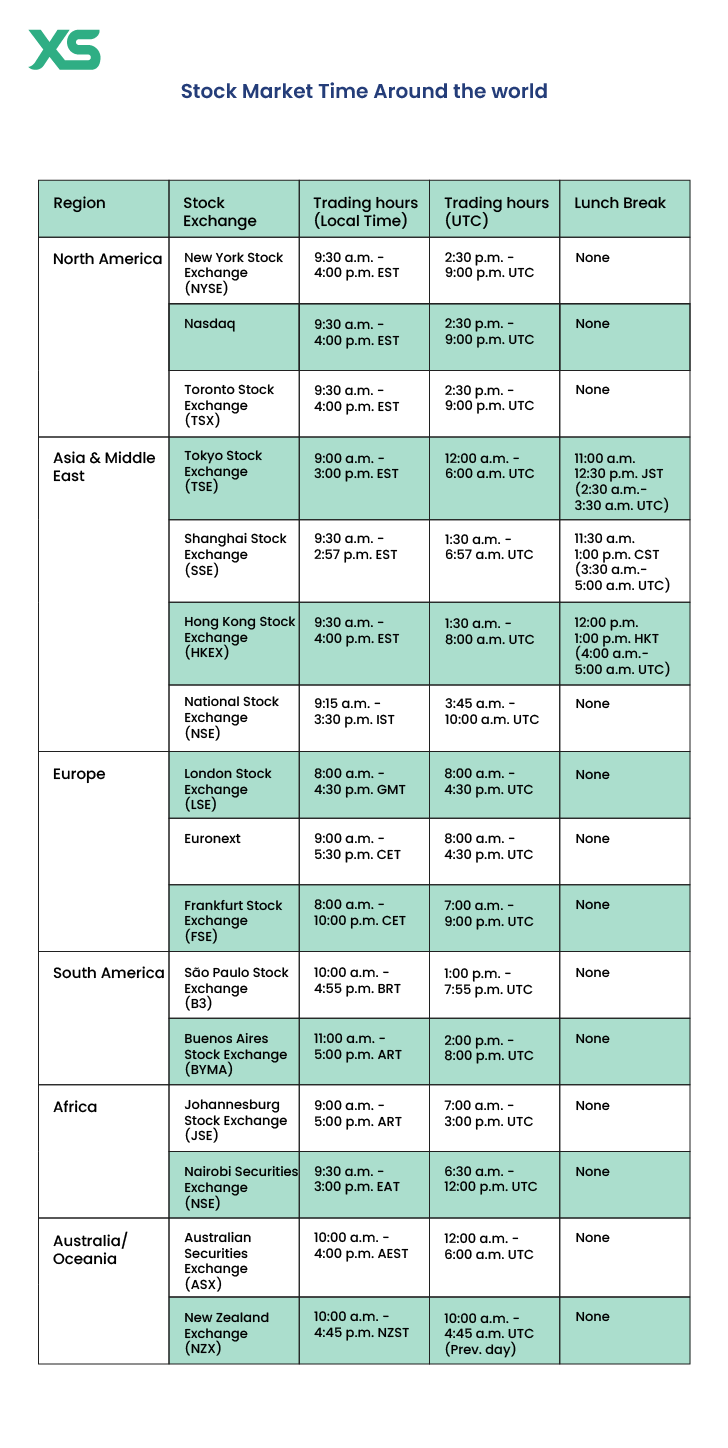
The two dominant stock exchanges in the United States, the New York Stock Exchange (NYSE) and the NASDAQ, adhere to identical core trading hours, which are crucial for anyone looking to buy or sell publicly traded stocks. The official stock market opening time for both the NYSE and NASDAQ is 9:30 AM Eastern Time (ET). The market then closes at 4:00 PM ET. This six-and-a-half-hour window, Monday through Friday, constitutes the regular trading session, characterized by the highest volume and liquidity.
During these core hours, market participants benefit from robust order books, tighter bid-ask spreads, and a general environment where significant price movements are typically reflective of broad market sentiment and material news. It’s the period when most institutional investors, mutual funds, and retail traders execute their strategies, making it the most active and efficient time to trade. It is important to note that the market remains closed on weekends (Saturday and Sunday) and on specific federal holidays, such as New Year’s Day, Martin Luther King, Jr. Day, Presidents’ Day, Good Friday, Memorial Day, Juneteenth National Independence Day, Independence Day, Labor Day, Thanksgiving Day, and Christmas Day. Occasionally, if a holiday falls on a weekend, the market will observe it on the preceding Friday or following Monday.
Understanding Market Time Zones
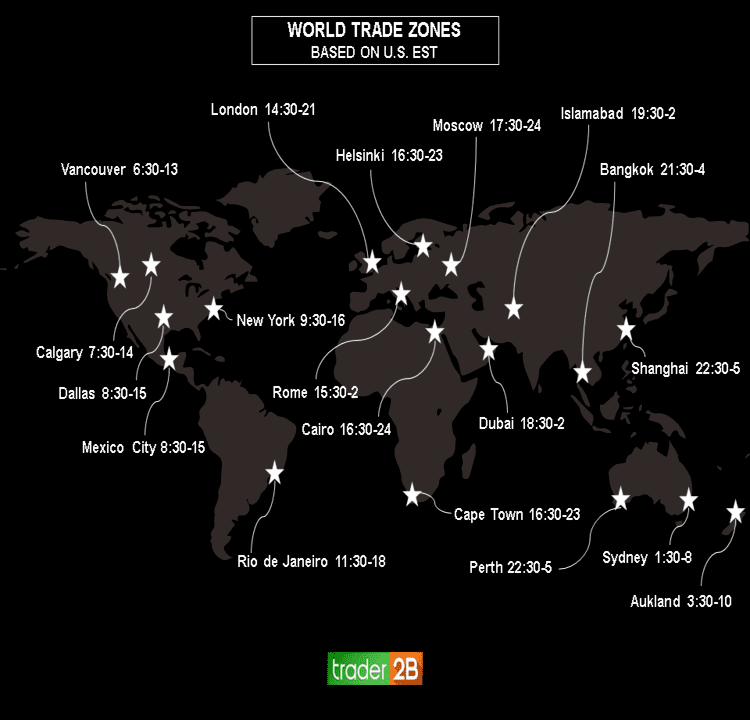
The designation of Eastern Time (ET) as the standard for U.S. financial markets is a critical point of understanding, especially for investors located in different geographical regions. New York City, being the financial capital of the U.S. and home to the NYSE and NASDAQ, naturally sets the clock for the nation’s trading day. This means that an investor in California (Pacific Time, PT) would see the market open at 6:30 AM PT and close at 1:00 PM PT, while someone in London (Greenwich Mean Time, GMT) would observe the U.S. market opening at 2:30 PM GMT and closing at 9:00 PM GMT.
Understanding these time zone conversions is essential for planning trading activities, monitoring portfolios, and reacting to news in a timely manner. Many financial news outlets and data providers will also default to ET when reporting market-related information, underscoring its centrality. For global investors, this necessitates a clear understanding of time zone differences to synchronize their schedules with the U.S. market’s operational hours, ensuring they don’t miss critical trading windows or significant market events.
Beyond Core Hours: Exploring Pre-Market and After-Hours Trading
While the regular trading session defines the traditional market day, the advent of electronic trading has significantly extended the opportunities for investors to buy and sell securities. Pre-market and after-hours trading sessions offer flexibility but come with distinct characteristics that traders must understand.
The Dynamics of Pre-Market Trading
Pre-market trading refers to the period before the official 9:30 AM ET market open. Typically, this session begins as early as 4:00 AM ET and runs until 9:30 AM ET. The primary drivers for participation in pre-market trading often revolve around early news releases, such as corporate earnings reports, analyst upgrades or downgrades, significant macroeconomic data, or breaking geopolitical events that occur overnight or before the regular session begins. Companies frequently choose to release their quarterly earnings reports before market open to allow investors time to digest the information before formal trading commences.
However, pre-market trading is characterized by lower liquidity and higher volatility compared to the regular session. With fewer participants, larger institutional players often dominate, and even smaller order sizes can lead to more significant price swings. The bid-ask spreads also tend to be wider, meaning the difference between the highest price a buyer is willing to pay and the lowest price a seller is willing to accept is greater. This can make it more challenging to execute trades at desired prices and increases the risk of slippage. Despite these challenges, pre-market trading offers nimble traders the opportunity to capitalize on immediate reactions to news before the broader market has fully priced it in.
After-Hours Trading: Extending the Trading Day
Just as trading extends before the market opens, it also continues after the official 4:00 PM ET closing bell. After-hours trading typically runs from 4:00 PM ET until 8:00 PM ET, although this can vary slightly depending on the brokerage firm. Similar to pre-market, after-hours activity is largely driven by late-breaking news, such as corporate announcements, earnings reports released post-market close, or late-day analyst revisions.
The characteristics of after-hours trading closely mirror those of the pre-market session: lower liquidity, higher volatility, and wider bid-ask spreads. Many retail investors access these extended hours through Electronic Communication Networks (ECNs), which automatically match buy and sell orders. Because fewer traders and institutional participants are active, the market depth is shallower, making stocks more susceptible to dramatic price movements on relatively low volume. While it provides an avenue for immediate response to news, it also exposes traders to greater price risk and potentially less favorable execution prices.
How Pre-Market and After-Hours Trading Work
Accessing pre-market and after-hours trading sessions is typically facilitated through your brokerage firm. Most major online brokers offer access to these extended hours, but it’s important to check their specific policies, as the exact window for extended trading can vary. These trades are primarily executed through Electronic Communication Networks (ECNs), which are automated systems that display and match buy and sell orders electronically. Unlike the open outcry system (though largely phased out) or market makers who facilitate trades during regular hours, ECNs directly connect buyers and sellers, often operating outside the purview of the traditional exchange matching engines.
When placing orders during extended hours, investors generally need to use specific order types, such as limit orders. A limit order specifies the maximum price you’re willing to pay or the minimum price you’re willing to sell for, offering a degree of control in a less liquid environment. Market orders, which instruct the broker to execute a trade at the best available price, are generally discouraged during extended hours due to the risk of significant price discrepancies caused by low liquidity. Understanding these operational nuances is vital for anyone considering extended-hours trading.
International Stock Markets: A Global Perspective on Trading Hours
The financial world is an interconnected tapestry, and while U.S. market hours are central for domestic investors, a broader understanding of global trading schedules reveals how markets influence each other across time zones. The concept of a “24/7 global market cycle” is increasingly relevant for modern investors.
Major European Markets (London, Frankfurt, Paris)
Europe hosts several of the world’s most influential stock exchanges, each with its own distinct trading hours that often overlap with segments of the U.S. trading day.
- London Stock Exchange (LSE): Operates from 8:00 AM to 4:30 PM GMT (Greenwich Mean Time). This translates to 3:00 AM to 11:30 AM ET, meaning a significant portion of the European trading day concludes before the U.S. market even opens.
- Frankfurt Stock Exchange (Xetra): Germany’s primary exchange, it trades from 9:00 AM to 5:30 PM CET (Central European Time). This is 3:00 AM to 11:30 AM ET.
- Euronext (Paris, Amsterdam, Brussels, Lisbon): Euronext exchanges typically trade from 9:00 AM to 5:30 PM CET, also aligning with 3:00 AM to 11:30 AM ET.
These overlaps, particularly between the late European session and the early U.S. session, allow for continuous information flow. News or economic data released in Europe can quickly influence U.S. pre-market trading, setting the tone for the day. Similarly, major U.S. announcements made during its market hours can immediately impact European markets still in session.
Asian Markets (Tokyo, Shanghai, Hong Kong)
The Asian markets are often the first to open the global trading day, influencing sentiment for Europe and the U.S.
- Tokyo Stock Exchange (TSE): Trades from 9:00 AM to 3:00 PM JST (Japan Standard Time), with a lunch break from 11:30 AM to 12:30 PM JST. In ET, this means 8:00 PM to 2:00 AM ET (previous day).
- Shanghai Stock Exchange (SSE) & Shenzhen Stock Exchange (SZSE): Main board trading is from 9:30 AM to 3:00 PM CST (China Standard Time), with a lunch break from 11:30 AM to 1:00 PM CST. This corresponds to 9:30 PM to 3:00 AM ET (previous day).
- Hong Kong Stock Exchange (HKEX): Trades from 9:30 AM to 4:00 PM HKT (Hong Kong Time), with a lunch break from 12:00 PM to 1:00 PM HKT. In ET, this is 9:30 PM to 4:00 AM ET (previous day).
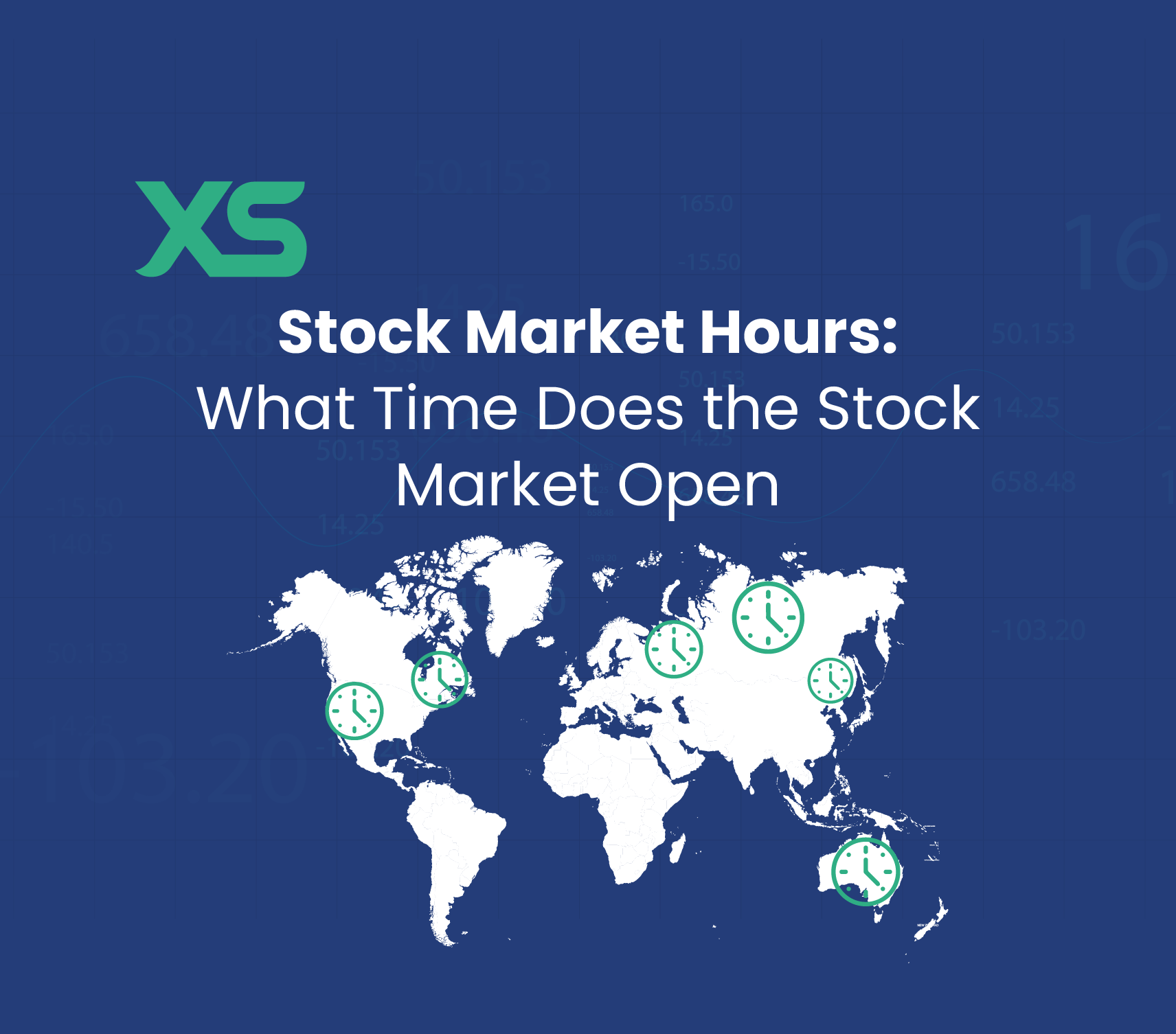
The early hours of Asian markets often react to news from the prior U.S. trading day’s close, and their performance can provide an early indication of global investor sentiment, influencing how European markets open, which then impacts the U.S. market.
The Concept of a 24/7 Global Market Cycle
Considering the staggered opening and closing times across these major financial centers, it becomes clear that there is an almost continuous cycle of equity trading around the world. As Asian markets close, European markets are often well into their session, and by the time Europe winds down, the U.S. market is in full swing. This seamless transition, often referred to as the “24/7 global market cycle,” means that market-moving news or events can trigger reactions anywhere in the world, which then ripple through subsequent markets.
For investors, this interconnectedness highlights the importance of being aware of global economic calendars and geopolitical developments, as they can set the tone for the next trading session, regardless of where the investor is located. While a specific exchange may have defined hours, the broader financial ecosystem never truly sleeps.
Why Trading Hours Matter: Implications for Investors
Understanding when markets open and close is more than just academic knowledge; it has profound practical implications for investment strategy, risk management, and overall market awareness.
Liquidity and Volatility Considerations
The most significant impact of trading hours lies in their effect on liquidity and volatility. During the core trading hours (9:30 AM to 4:00 PM ET) in the U.S., liquidity is at its peak. This means there’s a high volume of buyers and sellers, leading to tighter bid-ask spreads and the ability to execute large trades without significantly impacting the price. High liquidity generally translates to greater price stability and efficiency.
Conversely, pre-market and after-hours sessions are characterized by lower liquidity. With fewer participants and less trading volume, even relatively small buy or sell orders can cause dramatic price swings. This heightened volatility, combined with wider spreads, means that investors trading outside core hours face increased risk of unfavorable execution prices. A stock might gap up or down significantly at the open based on overnight news, presenting both opportunities for quick profits and substantial losses, particularly for those unprepared for the rapid shifts.
Information Efficiency and News Impact
Trading hours play a crucial role in how quickly and efficiently information is assimilated into stock prices. Major corporate announcements, such as earnings reports, mergers and acquisitions, or FDA approvals, are often strategically released either before the market opens or after it closes. This timing allows market participants adequate time to digest the news and for professional analysts to publish their reactions before trading resumes.
However, these news releases can lead to price gaps at the next market open. If positive news is released after hours, a stock might open significantly higher than its previous day’s close (a “gap up”). Conversely, negative news could cause a “gap down.” For investors, being aware of these potential gaps is vital. Traders who hold positions overnight or over a weekend are exposed to “gap risk,” where the stock’s price might move substantially against their position before they have a chance to react. Long-term investors, while less concerned with minute-by-minute fluctuations, still need to understand that major news can create significant revaluations that impact their portfolio’s value at the start of a new trading session.
Strategy Adjustment Based on Trading Hours
Different trading strategies are inherently tied to market hours.
- Day traders, who aim to profit from intra-day price movements, typically focus exclusively on the regular trading session due to its superior liquidity and predictable volatility patterns. They might avoid extended hours due to the unpredictable nature of price action.
- Swing traders and long-term investors might pay closer attention to how stocks react to news during extended hours, but they are less likely to actively trade during those times. Their focus might be on the opening and closing prices of the regular session, and how they consolidate or break trends over days, weeks, or months.
- Risk management becomes paramount, especially during less liquid periods. Setting stop-loss orders might not be as effective in pre-market or after-hours due to rapid price movements and wider spreads, potentially leading to orders being filled at prices far from the stop level. Investors need to adapt their approach based on the trading session, recognizing the increased risks and adjusting their position sizes or order types accordingly.
Practical Tips for Navigating Market Opening and Closing
Navigating the ebb and flow of market hours requires a disciplined approach and access to the right tools. Proactive measures can significantly enhance an investor’s ability to capitalize on opportunities and mitigate risks.
Set Up Alerts and Notifications
In today’s fast-paced financial world, staying informed is paramount. Leverage technology to your advantage by setting up alerts and notifications through your brokerage platform, financial news apps, or dedicated market data services. These alerts can notify you of:
- Market open and close times: Ensures you’re aware when trading officially begins or ends.
- Key news releases: Be it corporate earnings, economic data, or geopolitical developments, prompt alerts allow you to react quickly.
- Significant price movements: Alerts for specific stocks or indices can help you monitor positions during less liquid extended hours without needing constant screen time.
- Volume spikes: Unusual volume can often precede or accompany significant price action.
Timely notifications empower you to make informed decisions, whether it’s adjusting a trade, researching a sudden price move, or simply staying updated on your portfolio.
Understand Your Broker’s Policies
Not all brokerage firms offer the same level of access or features for extended-hours trading. Before you attempt to place orders outside of the regular session, it is critical to understand your broker’s specific policies. Inquire about:
- Extended-hours trading windows: What are the exact start and end times for pre-market and after-hours trading offered by your broker?
- Available order types: Can you place market orders, limit orders, stop orders, or other advanced order types during extended hours? Most brokers will only allow limit orders due to the volatility.
- Eligible securities: Are all stocks available for extended-hours trading, or are there restrictions?
- Fees or commissions: Are there any additional costs associated with extended-hours trading?
- Risk disclosures: Ensure you fully understand the specific risks your broker highlights for trading in less liquid environments.
Having a clear understanding of these details will prevent surprises and ensure you operate within your broker’s operational framework.
Develop a Trading Plan
A well-defined trading plan is indispensable for any investor, and it should explicitly incorporate considerations for market opening and closing times. Your plan should address:
- Pre-market analysis: How will you review overnight news and international market movements to gauge the potential direction of the U.S. market at open?
- Opening bell strategy: Will you look for opening gaps, initial volatility, or wait for the first 30-60 minutes for the market to establish a clearer trend?
- Closing bell strategy: How will you manage positions as the market approaches the close? Will you aim to flatten positions, or hold them overnight?
- Reaction to news: How will you respond to news released during pre-market, after-hours, or over weekends? Will you adjust positions, or wait for regular hours?
- Entry and exit criteria: Define specific price points or conditions under which you will enter or exit trades, especially factoring in potential extended-hours price action.
A robust plan helps maintain discipline and reduces emotional decision-making, particularly during periods of heightened activity or uncertainty.
Prioritize Risk Management
Given the unique characteristics of different trading sessions, prioritizing risk management is crucial.
- Position sizing: Be more conservative with position sizes when trading in less liquid pre-market or after-hours sessions to minimize potential losses from rapid price swings.
- Limit orders: Always use limit orders during extended hours. This protects you from having your trade filled at an unexpectedly unfavorable price due to wide bid-ask spreads or sudden volatility.
- Stop-loss awareness: While stop-loss orders are valuable, understand that they may be “gapped over” during extended hours or at the market open, meaning your order might be executed at a price significantly worse than your set stop. Consider this risk when holding positions overnight.
- Don’t chase rapid moves: Resist the urge to jump into fast-moving stocks during extended hours without thorough analysis, as these moves can be fleeting and quickly reverse.
- Be aware of news catalysts: If you know a major earnings report or economic data release is imminent, consider whether holding positions through that period aligns with your risk tolerance.
By implementing these practical tips, investors can navigate the complexities of market opening and closing with greater confidence and control, turning potential challenges into informed opportunities.
Understanding the stock market’s operational hours, from the precise opening and closing bells of the regular session to the dynamic extended trading periods, is fundamental to successful investing. This knowledge empowers investors to make informed decisions, manage risk effectively, and tailor their strategies to the prevailing market conditions. Whether responding to a pre-market earnings surprise, navigating the robust liquidity of core hours, or considering the global influences from other time zones, awareness of the market’s clock is an indispensable tool in the discerning investor’s arsenal. Ultimately, mastering the temporal aspects of trading is not just about knowing “what time does the market open stock,” but about harnessing that knowledge to achieve your financial objectives with precision and foresight.
aViewFromTheCave is a participant in the Amazon Services LLC Associates Program, an affiliate advertising program designed to provide a means for sites to earn advertising fees by advertising and linking to Amazon.com. Amazon, the Amazon logo, AmazonSupply, and the AmazonSupply logo are trademarks of Amazon.com, Inc. or its affiliates. As an Amazon Associate we earn affiliate commissions from qualifying purchases.