
In an age where real-time updates are the norm for everything from ride-sharing services to online shopping deliveries, the anticipation of mail can feel like a relic of a bygone era. The question, “What time does mail arrive in my area?” is not just a simple inquiry; it’s a desire for predictability and a symptom of our evolving expectations shaped by technological advancements. While the postal service itself is a complex logistical operation, the tools and information available to consumers to understand and even anticipate mail delivery times have become increasingly sophisticated. This article delves into the technological landscape that empowers you to gain insight into your mail’s journey, transforming a daily mystery into a manageable expectation.
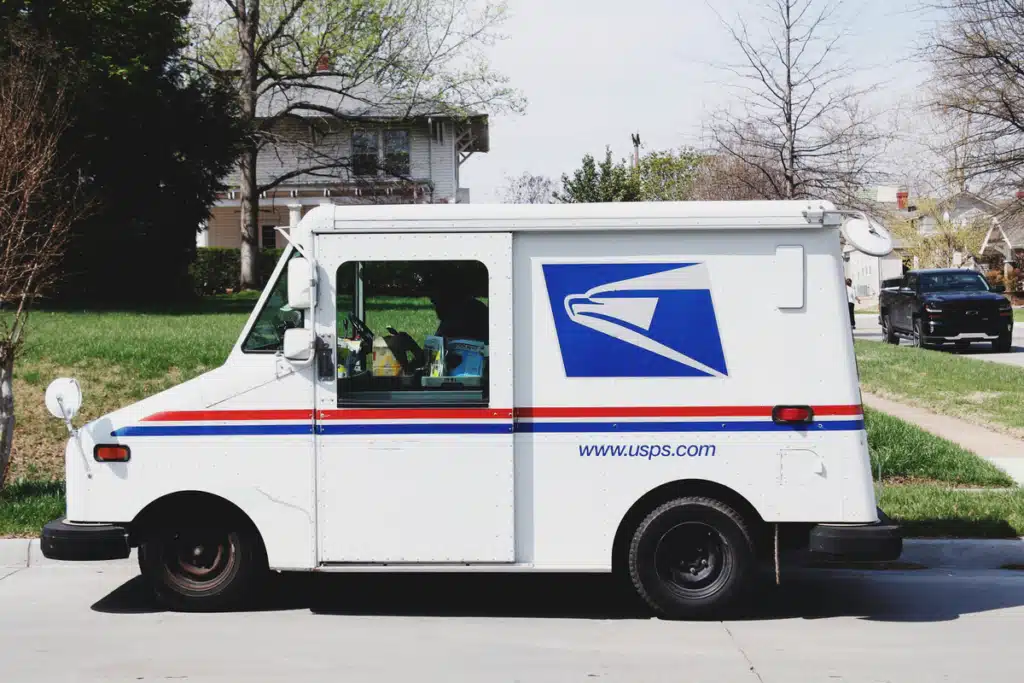
The Digital Transformation of Postal Tracking
The traditional image of mail delivery – a carrier with a bag, arriving at some point during the day – is being augmented by a digital layer that offers unprecedented transparency. This transformation is not about changing the physical act of mail delivery, but about how we, as recipients, can interact with and understand the process through technology. From official tracking portals to third-party applications, the digital footprint of mail has expanded significantly.
Official Postal Service Tracking Platforms
At the forefront of this digital shift are the official tracking platforms provided by national postal services. These platforms, accessible via websites and dedicated mobile applications, are designed to offer the most accurate and up-to-date information directly from the source. For instance, in the United States, the United States Postal Service (USPS) offers a robust “Track & Confirm” service. This system allows users to input tracking numbers for packages and, in some cases, even letters with specific services like Certified Mail or Priority Mail, to follow their progress. The data typically includes information on when an item was mailed, when it arrived at various sorting facilities, and when it was out for delivery. While it might not provide an exact minute of arrival, it often narrows down the delivery window considerably, indicating that the mail is on its way for the day.
Similarly, postal organizations worldwide have invested in similar digital infrastructures. Royal Mail in the UK, Canada Post, Deutsche Post, and Australia Post all provide online tracking tools that have become essential for both individuals and businesses. These platforms are built on complex IT systems that integrate with sorting machines, transportation networks, and the handheld scanners used by delivery personnel. The underlying technology involves barcode scanning, GPS tracking for vehicles (in some cases), and sophisticated database management to ensure that information is updated in near real-time. This digital backbone is the first and most crucial technological layer in demystifying mail arrival times.
Mobile Applications and Notification Systems
Beyond official websites, the proliferation of smartphones has given rise to a new wave of convenience through dedicated mobile applications and integrated notification systems. Many postal services have developed user-friendly apps that mirror the functionality of their web platforms but offer the added advantage of push notifications. This means that instead of actively checking for updates, users can receive alerts directly on their phones when their mail has entered a new stage of its journey, such as “out for delivery.”
Furthermore, a growing ecosystem of third-party applications aims to consolidate mail and package tracking from multiple carriers into a single interface. These apps leverage APIs (Application Programming Interfaces) provided by postal services and other shipping companies to pull tracking data. By connecting your email accounts or manually adding tracking numbers, these applications can automatically detect incoming packages and even inform you about letter mail if you’ve opted into specific services or received notification cards. This creates a centralized hub for all your delivery information, further enhancing the predictability of when your mail will arrive. The technology behind these apps involves data aggregation, intelligent parsing of tracking information, and often machine learning to predict delivery windows based on historical data and current logistical information.
Advanced Tracking Technologies and Predictive Analytics
While the basic tracking of mail has become more accessible, advanced technologies are pushing the boundaries of predictability even further. These innovations are not always directly visible to the end-user but form the sophisticated infrastructure that underpins modern postal operations and offers the potential for more precise delivery estimates.
Barcode Scanning and Route Optimization Software
The fundamental technology enabling mail tracking is barcode scanning. Every piece of mail, particularly parcels, is affixed with a unique barcode that is scanned at multiple points along its journey – from the point of origin to the local sorting facility and onto the delivery truck. Each scan updates the mail’s status in the postal service’s central database. This data, when aggregated and analyzed, provides a snapshot of where your mail is.
Beyond just tracking, this data fuels sophisticated route optimization software. Delivery drivers utilize digital devices that not only guide them on the most efficient routes but also communicate their progress back to the central system. While the primary goal of this software is operational efficiency, it indirectly contributes to better delivery time estimates. By understanding the density of deliveries on a specific route and the average time taken per stop, postal services can, in theory, provide more accurate delivery windows. Some advanced systems might even offer a dynamic “next stop” prediction, although this level of granularity is not yet universally available for all types of mail. The algorithms powering these systems consider factors like traffic, the number of packages for a specific route, and the historical performance of a particular delivery sector.
Geolocation and Real-Time Monitoring
The integration of geolocation technology has been a game-changer. GPS devices installed in mail sorting facilities and, increasingly, in delivery vehicles, provide precise location data. This allows for real-time monitoring of the entire postal network. For consumers, this translates into more accurate “out for delivery” statuses. When a mail carrier’s route begins, their device often signals to the system that their batch of mail is now in transit for delivery.
While direct GPS tracking of individual letters might be cost-prohibitive and technically complex, the aggregate data from delivery vehicles can be used to infer delivery times for specific neighborhoods. Some experimental or premium services might offer more granular tracking, but for the average recipient, the enhanced visibility comes from the improved operational intelligence derived from these technologies. The ability to monitor the movement of mail trucks in real-time allows postal services to identify delays and reroute resources, which ultimately contributes to a more consistent delivery schedule, even if specific arrival times remain elusive.
Understanding the Limitations and Future Possibilities
Despite the significant technological advancements, pinpointing the exact time mail arrives in your area remains a complex challenge. The nature of mail delivery, encompassing a vast network of sorting, transportation, and the final mile, introduces inherent variability.
The Variables Affecting Mail Delivery Times
Several factors, beyond the direct control of technological tracking, influence when your mail will arrive. Firstly, volume: Postal services handle millions of pieces of mail daily. Peak seasons like holidays can significantly increase volumes, leading to delays. Secondly, weather: Severe weather conditions can disrupt transportation and delivery routes, making real-time tracking data less predictive for specific arrival times. Thirdly, route density and efficiency: The number of stops on a mail carrier’s route, traffic conditions, and the carrier’s familiarity with the route all play a role. A rural route with fewer stops might see earlier delivery than a dense urban route. Fourthly, service type: Different mail classes and shipping services have varying delivery speeds and priorities. A standard letter will not have the same tracking or delivery urgency as an express package.
Finally, the “last mile” problem: The final leg of delivery, from the local post office to your doorstep, is often the most unpredictable. Factors like vehicle maintenance issues, unexpected traffic, or even a carrier needing to take a break can slightly alter schedules. While technology provides a clearer picture of the mail’s journey up to the local delivery point, the precise timing of its arrival at your specific address is subject to these on-the-ground realities.

The Future: AI-Powered Predictive Deliveries
Looking ahead, the integration of Artificial Intelligence (AI) and machine learning promises to further refine our ability to predict mail arrival times. AI algorithms can analyze vast datasets of historical delivery information, weather patterns, traffic data, and even local event schedules to generate more accurate probabilistic delivery windows. Imagine an app that doesn’t just say “out for delivery” but suggests, “Your mail is expected between 10:00 AM and 12:30 PM today, based on current route progress and historical averages for your neighborhood.”
This level of prediction, while still evolving, leverages the power of technology to make an age-old service more aligned with modern expectations of real-time information. As postal services continue to invest in smart infrastructure, data analytics, and AI, the question of “what time does mail arrive in my area” will likely transition from a general inquiry to a more precise and personalized forecast, all thanks to the relentless march of technological innovation in the postal domain. The digital transformation of mail is not just about tracking; it’s about creating a more connected and predictable delivery experience.
aViewFromTheCave is a participant in the Amazon Services LLC Associates Program, an affiliate advertising program designed to provide a means for sites to earn advertising fees by advertising and linking to Amazon.com. Amazon, the Amazon logo, AmazonSupply, and the AmazonSupply logo are trademarks of Amazon.com, Inc. or its affiliates. As an Amazon Associate we earn affiliate commissions from qualifying purchases.