
The search query “what time does Home Depot open near me” is more than just a functional request for operational hours; it is a testament to the immense brand equity and strategic positioning of one of the world’s most successful retail giants. When a consumer types those words into a search engine, they are demonstrating a level of brand intent that most corporations spend billions of dollars to achieve. Home Depot has managed to embed itself so deeply into the consumer psyche that it is the default destination for home improvement, construction, and DIY projects. This dominance is not accidental. It is the result of a meticulously crafted brand strategy that prioritizes accessibility, reliability, and a sophisticated omnichannel presence.

The Psychology of Proximity: Why “Near Me” is a Brand Victory
The phrase “near me” has become a cornerstone of modern consumer behavior, but for Home Depot, it represents a strategic moat. By positioning their physical locations at high-traffic, high-visibility intersections across North America, the brand has ensured that “Home Depot” and “convenience” are synonymous.
The Strategic Real Estate Moat
Home Depot’s corporate identity is physically anchored by its massive “big-box” footprint. Unlike boutique hardware stores or digital-only marketplaces, Home Depot leverages its physical presence as a living billboard. The brand strategy involves a sophisticated “cluster” approach to real estate, ensuring that in metropolitan areas, a store is rarely more than a 15-minute drive away. This proximity builds a psychological safety net for the consumer. When a pipe bursts or a contractor realizes they are short on lumber, the brand’s physical ubiquity ensures it is the first—and often only—solution that comes to mind. This “near me” reliability is a core pillar of their market dominance.
Top-of-Mind Awareness and the “Orange” Identity
The branding of Home Depot is instantly recognizable, primarily due to its iconic “Big Orange” color palette. In the world of brand strategy, color psychology plays a vital role. Orange communicates energy, affordability, and physical activity—perfectly aligned with the “Do-It-Yourself” spirit. When a user searches for store hours, they aren’t just looking for a time; they are looking for the “Orange” experience. This visual consistency across thousands of locations reinforces a sense of stability. Whether you are in Seattle or Miami, the Home Depot brand promises the same layout, the same inventory, and the same expertise, reducing the cognitive load on the consumer and fostering deep-seated brand loyalty.
Omnichannel Excellence: Merging Digital Search with Physical Retail
In the modern retail landscape, the brand experience begins long before the customer walks through the sliding glass doors. Home Depot has mastered the “omnichannel” approach, ensuring that their digital presence is as robust and helpful as their physical aisles.
The Seamless Transition from Search to Shelf
When a customer asks, “What time does Home Depot open near me?” the brand’s digital infrastructure is ready to provide an answer that goes beyond mere numbers. Home Depot’s integrated app and mobile-optimized site provide real-time data on inventory levels, aisle locations, and even localized pricing. This is a masterclass in brand utility. By providing the exact aisle and bin number for a product via their app, Home Depot eliminates the frustration of searching a massive warehouse. This digital-to-physical handoff is a critical component of their marketing strategy, positioning the brand not just as a seller of goods, but as a partner in the customer’s project efficiency.
Leveraging Local SEO as a Competitive Advantage
From a marketing perspective, Home Depot dominates local search through aggressive and intelligent SEO (Search Engine Optimization) strategies. Each store location functions as a localized digital hub. By optimizing for “near me” queries, Home Depot ensures that they capture high-intent traffic at the exact moment of need. This visibility is bolstered by a massive repository of localized content, reviews, and Google My Business optimizations. The brand understands that in the digital age, being “open” is not enough; you must be “discoverable.” Their ability to appear at the top of search results for thousands of localized queries daily is a testament to a brand strategy that understands the intersection of technology and consumer habits.
Cultivating Trust: The Brand Identity of the “Orange Apron”
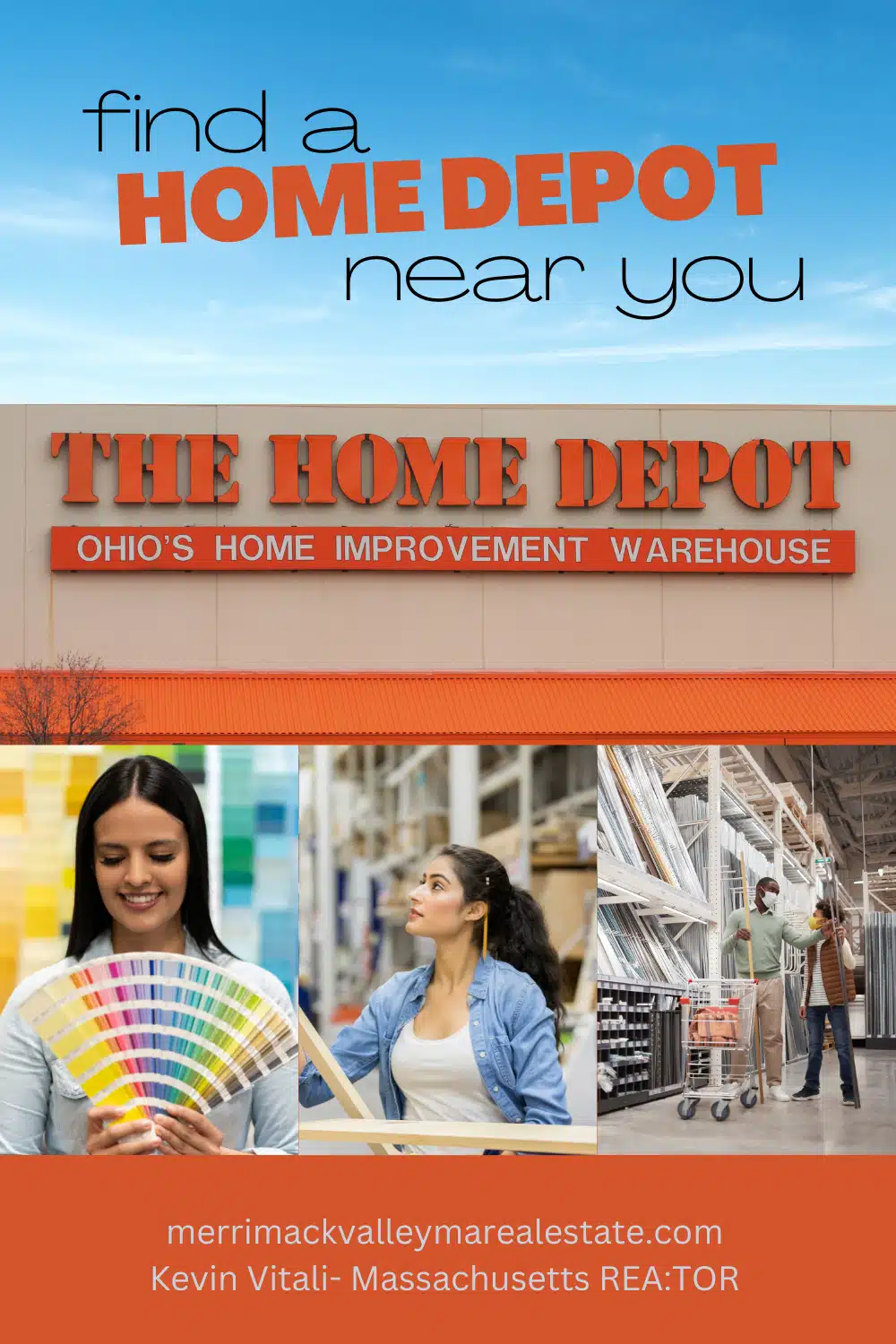
A brand is more than a logo or a building; it is the sum of its interactions with its customers. Home Depot has built its brand around the concept of expertise and empowerment, largely through the symbolic and literal presence of the “Orange Apron.”
Empowering the Employee as a Brand Ambassador
The Home Depot brand strategy relies heavily on the expertise of its floor associates. By hiring retired tradespeople and providing extensive training, the brand positions itself as a repository of knowledge. When a customer walks in at 6:00 AM, they aren’t just looking for a hammer; they are often looking for advice on how to use it. The “Orange Apron” serves as a uniform of authority and helpfulness. This human element of the brand identity differentiates Home Depot from online-only competitors like Amazon. You can buy a drill online, but you can’t get a master plumber to explain how to install a vanity through a generic product description. This expertise-driven branding creates a “sticky” customer relationship that transcends price.
The Pro-Customer Segment: A Specialized Brand Strategy
Home Depot does not treat all customers the same. A significant portion of their brand strategy is dedicated to the “Pro” (professional contractor) segment. For these customers, store hours and proximity are matters of business survival. Home Depot has tailored its brand to cater to this high-value demographic through specialized Pro Desks, bulk pricing, and commercial credit programs. By creating a “brand within a brand” for professionals, Home Depot secures a steady stream of high-volume revenue that is less susceptible to economic fluctuations. This dual-identity strategy—being both a DIY haven and a professional supply house—allows the brand to capture the widest possible market share.
Resilience Through Consistency: Maintaining a Global Corporate Identity
One of the greatest challenges for a brand of Home Depot’s scale is maintaining consistency across thousands of locations and tens of thousands of employees. Brand dilution is a constant threat, yet Home Depot has remained remarkably disciplined.
Uniformity in a Fragmented Market
The “Home Depot Experience” is curated to be identical regardless of geography. This uniformity is a deliberate strategic choice. In a fragmented home improvement market where local hardware stores can vary wildly in quality and inventory, Home Depot offers a “safe” brand promise. Consumers know exactly what to expect. This predictability is a form of brand equity that builds trust over decades. The corporate identity is reinforced by standardized marketing campaigns, a unified voice in social media, and a consistent commitment to the “low price, high value” proposition.
Brand Evolution in the Post-Pandemic Era
The COVID-19 pandemic forced a rapid evolution in brand strategy for all retailers, but Home Depot thrived by leaning into its core strengths. They accelerated their “One Home Depot” investment plan, which focused on enhancing the interconnected retail experience. By offering curbside pickup and improving their supply chain transparency, they reinforced the brand’s promise of being there for the customer when it matters most. This adaptability showed that while the core brand values remain static, the execution of those values must be dynamic. The “near me” search became even more vital as people spent more time on home projects, and Home Depot’s brand was ready to meet that surged demand.
The Future of Brand Accessibility: Beyond the Physical Storefront
As we look toward the future, the Home Depot brand is moving toward an even more integrated model. The concept of “near me” is expanding from physical distance to digital immediacy.
Digital Innovation and Predictive Shopping
The next frontier for the Home Depot brand strategy involves the use of AI and data analytics to predict what a customer needs before they even search for it. By analyzing historical purchase data and seasonal trends, the brand can personalize marketing efforts to the individual homeowner. This shifts the brand from a reactive entity (waiting for a search) to a proactive partner (suggesting maintenance or project upgrades). This level of personalized branding deepens the emotional connection between the consumer and the corporation, making the brand an indispensable part of homeownership.
Sustainable Branding and Long-Term Value
Finally, modern brand strategy requires a commitment to corporate social responsibility (CSR). The Home Depot Foundation and the company’s focus on sustainable products are integral to its modern identity. Consumers, particularly younger generations, want to support brands that align with their values. By investing in community disaster relief and promoting energy-efficient products, Home Depot is evolving its brand from a “hardware store” to a “community pillar.” This long-term brand building ensures that when the next generation of homeowners asks, “What time does Home Depot open near me?” they are searching for a brand they trust and respect.
aViewFromTheCave is a participant in the Amazon Services LLC Associates Program, an affiliate advertising program designed to provide a means for sites to earn advertising fees by advertising and linking to Amazon.com. Amazon, the Amazon logo, AmazonSupply, and the AmazonSupply logo are trademarks of Amazon.com, Inc. or its affiliates. As an Amazon Associate we earn affiliate commissions from qualifying purchases.