
The question, “What time does Halloween Spirit close?” seems simple on the surface, a utilitarian query posed by a last-minute shopper or an employee seeking clarification. Yet, beneath this seemingly straightforward request lies a profound insight into the unique challenges and sophisticated strategies employed by seasonal brands. For entities like Halloween Spirit, a pop-up retailer that manifests for a fleeting period each year, every operational detail, including its closing time, becomes a critical component of its overarching brand strategy. These ephemeral brands operate on a compressed timeline, demanding exceptional agility, impactful marketing, and a deep understanding of customer psychology to maximize their brief window of existence. Their lifecycle, from grand opening to final closing, is a masterclass in brand building, urgency creation, and the art of leaving a memorable impression.
The Ephemeral Brand: Navigating the Seasonal Pop-Up Paradox
Seasonal pop-up stores, exemplified by Halloween Spirit, are a fascinating paradox in the retail landscape. They appear, flourish, and disappear with the changing seasons, defying conventional long-term brand building. Unlike established year-round brands that rely on consistent presence and incremental growth, ephemeral brands must achieve hyper-acceleration in recognition, engagement, and sales. Their very temporality is both their greatest challenge and their most potent brand asset.
The Allure and Challenge of Limited-Time Engagement
The inherent impermanence of a seasonal pop-up cultivates an immediate sense of urgency and exclusivity. Customers know that if they don’t engage now, the opportunity will vanish. This limited-time engagement fuels impulsive purchases and encourages exploration, transforming shopping into an event. The allure for the consumer lies in the uniqueness of the offering and the thrill of discovery before it’s gone. For the brand, however, this translates into immense pressure. Every day, every hour, counts. There’s no time for slow-burn marketing or gradual brand recognition; it must be instantaneous and impactful. The challenge is to convert this initial allure into tangible sales and, more importantly, into a memorable brand experience that ensures customers anticipate its return.
Building Instant Recognition and Trust
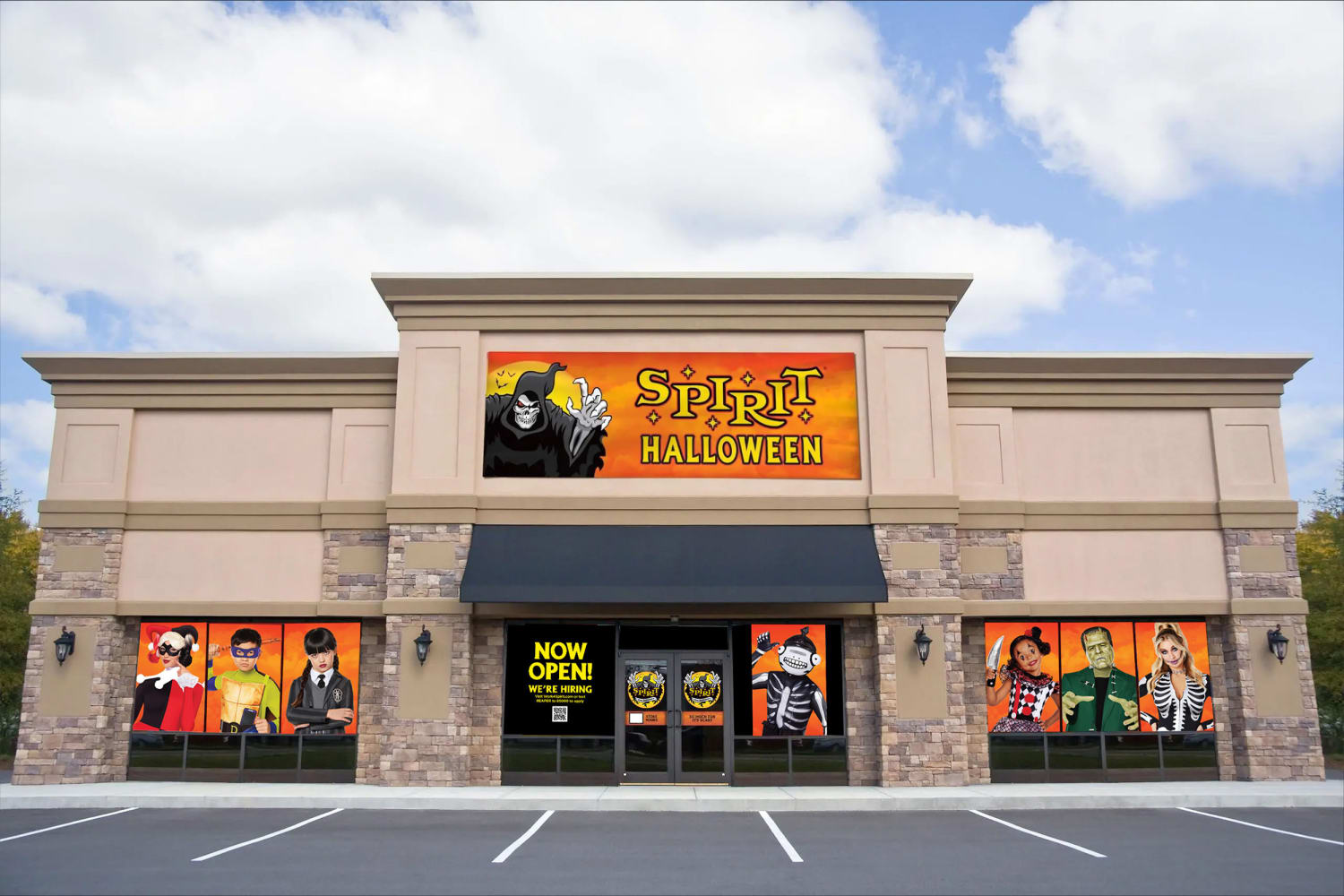
With a brief operating window, seasonal brands cannot afford a lengthy introduction. Brand recognition must be established almost instantly. This often involves leveraging highly visible locations, distinctive visual merchandising, and a strong, recognizable brand identity that resonates with the specific season or theme. For Halloween Spirit, this means an unmistakable aesthetic: bold orange and black signage, elaborate window displays showcasing costumes and décor, and often, an entire store façade transformed to scream “Halloween is here!” Trust, equally critical, is built through consistent branding, reliable product availability (within the seasonal context), and a seamless customer experience from the moment they step through the door until their final purchase. Without the luxury of time to build a reputation gradually, first impressions are everything, and every interaction contributes significantly to the brand’s immediate credibility.
The Critical Role of Location and Visibility
For a brand that relies on rapid recognition, location is not just a logistical choice; it’s a fundamental part of its brand strategy. Seasonal pop-ups often occupy high-traffic retail spaces, vacant storefronts in bustling shopping centers, or strategically placed standalone units designed for maximum visibility. These locations act as giant billboards, announcing the brand’s presence to thousands of potential customers daily. The sheer physical appearance and strategic placement of a Halloween Spirit store become a powerful marketing tool, a signal that the season has arrived, drawing customers in through curiosity and convenience. This physical manifestation is often the first, and sometimes only, direct interaction many customers have with the brand, making its visual impact and accessibility paramount to its success and brand perception.
Crafting Urgency and Cultivating Lasting Customer Connection
The clock is always ticking for an ephemeral brand. This inherent time constraint is not merely an operational challenge but a strategic advantage, allowing brands to craft urgency and drive engagement in ways year-round retailers often cannot.
Marketing the Finite: Scarcity and FOMO
The marketing playbook for seasonal brands leans heavily on principles of scarcity and the Fear Of Missing Out (FOMO). Advertisements, both digital and physical, often highlight the temporary nature of the store, emphasizing phrases like “Limited Time Only,” “While Supplies Last,” or “Don’t Miss Out!” This creates a psychological imperative for consumers to act quickly. For Halloween Spirit, this means promoting not just products, but the entire “Halloween experience” as a finite event. Campaigns are designed to ignite excitement early and sustain it through the final days, transforming shopping into a must-do seasonal ritual. The “closing time” isn’t just a store operation; it’s the deadline for an experience, amplifying the brand’s allure.
Immersive Experiences: More Than Just Products
Given their brief existence, seasonal brands often go beyond mere product sales to offer immersive experiences that deepen customer connection. For Halloween Spirit, this could involve creating a spooky, theatrical atmosphere within the store, encouraging costume try-ons, or hosting in-store events that celebrate the season. These experiences transform a shopping trip into an engaging memory, enhancing the brand’s perceived value and fostering emotional ties. When customers feel a sense of wonder or excitement, they are more likely to make purchases and, crucially, to remember the brand positively, eagerly anticipating its return the following year. The brand isn’t just selling costumes; it’s selling the magic of Halloween itself.
The Art of the Grand Finale: Maximizing End-of-Season Buzz
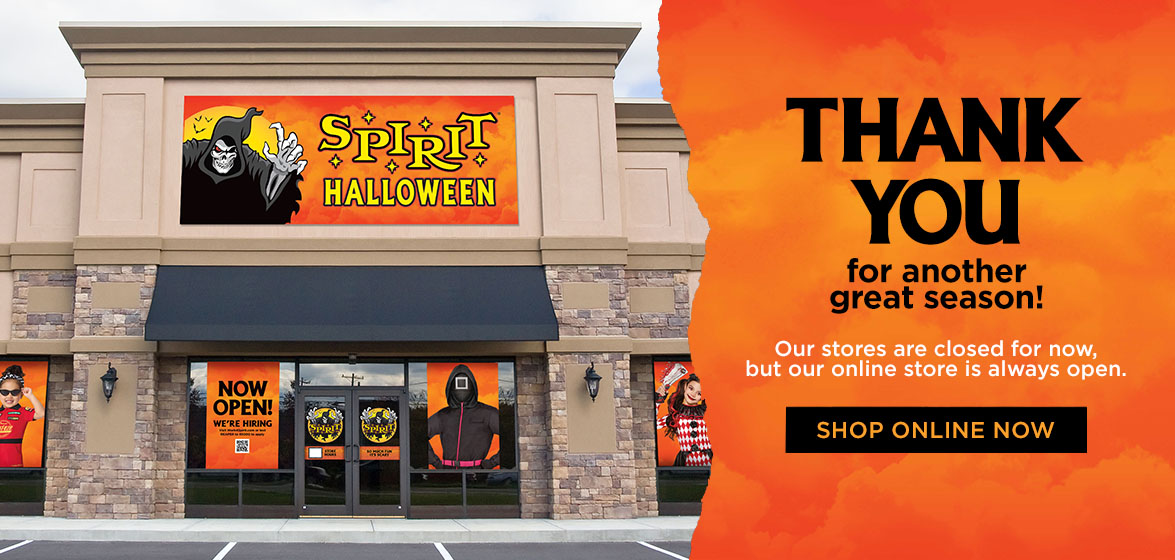
The closing phase of a seasonal brand’s lifecycle is just as critical as its opening. This is where the question “What time does Halloween Spirit close?” takes on its most direct strategic meaning. The “grand finale” period is characterized by aggressive promotions, clearance sales, and a final push to liquidate inventory. This creates a last wave of urgency, attracting bargain hunters and those who put off their shopping until the very end. Beyond sales, however, the brand must manage customer expectations around its imminent departure. Clear communication about closing dates and times prevents frustration and maintains a positive brand image, even as operations wind down. A well-executed finale ensures that customers leave feeling satisfied, not short-changed, reinforcing positive perceptions for future seasons.
Operationalizing Brand Promises: The “Closing Time” as a Strategic Touchpoint
Every aspect of a brand’s operation, particularly for a seasonal entity, is a direct reflection of its brand promise. The practicalities surrounding “closing time” are not merely administrative tasks but strategic touchpoints that reinforce or detract from the brand’s identity and customer experience.
Staffing and Training for Peak (and Closing) Performance
Seasonal brands rely heavily on temporary staff. For Halloween Spirit, this means recruiting and training a large team in a short timeframe, equipping them not just with product knowledge but also with an understanding of the brand’s values and the unique urgency of its operations. Staff must be capable of handling high customer volumes, providing exceptional service even during chaotic periods, and embodying the festive spirit of the brand. As the closing date approaches, managing staff morale, ensuring consistent service quality, and providing clear instructions for the final operational phase become paramount. The final interactions customers have with staff heavily influence their lasting impression of the brand.
Inventory Management and Brand Image
Effective inventory management is critical for seasonal brands. Overstocking can lead to significant losses, while understocking can frustrate customers and damage brand perception. For Halloween Spirit, the brand promise includes having a wide variety of costumes and décor. Maintaining this promise throughout the season, and especially towards the end, requires sophisticated forecasting and nimble logistics. The “closing time” is the ultimate deadline for inventory liquidation. Clearance sales are a double-edged sword: while they drive final sales, they must be managed carefully to avoid devaluing the brand’s perceived quality. The goal is to clear stock efficiently while still presenting a desirable shopping experience, even if the shelves are thinning.
Customer Service Excellence Through the Final Hours
The brand’s commitment to customer service must extend through its very last operating moments. Questions about closing times, returns, exchanges, or product availability will intensify as the deadline approaches. Providing clear, accessible information and maintaining a helpful, positive attitude from staff during these final hours is essential. A customer’s last interaction with Halloween Spirit, whether it’s an inquiry about a closing time or a final purchase, leaves an indelible mark. A brand that maintains its service standards even as it prepares to vanish leaves a far more positive and memorable impression than one that lets standards slip, ensuring a stronger foundation for its eventual return.
The Afterlife of a Seasonal Brand: Sustaining Resonance and Anticipation
While seasonal brands physically disappear, their brand presence doesn’t—or shouldn’t. The period between one season’s closing and the next’s opening is a crucial “afterlife” where strategic efforts can sustain resonance and build anticipation for the brand’s return.
Digital Footprint and Off-Season Engagement
Even when brick-and-mortar doors are closed, a brand’s digital presence remains active. Halloween Spirit, for example, can leverage its website, social media channels, and email marketing to stay connected with its audience during the off-season. This might involve sharing nostalgic content from the previous season, teasing upcoming trends for the next, or conducting surveys to gather feedback. Maintaining an active digital footprint ensures that the brand remains top-of-mind, preventing it from fading into obscurity during its dormant period. It’s about nurturing the community built during its active phase and keeping the “spirit” alive year-round.
Learning from Each Cycle: Data-Driven Brand Evolution
Every seasonal cycle provides a wealth of data – from sales figures and customer demographics to social media engagement and operational efficiencies. Analyzing this data during the off-season is vital for refining the brand’s strategy for the following year. What products sold best? Which marketing campaigns were most effective? Where were the operational bottlenecks? This data-driven approach allows Halloween Spirit to continuously evolve its brand offerings, optimize its marketing spend, and enhance the overall customer experience, ensuring each subsequent season is stronger and more impactful than the last. The brand learns and adapts, even when its physical stores are closed.

The Promise of Return: Building for Next Season’s Haunt
Perhaps the most potent strategy for an ephemeral brand is the promise of its return. This creates an ongoing narrative and a sense of anticipation that bridges the gap between seasons. By consistently delivering a positive experience and effectively communicating its future plans, Halloween Spirit cultivates a loyal customer base that eagerly awaits its annual reappearance. The “what time does Halloween Spirit close” question, therefore, isn’t just about this year; it implicitly carries the question of “when will it open again?” The successful seasonal brand doesn’t just close; it hibernates, leaving behind a memorable experience and a strong promise to haunt us again, bigger and better, next time. Its temporary absence becomes a strategic tool, enhancing its mystique and reinforcing its special place in the annual calendar of cultural events.
aViewFromTheCave is a participant in the Amazon Services LLC Associates Program, an affiliate advertising program designed to provide a means for sites to earn advertising fees by advertising and linking to Amazon.com. Amazon, the Amazon logo, AmazonSupply, and the AmazonSupply logo are trademarks of Amazon.com, Inc. or its affiliates. As an Amazon Associate we earn affiliate commissions from qualifying purchases.