
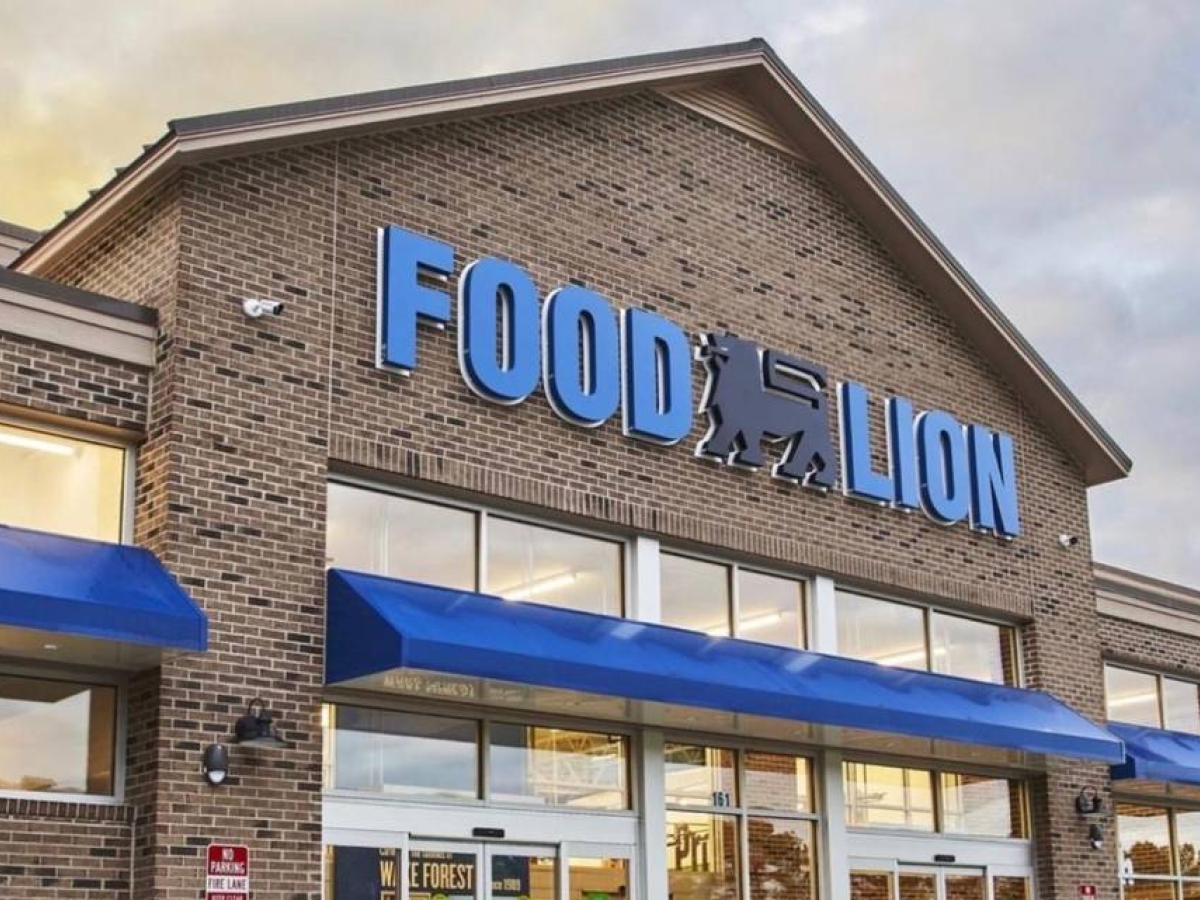
The simple query “what time does Food Lion open near me” is one of the most frequent types of interactions in the modern digital landscape. While it appears to be a basic request for information, it triggers a complex sequence of technological processes involving geolocation, local SEO algorithms, cloud-based data synchronization, and mobile application programming interfaces (APIs). In the contemporary retail environment, the distance between a consumer’s intent and their physical presence at a storefront is bridged by a sophisticated tech stack designed to provide instantaneous, accurate, and hyper-local data.
The Evolution of Hyper-Local Search: How Geolocation Powers Your Grocery Run
When a user types a query regarding store hours into a search engine, they are engaging with a global infrastructure of geolocation services. The “near me” component of the search is the catalyst for a series of data exchanges that occur in milliseconds. This process relies heavily on Global Positioning System (GPS) data, Wi-Fi triangulation, and IP address analysis to pinpoint the user’s exact coordinates.
The Role of Geofencing and Proximity Tech
Retailers like Food Lion utilize geofencing technology to enhance the accuracy of their digital presence. A geofence is a virtual perimeter for a real-world geographic area. When a mobile device enters or exits this boundary, it triggers a programmed action. In the context of local search, this ensures that the search engine results page (SERP) prioritizes the specific branch that is geographically closest to the user. This is not merely about convenience; it is a critical component of “Local SEO” (Search Engine Optimization). By utilizing schema markup—a form of microdata that helps search engines understand the content of a website—Food Lion ensures that its hours of operation, address, and current status (open or closed) are indexed correctly and displayed prominently in “knowledge panels” on search results.
API Integration: Syncing Brand Data with Map Services
The accuracy of “open now” or “closing soon” status is maintained through robust API integrations. Food Lion’s internal store management systems must communicate seamlessly with third-party platforms like Google Maps, Apple Maps, and Yelp. Through these APIs, any change in operating hours—whether due to a holiday, a local emergency, or a permanent shift in schedule—is pushed to the cloud and updated across all digital touchpoints. This synchronization prevents the “data drift” that often plagues smaller retailers, where a store’s Google listing might show it is open while the physical doors are locked. For a major brand, maintaining this digital-to-physical parity is essential for user trust and operational efficiency.
Inside the Food Lion Mobile Ecosystem: More Than Just Store Hours
While a web search is the gateway, the Food Lion mobile application represents the pinnacle of the brand’s digital strategy. The app is not just a digital flyer; it is a sophisticated data engine designed to personalize the shopping experience through advanced software engineering and user interface (UI) design.
Personalization Through Big Data and Machine Learning
The “MVP Rewards” program integrated into the app is a prime example of big data in action. Every time a customer searches for store hours or clips a digital coupon, data points are collected. Machine learning algorithms analyze these behaviors to predict future needs. If a user consistently searches for store hours on Saturday mornings, the app might proactively send a push notification on Friday evening with personalized deals or a reminder of the store’s opening time. This predictive analytics layer transforms a passive utility (checking hours) into an active engagement tool that drives foot traffic and increases “basket size.”
Inventory Management and Real-Time Availability
Modern retail technology has evolved beyond simply stating when a store is open. The current frontier is showing what is available while the store is open. Through integration with Point of Sale (POS) systems and backend warehouse management software, the Food Lion app can provide real-time or near-real-time inventory updates. This requires a high-performance cloud infrastructure capable of processing thousands of transactions per second across hundreds of locations. When a user checks the hours for their local Food Lion, they are often also checking if specific items are in stock for “Food Lion To-Go” pickup or delivery. This seamless blend of logistics and consumer-facing software defines the “Omnichannel” retail experience.
The Digital Transformation of the Grocery Experience
The question of when a store opens is the first step in a digitized journey that has been transformed by the “Internet of Things” (IoT) and edge computing. Retailers are increasingly moving toward a model where the physical store functions as a node within a larger digital network.
AI-Driven Customer Insights and Predictive Shopping
Artificial Intelligence is now used to optimize store hours based on foot traffic patterns detected by in-store sensors and mobile signals. If data shows a significant spike in “near me” searches at 6:00 AM in a specific college town, the retailer may use AI modeling to determine if shifting opening hours earlier would result in a net profit increase, balancing labor costs against projected sales. This data-driven approach to operations is a far cry from the static schedules of the past. It allows the brand to be as agile as the digital platforms their customers use.
The Backend of Omnichannel Retail
Omnichannel retail is the practice of providing a seamless experience across all channels, including physical stores, mobile apps, and websites. For Food Lion, this means that the “opening time” is just the start of a synchronized dance between the digital and physical worlds. Software platforms manage the queue for “To-Go” orders, ensuring that personal shoppers are notified to start picking items the moment the store opens. This requires sophisticated task-management algorithms that balance the influx of online orders with the capacity of the on-site staff. The tech stack involved includes everything from cloud hosting (such as AWS or Azure) to mobile device management (MDM) for the handheld scanners used by employees.
Future Trends in Local Retail Technology
As we look toward the future, the way users find out “what time does Food Lion open” will continue to evolve, driven by emerging technologies that make information retrieval even more frictionless.
Voice Search and Virtual Assistants
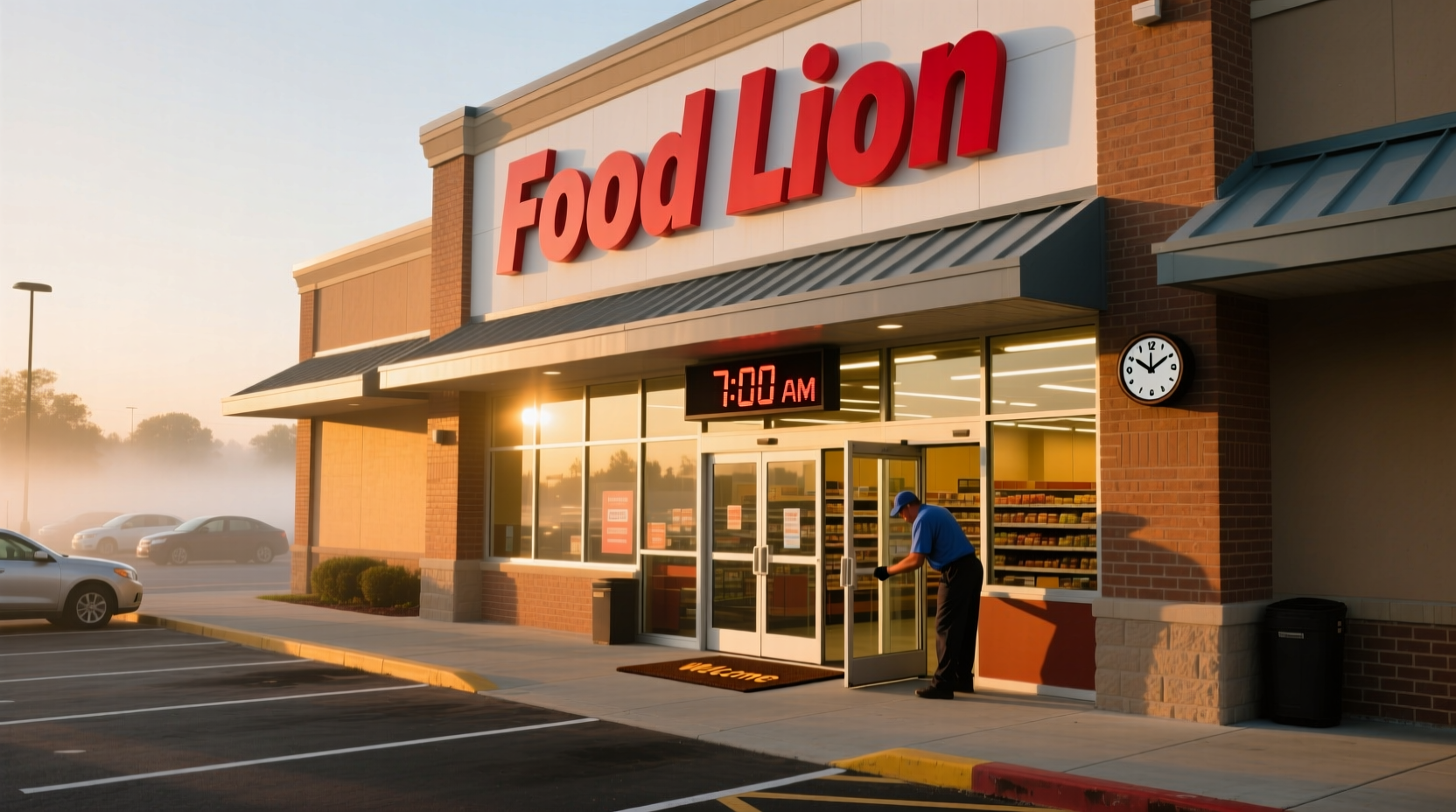
The rise of voice-activated technology—Amazon’s Alexa, Google Assistant, and Apple’s Siri—has changed the syntax of local search. Voice queries are typically more conversational and urgent. To stay relevant, retail brands must optimize for “Natural Language Processing” (NLP). This involves ensuring that their digital data is structured in a way that an AI can read it aloud accurately. A voice assistant doesn’t just show a list of hours; it must interpret the user’s intent and provide a concise, accurate answer: “Your local Food Lion on Main Street opens in ten minutes, at 7:00 AM.” This requires a deep integration between the brand’s data and the proprietary AI models of the tech giants.
Augmented Reality (AR) and Hyper-Contextual Data
The next phase of local search may involve Augmented Reality (AR). Imagine a user holding up their smartphone camera to a street view; an AR overlay could display the opening hours, current occupancy levels, and even the aisle location of items on their grocery list directly on the screen. This technology relies on “computer vision” and high-speed 5G connectivity to overlay digital information onto the physical world in real-time. While still in its early stages in the grocery sector, the foundational tech—accurate geolocation and real-time data feeds—is already being perfected through current search habits.
Blockchain and Supply Chain Transparency
While not directly related to store hours, blockchain technology is beginning to play a role in the broader “near me” search ecosystem. Consumers are increasingly using tech to verify the origin and freshness of products (the “traceability” factor). In the future, when a user looks up their local Food Lion, they might also see a “freshness score” for the produce department, backed by a decentralized ledger that tracks the journey of a head of lettuce from the farm to the shelf. This level of transparency represents the ultimate marriage of data integrity and consumer convenience.
In conclusion, the simple act of checking store hours is a gateway into a vast and intricate world of retail technology. From the geolocation pings of a smartphone to the AI-driven logistics of the supply chain, every “near me” search is supported by a robust digital infrastructure. As retail continues to evolve, the brands that master this tech stack—ensuring data accuracy, leveraging machine learning, and embracing new search modalities—will be the ones that stay most visible in an increasingly crowded digital marketplace. The future of the grocery run is not just about physical proximity; it is about digital precision.
aViewFromTheCave is a participant in the Amazon Services LLC Associates Program, an affiliate advertising program designed to provide a means for sites to earn advertising fees by advertising and linking to Amazon.com. Amazon, the Amazon logo, AmazonSupply, and the AmazonSupply logo are trademarks of Amazon.com, Inc. or its affiliates. As an Amazon Associate we earn affiliate commissions from qualifying purchases.