
For anyone engaging with the financial markets, from seasoned institutional investors to budding retail traders, understanding the operational hours of major indices like the Dow Jones Industrial Average (DJIA) is fundamental. The phrase “what time does the Dow open” isn’t merely a logistical query; it unlocks a deeper comprehension of market dynamics, liquidity, and strategic trading opportunities. The Dow, an iconic benchmark representing 30 of the largest and most influential U.S. companies, trades when the major U.S. stock exchanges are open. Its performance is often seen as a bellwether for the broader U.S. economy, making its active hours a period of intense focus for financial professionals and media alike.
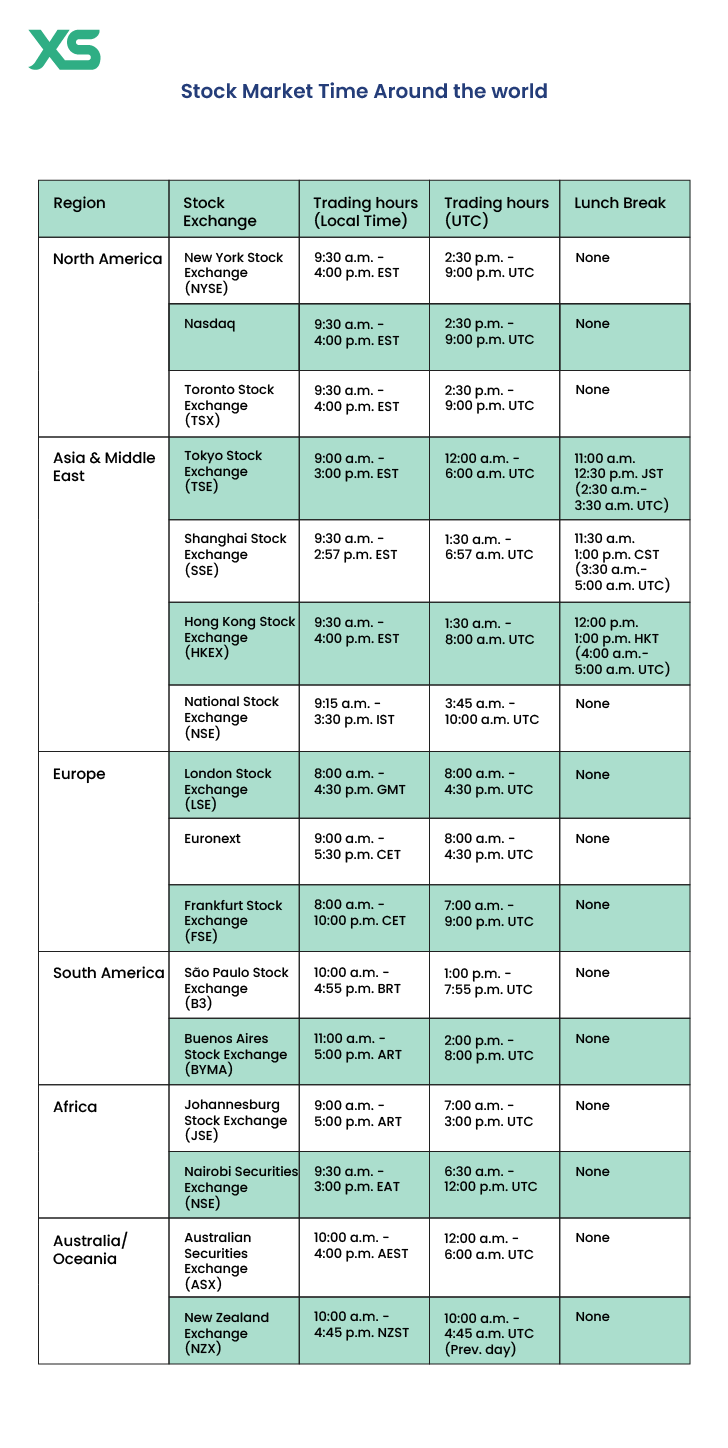
The rhythm of the U.S. stock market is dictated by the New York Stock Exchange (NYSE) and Nasdaq, the two primary exchanges where the component stocks of the Dow are traded. These hours have evolved over centuries, shaped by a blend of tradition, technology, and regulatory considerations, creating a structured environment designed to facilitate efficient and fair price discovery. Yet, the concept of “opening” and “closing” has become more nuanced in the modern era, with extended trading sessions preceding and following the traditional market day. This comprehensive guide will explore the precise timings, the underlying reasons for these schedules, and the strategic implications for investors navigating the complexities of the financial world.
The Standard Trading Day: Unpacking Regular Market Hours
The core of U.S. stock market activity revolves around the regular trading session, a period characterized by the highest volume, liquidity, and institutional participation. Understanding this window is crucial for anyone looking to trade or invest in Dow components or other U.S.-listed securities.
The Opening Bell: 9:30 AM Eastern Time
The official opening of the U.S. stock market, and by extension the active trading of Dow components, occurs at 9:30 AM Eastern Time (ET). This moment is famously symbolized by the ringing of the opening bell at the New York Stock Exchange. While ceremonial, the opening bell signifies the commencement of a frenetic period of trading. Prior to this, a process known as “order matching” takes place, where all buy and sell orders accumulated during the overnight and pre-market sessions are compiled and matched, leading to the establishment of the opening prices for individual stocks.
The initial minutes and hours after the open are often marked by increased volatility and trading volume. This is due to a confluence of factors: investors reacting to overnight news, economic data releases, corporate earnings announcements, and global market movements that occurred while U.S. markets were closed. Traders looking for immediate price action and institutional investors needing to execute large orders often focus heavily on this initial period. For day traders, the volatility around the open presents both significant opportunities and heightened risks, demanding swift decision-making and robust risk management.
The Closing Bell: 4:00 PM Eastern Time
Just as the market opens with a symbolic chime, it officially closes at 4:00 PM Eastern Time (ET), marked by the ringing of the closing bell. This signifies the end of the regular trading session on both the NYSE and Nasdaq. Similar to the opening, the closing hours are often characterized by elevated trading activity as investors close positions, rebalance portfolios, or execute orders ahead of the overnight break. “Closing auctions” occur on the exchanges to determine the official closing price for each stock, which is critical for portfolio valuations and benchmark calculations, including the daily value of the Dow Jones Industrial Average.
The period leading up to the close can also see significant price movements. Institutional traders, such as mutual funds and pension funds, may execute large orders to adjust their holdings before the end of the day, a practice sometimes referred to as “window dressing” if done for reporting purposes. Retail investors, too, may opt to place orders closer to the close, perhaps to avoid overnight risks or to capitalize on end-of-day momentum. Understanding the dynamics of the closing hours can provide insights into market sentiment and potential price trends for the following day.
Beyond Regular Hours: Pre-Market and After-Hours Trading
The traditional 9:30 AM to 4:00 PM ET window, while defining the standard market day, does not encompass all trading activity for Dow components. Modern electronic trading platforms have extended the reach of the market, allowing participants to trade before the opening bell and after the closing bell. These “extended-hours” sessions have become increasingly popular, offering flexibility but also introducing unique challenges and risks.
Pre-Market Trading: Setting the Stage
Pre-market trading typically runs from 4:00 AM ET to 9:30 AM ET. During this period, investors can place buy and sell orders for securities before the official market opening. This session is crucial for absorbing and reacting to news that breaks overnight or in the early morning, such as quarterly earnings reports, mergers and acquisitions announcements, or significant economic data from abroad. Companies often strategically release major news before the market opens to allow investors time to digest the information before regular trading begins.
While pre-market trading offers the advantage of early reaction, it comes with distinct characteristics:
- Lower Liquidity: Fewer participants means fewer buyers and sellers, which can lead to wider bid-ask spreads and difficulty in executing large orders at desired prices.
- Increased Volatility: News events can trigger sharp price swings due to the reduced liquidity, making prices more susceptible to manipulation or overreactions.
- Limited Order Types: Not all order types (e.g., certain conditional orders) may be available or function as effectively as they do during regular hours.
- Institutional Dominance: A significant portion of pre-market activity is driven by institutional investors and professional traders who have access to advanced trading systems and real-time news feeds. Retail access can vary by broker.
For retail investors, understanding pre-market activity can be valuable for gauging early sentiment and potential price direction for the regular session, even if they choose not to actively trade during this time.
After-Hours Trading: Post-Market Reactions
After-hours trading typically spans from 4:00 PM ET to 8:00 PM ET, immediately following the regular market close. Similar to pre-market, this session allows investors to react to news released after the market closes, such as late-breaking earnings reports, analyst upgrades/downgrades, or governmental policy announcements. Many companies prefer to release impactful news after 4:00 PM ET to avoid disrupting the normal trading day and to give investors a full night to process the information.

The characteristics of after-hours trading largely mirror those of pre-market:
- Reduced Liquidity: Volume tends to be significantly lower than during regular hours, leading to larger price fluctuations and potentially poorer execution prices.
- Higher Volatility: A single piece of news can have a more pronounced impact on a stock’s price due to fewer orders available to absorb the buying or selling pressure.
- Increased Risk: The combination of low liquidity and high volatility makes after-hours trading inherently riskier. Orders may not be filled, or may be filled at prices far from what was intended.
- Electronic Communication Networks (ECNs): Extended-hours trading largely takes place on ECNs rather than the primary exchanges directly. These electronic systems match buy and sell orders without human intermediaries.
While extended hours provide flexibility, they require a sophisticated understanding of market mechanics and heightened risk awareness. Many long-term investors choose to focus solely on regular trading hours, where liquidity is abundant and price discovery is generally more efficient.
Impact of Market Hours on Investors and Trading Strategies
The structured timing of market operations has profound implications for all participants, influencing everything from trading strategy selection to risk management. The ebb and flow of liquidity and information directly correlates with the official trading schedule.
Volatility and Liquidity Dynamics
The regular trading session, particularly the opening and closing hours, exhibits the highest levels of liquidity and trading volume. High liquidity means there are many buyers and sellers, allowing large orders to be executed with minimal impact on price and tight bid-ask spreads. This is the ideal environment for most types of trading, ensuring efficient price discovery. Extended hours, conversely, suffer from significantly lower liquidity. This can lead to increased volatility, where even small orders can cause disproportionately large price movements. Investors must be acutely aware of this dynamic: while pre-market and after-hours trading offer opportunities to react quickly, they also expose trades to greater price risk and potentially unfavorable execution.
Different strategies naturally align with different market conditions. Day traders thrive on the volatility and volume of regular hours, particularly the initial and final minutes. Swing traders might place orders during regular hours but hold positions for days or weeks, using extended-hours news to inform their future decisions. Long-term investors, typically focused on fundamental value, often pay less attention to intra-day fluctuations, prioritizing the closing price as a reference point for their portfolio’s performance.
Information Flow and Price Discovery
Market hours also dictate the pace of information dissemination and its impact on price. During regular hours, news is rapidly disseminated and incorporated into stock prices through active trading. The collective intelligence of millions of participants works to efficiently price assets based on all available public information.
Outside of regular hours, the landscape changes. News released during pre-market or after-hours can cause significant price gaps when the market reopens or moves sharply in extended sessions. These movements are often driven by a smaller pool of informed traders, and it can take time for prices to fully stabilize once the broader market opens. This phenomenon, known as a “gap up” or “gap down,” can create opportunities for astute traders who anticipate such movements, but it also presents risks for those caught off guard by sudden shifts. Understanding how and when companies release information (e.g., before market open, after market close, or during the trading day) is a key part of anticipating potential price action.
Key Considerations and Global Context for Dow Trading
While the focus remains on U.S. market hours, several other factors influence when and how the Dow’s component stocks can be traded, especially for an international audience.
Market Holidays and Special Closures
It’s essential to remember that U.S. stock markets are closed on weekends and a number of federal holidays. These include New Year’s Day, Martin Luther King, Jr. Day, Presidents’ Day, Good Friday, Memorial Day, Juneteenth National Independence Day, Independence Day, Labor Day, Thanksgiving Day, and Christmas Day. On certain days, such as the day before Independence Day or Thanksgiving, markets may have shortened trading hours (e.g., closing at 1:00 PM ET).
These closures mean no trading in Dow components and no updates to the Dow’s index value until the next market open. Investors must factor these holidays into their trading plans, particularly when dealing with options or futures contracts that have expiry dates around these times. Information released during market holidays can lead to significant price movements on the next trading day, as the market catches up to the news.

Global Market Overlaps and Time Zones
For international investors, understanding the U.S. market opening hours is critical, but it’s also important to consider time zone differences. For example:
- Europe: U.S. markets open mid-afternoon for traders in London (e.g., 2:30 PM GMT) and even later for those in continental Europe, allowing for significant overlap with European trading sessions.
- Asia: For investors in Tokyo or Sydney, U.S. markets open very late in their local evening or early morning the next day, requiring adjustments for real-time participation.
The overlap between major global markets (e.g., Europe and the U.S., or even parts of Asia and the U.S. via extended hours) can lead to increased volatility and liquidity in certain periods as diverse market participants react to the same information or pursue correlated assets. Many global events, such as central bank announcements or geopolitical developments, can have a ripple effect across all time zones, influencing the Dow even before U.S. markets officially open. Modern trading platforms and news services often provide real-time updates tailored to various time zones, helping investors stay informed regardless of their geographical location.
In conclusion, knowing “what time the Dow opens” is just the starting point. A deeper understanding of the full spectrum of trading hours – regular, pre-market, and after-hours – alongside market holidays and global time zone considerations, equips investors with the knowledge necessary to navigate the dynamic U.S. stock market effectively. Whether you’re a long-term investor or an active trader, aligning your strategy with the market’s operational rhythm is key to making informed decisions and managing risk in pursuit of your financial goals.
aViewFromTheCave is a participant in the Amazon Services LLC Associates Program, an affiliate advertising program designed to provide a means for sites to earn advertising fees by advertising and linking to Amazon.com. Amazon, the Amazon logo, AmazonSupply, and the AmazonSupply logo are trademarks of Amazon.com, Inc. or its affiliates. As an Amazon Associate we earn affiliate commissions from qualifying purchases.