
For anyone with an interest in the stock market, whether a seasoned institutional trader or a curious individual investor, understanding the fundamental mechanics of market operations is paramount. Among the most frequently asked questions, and one that underpins much of daily trading activity, is the simple yet crucial query: “What time does the DJIA open?” While the Dow Jones Industrial Average (DJIA) isn’t a physical entity with an “opening” in the same way a shop does, its components—the 30 leading U.S. companies it tracks—trade on specific exchanges with defined hours. Therefore, the question implicitly refers to the opening hours of the major U.S. stock exchanges, primarily the New York Stock Exchange (NYSE) and NASDAQ, where the constituent stocks of the DJIA are bought and sold.

The answer, in its most direct form, is that the regular trading session for the U.S. stock market, including the exchanges where DJIA components trade, begins at 9:30 AM Eastern Time (ET). This is when the “opening bell” rings, signaling the start of the official trading day. However, this simple answer merely scratches the surface of a complex, interconnected global financial system that operates far beyond these conventional hours. Understanding the nuances of market timing, pre-market and after-hours trading, and the myriad factors that influence the market’s initial movements is essential for anyone looking to navigate the financial landscape effectively. This article delves into these critical aspects, providing a comprehensive guide to market timing and its broader implications for investors.
Understanding the Dow Jones Industrial Average (DJIA)
Before diving deeper into market hours, it’s vital to have a clear grasp of what the DJIA represents and why its opening performance is so closely watched. The DJIA is more than just a number; it’s a barometer for the health of the U.S. economy and corporate America.
A Brief History and Significance
Established in 1896 by Charles Dow and Edward Jones, the DJIA is one of the oldest and most recognized stock market indexes globally. Originally comprising 12 industrial companies, it expanded to 30 components in 1928, a number it has maintained ever since. Its primary purpose is to provide a snapshot of the U.S. stock market’s performance, particularly focusing on large, publicly owned companies traded on the New York Stock Exchange and NASDAQ. Despite newer, broader indexes like the S&P 500 or the NASDAQ Composite, the DJIA retains significant cultural and economic importance, often being the first metric cited in news reports about the market’s daily direction. Its movements are seen as indicative of investor sentiment and the broader economic outlook, making its opening highly anticipated.
Components and Calculation
The DJIA is a price-weighted index, meaning companies with higher stock prices have a greater influence on the index’s value, regardless of their market capitalization. This contrasts with market-cap-weighted indexes, which give more sway to larger companies. The 30 companies comprising the DJIA are selected by the editors of The Wall Street Journal and represent a diverse range of industries, from technology and finance to healthcare and consumer goods. While the specific components change over time to reflect shifts in the economic landscape, the index consistently aims to represent leaders in their respective sectors. The index’s value is calculated by summing the prices of its 30 components and then dividing by a “Dow Divisor,” a number adjusted for stock splits and other structural changes to maintain continuity.
Why the Opening Matters
The opening of the DJIA (or rather, its constituent stocks) is a crucial moment for several reasons. It sets the initial tone for the trading day, reflecting the immediate reaction of investors to overnight news, economic data releases, and global market movements. A strong opening can signal bullish sentiment, potentially leading to further gains, while a weak opening might suggest caution or pessimism. Furthermore, significant trading volume often occurs in the first hour of trading as institutions and individual investors execute orders accumulated overnight, making the opening bell a period of heightened volatility and liquidity. For many market participants, observing the opening is essential for validating strategies, adjusting positions, and making informed decisions for the day ahead.
The Official Trading Hours of U.S. Stock Markets
While 9:30 AM ET marks the beginning of the regular trading session, the reality of market operations extends well beyond these traditional hours. Understanding the full spectrum of trading times is vital for any serious investor.
Regular Session: NYSE and NASDAQ
The backbone of U.S. stock market activity occurs during the regular trading session, which runs from 9:30 AM ET to 4:00 PM ET, Monday through Friday. This 6.5-hour window is when the vast majority of trading volume and price discovery takes place. Both the New York Stock Exchange (NYSE), known for its physical trading floor and specialist system, and NASDAQ, a fully electronic exchange, adhere to these hours. During this period, liquidity is typically at its highest, and bid-ask spreads (the difference between buying and selling prices) are usually at their tightest, making it the most efficient time for executing large orders.
Pre-Market Trading
The market doesn’t simply spring to life at 9:30 AM ET. A significant amount of activity occurs during pre-market trading, which typically begins as early as 4:00 AM ET and runs until the opening bell at 9:30 AM ET. During these hours, electronic communication networks (ECNs) facilitate trading among institutional investors, professional traders, and sophisticated retail investors. Pre-market trading is often driven by news events that occur outside of regular hours, such as corporate earnings announcements, economic reports, or geopolitical developments. While it offers opportunities to react quickly to news, pre-market sessions are characterized by lower liquidity, wider spreads, and higher volatility, making them riskier for less experienced traders.
After-Hours Trading
Similarly, trading doesn’t cease at 4:00 PM ET. After-hours trading typically commences immediately following the close of the regular session, from 4:00 PM ET until 8:00 PM ET. Like pre-market trading, after-hours activity is conducted electronically and allows investors to react to news released after market close. This includes quarterly earnings calls, analyst downgrades or upgrades, or late-breaking political news. The characteristics of after-hours trading mirror those of pre-market: lower liquidity, wider spreads, and increased volatility due to fewer participants and often more significant news-driven moves. Both pre-market and after-hours sessions offer flexibility but demand a higher degree of caution and expertise.
Implications of Extended Hours
The existence of pre-market and after-hours trading fundamentally alters the traditional view of market hours. For the modern investor, market activity is a near 24-hour phenomenon, driven by global events and constant information flow. This extended access allows for immediate reactions to news, but it also means that price movements can be substantial outside of regular hours, impacting the opening price of DJIA components and the index itself. Investors must be aware that while these extended hours offer opportunities, they also carry increased risks due to reduced liquidity and potentially less transparent pricing. Understanding these dynamics is crucial for managing risk and formulating effective trading strategies.
Factors Influencing Market Opening Performance
The market’s performance at 9:30 AM ET is rarely a random event. It is the culmination of various forces, both domestic and international, that shape investor sentiment and drive trading decisions.
Overnight News and Global Markets
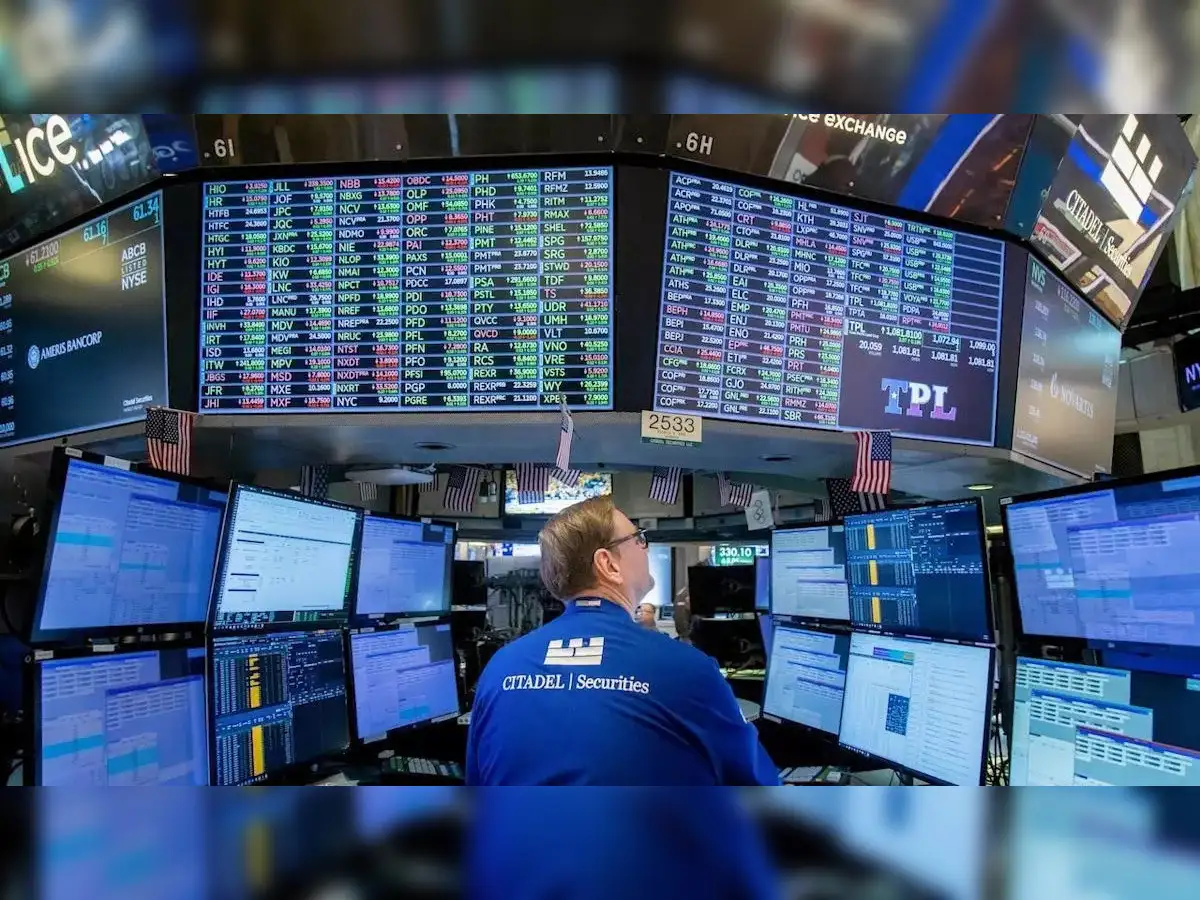
Crucially, the U.S. market does not operate in a vacuum. While New York sleeps, financial markets in Asia and Europe are wide awake, processing economic data, corporate news, and geopolitical developments. Their performance often serves as a precursor to the U.S. market’s opening. For instance, a significant rally in Asian markets or a steep decline in European indices can heavily influence pre-market futures for the DJIA and set the tone for the U.S. open. Similarly, major corporate announcements or political events that occur overnight can lead to substantial price gaps at the opening bell for specific DJIA components, affecting the index as a whole.
Economic Data Releases
Scheduled economic data releases are powerful market movers. Reports on inflation (Consumer Price Index, Producer Price Index), employment (Non-Farm Payrolls, jobless claims), manufacturing (ISM Manufacturing PMI), retail sales, and GDP are closely watched by economists, analysts, and investors. Many of these critical reports are released at 8:30 AM ET, a full hour before the market opens. This timing allows market participants to digest the information and place orders in the pre-market, leading to immediate and often volatile reactions at the 9:30 AM ET opening. Positive or negative surprises in these reports can dictate the market’s direction for the entire day.
Corporate Earnings and Announcements
For the 30 companies within the DJIA, quarterly earnings reports are pivotal events. These reports, which detail a company’s financial performance, are often released before the market opens or after it closes. An earnings beat or miss, coupled with management’s outlook, can send a company’s stock soaring or plummeting in pre-market or after-hours trading, and this momentum can carry into the regular session. Furthermore, other corporate announcements, such as mergers and acquisitions, significant product launches, or leadership changes, can also dramatically influence a stock’s opening price and, by extension, the DJIA.
Geopolitical Events and Sentiment
Beyond economics and corporate specifics, broader geopolitical events can significantly impact market openings. Political instability in key regions, international trade disputes, central bank policy announcements, or even major natural disasters can create uncertainty or opportunity, directly influencing investor sentiment. This sentiment, whether driven by fear or optimism, translates into buying or selling pressure, often most acutely observed during the market’s opening minutes as participants react to the latest global developments. The collective mood of investors, often termed “market sentiment,” plays a significant role in determining how the DJIA opens and performs.
Strategies for Navigating the Opening Bell
Given the volatility and importance of the opening hours, different types of investors employ distinct strategies to either capitalize on or mitigate the risks associated with the opening bell.
For Day Traders
Day traders, who aim to profit from short-term price movements and close all positions before the market closes, often find the opening hours to be the most fertile ground for their strategies. The high volatility and increased liquidity mean larger potential price swings. Strategies might include “opening range breakouts,” where traders look for stocks that move significantly beyond their initial range, or “gap trading,” where they buy or sell based on pre-market price gaps. However, the rapid pace and unpredictable nature demand strict risk management, quick decision-making, and a deep understanding of market mechanics. For day traders, the 9:30 AM ET to 10:30 AM ET window is often the most active and potentially profitable, but also the most challenging.
For Long-Term Investors
Long-term investors, whose horizon spans months, years, or even decades, typically pay less attention to the minute-by-minute fluctuations of the opening bell. Their focus is on the fundamental value of companies and their long-term growth prospects. For them, significant opening gaps in DJIA components might present buying opportunities if a fundamentally sound company experiences an unjustified short-term dip, or a chance to re-evaluate if the underlying thesis for an investment has changed due to major news. However, executing trades right at the open is generally not a core strategy for long-term investors, as the price volatility can lead to less favorable entry or exit points compared to placing orders later in the day.
Risk Management at the Open
Regardless of one’s investment style, robust risk management is paramount, especially during the volatile opening period. This includes setting clear stop-loss orders to limit potential losses, carefully managing position sizes to avoid overexposure, and having a predefined trading plan. For institutional investors, sophisticated algorithms and high-frequency trading systems are often employed to manage large orders and capitalize on fleeting opportunities at the open. For individual investors, avoiding impulsive decisions, thoroughly understanding the news driving the market, and being prepared for rapid price changes are critical to protecting capital during the market’s initial frenzy.
Key Considerations for International Investors and Holidays
The question of “what time does DJIA open” also extends to considerations for those outside the U.S. and the impact of non-standard trading days.
Time Zone Differences
For international investors, the 9:30 AM ET opening bell requires conversion to their local time zone. For example, an investor in London will see the U.S. market open at 2:30 PM GMT, while someone in Tokyo will be watching it open at 10:30 PM JST. This means that for many global participants, much of the U.S. market’s activity occurs during their late evening or overnight hours, requiring them to monitor news and execute trades outside of their normal business day. This time zone difference further emphasizes the global, continuous nature of financial markets and the importance of around-the-clock vigilance for those actively involved.
Market Holidays and Early Closures
The U.S. stock market observes several federal holidays throughout the year, during which the exchanges are closed. These include New Year’s Day, Martin Luther King, Jr. Day, Presidents’ Day, Good Friday, Memorial Day, Juneteenth National Independence Day, Independence Day, Labor Day, Thanksgiving Day, and Christmas Day. On certain days, such as the day after Thanksgiving (Black Friday) or Christmas Eve, the market may also have early closures, typically at 1:00 PM ET. These closures mean there is no regular trading session, and consequently, no “opening” for the DJIA on those days. Investors need to be aware of the market holiday schedule to plan their trading and investment activities accordingly and avoid surprises.

Impact of Non-U.S. Market Hours
While the DJIA’s official components trade during U.S. hours, the underlying economic forces and corporate news are global. The impact of non-U.S. market hours is seen primarily through the futures market. DJIA futures contracts, which allow investors to bet on the future value of the index, trade almost 24 hours a day, providing a continuous gauge of investor sentiment. These futures prices are heavily influenced by what happens in Asian and European markets, and their movements can provide a strong indication of how the DJIA is likely to open in New York. Thus, even when the U.S. market is closed, global events and trading in other time zones are constantly shaping the environment that will greet the DJIA at its next opening bell.
In conclusion, while the straightforward answer to “what time does DJIA open” is 9:30 AM ET, this single moment is just a segment of a much larger, globally interconnected, and continuously moving financial ecosystem. Understanding the dynamics of pre-market and after-hours trading, the various factors that influence opening performance, and the strategic implications for different types of investors is fundamental to successful participation in the modern financial markets. For anyone engaged with the world of finance, appreciating the intricacies of market timing is not just a matter of trivia, but a cornerstone of informed decision-making and effective risk management.
aViewFromTheCave is a participant in the Amazon Services LLC Associates Program, an affiliate advertising program designed to provide a means for sites to earn advertising fees by advertising and linking to Amazon.com. Amazon, the Amazon logo, AmazonSupply, and the AmazonSupply logo are trademarks of Amazon.com, Inc. or its affiliates. As an Amazon Associate we earn affiliate commissions from qualifying purchases.