
For millions of Americans, direct deposit is the cornerstone of their personal finance, a reliable method for receiving wages, benefits, and other regular payments directly into their bank accounts. The convenience and security it offers are undeniable, yet a common question persists: “What time does direct deposit hit Chase?” While seemingly straightforward, the answer is nuanced, influenced by a complex interplay of banking regulations, network processing schedules, and individual employer payroll practices. Understanding these dynamics is crucial for effective financial planning and managing expectations.
This article delves into the intricacies of direct deposit with Chase, providing a comprehensive guide for account holders. We will explore the underlying mechanisms, typical timelines, factors that can influence deposit arrival, and practical steps to monitor your funds and address any issues. By demystifying this essential financial process, we aim to empower you with the knowledge needed to confidently anticipate your funds and manage your money effectively.
Understanding the Direct Deposit Ecosystem
To truly grasp when your direct deposit lands in your Chase account, it’s essential to first understand the system that facilitates these transfers. Direct deposit isn’t an instantaneous, direct wire transfer; it operates through a structured, batch-processing network.
The Mechanics of Direct Deposit: The ACH Network
At the heart of virtually all direct deposits in the United States is the Automated Clearing House (ACH) network. This electronic funds transfer (EFT) system is managed by Nacha (National Automated Clearing House Association) and is responsible for processing a vast array of electronic payments, including direct deposits, bill payments, and person-to-person transfers.
When an employer initiates payroll, they don’t directly transfer money to individual employee accounts. Instead, they send a single file containing all payroll information to their bank, known as the Originating Depository Financial Institution (ODFI). This file is then transmitted through the ACH network, which acts as a central clearinghouse. The ACH network sorts these transactions and sends them to the respective Receiving Depository Financial Institutions (RDFIs), such as Chase, which then credit the individual’s account.
This batch processing means transactions are collected and processed in groups at specific times throughout the day, rather than individually in real-time. This efficiency allows the ACH network to handle billions of transactions annually at a lower cost than wire transfers, but it also introduces specific timelines and settlement schedules.
Key Players in the Direct Deposit Process
Several entities play critical roles in ensuring your direct deposit arrives:
- The Employer/Payer: This is where the process begins. The employer initiates the payroll file, ensuring accurate account and routing numbers for each employee. Their internal payroll processing schedule and cut-off times are foundational to the entire timeline.
- Originating Depository Financial Institution (ODFI): This is the employer’s bank. They receive the payroll file from the employer and submit it to the ACH network for processing.
- The ACH Network (Nacha): As mentioned, this is the central hub. It receives files from ODFIs, routes them to the correct RDFIs, and facilitates the settlement of funds between banks.
- Receiving Depository Financial Institution (RDFI – Chase): This is your bank. Chase receives the incoming ACH file from the network, verifies the account information, and then posts the funds to your individual account.
- The Account Holder (You): Your role is to ensure your employer has your correct banking information and to monitor your account.
The ACH Network’s Role and Schedule
The ACH network operates on a schedule, processing batches of transactions throughout the business day. For direct deposits, Nacha rules generally dictate that funds should be made available to the receiver by 9:00 AM local time on the settlement date, provided the RDFI has received the payment by then. However, this is the settlement date, which is the day the funds officially move from the ODFI to the RDFI. The posting time (when it shows up in your account) can vary based on your bank’s internal processing.
Crucially, the ACH network primarily operates on business days. This means weekends and federal holidays are not considered processing days, significantly impacting when funds are initiated and settled.
Typical Direct Deposit Timelines with Chase
Given the ACH network’s structure and Chase’s own processing policies, understanding typical timelines is key to managing expectations.
Standard Processing Window
For most Chase customers, direct deposits are generally posted by early morning on the scheduled payday. While there’s no single “exact time” like 8:00 AM or 9:00 AM that applies universally, it’s common for funds to be available sometime between 12:00 AM (midnight) and 6:00 AM EST on the official pay date.
This window allows Chase to process the incoming ACH files received overnight and make the funds available before the start of the traditional banking business day. If your payday is, for example, a Friday, you can typically expect to see your funds show up in your Chase account sometime in the early hours of Friday morning.
Weekend and Holiday Impact
The biggest disruptors to the standard timeline are weekends and bank holidays. Since the ACH network only processes on business days, if your scheduled payday falls on a Saturday, Sunday, or a federal holiday, your direct deposit will likely be processed and posted on the next business day.
For example:
- If payday is Saturday, funds usually arrive Friday.
- If payday is Sunday, funds usually arrive Friday.
- If payday is Monday but it’s a federal holiday (e.g., Labor Day), funds would likely arrive on Tuesday.
Employers typically account for these non-business days and submit payroll files earlier to ensure employees receive their funds on the preceding business day. However, this isn’t always guaranteed and depends on the employer’s payroll schedule.
The Myth of a “Specific Time”
It’s important to dispel the notion that there’s a single, precise hour when all Chase direct deposits hit. While the 12:00 AM to 6:00 AM window is a good guideline, the exact moment can vary. Factors like the volume of transactions Chase is processing, the specific batch in which your payment was included by the ACH network, and even your specific account type can subtly influence when the funds are fully reflected in your balance. Focusing on the “day” rather than the “hour” is a more realistic approach.
Industry Trends: The Rise of Early Direct Deposit
While Chase aims to make funds available on the scheduled payday, some financial institutions, particularly fintech companies and challenger banks, have introduced “early direct deposit” features. These services often make funds available a day or two before the official payday. This is typically achieved by making the funds available to the customer as soon as the bank receives notification that an incoming ACH deposit is pending, rather than waiting for the official settlement date.

Traditional banks like Chase generally do not offer early direct deposit to the same extent as these fintech competitors. Their standard practice is to make funds available on the designated payday, adhering strictly to the ACH settlement schedule. While Chase strives for efficiency, their robust infrastructure and existing regulatory frameworks lead to a more conventional approach. Therefore, when banking with Chase, it’s best to expect your funds to arrive on your official payday, not before.
Factors Influencing Your Direct Deposit Arrival Time
While the ACH network and Chase’s policies set general expectations, several variables can influence the precise timing of your direct deposit.
Employer Payroll Processing
The most significant factor influencing your direct deposit’s arrival is your employer’s payroll processing schedule.
- Submission Time: When your employer sends the payroll file to their bank (the ODFI) is crucial. If they submit it late, even by a few hours, it can delay the entire process by a day.
- Cut-off Times: Employers often have internal cut-off times for payroll submission. Missing these deadlines means payments might be processed in the next available batch or even delayed until the next pay cycle.
- Payroll Provider: Many companies use third-party payroll providers (e.g., ADP, Paychex). The processing times and schedules of these providers can also play a role.
Bank’s Processing Policies
Chase, as the RDFI, has its own internal procedures for handling incoming ACH transactions.
- Internal Posting Schedules: While Chase receives ACH files throughout the day and overnight, they have specific schedules for when these funds are officially posted and made available to customer accounts. This is often an automated batch process run in the early morning.
- “Available” vs. “Posted” Funds: Sometimes you might see a “pending” deposit in your transaction history before it’s fully “posted” and available in your balance. This indicates that Chase has received the notification of the incoming funds but hasn’t yet made them accessible for use. For direct deposits, funds are generally made available quickly once posted.
ACH Network Delays
While rare, issues within the ACH network can cause delays. This could include technical glitches, unusually high transaction volumes, or errors in routing. These are typically resolved quickly but can occasionally push back deposit times.
Bank Holidays and Weekends
As previously discussed, federal holidays and weekends mean the ACH network is not operational. If any part of the direct deposit cycle—from employer submission to bank processing—falls on a non-business day, the entire process shifts to the next available business day. It’s essential to consult a calendar of federal holidays and plan accordingly.
How to Check Your Direct Deposit Status with Chase
Monitoring your direct deposit is straightforward with Chase’s robust digital tools.
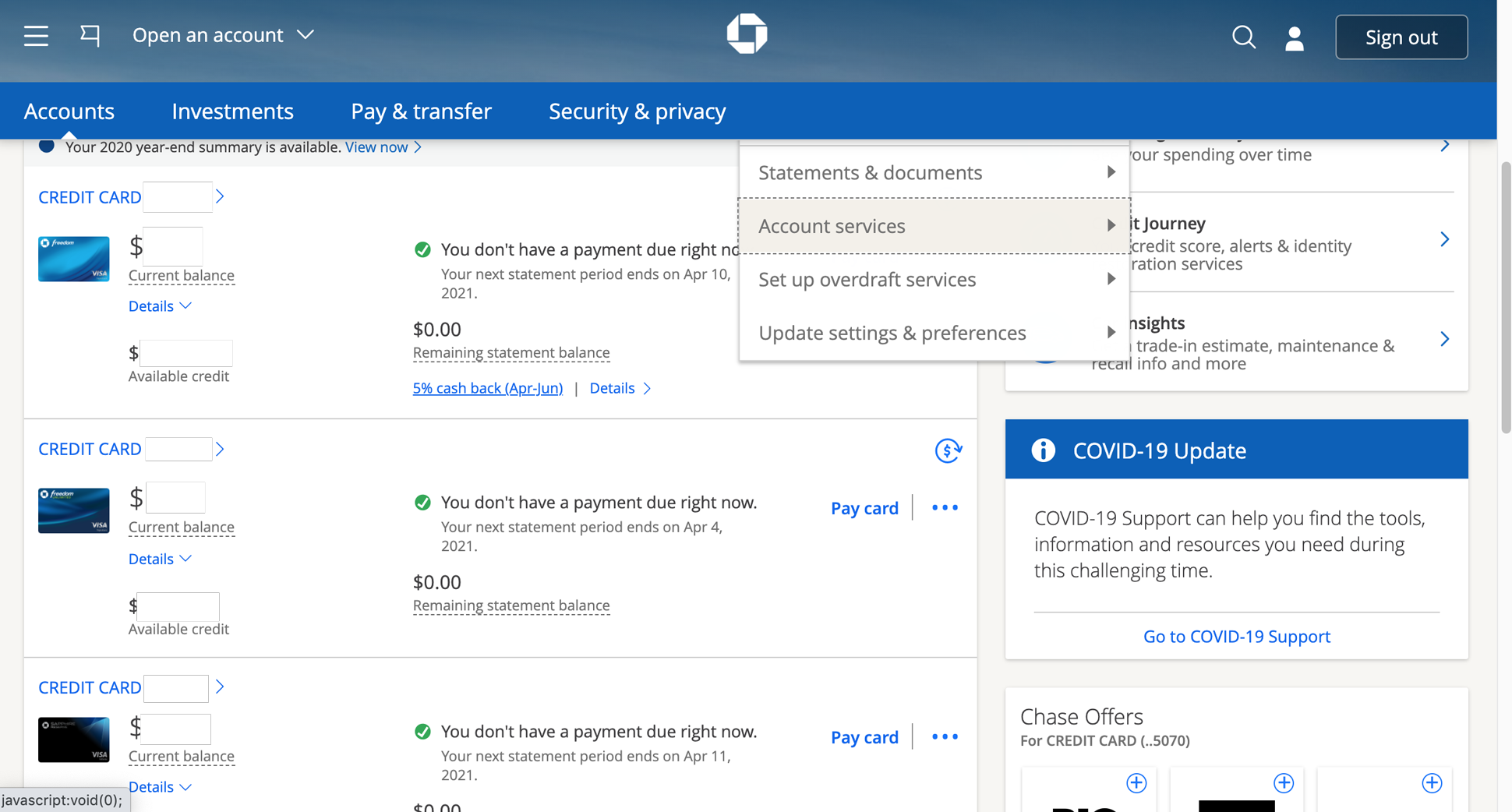
Utilizing Chase Online Banking and Mobile App
The quickest and most convenient way to check your direct deposit status is through Chase’s online banking portal or the Chase Mobile App.
- Transaction History: Log in and navigate to your account’s transaction history. Pending or posted direct deposits will appear there. A “pending” status means the bank has been notified of the incoming funds, while “posted” means the funds are officially in your account and available.
- Account Balance: Your current available balance will update as soon as the direct deposit posts.
Setting Up Account Alerts
Chase allows you to set up customizable alerts that can notify you when a direct deposit hits your account.
- Deposit Alerts: You can typically configure an alert to send you an email or text message when a deposit of a certain amount (or any direct deposit) is credited to your account. This is an excellent way to get real-time notification without constantly checking your balance.
Contacting Chase Customer Service
If your direct deposit is significantly delayed beyond the expected timeframe, and you’ve confirmed with your employer that it was sent, you can contact Chase customer service.
- When to Call: It’s generally advisable to wait until at least the end of the scheduled payday before contacting Chase. They will need specific information, such as the exact amount and the expected deposit date, to investigate.
- Information to Provide: Have your account number, the expected deposit amount, the employer’s name, and the expected deposit date ready when you call.
Troubleshooting Direct Deposit Issues
While direct deposits are highly reliable, occasional issues can arise. Knowing how to troubleshoot these problems can save you time and stress.
Verifying Payroll Information
The most common reason for a delayed or missing direct deposit is incorrect information.
- Account and Routing Numbers: Double-check with your employer or payroll department that they have the correct Chase account number and routing number on file. A single digit error can cause funds to be returned or sent to the wrong account.
- Account Type: Ensure they know if it’s a checking or savings account.
Communicating with Your Employer
Your employer’s payroll department should always be your first point of contact if a direct deposit is missing or significantly delayed.
- Confirmation of Submission: Ask them to confirm that the direct deposit was indeed sent and on what date. They can provide you with a trace number for the ACH transaction, which is critical if Chase needs to investigate.
- Scheduled Pay Date: Reconfirm your official payday to ensure there hasn’t been a misunderstanding regarding the date.

Understanding “Pending” vs. “Posted” Deposits
It’s important to distinguish between a “pending” and a “posted” deposit.
- Pending Deposit: This means Chase has received an electronic notification from the ACH network that funds are on their way. While this is a good sign, the funds are not yet fully available in your account for withdrawal or spending.
- Posted Deposit: Once a deposit is “posted,” the funds are fully credited to your account and are available for use.
If you see a “pending” deposit, it typically means the funds will be posted very soon, often within hours. If you don’t see even a “pending” deposit by the end of your scheduled payday, then it’s time to investigate further, starting with your employer.
In conclusion, while the exact hour your direct deposit hits Chase can vary, understanding the underlying ACH network, Chase’s processing schedules, and your employer’s payroll practices will give you a clear expectation. By leveraging Chase’s digital tools and knowing when and how to troubleshoot, you can ensure a smooth and predictable experience with your direct deposits.
aViewFromTheCave is a participant in the Amazon Services LLC Associates Program, an affiliate advertising program designed to provide a means for sites to earn advertising fees by advertising and linking to Amazon.com. Amazon, the Amazon logo, AmazonSupply, and the AmazonSupply logo are trademarks of Amazon.com, Inc. or its affiliates. As an Amazon Associate we earn affiliate commissions from qualifying purchases.