
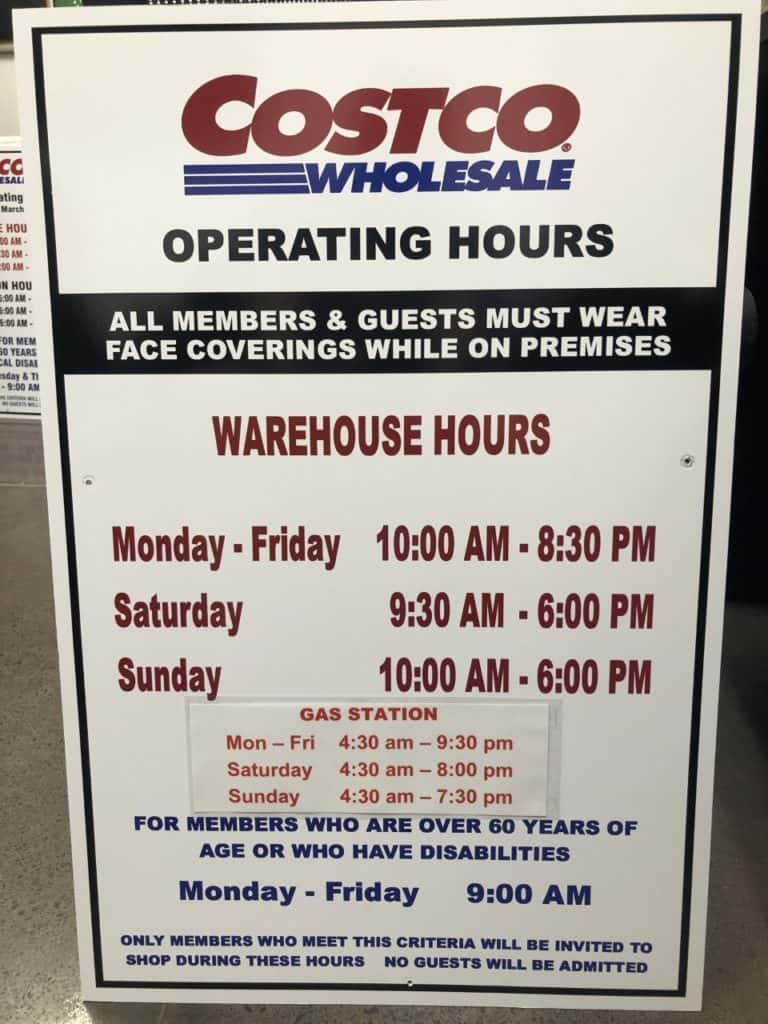
The simple query, “What time does Costco close,” often posed by a consumer planning their shopping trip, belies a complex web of brand strategy, operational efficiency, and customer experience considerations that define a retail giant. For a brand like Costco, synonymous with bulk value, member loyalty, and a unique shopping environment, its operational hours are far more than just arbitrary timings; they are a deliberate component of its corporate identity and market positioning. These hours reflect strategic decisions designed to reinforce the brand’s promise, optimize resource allocation, and cultivate a distinct relationship with its members.
The Unseen Influence of Operational Hours on Brand Identity
A brand’s operational hours are an unspoken declaration of its priorities, values, and understanding of its customer base. For Costco, its closing times, alongside its opening schedule, are deeply integrated into its brand identity, projecting an image of efficiency, exclusivity, and focused service.
Consistency as a Cornerstone of Trust
One of the most powerful elements of brand building is consistency. When members know what to expect from Costco – from its product selection and pricing model to its store layout and operational hours – a sense of trust and reliability is forged. Consistent closing times across most locations, allowing for minor local adaptations, establish a predictable routine for members. This predictability reduces friction in the shopping experience, eliminating the need for constant verification and fostering a subconscious assurance that the brand operates with a well-defined and stable structure. This consistency is not just about convenience; it’s about building a predictable and dependable brand narrative that underpins loyalty and encourages repeat visits. The brand subtly communicates, “We are here for you, predictably, within these established parameters, because we value efficiency and your time.”
Differentiating Through Accessibility
Costco’s operational hours often deviate from those of traditional supermarkets or big-box retailers. These distinct timings contribute to its unique market positioning. By not attempting to be open for every possible hour, Costco signals an exclusivity that aligns with its membership model. It suggests that while accessible to members, its operations are finely tuned to specific peak shopping windows and demographic needs, rather than chasing every potential minute of revenue. This differentiation helps reinforce the brand’s premium, members-only perception, distinguishing it from competitors that might offer broader, but perhaps less focused, accessibility. The closing time itself becomes a subtle marker of the Costco experience – a planned outing rather than an impromptu dash.
Marketing the Membership: Hours as a Value Proposition
Beyond mere convenience, Costco strategically leverages its operational hours as an intrinsic part of its value proposition, subtly marketing the benefits of its membership model and the unique shopping experience it offers.
Reinforcing the Bulk-Buying Lifestyle
Costco’s model is built around bulk purchasing and the “treasure hunt” experience. These types of shopping trips are typically planned events, often requiring more time than a quick grocery run. The brand’s operational hours, including its closing times, are structured to accommodate these longer, more deliberate shopping excursions. By not necessarily being the “last store open,” Costco encourages members to plan their visits, aligning with the nature of a bulk-buying mission. This approach subtly reinforces the idea that a Costco trip is an investment of time, rewarded by significant savings and unique product finds, thereby enhancing the perceived value of the membership. It’s a branding choice that emphasizes quality, planning, and value over spontaneous convenience at all hours.
Peak Performance: Capitalizing on Member Habits
Understanding when members prefer to shop is critical for any retailer, and for Costco, this data informs its staffing, inventory, and, crucially, its operational hours. The closing time is optimized to capture the tail end of peak shopping hours while allowing ample time for store recovery and preparation for the next day. This precision ensures that the brand delivers a high-quality, efficient experience during its busiest periods. By focusing resources during these high-traffic windows, Costco can maintain its standards of customer service, product availability, and store cleanliness, all of which are vital components of its brand image. The strategic alignment of closing times with member habits helps maximize sales per operating hour, contributing to the overall financial health that underpins the brand’s ability to offer competitive pricing.
Customer Experience and Loyalty: Beyond the Transaction
A brand’s commitment to customer experience extends right up to and sometimes beyond its closing time. For Costco, how it manages the end of the shopping day significantly impacts member satisfaction and long-term loyalty.
The Rushed Shopper vs. The Leisurely Browse
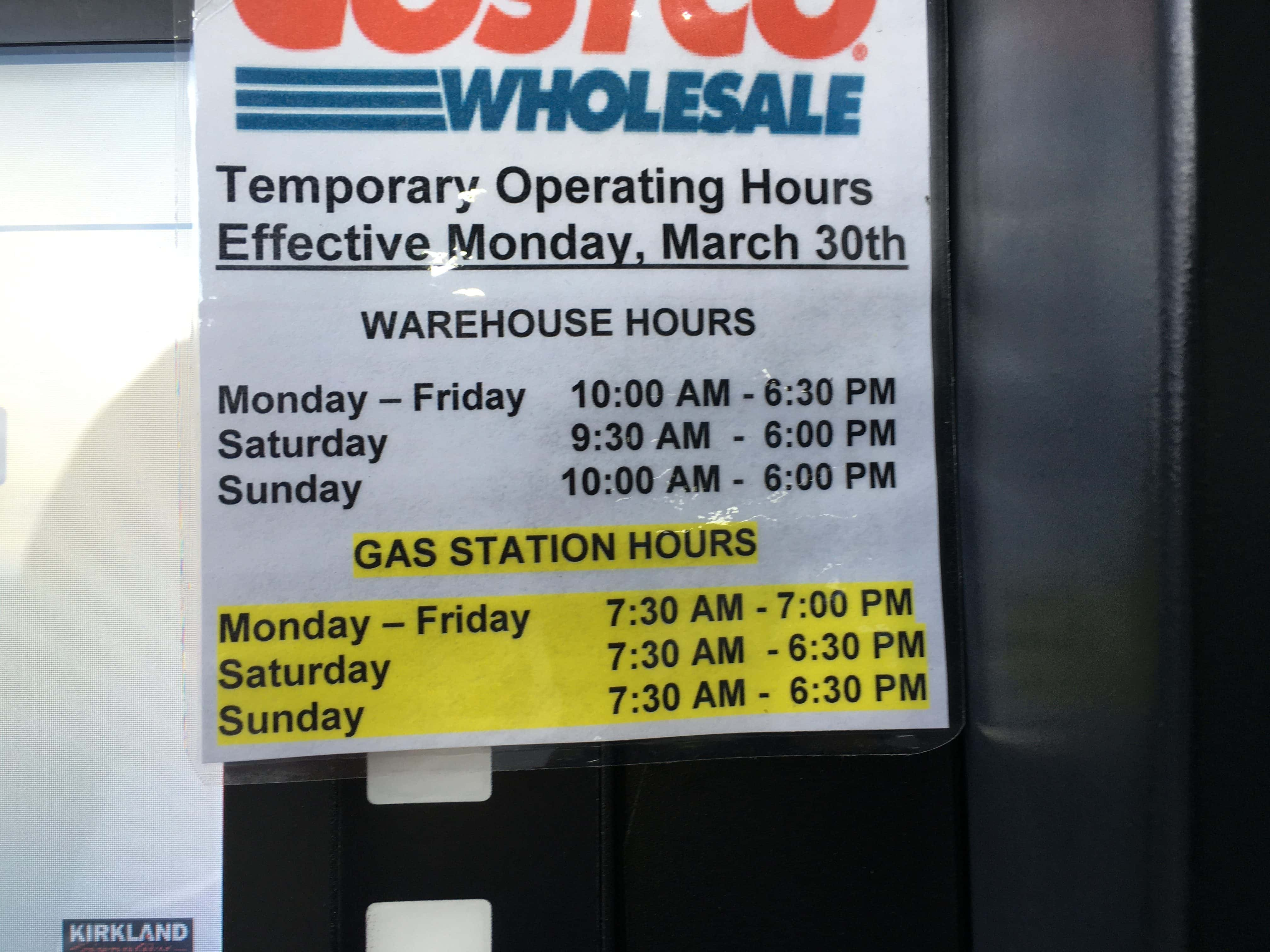
The closing time inevitably creates a psychological deadline for shoppers. For some, it might mean a hurried dash to grab last-minute items. For others, particularly those who prefer a less crowded store, arriving closer to closing time offers a different, often more relaxed, shopping experience. A brand like Costco must balance these diverse member needs. By maintaining consistent closing procedures and ensuring that staff are available and helpful until the very last minute, the brand reinforces its commitment to service. The goal is to avoid creating an environment where members feel rushed or unwelcome as closing approaches, thus protecting the positive brand sentiment built during their visit. The polite announcement, the efficient checkout process, and the clean departure are all part of the final impression left on a member, shaping their perception of the brand’s overall professionalism.
Post-Closing Service: Extending the Brand Experience
Even after the doors are locked, a brand’s commitment to its customers can persist. For Costco, this might involve online support, clear communication about future hours, or efficient handling of returns or special orders the following day. The ‘closing time’ of the physical store doesn’t necessarily mean the end of the brand interaction. How effectively a brand manages these transitions and offers continuous support contributes to its reputation for comprehensive customer care. This seamless integration of physical and digital touchpoints ensures that the brand’s helpful, member-focused image is maintained, irrespective of store hours, fostering deeper loyalty.
Navigating Local Nuances While Upholding Global Standards
While consistency is a hallmark of Costco’s brand, a truly insightful brand strategy acknowledges the need for flexibility within a defined framework. Operational hours, including closing times, are a prime example where local adaptation can coexist with global brand standards.
Strategic Adjustments for Diverse Markets
Costco operates across diverse geographic regions, each with its own unique cultural norms, local ordinances, and consumer behaviors. A blanket, rigid closing time across all international locations, for instance, might not be optimal or even permissible. For example, a store in a region where late-night shopping is common might strategically extend its hours compared to one in a more suburban, early-closing community. These thoughtful, market-specific adjustments demonstrate a brand’s intelligence and responsiveness, showing that it understands its varied clientele without compromising its core identity. The flexibility to adjust closing times based on local holiday schedules, public transportation availability, or specific community events enhances the brand’s relevance and local appeal, cementing its position as a thoughtful community partner rather than a monolithic corporation.
Seasonal Shifts and Special Events
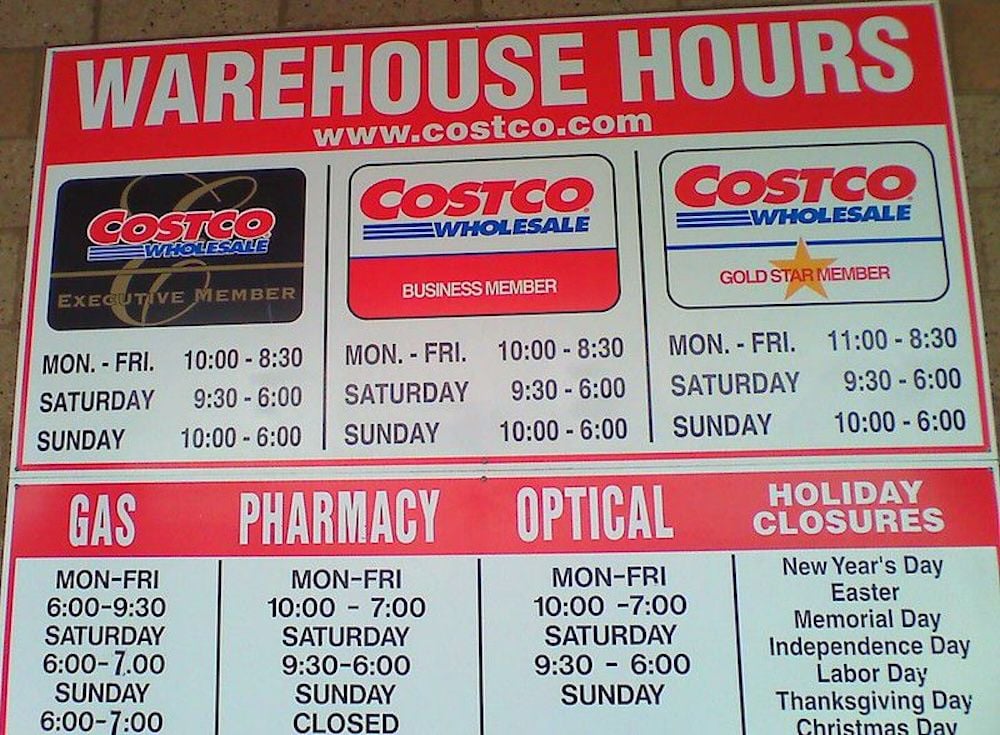
Beyond permanent regional differences, seasonal variations and special events also warrant consideration regarding operational hours. During peak holiday shopping seasons, such as the weeks leading up to Christmas, many retailers, including Costco, might extend their closing times to accommodate increased demand. Conversely, on certain public holidays, stores might close earlier or remain closed entirely. These temporary adjustments are crucial elements of the brand’s marketing and customer service strategy. They reflect an understanding of consumer urgency and an effort to maximize convenience during critical periods, thereby enhancing the overall customer experience and reinforcing the brand’s commitment to meeting member needs during important times. Such proactive communication about these changes is also a vital brand touchpoint, demonstrating transparency and respect for members’ planning efforts.
Operational Excellence: The Brand’s Backbone
The decision of “what time does Costco close” is not merely a customer-facing one; it is profoundly influenced by internal operational considerations that are integral to maintaining the brand’s promise of value and efficiency.
Efficiency, Staffing, and the Closing Routine
The specified closing time dictates a significant internal operational routine. It informs staffing schedules, ensuring adequate personnel are available not only for customer service during peak hours but also for the critical tasks of closing down the store. This includes managing checkouts, cleaning, restocking, securing inventory, and preparing for the next day’s opening. Efficient closing procedures directly impact labor costs and operational overhead, which are fundamental to Costco’s ability to offer competitive prices – a cornerstone of its brand. A well-managed closing process ensures that the store is ready for business the moment it opens the next day, reflecting the brand’s commitment to seamless operations and sustained efficiency. This behind-the-scenes precision directly contributes to the quality of the in-store experience that members perceive.
Protecting the Brand’s Promise of Freshness and Availability
For a warehouse club dealing with vast quantities of perishable goods, the closing time is critical for inventory management. It allows for precise handling of fresh produce, meat, and dairy, minimizing waste and ensuring that products meet Costco’s stringent quality standards. This rigorous approach to inventory, facilitated by carefully managed operational hours, directly supports the brand’s promise of high-quality, fresh products at competitive prices. The efficiency of post-closing logistics, from product rotation to temperature control, is paramount to maintaining this brand promise, ensuring that members consistently receive the value they expect and strengthening their trust in the Costco brand.
In conclusion, “what time does Costco close” is a query that, when examined through a brand lens, reveals the intricate interplay between customer convenience, strategic differentiation, operational efficiency, and the overarching goal of fostering deep member loyalty. Costco’s deliberate choices around its operational hours are a silent yet powerful testament to its unique brand identity, carefully sculpted to deliver on its promise of value, quality, and an exceptional shopping experience.
aViewFromTheCave is a participant in the Amazon Services LLC Associates Program, an affiliate advertising program designed to provide a means for sites to earn advertising fees by advertising and linking to Amazon.com. Amazon, the Amazon logo, AmazonSupply, and the AmazonSupply logo are trademarks of Amazon.com, Inc. or its affiliates. As an Amazon Associate we earn affiliate commissions from qualifying purchases.