
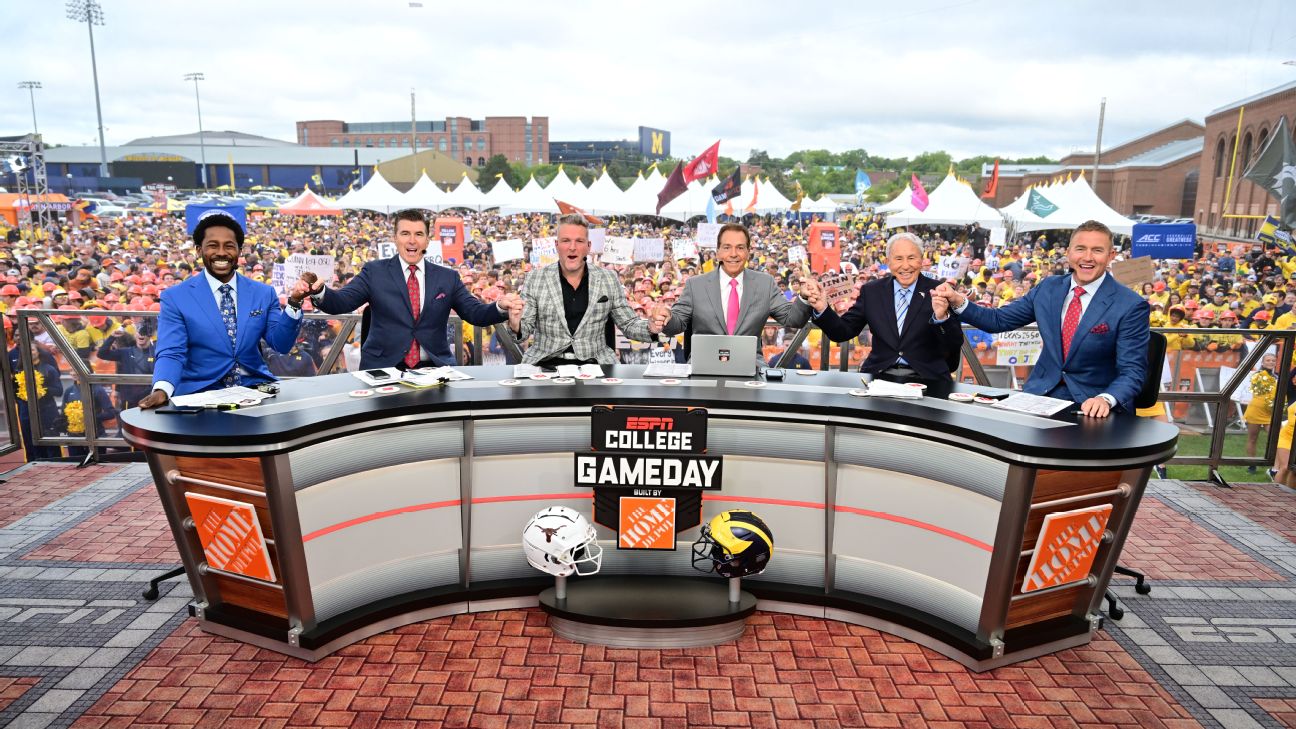
For millions of fans across the United States, the start of the weekend is not defined by the rising sun, but by the iconic theme music of ESPN’s “College GameDay.” However, in the contemporary media landscape, the question “what time does College GameDay come on?” is no longer a simple matter of checking a local TV guide. The transition from linear broadcasting to a complex, multi-platform digital ecosystem has transformed how fans consume live sports content. To understand the schedule of this premier pre-game show is to understand the sophisticated technology that powers modern live streaming, the architectural challenges of Content Delivery Networks (CDNs), and the evolving hardware that brings the stadium atmosphere into the living room.
The Evolution of Live Sports Architecture: From Terrestrial to Digital
The standard broadcast window for College GameDay typically begins at 9:00 AM ET (6:00 AM PT). While the clock remains consistent, the underlying technology used to deliver that signal has undergone a radical transformation. In the legacy era of broadcasting, “tuning in” meant receiving a localized signal via satellite or cable. Today, the “time” the show starts is a synchronized global event managed by cloud-based distribution systems.
The Shift to Over-the-Top (OTT) Platforms
Most viewers now access the three-hour spectacle through Over-the-Top (OTT) services rather than traditional cable. This shift relies on a technology stack that must handle massive surges in concurrent traffic. When the clock hits 9:00 AM ET, millions of devices ping servers simultaneously. To manage this, broadcasters utilize dynamic scaling within cloud environments like AWS (Amazon Web Services). This ensures that whether a viewer is on a smartphone or a 4K Smart TV, the video stream remains stable. The “time” of the show is therefore a benchmark for server readiness, requiring load balancers to distribute traffic across various geographic nodes to prevent system crashes during the peak introductory minutes.
Latency Challenges in Live Sports Streaming
One of the most significant technical hurdles in modern broadcasting is latency—the delay between the live action and the image appearing on the screen. For a show like College GameDay, which thrives on social media interaction and “second-screen” engagement, latency can ruin the experience. If a fan’s digital stream is 30 seconds behind the “real-time” broadcast, they may see spoilers on social media before the segment airs on their device.
To combat this, tech teams utilize Low-Latency HLS (HTTP Live Streaming) and DASH (Dynamic Adaptive Streaming over HTTP). These protocols break the video file into smaller “chunks,” allowing the player to begin rendering the video before the entire segment has even finished downloading. This technical wizardry is why the “start time” is now more uniform across different devices than it was just five years ago.
Accessing the Gridiron: The Apps and Ecosystems of College GameDay
Determining what time the show begins is only half the battle; the other half is selecting the correct digital gateway. The ESPN app and various Virtual Multichannel Video Programming Distributors (vMVPDs) have become the primary vehicles for college football consumption.
ESPN+ and the Disney Tech Stack
As a flagship property of Disney, College GameDay is integrated into a massive proprietary tech stack. The ESPN app serves as a centralized hub, but its performance depends on the user’s authentication via a “TV Everywhere” protocol. This API-driven process verifies a user’s subscription in milliseconds, allowing them to access the live stream exactly at 9:00 AM ET. The app’s backend is designed to handle high-bitrate video, often offering multiple viewing angles or supplemental data overlays that traditional television cannot provide. For the tech-savvy fan, “what time it starts” is often synonymous with when the app’s “Live” notification triggers on their Apple Watch or smartphone.
Virtual MVPDs: YouTube TV, Fubo, and Hulu Live
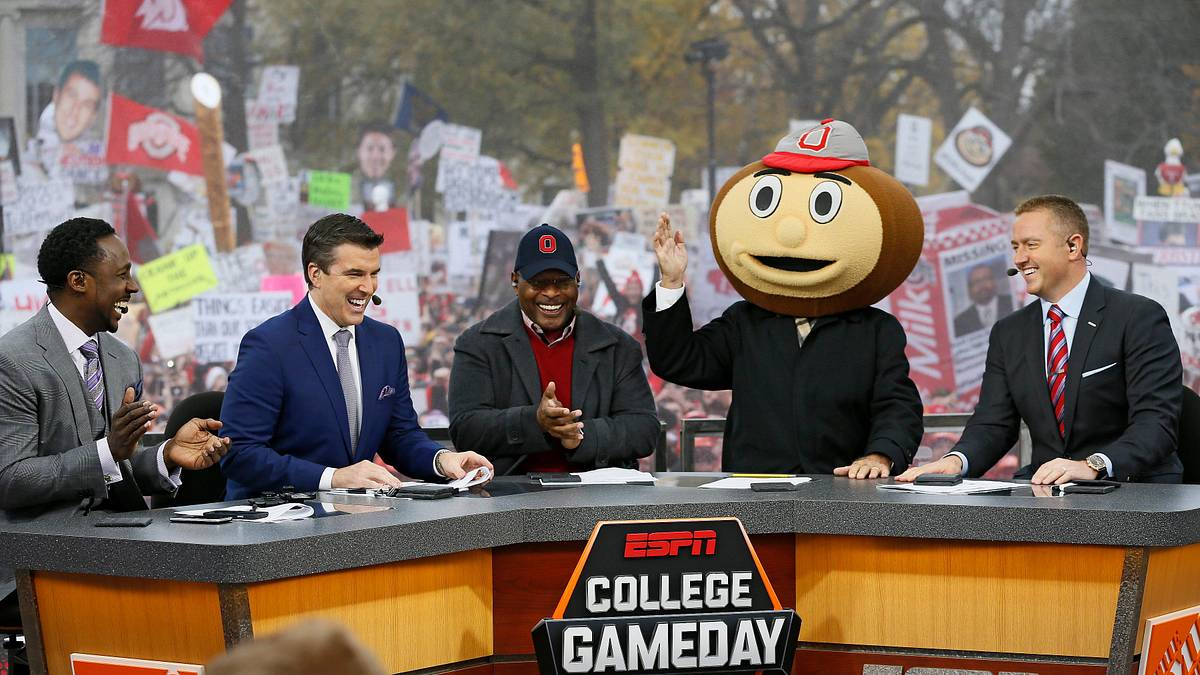
For cord-cutters, services like YouTube TV, Fubo, and Hulu + Live TV are the standard for accessing ESPN. These platforms operate as aggregators, but they add their own layer of technological sophistication. YouTube TV, for instance, uses specialized transcoding algorithms to ensure that the 720p or 1080p signal from ESPN is optimized for the viewer’s specific bandwidth. This is crucial for Saturday mornings when household bandwidth might be shared among multiple users. These platforms also offer “Cloud DVR” functionality, which uses distributed storage to allow fans to “start from the beginning” even if they tune in an hour after the official start time, effectively making the “start time” customizable for the user.
Hardware Optimization: Ensuring 4K and HDR Fidelity
The technical experience of College GameDay is heavily dictated by the hardware used to receive the signal. As broadcasting moves toward 4K resolution and High Dynamic Range (HDR), the hardware requirements for the viewer become more stringent.
Smart TV Integration and Bandwidth Requirements
To view the vibrant colors of a college campus and the intricate details of the crowd’s signs, a high-speed internet connection is paramount. For a stable 1080p stream, a minimum of 5-10 Mbps is required, but for those lucky enough to access 4K broadcasts of select segments, that requirement jumps to 25 Mbps or higher. Modern Smart TVs use advanced System-on-a-Chip (SoC) architectures to decode video streams in real-time. If the TV’s processor is outdated, the viewer may experience “buffering,” even if their internet speed is sufficient. This makes the choice of hardware—whether it’s a high-end OLED TV or a dedicated streaming stick like a Roku Ultra or Apple TV 4K—essential to the viewing experience.
Mobile Synchronization and Second-Screen Experiences
The “time” College GameDay comes on is often the start of a multi-device ritual. Tech-integrated fans frequently use a “second screen”—a tablet or smartphone—to track live betting odds, player stats, or social media feeds. This requires precise synchronization between devices. Developers use “acoustic watermarking” or time-stamped metadata within the broadcast signal to allow apps to “listen” to the TV and sync relevant data in real-time. This creates a cohesive ecosystem where the digital world and the live broadcast are perfectly aligned, providing a 360-degree view of the morning’s festivities.
The Future of the Saturday Morning Experience: AI and Interactive Tech
As we look toward the future, the question of “what time the show starts” will become even more nuanced as Artificial Intelligence (AI) and edge computing begin to play larger roles in the production and delivery of live sports content.
Real-Time Data Overlays and AI-Driven Analytics
ESPN has already begun experimenting with AI to enhance its broadcasts. In the future, the 9:00 AM ET start time could trigger a personalized AI host for digital viewers, offering customized highlights of their favorite team or specific betting insights based on their user profile. Using machine learning, the broadcast can analyze game footage in real-time to provide “Probability of Win” metrics or “Next Gen Stats” that are overlaid directly onto the video stream. This level of interactivity requires immense processing power, much of which is handled at the “edge” of the network—closer to the user—to minimize lag.

Cloud-Based Production Infrastructure
Behind the scenes, the “time” the show goes live is the culmination of a massive logistical feat powered by “Remote Integration” (REMI) technology. Instead of sending dozens of massive production trucks to every campus, ESPN can now send high-definition camera feeds back to a central hub in Bristol, Connecticut, via fiber-optic networks. This allows producers to switch shots, add graphics, and manage audio with millisecond precision from thousands of miles away. This shift to cloud-based production not only reduces the carbon footprint of the show but also allows for a more polished and technologically advanced product that can be distributed to more platforms simultaneously.
In conclusion, “what time does College GameDay come on?” is a question that opens the door to the vast and impressive world of modern media technology. From the initial 9:00 AM ET signal to the final 12:00 PM ET kickoff, the show is a testament to the power of digital infrastructure. Whether it is the low-latency protocols that keep the stream in sync, the cloud-based platforms that host the content, or the AI that will define its future, the technology behind the tradition is what truly brings the game to life for the digital age. For the modern fan, being “ready for gameday” means having the right bandwidth, the right hardware, and a deep appreciation for the silicon and code that make the Saturday morning ritual possible.
aViewFromTheCave is a participant in the Amazon Services LLC Associates Program, an affiliate advertising program designed to provide a means for sites to earn advertising fees by advertising and linking to Amazon.com. Amazon, the Amazon logo, AmazonSupply, and the AmazonSupply logo are trademarks of Amazon.com, Inc. or its affiliates. As an Amazon Associate we earn affiliate commissions from qualifying purchases.