
The question “What time do checks deposit?” is far more nuanced than it initially appears. In an age of instant digital transactions, many assume that depositing a check equates to immediate access to funds. However, the reality involves a complex interplay of banking regulations, individual bank policies, the type of check, and even the method of deposit. For individuals and businesses alike, misunderstanding these timelines can lead to bounced payments, unexpected fees, and significant financial frustration. This article delves into the mechanics of check deposits, the regulatory framework governing fund availability, the various factors influencing when your money becomes accessible, and practical strategies to manage your finances more effectively.
The Mechanics of Check Deposits: A Time-Sensitive Process
Depositing a check initiates a multi-step process designed to ensure the funds are legitimate and collectible from the paying bank. While technology has significantly streamlined this process, it still requires time for verification and settlement.
Traditional vs. Electronic Deposits
Historically, depositing a check involved a physical paper document. A check deposited at a branch or ATM would be physically transported (or its image transmitted) to a clearinghouse. The clearinghouse, often facilitated by the Federal Reserve, then routes the check information to the paying bank (the bank on which the check is drawn). This bank verifies the check, ensures sufficient funds, and ultimately debits the payer’s account and credits the receiving bank.
With the advent of digital banking, mobile check deposit has become incredibly popular. When you deposit a check using your smartphone, you’re essentially creating a digital image of the paper check. This image, along with the relevant data, is transmitted electronically to your bank. While this eliminates the physical transport of the check, the underlying verification and clearing process remains largely the same, albeit often accelerated. The digital image still needs to be processed, validated, and sent through the system to the paying bank for clearance. This blend of traditional and electronic methods highlights the ongoing evolution in banking, but the fundamental need for verification persists across both approaches.
Bank Cut-off Times
One of the most critical, yet often overlooked, factors influencing when funds become available is your bank’s cut-off time. Every financial institution establishes specific times, typically late in the afternoon on business days, after which any deposits made are considered to have occurred on the next business day. For example, if your bank’s cut-off time is 5:00 PM on a Monday, a check deposited at 5:01 PM on that Monday will be treated as if it were deposited on Tuesday morning.
These cut-off times can vary not only from bank to bank but also by the method of deposit. A teller-assisted deposit at a branch might have a later cut-off than a mobile deposit or an ATM deposit. Understanding these specific times for your chosen deposit method is paramount for managing your expectations regarding fund availability. Missing a cut-off time, even by a minute, can push back your access to funds by an entire business day, potentially impacting urgent payment schedules.
Deposit Slips and Endorsements
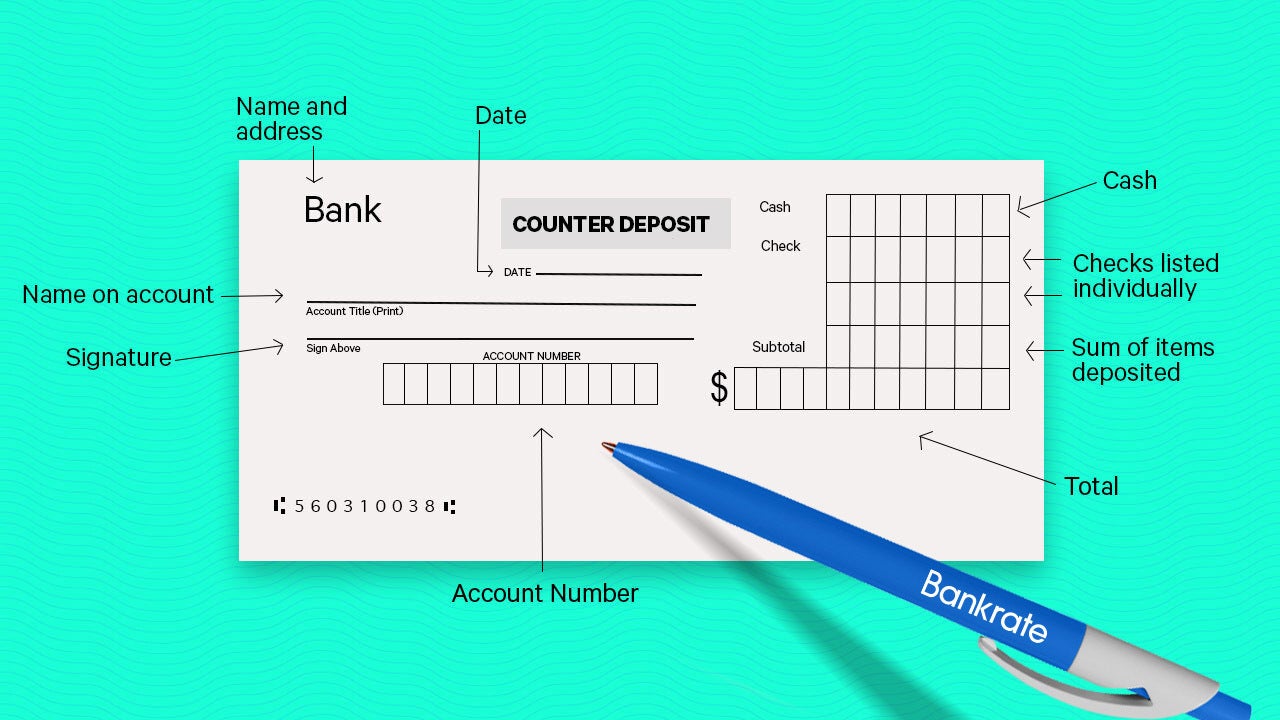
While seemingly minor details, proper execution of deposit slips and check endorsements can prevent unnecessary delays. When depositing a physical check, accurately filling out a deposit slip ensures the funds are credited to the correct account and helps your bank process the transaction efficiently. For any check deposit, whether physical or digital, endorsing the back of the check is a non-negotiable step. A simple signature, or “For Deposit Only [Account Number],” confirms your authorization for the funds to be deposited into your account. Checks lacking proper endorsement can be rejected by the bank, causing significant delays while you rectify the issue. Attention to these small procedural details ensures a smoother and faster deposit process.
Funds Availability: The Regulatory Framework (Regulation CC)
To protect consumers and ensure some level of consistency across the banking industry, federal regulations dictate the maximum time banks can hold deposited funds. The primary regulation governing this is Regulation CC.
Understanding Regulation CC
Regulation CC, formally known as the Expedited Funds Availability Act, establishes specific rules for how quickly banks must make deposited funds available to their customers. It doesn’t mean all funds are instantly available, but it sets a minimum standard for availability. The goal of Reg CC is to provide consumers with timely access to their money while still allowing banks sufficient time to process and verify checks, thereby reducing the risk of fraud or non-sufficient funds (NSF) returns. It defines “business day” (generally Monday through Friday, excluding federal holidays) and specifies the maximum hold periods based on various factors. It’s important to remember that Reg CC outlines the longest a bank can hold funds; many banks, based on their policies and customer relationships, often release funds faster.
Next-Day Availability
Under Regulation CC, certain types of deposits are generally eligible for next-day availability. This means the funds must be made available on the first business day after the banking day on which the deposit was made. This expedited access typically applies to:
-
Cash deposits: Funds deposited in cash are usually available immediately or on the next business day.
-
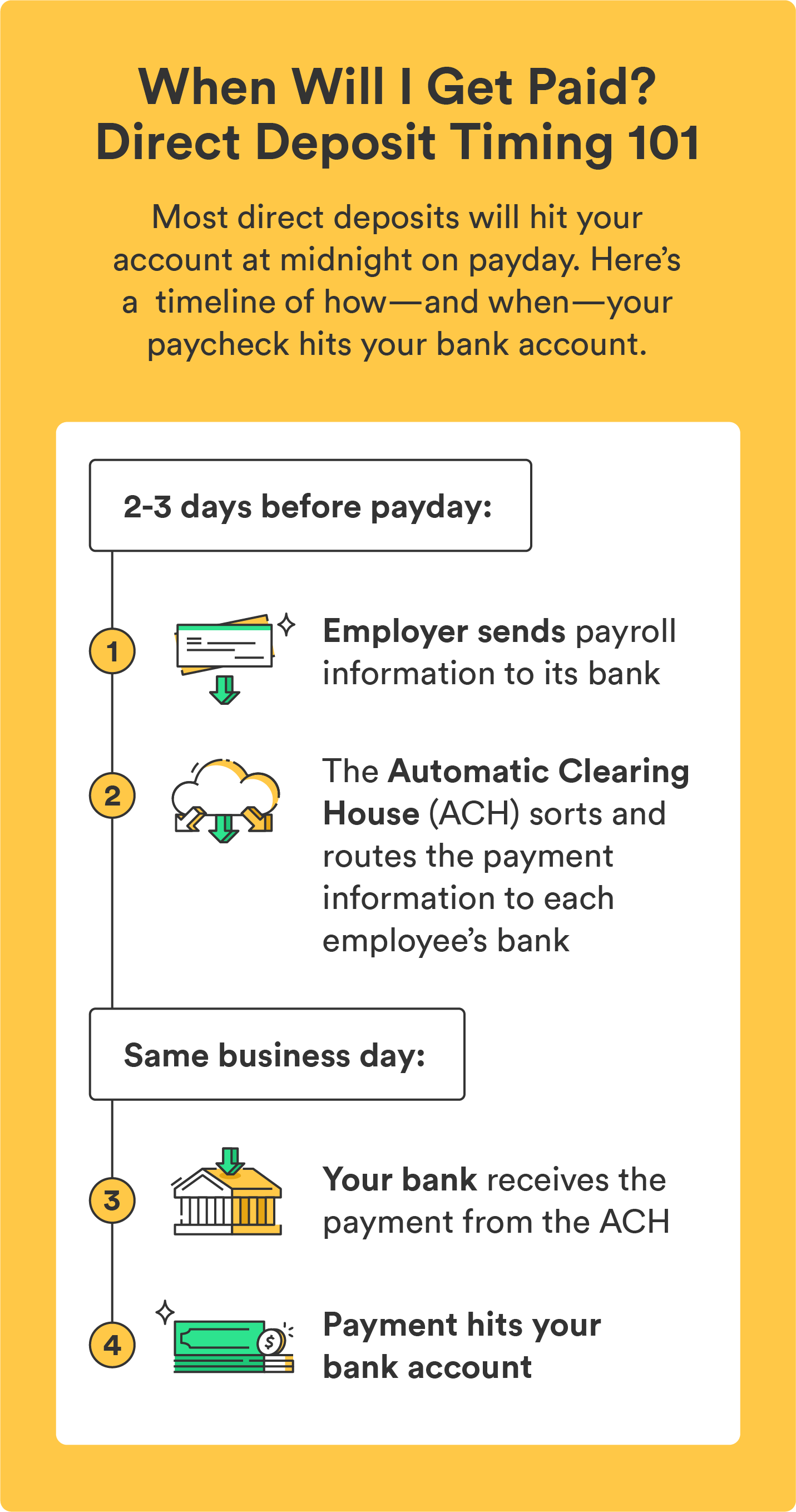
Electronic payments: Funds received via electronic transfers like direct deposits (e.g., payroll, government benefits) or wire transfers are typically available the next business day.
-
Government checks: Checks issued by the U.S. Treasury (e.g., Social Security, tax refunds) or state/local governments.
-
Cashier’s checks, certified checks, and teller’s checks: These are considered more secure instruments, backed by the issuing bank’s funds.
-
On-us checks: Checks drawn on the same financial institution where they are deposited.
-
The first $225 of a deposited check: For most other types of checks, even if the full amount isn’t immediately available, banks are generally required to make the first $225 (this amount is subject to change by the Federal Reserve) available on the next business day. This provision helps provide quick access to a small portion of funds for immediate needs.
Second Business Day and Beyond
For most personal checks and business checks, especially those drawn on another institution, the remaining funds beyond the initial $225 are typically made available on the second business day after the banking day of deposit. This additional day allows the bank more time for the check to clear through the banking system.
However, in certain situations, banks are permitted to place extended holds on funds, meaning availability could be delayed beyond the second business day, potentially for several more business days (e.g., 5-7 business days or even longer).
Special Holds and Exceptions
Regulation CC allows banks to extend hold times under specific circumstances, known as “exception holds.” If your bank places an exception hold, they are generally required to notify you in writing (which can include electronic notices) and explain the reason for the hold and when the funds will become available. Common reasons for exception holds include:
-
New accounts: For accounts open for less than 30 days, banks can impose longer holds on most deposits, sometimes up to 9 business days or more, to mitigate risk.
-
Large deposits: Deposits exceeding a certain threshold (currently $5,525, but this amount is periodically adjusted by the Federal Reserve) can trigger an extended hold on the amount over that threshold.
-
Repeated overdrafts: If an account has been repeatedly overdrawn in the past six months, the bank may extend holds on future deposits.
-
Reasonable doubt about collectibility: If the bank has a legitimate reason to doubt the collectibility of the check (e.g., it appears altered, is stale-dated, or there’s a history of returned checks from the issuer), they can place an extended hold.
-
Emergency conditions: Disruptions to the banking system, such as natural disasters or system failures, can also justify extended holds.
-
Redeposited checks: Checks that were previously returned unpaid may also be subject to longer holds.
Understanding these exceptions is crucial, as they can significantly impact when you can access your money, particularly during critical financial periods.
Factors Influencing Your Specific Deposit Time
While Regulation CC sets the baseline, several other factors contribute to your specific fund availability. These elements combine to determine the precise moment your deposited check becomes usable cash.
Your Bank’s Policies
Even though Regulation CC provides a federal minimum, individual banks often have their own specific funds availability policies. Many banks choose to make funds available faster than the regulation requires, especially for their established customers. These policies are typically outlined in your account agreement, accessible on their website, or available upon request. It’s always advisable to review your bank’s specific disclosure statement on funds availability, as it will provide the most accurate information for your account. Some banks might offer accelerated availability for certain account types or premium banking relationships.
Type of Check
The nature of the check itself is a major determinant of how quickly funds become available. As mentioned, government checks (e.g., tax refunds, Social Security), cashier’s checks, certified checks, and teller’s checks are generally processed faster because they are perceived as more secure and less likely to bounce. Personal checks, business checks, and payroll checks (not direct deposited) typically take longer. This is because these checks require verification from the payer’s account at another bank, which involves a greater risk assessment for the depositing bank. The bank needs to confirm the funds actually exist and are collectible before fully releasing them to you.
Deposit Method
How you deposit your check also plays a role in the timeline.
-
Teller Deposits: Often offer the quickest availability because the teller can immediately verify the check and your identity, and the deposit is manually processed into the system. They may also have the latest cut-off times.
-
ATM Deposits: Can sometimes be slightly slower than teller deposits. While many ATMs are technologically advanced, some might still require physical collection and processing of the checks, especially if the ATM is not linked in real-time to the bank’s core system for immediate verification.
-
Mobile Deposits: While convenient, mobile deposits might have slightly different cut-off times and can sometimes be subject to initial review processes. Some banks place daily or per-check limits on mobile deposits and may hold larger amounts for longer to ensure image quality and prevent fraud.
Account History and Relationship
Your relationship with your bank can subtly influence fund availability. Long-standing customers with a history of good account management (e.g., no overdrafts, consistent positive balances) may sometimes receive more favorable treatment, such as faster access to funds, compared to new customers or those with a history of financial difficulties. New accounts, in particular, are frequently subject to longer initial hold periods, typically for the first 30 days, as banks use this period to establish a risk profile for the new customer.
Amount of the Deposit
As per Regulation CC, large deposits exceeding a certain threshold (currently $5,525) are subject to extended holds on the portion above that amount. Even for amounts below this threshold, banks may still exercise caution with unusually large deposits for a particular account, potentially placing an internal hold to verify the legitimacy of the funds and mitigate fraud risk. The greater the amount, the higher the potential for an extended hold while the bank ensures the check will clear.
Practical Tips for Managing Check Deposits and Funds Access
Navigating the complexities of check deposit times can be challenging, but with a proactive approach, you can effectively manage your finances and avoid common pitfalls.
Know Your Bank’s Cut-Off Times
This is perhaps the most fundamental piece of advice. Familiarize yourself with the specific cut-off times for each deposit method you use (in-branch, ATM, mobile app). These times are usually available on your bank’s website, mobile app, or by asking a customer service representative. Planning your deposits around these times, especially for urgent transactions, can prevent a day’s delay in fund availability. Depositing a check early in the day or well before the cut-off significantly increases the likelihood of same-day processing and quicker access to your money.
Utilize Direct Deposit When Possible
For recurring income like paychecks, government benefits, or even some business payments, direct deposit is by far the most efficient and reliable method. Funds from direct deposits are almost always available on the scheduled payment date, often at the start of the business day. This bypasses all the uncertainties and potential hold times associated with paper checks, offering immediate and predictable access to your money. If offered by your employer or payer, always opt for direct deposit.
Plan Ahead for Major Expenses
Never assume that funds from a deposited check will be immediately available, especially when planning for significant expenses like rent, mortgage payments, or bill payments with strict due dates. Always factor in potential hold times into your financial planning. If you’re relying on a deposited check to cover an upcoming payment, deposit it several business days in advance to ensure the funds clear and are fully available before the payment due date. This proactive approach helps prevent late fees or overdraft charges.
Maintain a Buffer in Your Account
One of the most effective strategies to avoid financial stress related to check holds is to maintain a sufficient buffer, or emergency fund, in your checking account. Having a cushion of funds can cover immediate expenses even if a recent deposit is temporarily held. This buffer acts as a safety net, allowing you to pay bills on time without having to anxiously wait for a check to clear, thereby preventing overdrafts and maintaining a healthy financial standing.
Understand Mobile Deposit Limitations
While incredibly convenient, mobile deposits often come with specific limitations. These can include daily or weekly deposit limits, per-check limits, and requirements for clear image quality. Ensure you are aware of your bank’s specific mobile deposit policies. For unusually large checks, it might still be advisable to make a physical deposit at a branch to avoid hitting mobile limits or potential delays due to the bank’s internal review of large mobile deposits. Double-check that you’ve endorsed the check correctly and written “For Mobile Deposit Only” if your bank requires it.
Keep Records
Always retain proof of your deposit. For physical deposits, keep the receipt from the teller or ATM. For mobile deposits, many apps provide a digital confirmation, and it’s also wise to keep the physical check in a secure place for a few days after you’ve received confirmation that the funds are available, in case of any processing issues. These records can be invaluable if there’s ever a dispute or question about a deposit.

Conclusion
The question of “what time do checks deposit” reveals a layer of complexity in our modern financial system that often goes unappreciated. While digital transactions offer instant gratification, the process of clearing a check still involves regulatory frameworks, bank policies, and various procedural steps designed to ensure security and prevent fraud. By understanding the basics of Regulation CC, recognizing your bank’s specific policies and cut-off times, and being aware of how factors like check type and deposit method influence availability, you can navigate these waters with greater confidence. Ultimately, proactive financial planning, utilizing direct deposit whenever possible, and maintaining a healthy account balance are your best tools for ensuring timely access to your funds and avoiding unnecessary financial headaches.
aViewFromTheCave is a participant in the Amazon Services LLC Associates Program, an affiliate advertising program designed to provide a means for sites to earn advertising fees by advertising and linking to Amazon.com. Amazon, the Amazon logo, AmazonSupply, and the AmazonSupply logo are trademarks of Amazon.com, Inc. or its affiliates. As an Amazon Associate we earn affiliate commissions from qualifying purchases.