
For millions of Americans, the arrival of a direct deposit is more than just a transaction; it’s the lifeline that fuels budgets, pays bills, and builds savings. Knowing precisely when your funds will become available in your Chase account is crucial for effective financial planning, preventing overdrafts, and making timely payments. While the promise of direct deposit is speed and convenience, the exact timing can often feel like a mystery, subject to a complex interplay of employer schedules, banking processes, and federal regulations.
This comprehensive guide will demystify the direct deposit process at Chase, shedding light on the typical timelines, the factors that influence when your money appears, and how you can best manage your finances around these critical inflows. From understanding the underlying Automated Clearing House (ACH) network to leveraging Chase’s digital tools, we’ll equip you with the knowledge to anticipate your funds with greater accuracy and optimize your financial well-being.
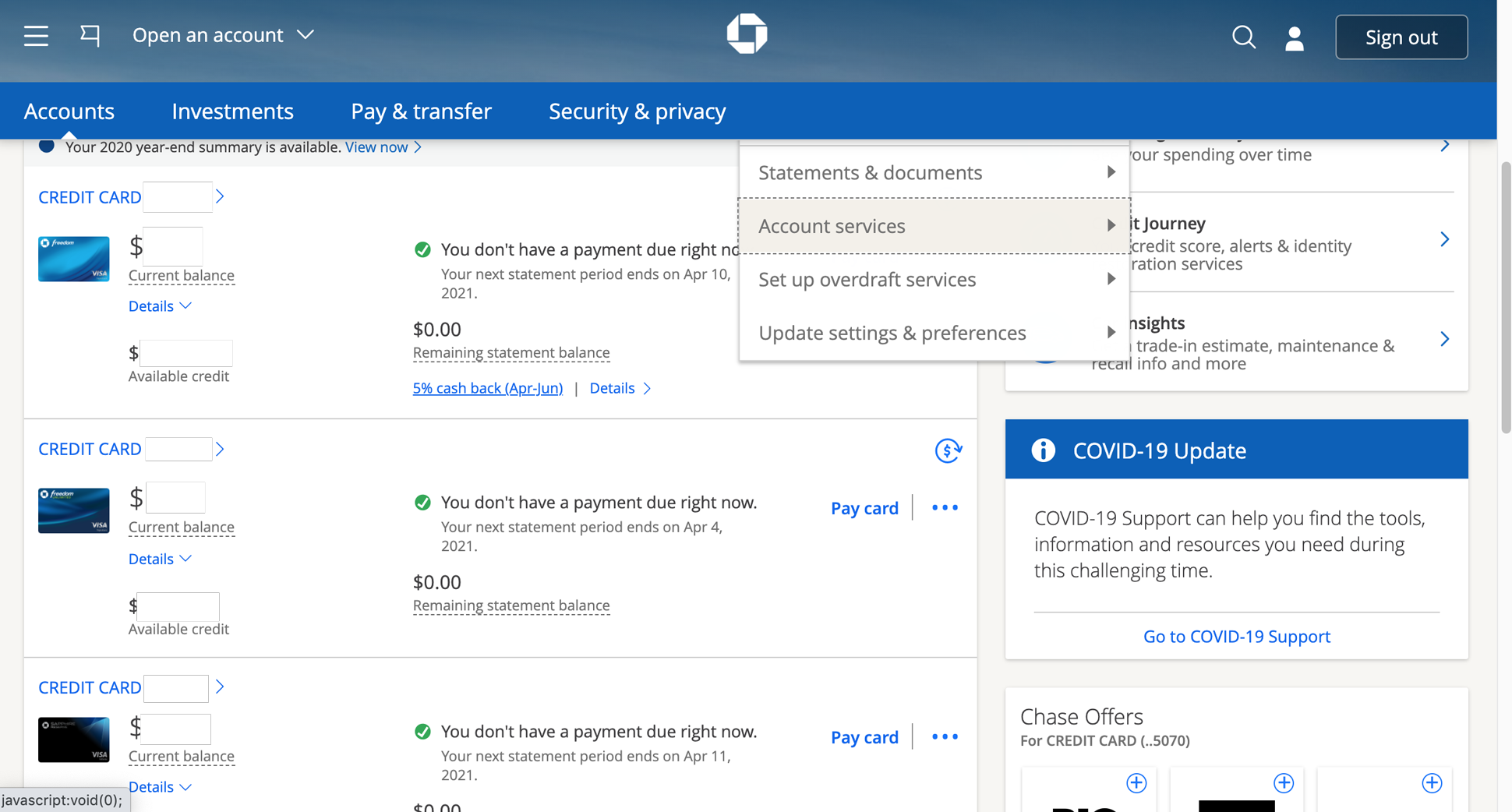
Understanding the Direct Deposit Mechanism
Before delving into specific timings, it’s essential to grasp the fundamental mechanics of how direct deposits operate. This understanding forms the bedrock for predicting when your hard-earned money will actually land in your Chase account. It’s not a simple instantaneous transfer, but rather a sophisticated system involving multiple parties.
The Role of the ACH Network
At the heart of every direct deposit lies the Automated Clearing House (ACH) network. This electronic funds transfer system is operated by Nacha (National Automated Clearing House Association) and facilitates a vast majority of electronic payments in the United States, including payroll, government benefits, bill payments, and more. Unlike wire transfers, which are often immediate but costly, ACH transfers are batched and processed in cycles, making them a cost-effective and highly reliable method for recurring payments.
When your employer or payer initiates a direct deposit, they send a file containing payment instructions to their bank. This bank then transmits the information through the ACH network to Chase, your receiving bank. The process typically involves several steps:
- Initiation: Your employer submits payroll data to their bank.
- Processing: The employer’s bank bundles this data and sends it to the ACH network.
- Settlement: The ACH network processes these batches and routes them to the receiving banks (like Chase). This often happens overnight.
- Posting: Chase receives the funds and credits them to your account.
This multi-stage process is why direct deposits are rarely instantaneous and often follow a predictable, albeit sometimes delayed, schedule.
Your Employer’s Payroll Processing Timeline
The single most significant variable in determining when your direct deposit hits is your employer’s payroll processing schedule. Companies typically process payroll several days before the actual payday. This lead time allows for:
- Data Compilation: Gathering hours, commissions, deductions, and other payroll data.
- Approval: Review and approval by management and finance departments.
- Transmission: Sending the payroll file to their bank or a third-party payroll provider (e.g., ADP, Paychex).
Many employers have a fixed “pay cycle” (e.g., bi-weekly, semi-monthly) and a specific “pay date.” While funds might be sent to the ACH network a day or two prior to the official pay date, Chase will typically not make them available until the designated pay date, or sometimes slightly earlier if they offer an early pay feature and the funds are received in advance. If your employer submits their payroll late, or there’s an issue with their payroll provider, this will directly impact when Chase receives the funds, and consequently, when they become available to you.
Chase’s Internal Processing and Posting
Once Chase receives the direct deposit information and funds via the ACH network, they undertake their own internal processing. This involves verifying the account details, reconciling the incoming funds, and ultimately posting them to your individual checking or savings account. Chase, like other financial institutions, operates on specific cut-off times for processing incoming transactions. While the ACH network facilitates transfers continuously, banks have daily schedules for when they apply these transactions to customer accounts. This internal processing time is a critical factor in determining the exact hour your money appears.
Typical Direct Deposit Timelines for Chase Customers
Understanding the general flow of direct deposits helps to set expectations. For Chase customers, there are common patterns regarding when funds become available, though individual experiences can vary.
Standard Posting Hours
For most direct deposits, Chase typically posts funds to customer accounts early on the designated payday. While there isn’t a single, precise minute when all direct deposits universally hit, you can generally expect your funds to be available:
- Early Morning on Payday: Most direct deposits are processed and become available sometime between 3:00 AM and 6:00 AM Eastern Time on your official payday. This means if your payday is Friday, you can often wake up to find your funds already in your account.
- Throughout the Business Day: While early morning is common, some deposits might post later in the day, especially if there were delays in the ACH network or the employer submitted the payroll file later than usual. However, it’s rare for a direct deposit to post after business hours on the official payday unless there’s a specific issue.
It’s important to note that the time zone plays a role. If you are on the West Coast, 3:00 AM ET would be midnight PT, meaning the funds could appear essentially at the start of the calendar day for you.
Early Deposit Possibilities and Exceptions
In an increasingly competitive banking landscape, many financial institutions, including Chase, have introduced features designed to make funds available to customers earlier than the traditional payday. Chase currently offers early access to direct deposits for many customers.
- Up to Two Days Early: For many direct deposits, Chase can make funds available up to two business days before your scheduled payday. This is possible when Chase receives advance notification and the actual funds from your employer or benefits provider earlier than the official pay date.
- Eligibility: This early access isn’t guaranteed for all deposits. It depends entirely on when Chase actually receives the payment instructions and funds from the sender. If your employer consistently sends their payroll information early, you are more likely to benefit from this feature. It’s not a service Chase can unilaterally control, but rather an acceleration of funds they have already received.
- Enrollment: Often, there’s no specific enrollment required; if Chase receives the funds early and determines they are eligible, they will typically post them early. However, checking your account terms or contacting Chase directly can confirm eligibility.
This “up to two days early” feature is a significant benefit for managing cash flow, allowing customers to access their funds sooner for bills, savings, or spending.
Weekend and Holiday Considerations
The ACH network and banking operations adhere to standard business days. This means that weekends and federal holidays can significantly impact direct deposit timing:
- Weekends: If your scheduled payday falls on a Saturday or Sunday, your direct deposit will typically be processed and made available on the preceding Friday. For instance, if payday is Sunday the 15th, funds usually hit on Friday the 13th.
- Federal Holidays: Similarly, if your payday falls on a federal holiday, the deposit will usually be made available on the preceding business day. For example, if payday is Monday, July 4th (a holiday), funds would likely be available on Friday, July 1st.
- ACH Holiday Schedule: The ACH network itself observes federal holidays. No ACH transactions are processed or settled on these days. This directly impacts when Chase can receive and post funds.
It’s crucial to factor in these non-business days when anticipating your direct deposit, as they can shift your effective payday by a day or two. Always consult a calendar and cross-reference with federal holidays.
Factors Influencing Your Deposit Time
While standard timings provide a general guide, several specific factors can cause variations in when your Chase direct deposit actually appears. Being aware of these can help you better anticipate and troubleshoot any delays.
Employer Payroll Submission Practices
As discussed, your employer’s punctuality in submitting payroll is paramount.
- Early vs. Late Submissions: Some employers consistently submit payroll files well in advance of the pay date, making early direct deposit more likely. Others might cut it closer to the deadline.
- Third-Party Payroll Providers: Many companies use services like ADP, Paychex, or Gusto. The efficiency and scheduling of these providers also play a role. If there’s an issue on their end, it can ripple down to your deposit.
- Changes in Payroll Cycle: Any changes in your employer’s pay cycle (e.g., switching from bi-weekly to semi-monthly, or changing the pay date) can temporarily affect timing until the new rhythm is established.
If you consistently receive your deposit at an unusual time, it’s often worth checking with your employer’s HR or payroll department first.

First-Time Direct Deposits
The very first time you set up a direct deposit with a new employer or benefits provider, it might take slightly longer to process. This initial setup period allows for:
- Verification: Banks and employers need to verify account and routing numbers.
- Pre-notification: Sometimes a “prenote” transaction (a zero-dollar transaction) is sent first to confirm the account is valid before actual funds are sent.
- System Integration: New account details need to be fully integrated into both the employer’s and Chase’s systems.
It’s not uncommon for the first direct deposit to take an extra day or two compared to subsequent deposits. Plan accordingly for your initial payment, perhaps by having a buffer in your account.
Bank Holidays and Federal Reserve Cut-off Times
Beyond the federal holidays that affect ACH processing, individual bank holidays (though rare) or specific internal processing schedules can play a minor role. More significantly, the Federal Reserve (which oversees the ACH network) has daily cut-off times for processing transactions. If a transaction misses a cut-off, it might be processed on the next business cycle, potentially delaying funds by a day. While this is largely behind-the-scenes, it’s an underlying mechanism that contributes to why direct deposits aren’t instant.
Type of Payment: Payroll vs. Government Benefits
The source of your direct deposit can sometimes influence its timing.
- Payroll: Employer payroll deposits are generally consistent, subject to the employer’s schedule.
- Government Benefits: Payments like Social Security, SSI, VA benefits, and federal tax refunds are typically highly predictable. The Social Security Administration, for example, has a published payment schedule based on your birth date. These government payments are often among the most reliably on-time, and sometimes even qualify for early deposit if Chase receives the funds in advance.
- Other Payments: Other types of direct deposits, such as insurance payouts, vendor payments, or peer-to-peer transfers, might have more variable timing depending on the sender’s bank and their processing schedules.
Understanding the origin of your funds can help in setting appropriate expectations for their arrival.
How to Monitor Your Chase Direct Deposit
While waiting for your direct deposit, proactive monitoring can provide peace of mind and help you quickly identify any potential issues. Chase offers several convenient tools to keep you informed.
Using Chase Online Banking and Mobile App
The most effective way to track your direct deposit is through Chase’s digital platforms:
- Online Banking: Log into your Chase online account from a desktop browser. Navigate to your checking or savings account history. Pending deposits often appear with a “pending” status before they fully post. Once posted, they will show as a completed transaction.
- Chase Mobile App: The Chase mobile app offers real-time access to your account balances and transaction history. Many users find it the most convenient way to check for deposits on the go. Simply open the app and refresh your account balance and recent activity. Pending deposits, if available, might show up as “pending deposits” or similarly worded.
Regularly checking these platforms, especially on your anticipated payday, is the best strategy.
Setting Up Deposit Notifications
Chase provides customizable alert features that can notify you the moment a direct deposit hits your account:
- Account Activity Alerts: You can set up alerts to receive a text message, email, or push notification whenever a deposit above a certain amount is made to your account.
- Balance Alerts: Alternatively, you can set an alert to notify you if your account balance reaches a certain threshold, which would naturally happen once your direct deposit posts.
These alerts are invaluable for removing the need to constantly check your account and ensure you’re immediately aware when your funds are available. To set up alerts, log into your Chase online banking account, navigate to the “Alerts” section, and customize your preferences.
What to Do If Your Deposit is Delayed
If your direct deposit hasn’t appeared by the expected time on your payday, don’t panic. Here’s a troubleshooting guide:
- Check Your Account Again: Sometimes funds post a little later in the day. Give it until the end of the business day.
- Verify With Your Employer/Payer: This is usually the first and most crucial step. Contact your HR or payroll department (for payroll) or the benefits provider. They can confirm if the payment was sent, when it was sent, and if there were any issues with your banking information. Ask for the ACH trace number, if available, as this can help Chase track the payment.
- Review Your Account Details: Double-check that the routing and account numbers you provided to your employer or payer are correct. A single digit error can cause significant delays or even send the money to the wrong account.
- Contact Chase Customer Service: If your employer confirms the payment was sent and processed correctly, and you’ve verified your account details, then contact Chase customer service. Provide them with as much detail as possible, including the amount, expected date, and the sender’s information. If you have an ACH trace number, provide that too. Chase can investigate on their end to see if the funds were received but perhaps delayed in posting.
- Be Patient: While frustrating, sometimes delays are due to unforeseen technical issues within the ACH network or between banks. Give the process a reasonable amount of time (e.g., 1-2 business days) for resolution after reporting.
Remember, Chase cannot post funds they have not yet received. Most delays originate with the sender or the ACH network, rather than Chase itself.
Optimizing Your Financial Planning Around Direct Deposits
Understanding the “when” of your direct deposit is not just about curiosity; it’s a fundamental pillar of sound personal financial management. Leveraging this knowledge can significantly improve your financial health and reduce stress.
Budgeting and Bill Payments
Accurate direct deposit timing allows for precise budgeting.
- Cash Flow Management: Knowing when your primary income source arrives enables you to map out your monthly expenses with greater accuracy. You can align bill due dates with your paydays, ensuring funds are always available.
- Preventing Late Fees: If you know your direct deposit will hit early on Friday, you can confidently schedule Friday payments for bills due that weekend or early the following week, avoiding late fees.
- Creating a Buffer: Even with early direct deposit features, it’s wise to build a small cash buffer in your checking account. This buffer acts as a safety net for any unexpected delays or slight variations in timing, preventing potential overdrafts.
Avoiding Overdrafts
One of the primary benefits of predictable direct deposit timing is the ability to steer clear of overdraft fees.
- Strategic Spending: If you know your funds will arrive by early morning on payday, you can plan major purchases or withdrawals for after that time.
- Automated Payments: Schedule automated bill payments to occur after your direct deposit typically posts. This eliminates the risk of an automated payment attempting to draw from insufficient funds.
- Monitoring Balance: Use Chase’s mobile app and notifications to keep a close eye on your balance, especially leading up to and on your payday.
Leveraging Early Direct Deposit Features
If Chase’s early direct deposit feature applies to your payments, integrate this into your financial strategy:
- Earlier Bill Payments: Use the extra day or two to pay critical bills slightly earlier, reducing last-minute stress.
- Transfers to Savings/Investments: If you prioritize “paying yourself first,” the earlier access means you can move funds to savings or investment accounts sooner, contributing to quicker wealth accumulation.
- Reduced Waiting Period: Simply having access to funds sooner can alleviate anxiety and provide greater flexibility in managing day-to-day expenses.

The Benefits of Predictable Income Flow
A predictable income flow, facilitated by reliable direct deposits, is a cornerstone of financial wellness.
- Reduced Financial Stress: Knowing exactly when your money will arrive removes a significant source of anxiety, allowing you to focus on other aspects of your life.
- Empowered Decision-Making: With clarity on your cash flow, you can make more informed decisions about spending, saving, and investing.
- Achieving Financial Goals: Consistent and predictable income is essential for building an emergency fund, saving for a down payment, paying down debt, or planning for retirement. It turns abstract goals into actionable steps you can fund with each payday.
In conclusion, while the exact minute your Chase direct deposit hits can sometimes vary, understanding the underlying processes, typical timelines, and influencing factors empowers you to anticipate your funds with greater accuracy. By leveraging Chase’s digital tools and proactive financial planning, you can ensure your hard-earned money works for you from the moment it lands in your account, leading to greater financial stability and peace of mind.
aViewFromTheCave is a participant in the Amazon Services LLC Associates Program, an affiliate advertising program designed to provide a means for sites to earn advertising fees by advertising and linking to Amazon.com. Amazon, the Amazon logo, AmazonSupply, and the AmazonSupply logo are trademarks of Amazon.com, Inc. or its affiliates. As an Amazon Associate we earn affiliate commissions from qualifying purchases.