
For many investors, the stock market seems to operate within a neatly defined timeframe: 9:30 AM to 4:00 PM Eastern Time. This perception, however, only captures a fraction of the market’s true activity. Beyond these conventional hours lies the dynamic, often volatile, world of after-hours trading. This extended trading period, encompassing both pre-market and post-market sessions, offers unique opportunities and challenges. While the standard market close is firmly etched at 4:00 PM ET, the question of “what time does after-hours trading close” is far more nuanced, lacking a single, universal answer. It varies significantly based on the trading platform, the specific electronic communication networks (ECNs) involved, and the type of security being traded. Understanding these variables is crucial for anyone looking to navigate the extended financial landscape.
Understanding the Landscape of After-Hours Trading
To fully grasp the complexities of extended trading hours, it’s essential to first define what it entails and why it exists. This foundational knowledge will shed light on why its closing times are less straightforward than those of the regular trading session.
What is After-Hours Trading?
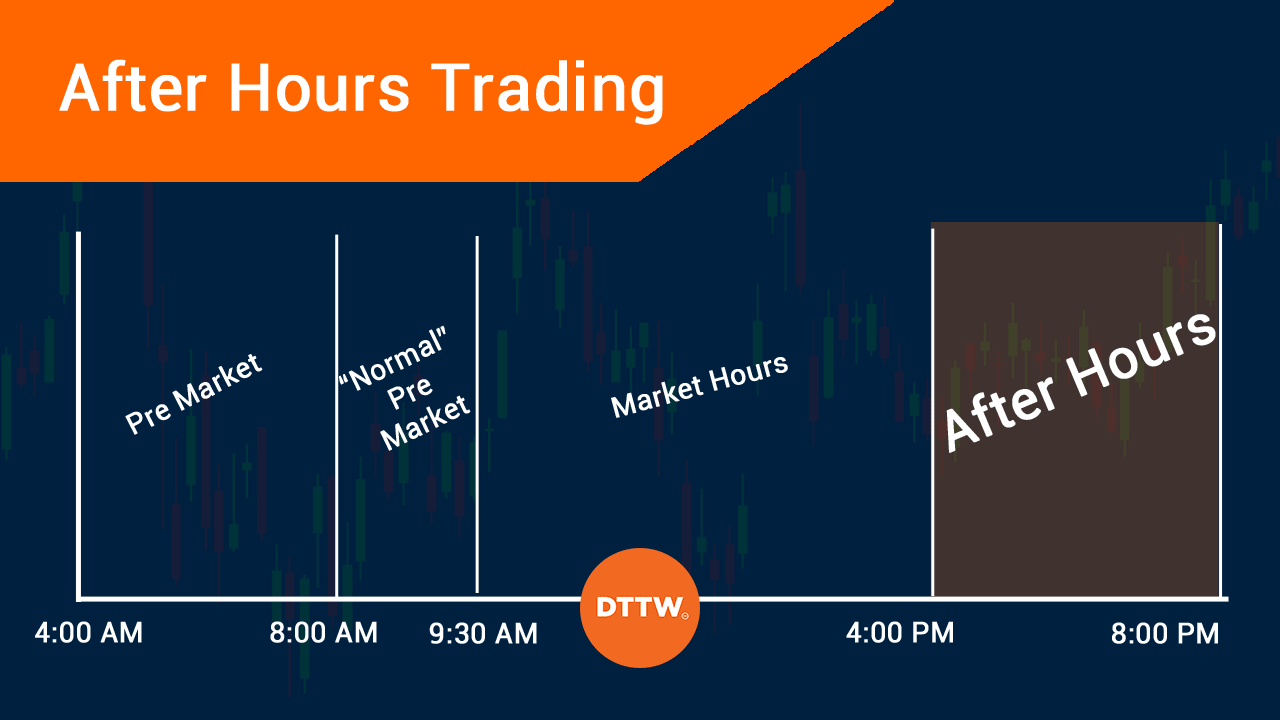
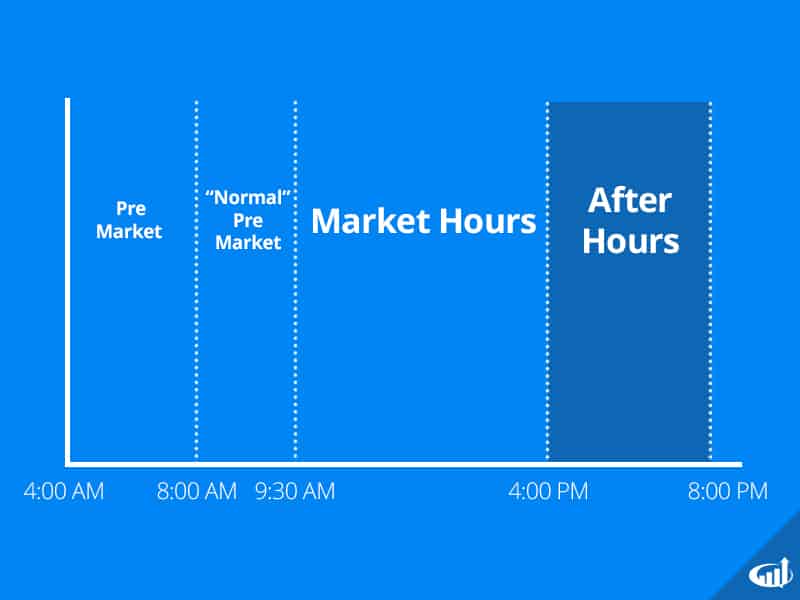
After-hours trading refers to the buying and selling of securities outside of the standard trading hours of the major stock exchanges, primarily the New York Stock Exchange (NYSE) and NASDAQ. This period is typically broken down into two main components:
-
Pre-Market Session: This session usually begins early in the morning, often around 4:00 AM ET, and extends until the market officially opens at 9:30 AM ET.
-
Post-Market Session: This session commences immediately after the regular market closes at 4:00 PM ET and can run several hours into the evening.
Unlike regular market hours where trades are primarily executed on large, centralized exchanges, after-hours trading predominantly occurs through Electronic Communication Networks (ECNs). These automated systems match buy and sell orders directly, bypassing traditional market makers. ECNs allow investors and institutions to react to news and events outside of conventional trading times, providing continuous access to the market.
Why Does After-Hours Trading Exist?
The existence of after-hours trading is a response to several fundamental needs and market dynamics:
-
Response to News and Earnings: A significant driver of after-hours activity is the release of corporate news, particularly quarterly earnings reports. Companies often release these reports after the market closes or before it opens to allow investors time to digest the information without disrupting ongoing trading. After-hours trading provides an immediate avenue for investors to react to these announcements, often resulting in significant price movements.
-
Global Market Influence: The global nature of finance means that significant economic or geopolitical events can occur at any time, impacting markets worldwide. After-hours trading allows U.S. investors to react to news originating from Asian or European markets before the domestic market officially opens, or to continue trading as other global markets open.
-
Flexibility for Investors: For busy professionals or individuals with daytime commitments, after-hours trading offers the flexibility to manage their portfolios when it suits them best. While retail participation is generally lower, the option remains available.
-
Institutional Trading: Many large institutional investors, hedge funds, and professional traders utilize extended hours for strategic adjustments, risk management, and block trades, leveraging their resources and information access to gain an edge.
The Elusive Closing Times: A Deeper Dive
While the standard trading day offers clear opening and closing bells, after-hours trading operates with more fluidity. Its closing times are not standardized across the board and depend heavily on the specific brokerages and ECNs facilitating the trades.
Post-Market Session Closure
The post-market session is arguably where the question of “what time does after-hours trading close” becomes most relevant for many investors. Generally, the post-market session starts at 4:00 PM ET and can extend as late as 8:00 PM ET. However, this 8:00 PM ET mark is a common, but not universal, outer limit.
-
Brokerage Firm Policies: The most significant factor determining how late you can trade after hours is your brokerage firm. Each broker sets its own operational hours for extended trading based on the ECNs they access and their internal risk management policies. Some brokers might offer trading only until 6:00 PM ET, while others provide access until 8:00 PM ET. A select few may even facilitate trading slightly longer, though this is less common for retail investors. It is imperative for investors to check their specific broker’s extended-hours trading schedule.
-
Exchange Guidelines vs. ECN Operations: While exchanges like NASDAQ and NYSE provide guidelines for extended trading, the actual execution happens on ECNs. These networks operate beyond traditional exchange hours, but the “liquidity window” often narrows significantly after 6:00 PM ET. Even if a broker allows trading until 8:00 PM ET, the ability to execute trades at favorable prices might diminish considerably in the later hours due to fewer participants.
Pre-Market Session Opening and Its Relation to Closing
Though the focus is on closing times, understanding the pre-market session’s opening is also vital as it forms part of the continuous extended trading cycle. The pre-market typically begins as early as 4:00 AM ET and concludes at 9:30 AM ET when the regular market opens.
-
Impact on Regular Session: Activity during the pre-market session often sets the tone for the regular trading day. Significant price movements in pre-market due to news or earnings can indicate how a stock might perform once the full market opens.
-
Continuous Flow: The concept of “after-hours trading” actually encompasses a continuous flow of trading activity around the clock, with the regular market hours simply being the peak liquidity window. The pre-market leads into the regular market, which then transitions into the post-market, only for the cycle to begin anew the next morning.
Factors Influencing Specific Closing Times
Beyond brokerage policies, several other factors can subtly influence the actual availability and efficacy of extended trading:
-
Security Type: Highly liquid, large-cap stocks tend to have more robust extended-hours trading availability. Less liquid securities, smaller-cap stocks, or certain niche instruments might have more restricted or virtually non-existent extended trading windows.
-
Holiday Schedules: On days preceding or following market holidays, extended trading hours might be shortened or even suspended by some brokers or ECNs.
-
Market Volatility: During periods of extreme market volatility, ECNs might experience disruptions or temporary halts, though this is rare. While not a scheduled “closure,” it can effectively halt trading.
Navigating the Risks and Opportunities of Extended Trading
After-hours trading, while offering flexibility, also presents a distinct set of risks and opportunities that differentiate it from regular market hours. Understanding these characteristics is crucial for any investor contemplating participation.
Increased Volatility and Lower Liquidity
The most significant characteristics of after-hours trading are its heightened volatility and reduced liquidity.
-
Volatility: With fewer participants and often driven by specific news events, prices can swing dramatically and rapidly. A single large order can have a disproportionate impact on a stock’s price, leading to wider price fluctuations than seen during regular hours.
-
Lower Liquidity: Fewer buyers and sellers mean that the bid-ask spread (the difference between the highest price a buyer is willing to pay and the lowest price a seller is willing to accept) tends to be wider. This can make it more challenging to execute trades at desirable prices, and orders may not be filled entirely or at all. Investors might find themselves buying at a higher price or selling at a lower price than they intended.
Information Asymmetry and Professional Advantage
Information flow during after-hours can create an uneven playing field.
-
Institutional Access: Large institutions often have dedicated teams and sophisticated tools to analyze and react to news instantly. They may also have access to more proprietary data and faster execution capabilities than retail investors.
-
Late-Breaking News: News released after the market close can create significant opportunities or risks for those who can react swiftly. Retail investors, who might only become aware of news through public channels, could be at a disadvantage if institutions have already positioned themselves.
Opportunities for Savvy Investors
Despite the risks, after-hours trading offers compelling opportunities for informed and strategic investors:
-
Reacting Quickly to Earnings/News: This is perhaps the most direct opportunity. If a company reports unexpectedly positive earnings after hours, an investor can potentially buy shares before the general market reacts the next day, capitalizing on an anticipated price jump. Conversely, one can sell to mitigate losses from bad news.
-
Flexibility: For individuals whose work or life schedules conflict with regular market hours, after-hours trading provides a crucial window to manage investments.
-
Global Market Alignment: Investors can react to global market movements or news events from other time zones without having to wait for the U.S. market to open.
Practical Considerations for After-Hours Traders
Engaging in after-hours trading requires more than just knowing the potential closing times; it demands careful planning, the right tools, and a clear understanding of best practices.
Choosing the Right Brokerage
Not all brokerage firms offer the same level of access or features for extended-hours trading.
-
Extended-Hours Offerings: Confirm your broker’s specific pre-market and post-market hours. Some may offer access only for a limited window (e.g., until 6:00 PM ET), while others provide full access up to 8:00 PM ET or beyond for pre-market.
-
Fees and Platform Stability: Check for any additional fees associated with extended-hours trading. Evaluate the stability and speed of their trading platform, especially during volatile periods, as quick execution is paramount.
-
Order Types: Ensure your broker supports the necessary advanced order types crucial for after-hours trading.
Understanding Order Types and Execution
Due to lower liquidity and higher volatility, the choice of order type is critical in after-hours trading.
-
Limit Orders are Crucial: Always use limit orders during extended hours. A limit order specifies the maximum price you’re willing to pay when buying or the minimum price you’re willing to accept when selling. This protects you from unexpected price swings due to low liquidity.
-
Avoid Market Orders: Market orders, which instruct your broker to buy or sell immediately at the best available price, are extremely risky during extended hours. A wide bid-ask spread could result in your order being filled at a price significantly worse than anticipated.
-
Time-in-Force Orders: Understand “time-in-force” options like “Good-Til-Canceled (GTC)” or “Day Order” which might behave differently in extended hours versus regular hours. Some brokers might only allow “Good for Day” or “Immediate-or-Cancel” for extended sessions.

Staying Informed and Prepared
Success in after-hours trading hinges on vigilance and preparedness.
-
Monitor News Sources: Keep a close eye on news wires, company announcements, and financial news outlets. Speed of information is a key advantage.
-
Develop a Clear Strategy: Don’t trade after hours on a whim. Have a well-defined strategy, including entry and exit points, and strict risk management rules.
-
Start Small: If you’re new to after-hours trading, begin with small positions to gain experience and understand the dynamics before committing significant capital.
-
Be Aware of Risks: Always remember the inherent risks of lower liquidity, higher volatility, and potential for information asymmetry. Only trade with capital you can afford to lose.
In conclusion, while the regular stock market day concludes promptly at 4:00 PM ET, the world of after-hours trading extends this activity, typically running until 8:00 PM ET for the post-market session and starting as early as 4:00 AM ET for pre-market. However, these times are not universal and depend on your specific brokerage firm and the ECNs it utilizes. Investors must meticulously check their broker’s policies and thoroughly understand the heightened risks of volatility and reduced liquidity inherent in extended trading hours. For the prepared and well-informed, after-hours trading can offer strategic advantages, but for the unwary, it can present significant financial pitfalls.
aViewFromTheCave is a participant in the Amazon Services LLC Associates Program, an affiliate advertising program designed to provide a means for sites to earn advertising fees by advertising and linking to Amazon.com. Amazon, the Amazon logo, AmazonSupply, and the AmazonSupply logo are trademarks of Amazon.com, Inc. or its affiliates. As an Amazon Associate we earn affiliate commissions from qualifying purchases.