
For seasoned investors and curious newcomers alike, understanding the operational hours of global stock markets is more than just a matter of trivia—it’s a fundamental aspect of navigating the financial world. The seemingly simple question, “What time do the stock markets open?” unravels into a complex web of global trading sessions, pre-market and after-hours activities, and strategic considerations that can significantly impact investment decisions. This guide delves into the specifics of market timing, explores its implications for various types of investors, and highlights the broader ecosystem that surrounds these crucial opening bells.
Understanding Global Market Hours and Their Significance
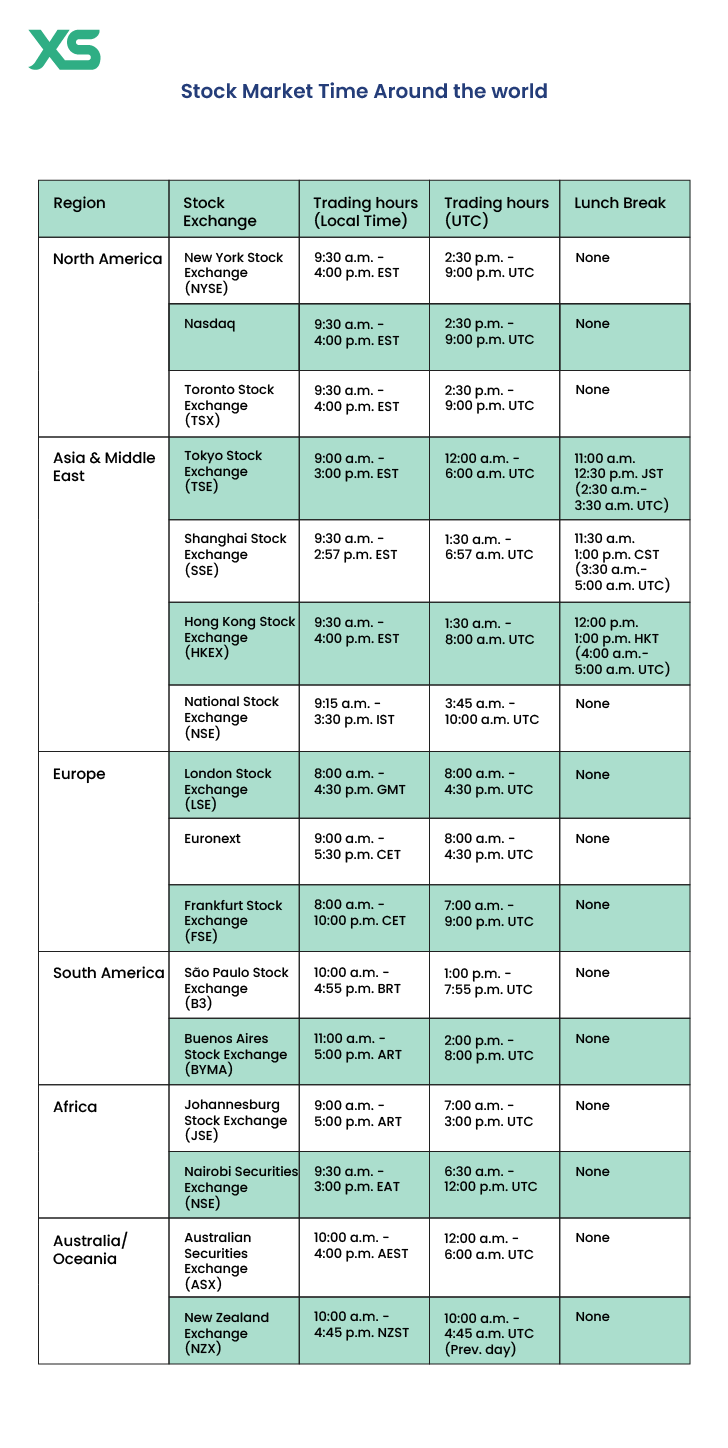
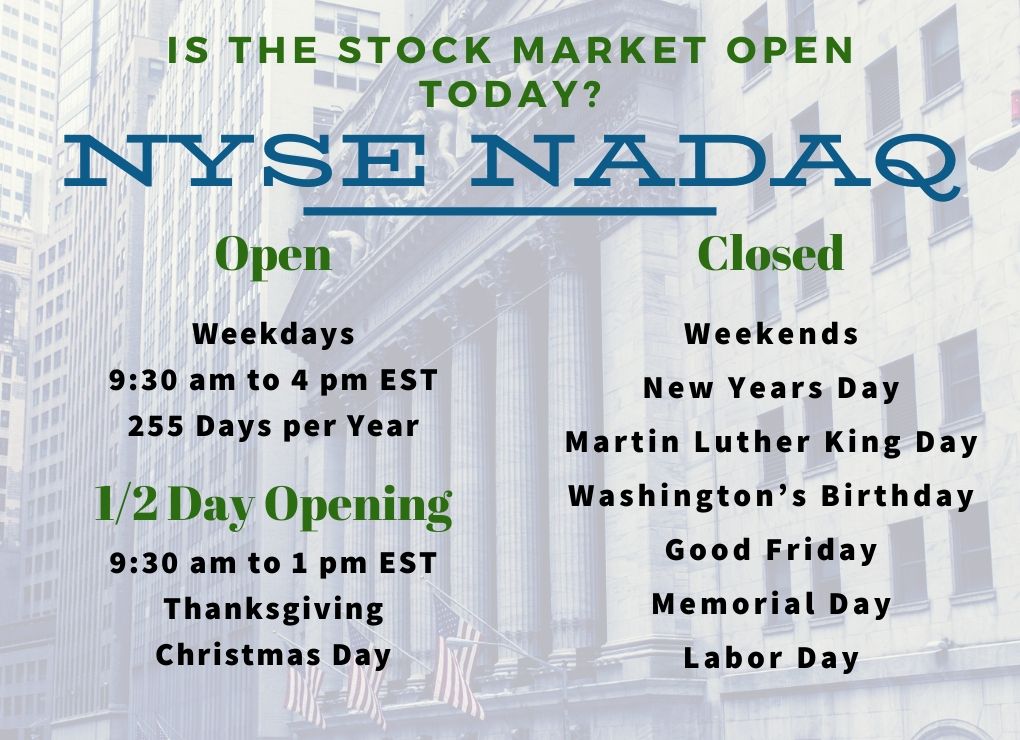
The concept of “the stock market” often conjures images of the New York Stock Exchange (NYSE) or NASDAQ. While these are indeed titans of the financial world, they represent just a fraction of the global landscape. Each major market operates on its own schedule, dictated by local time zones and national holidays, creating a continuous, almost 24-hour cycle of trading worldwide.
The Core Trading Session: NYSE and NASDAQ
In the United States, the primary stock exchanges—the New York Stock Exchange (NYSE) and the NASDAQ Stock Market—operate during standard business hours. The core trading session for both exchanges is from 9:30 AM to 4:00 PM Eastern Time (ET), Monday through Friday. This seven-and-a-half-hour window is when the vast majority of trading activity occurs, characterized by high liquidity and regulated price discovery. It’s during these hours that most individual investors place their buy and sell orders, and institutional traders execute their strategies.
The opening bell ceremony at 9:30 AM ET and the closing bell at 4:00 PM ET are iconic symbols, often rung by corporate executives or dignitaries, marking the official start and end of the day’s regular trading. These moments are not just ceremonial; they often coincide with heightened volatility as pending orders are matched and new information is priced into the market.
Pre-Market and After-Hours Trading: Extending the Day
The financial markets, however, don’t strictly adhere to the 9:30 AM to 4:00 PM ET window. Technological advancements and demand for greater flexibility have given rise to pre-market and after-hours trading sessions.
- Pre-Market Trading: This session typically runs from 4:00 AM ET to 9:30 AM ET. During pre-market hours, investors can place trades before the official market opening. Trading volume is generally lower, and spreads (the difference between bid and ask prices) can be wider, leading to less liquidity and potentially greater price swings. News events released before the market opens, such as earnings reports or economic data, often drive activity in this period.
- After-Hours Trading: Following the close of the regular session, after-hours trading usually takes place from 4:00 PM ET to 8:00 PM ET. Similar to pre-market, this period sees reduced liquidity and increased volatility. Major corporate announcements or late-breaking news can significantly impact stock prices during after-hours, often setting the stage for the next day’s regular session.
While these extended hours offer flexibility, they come with increased risks due to lower liquidity and wider spreads. Most individual investors with standard brokerage accounts have access to these sessions, but it’s crucial to understand their unique characteristics.
International Markets: A World of Opportunity (and Different Clocks)
The global nature of finance means that when one market closes, another is often just opening. Understanding these different schedules is vital for investors with international holdings or those monitoring global economic trends.
- Europe: The London Stock Exchange (LSE) operates from 8:00 AM to 4:30 PM GMT. The Euronext exchanges (Paris, Amsterdam, Brussels, Lisbon) typically run from 9:00 AM to 5:30 PM CET.
- Asia: The Tokyo Stock Exchange (TSE) has two sessions: 9:00 AM to 11:30 AM JST and 12:30 PM to 3:00 PM JST. The Hong Kong Stock Exchange (HKEX) operates from 9:30 AM to 12:00 PM HKT and 1:00 PM to 4:00 PM HKT. The Shanghai Stock Exchange follows a similar split schedule.
- Australia: The Australian Securities Exchange (ASX) trades from 10:00 AM to 4:00 PM AEST.
This continuous cycle means that global events can have immediate ripple effects across different time zones. A major economic announcement in Asia could influence European markets, which in turn could set the tone for the U.S. open.
Why Market Opening Times Matter to Investors
The precise timing of market open is not just an administrative detail; it holds significant strategic implications for investors of all stripes. From the intense rush of day traders to the patient planning of long-term investors, the opening bell marks a critical juncture.
Volatility and Price Discovery at the Open
The market open is often characterized by heightened volatility. During the hours the market is closed, a wealth of new information might accumulate: company earnings reports, economic data releases, geopolitical news, or even sentiment shifts from international markets. When the opening bell rings, all this pent-up information is rapidly priced into the market.
This rapid price discovery can lead to significant price gaps (when a stock opens higher or lower than its previous close) and swift movements. For some traders, this volatility presents opportunities for quick profits, while for others, it represents increased risk. Understanding the factors that drive this early morning activity is crucial for interpreting initial price movements.
Impact on Day Traders and Short-Term Strategies
For day traders and those employing short-term strategies, the market open is arguably the most critical period of the day. Many high-frequency traders and algorithmic systems are designed to capitalize on the initial burst of volatility and liquidity. Day traders might look for breakouts or reversals immediately after the open, using tight stop-loss orders to manage risk.
The first 15 to 30 minutes after the opening bell often see the highest trading volume of the entire day. This liquidity is essential for short-term traders who need to enter and exit positions quickly without significantly impacting the price. However, the speed and unpredictable nature of these early movements also demand experience and robust risk management.
Long-Term Investors: Understanding but Not Obsessing
In contrast to day traders, long-term investors typically do not obsess over the minute-by-minute fluctuations around market open. Their strategy revolves around fundamental analysis, holding assets for months or years, and riding out short-term volatility. For them, market opening times are more about context than immediate action.
Long-term investors should still be aware of the market open dynamics. Significant news released before the market opens could lead to a substantial price adjustment at the open, which might represent a buying opportunity for a fundamentally strong company or a signal to re-evaluate a position. However, making knee-jerk decisions based on initial market movements goes against the core tenets of long-term investing. Their focus remains on the long-term growth trajectory and value of their investments, rather than the temporary noise of the opening hour.
Navigating Market Holidays and Closures
While the regular trading hours are predictable, stock markets also observe various holidays and, occasionally, experience early closures or special trading sessions. Being aware of these exceptions is vital for planning trades and managing portfolios effectively.
Major Public Holidays: When Markets Take a Break
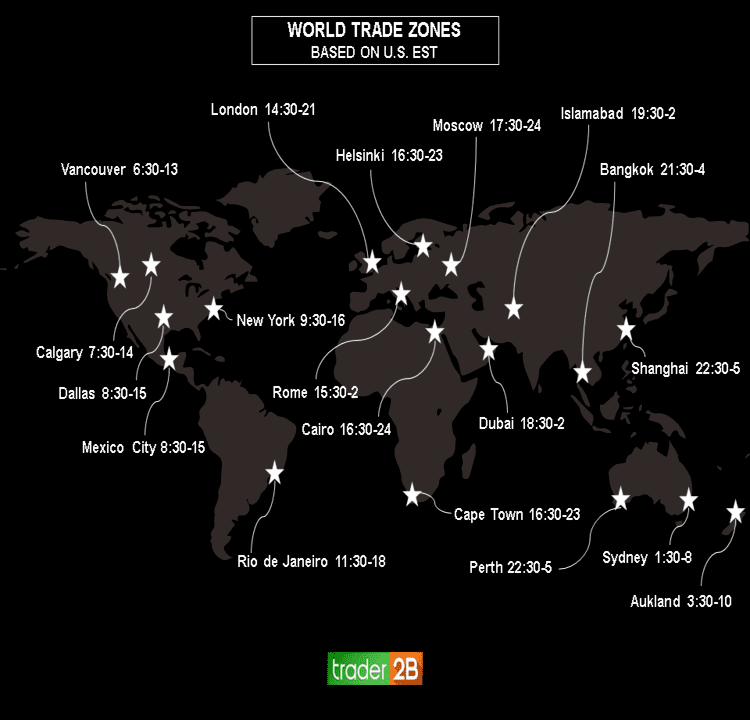
Stock exchanges generally close for national public holidays, aligning with the broader business calendar of their respective countries. In the U.S., for instance, the NYSE and NASDAQ are closed on:
- New Year’s Day
- Martin Luther King, Jr. Day
- Presidents’ Day
- Good Friday
- Memorial Day
- Juneteenth National Independence Day
- Independence Day
- Labor Day
- Thanksgiving Day
- Christmas Day
Similar holidays are observed in other countries, such as Boxing Day in the UK, Golden Week in Japan, or various national holidays across Europe. It’s crucial for investors to consult the official holiday schedules of the exchanges where their investments are listed to avoid surprises.
Early Closures and Special Trading Sessions
Beyond full-day closures, markets sometimes have early closures, typically on days preceding or following major holidays. For example, on the day after Thanksgiving (Black Friday), U.S. stock markets might close early, at 1:00 PM ET. Similarly, Christmas Eve or New Year’s Eve might also see abbreviated trading hours.
These early closures, while offering a break for market participants, can also lead to lower liquidity in the truncated sessions. Special trading sessions are rare but can occur in extraordinary circumstances, such as a national day of mourning.
Implications for Portfolio Management and Liquidity
Market holidays and early closures have several implications for investors:
- Trading Restrictions: No trading can occur on closed days. Any orders placed will typically be queued for the next trading day.
- Liquidity: During shortened sessions, liquidity tends to be lower, which can exacerbate price movements and make it harder to execute large orders without impacting the price.
- News Impact: Significant news released on a market holiday can’t be immediately priced in. The full impact will only be felt when the market reopens, potentially leading to large gaps or volatile opens.
- Settlement Times: The settlement of trades (the process of officially transferring ownership and funds) can be delayed by market holidays, affecting cash availability.
Savvy investors factor these closures into their planning, especially when managing short-term positions or needing access to funds around holiday periods.
The Role of Technology and Automation in Modern Trading
The “opening bell” tradition might seem antiquated in an age of digital finance, but it remains a critical point. However, the actual mechanics of trading are heavily influenced by sophisticated technology that operates both within and beyond these human-defined hours.
Algorithmic Trading and High-Frequency Trading (HFT)
Much of the volume traded at the market open, and throughout the day, is driven by algorithmic trading and High-Frequency Trading (HFT) firms. These systems use complex mathematical models and powerful computers to execute millions of trades in fractions of a second. They are designed to identify and capitalize on tiny price discrepancies or to provide liquidity, often reacting to news or price movements far faster than any human can.
At the market open, HFT algorithms are particularly active, processing the flood of queued orders and new information almost instantaneously. Their presence contributes significantly to the early morning liquidity but also to the rapid, often volatile, price movements.
Online Brokerages and 24/7 Access (to Information, Not Always Trading)
The rise of online brokerages has democratized access to the stock market, allowing individual investors to trade from their computers or smartphones. While these platforms provide 24/7 access to account information, research tools, and news feeds, actual trading of exchange-listed stocks is still bound by market hours.
However, some brokerages offer extended-hours trading, enabling clients to participate in pre-market and after-hours sessions. For other assets, such as cryptocurrencies or certain forex markets, trading can truly be 24/7, providing a glimpse into the future of continuously open markets.
Global Connectivity and the “Never-Sleeping” Market
While individual stock exchanges have distinct opening and closing times, the interconnectedness of global financial markets means that money never truly sleeps. When the NYSE closes, markets in Asia are preparing to open, maintaining a continuous flow of capital and information across time zones.
This global connectivity allows investors to track economic developments and market sentiment worldwide. A major policy announcement in China or an earnings report from a European multinational can ripple through futures markets and set the stage for how U.S. stocks will perform at their open, highlighting the intricate dance of international finance.
Strategic Considerations Around Market Open
Armed with an understanding of market hours and their underlying dynamics, investors can develop more informed strategies. While no single approach guarantees success, being mindful of key events around market open can provide an edge.
Economic Data Releases and Their Timing
Governments and private institutions regularly release economic data (e.g., inflation reports, employment figures, GDP growth) that can significantly influence market sentiment. Many of these crucial reports are scheduled for release either before the market open (e.g., 8:30 AM ET in the U.S.) or shortly after.
Investors closely watch these releases, as they can trigger immediate and substantial market reactions. Traders might anticipate these reactions and position themselves accordingly, while long-term investors might use them to gauge the broader economic environment affecting their holdings.
Corporate Earnings Announcements
Companies listed on exchanges often release their quarterly earnings reports outside of regular market hours—either before the market opens in the morning or after it closes in the evening. This timing is strategic, designed to give investors and analysts time to digest the information without the immediate pressure of a live trading session.
However, the impact of these announcements is profoundly felt at the market open. Positive or negative surprises can lead to significant price gaps at the next open, presenting both opportunities and risks. Monitoring earnings calendars is an essential practice for investors, especially those holding individual stocks.
Developing a Personal Trading/Investing Routine
For active traders, having a routine around market open is critical. This might involve:
- Reviewing overnight news and international market performance.
- Checking economic and earnings calendars for the day.
- Analyzing pre-market price action for specific stocks or indices.
- Formulating a trading plan for the initial hours of the regular session.
Long-term investors, while less focused on daily fluctuations, can benefit from a routine that includes regularly reviewing their portfolio, staying informed about broader market trends, and rebalancing periodically. Understanding market hours ensures that any actions or decisions align with the practical realities of trading.
In conclusion, the question “what time do the stock markets open” is far richer than it appears. It’s a gateway to understanding market dynamics, global interconnectedness, technological advancements in finance, and ultimately, how to navigate the complex world of investing with greater insight and strategy. Whether you’re a day trader or a long-term holder, respecting and understanding market hours is a cornerstone of informed financial decision-making.
aViewFromTheCave is a participant in the Amazon Services LLC Associates Program, an affiliate advertising program designed to provide a means for sites to earn advertising fees by advertising and linking to Amazon.com. Amazon, the Amazon logo, AmazonSupply, and the AmazonSupply logo are trademarks of Amazon.com, Inc. or its affiliates. As an Amazon Associate we earn affiliate commissions from qualifying purchases.