
In the fast-paced world of modern finance, timing is often just as important as the assets you choose to hold. For the retail investor, the question “what time do the markets close?” might seem like a simple logistical query. However, the answer reveals a complex tapestry of global commerce, liquidity cycles, and strategic opportunities. Whether you are trading blue-chip stocks on the New York Stock Exchange, navigating the volatility of the tech-heavy NASDAQ, or exploring international markets, understanding the clock is fundamental to successful portfolio management.
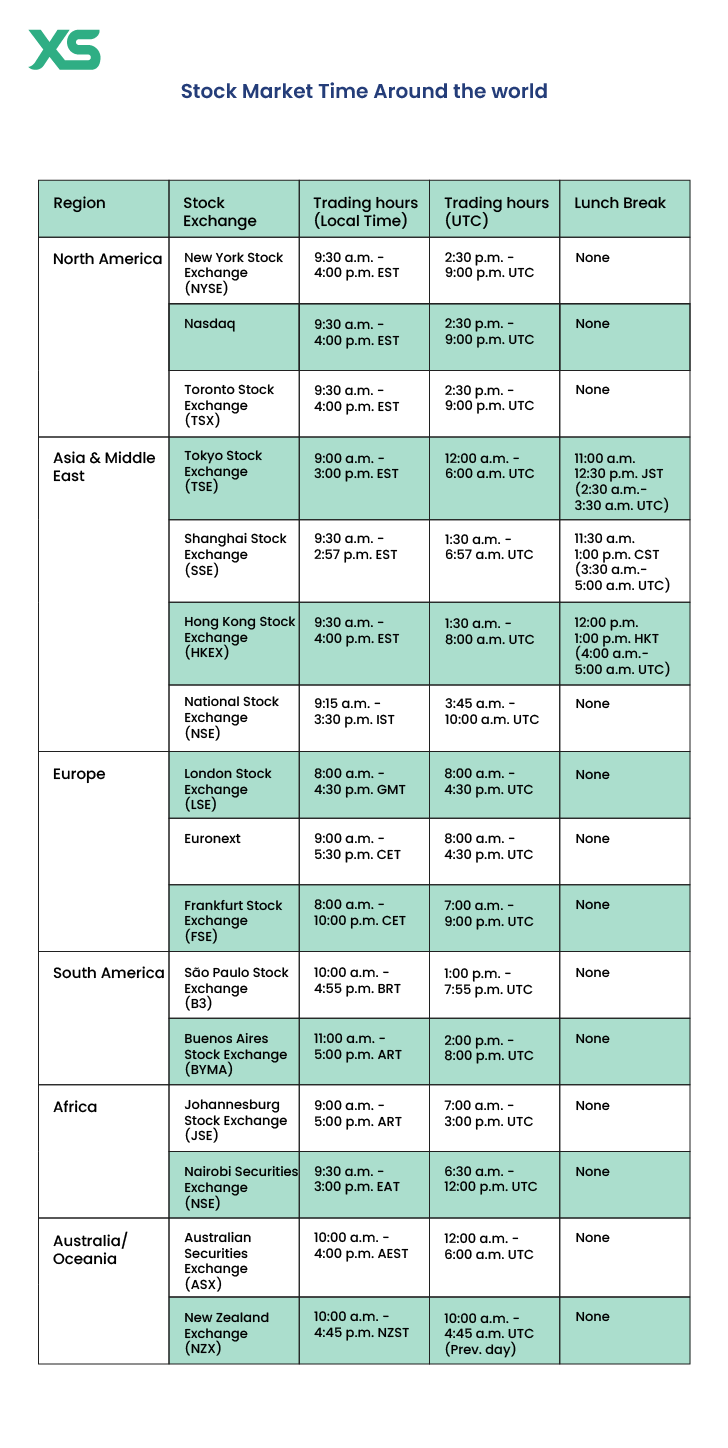
This guide explores the standard operating hours of major financial markets, the nuances of extended-hours trading, and how the timing of the closing bell impacts market psychology and investment strategy.
The Foundation of Timing: Major U.S. Stock Exchange Hours
The heartbeat of global finance resides largely in New York City. The two primary exchanges—the New York Stock Exchange (NYSE) and the NASDAQ—operate on a synchronized schedule that dictates the rhythm for millions of investors worldwide.
The Core Trading Session
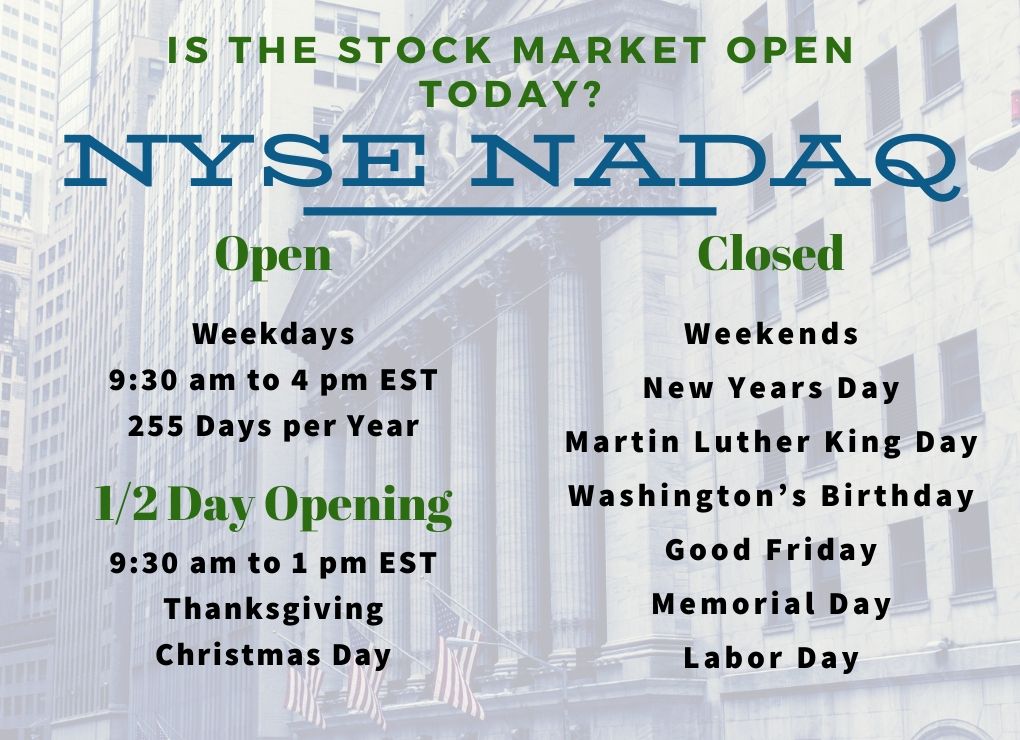
For most individual investors, the “market” is open from 9:30 AM to 4:00 PM Eastern Time (ET), Monday through Friday. This 6.5-hour window is known as the core trading session. During these hours, liquidity is at its peak, meaning there are the highest number of buyers and sellers active in the market. This high volume typically results in tighter bid-ask spreads, allowing investors to enter and exit positions with minimal “slippage” or price discrepancy.
The Significance of the Closing Bell
The 4:00 PM ET closing bell is more than just a ceremonial tradition; it represents a critical data point for the financial industry. The “closing price” of a stock is used to calculate the daily performance of mutual funds, the value of indices like the S&P 500, and the collateral requirements for margin accounts. In the final minutes leading up to the close—often referred to as the “Closing Cross”—high-frequency algorithms and institutional “Market-on-Close” (MOC) orders flood the system to ensure trades are executed at the final price of the day.
Weekend and Holiday Observed Closures
It is equally important to know when the markets are not open. U.S. markets are closed on Saturdays and Sundays. Additionally, they observe major federal holidays, including New Year’s Day, Martin Luther King Jr. Day, Presidents’ Day, Good Friday, Memorial Day, Juneteenth, Independence Day, Labor Day, Thanksgiving, and Christmas. On certain days, such as the day after Thanksgiving (Black Friday) or Christmas Eve, the markets may observe an “early close” at 1:00 PM ET.
Beyond the Bell: The World of Extended-Hours Trading
The digital age has effectively eliminated the physical constraints of the trading floor. While the “floor” may close at 4:00 PM, the electronic networks that power modern finance continue to hum. This is known as extended-hours trading.
Pre-Market Trading Sessions
Many brokerage platforms allow investors to trade before the official opening bell. Pre-market trading in the U.S. generally occurs between 4:00 AM and 9:30 AM ET. However, most retail activity doesn’t pick up until around 8:00 AM ET. Pre-market trading is often driven by overnight news, such as international economic data or early-morning corporate earnings releases.
After-Hours Trading Sessions
The after-hours session begins immediately at 4:00 PM ET and can run until 8:00 PM ET. This is perhaps the most volatile time for individual stocks, as many companies choose to release their quarterly earnings reports shortly after the closing bell. If a company misses its revenue targets, its stock price can plummet in the after-hours market before the general public has a chance to react during the next day’s core session.
Risks and Rewards of Extended Hours
Trading outside of standard hours offers the advantage of reacting to news instantly, but it comes with significant risks. Liquidity is substantially lower, meaning there are fewer participants. This low volume can lead to extreme price swings and “wide spreads,” where the price you pay to buy a stock is significantly higher than the price you would receive to sell it. Most professional financial advisors recommend that retail investors use “limit orders” during these times to avoid being caught in a bad price execution.
Global Perspectives: When Do International Markets Close?
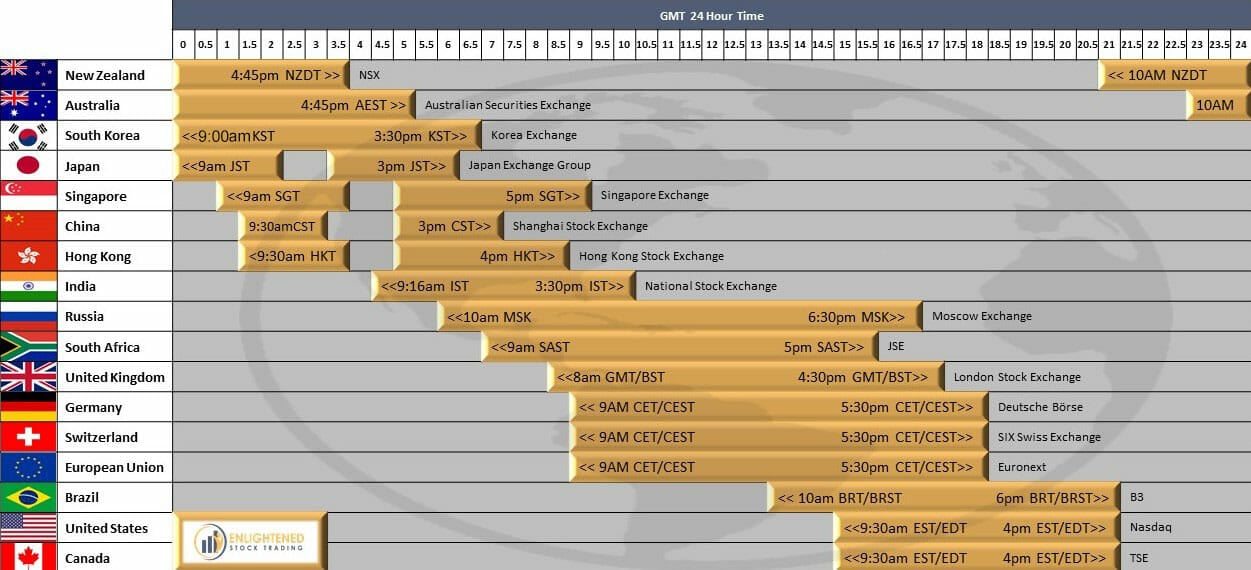
Investing in the modern era is a global endeavor. If you are diversifying your portfolio with international equities or ETFs, you must account for the time zones of the world’s major financial hubs.
European Market Schedules
The London Stock Exchange (LSE), one of the world’s oldest and most influential, typically operates from 8:00 AM to 4:30 PM Greenwich Mean Time (GMT). Other major European bourses, such as the Euronext Paris and the Frankfurt Stock Exchange (DAX), follow similar schedules, usually closing around 5:30 PM Central European Time (CET). For a U.S.-based investor, the European markets are closing just as the U.S. markets are entering their mid-day lull.
The Asian-Pacific Powerhouses
The Asian markets provide the first glimpse into global sentiment for the new calendar day. The Tokyo Stock Exchange (TSE) operates from 9:00 AM to 3:00 PM JST, but with a notable twist: a lunch break. Many Asian markets, including Hong Kong and Shanghai, pause trading for 60 to 90 minutes in the middle of the day. Understanding these breaks is crucial for traders looking to capitalize on price movements in the semiconductor or automotive sectors, which are heavily influenced by Asian production.
The 24/5 and 24/7 Exceptions
While stock markets have rigid closing times, other financial instruments do not. The Foreign Exchange (Forex) market operates 24 hours a day, five days a week, closing only on Friday evening and reopening on Sunday evening. This is because currency demand is constant across every time zone. Meanwhile, the Cryptocurrency market represents the ultimate “no-close” environment, trading 24 hours a day, seven days a week, 365 days a year.
Strategic Timing for the Modern Investor
Knowing when the market closes is the first step; knowing how to use that information to improve your financial outcomes is the second. Market activity follows a predictable “U-shaped” curve of volatility and volume.
The “Power Hour” Phenomenon
The final hour of trading, from 3:00 PM to 4:00 PM ET, is affectionately known as the “Power Hour.” This is when institutional investors—pension funds, hedge funds, and mutual funds—rebalance their portfolios. For the individual investor, the Power Hour often sees the most significant price trends of the day. If a stock has been climbing all day and continues to rise during the Power Hour, it is often a sign of “institutional conviction,” suggesting the trend may continue the following day.
Navigating the Mid-Day Lull
Conversely, the period between 12:00 PM and 2:00 PM ET is often characterized by lower volume and “sideways” price action. Professional traders often refer to this as the “choppy” period. For long-term investors, this is rarely an issue, but for active traders, attempting to enter positions during this lull can lead to frustration as the lack of volume prevents clear price direction.
The Impact of Economic Calendars
Closing times are also affected by the release of government data. Reports like the Non-Farm Payrolls or the Consumer Price Index (CPI) are typically released at 8:30 AM ET, one hour before the market opens. This often causes the pre-market “futures” to fluctuate wildly, setting the tone for what will happen when the closing bell eventually rings later that afternoon.
Conclusion: Why the Clock Matters for Your Money
In the realm of personal finance and investing, the “market close” is more than a deadline—it is a boundary that separates different types of market behavior. By understanding that the most reliable price discovery happens between 9:30 AM and 4:00 PM ET, investors can protect themselves from the volatility of extended-hours trading and the lack of liquidity in overnight sessions.
Whether you are a “buy-and-hold” investor who checks your portfolio once a month or an active participant looking to capitalize on earnings season, respecting the market clock is an essential discipline. Knowing when the markets close allows you to plan your entries, manage your risk, and ultimately navigate the complex world of finance with greater confidence and insight. As the saying goes in the financial world: the market may never sleep, but your strategy certainly shouldn’t ignore the alarm clock.
aViewFromTheCave is a participant in the Amazon Services LLC Associates Program, an affiliate advertising program designed to provide a means for sites to earn advertising fees by advertising and linking to Amazon.com. Amazon, the Amazon logo, AmazonSupply, and the AmazonSupply logo are trademarks of Amazon.com, Inc. or its affiliates. As an Amazon Associate we earn affiliate commissions from qualifying purchases.