
Navigating the operational hours of financial institutions is a fundamental skill in personal and business finance management. While the digital revolution has transformed how we interact with our money, the physical bank branch remains a cornerstone for complex transactions, notary services, and immediate cash needs. Understanding “what time do banks close today” is more than just a logistical query; it is an essential component of strategic financial planning. Whether you are a business owner needing to make a daily deposit or an individual finalizing a mortgage, timing is everything in the world of liquidity and credit.
Understanding Standard Banking Hours and Holiday Schedules
For decades, the phrase “banker’s hours” implied a short, rigid workday, typically from 10:00 AM to 3:00 PM. However, the modern financial landscape has evolved to meet the demands of a 24/7 global economy. Most major retail banks now operate on a more expansive schedule, but consistency remains elusive across different institutions.
The Typical “Banker’s Hours” vs. Modern Reality
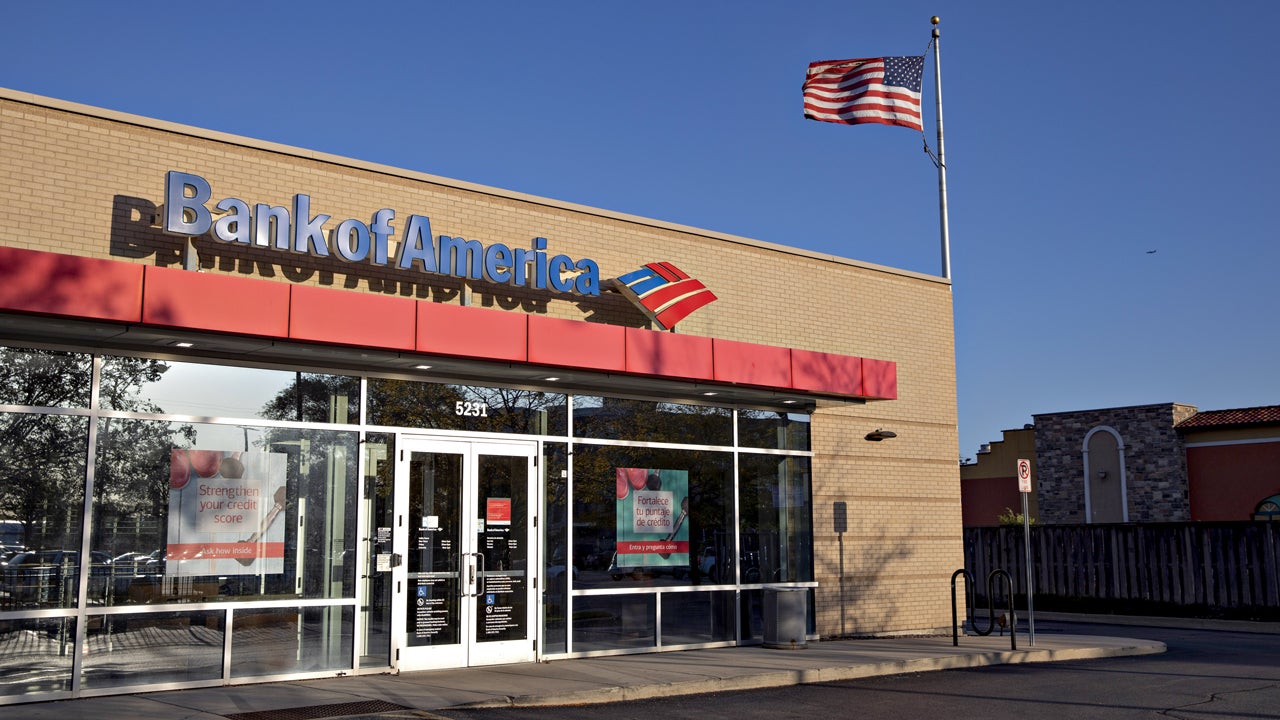
In the current market, most national banks—such as Chase, Bank of America, and Wells Fargo—typically open their doors between 8:00 AM and 9:00 AM and close between 5:00 PM and 6:00 PM on weekdays. Some branches in high-traffic urban areas or retail hubs may stay open until 7:00 PM. On Saturdays, those that are open usually operate on a truncated schedule, often closing by 1:00 PM or 2:00 PM. Sundays remain the standard day of rest for the vast majority of physical banking locations.
Understanding these windows is critical because transactions initiated inside a branch often have different processing priorities than those done via an ATM or mobile app. For example, a check deposited with a teller before the afternoon “cut-off” time is more likely to begin processing the same business day, improving your immediate cash flow.
How Federal Holidays Affect Your Transactions
One of the most common reasons people find themselves locked out of a bank is a failure to account for the Federal Reserve holiday schedule. Because most private banks rely on the Federal Reserve for payment clearing and settlement, they align their closures with the federal calendar.
Key dates to remember include New Year’s Day, Martin Luther King Jr. Day, Presidents’ Day, Memorial Day, Juneteenth, Independence Day, Labor Day, Indigenous Peoples’ Day (Columbus Day), Veterans Day, Thanksgiving Day, and Christmas Day. On these days, physical branches are closed, and the “business day” clock stops. If you initiate a transfer on a Friday preceding a Monday holiday, that transaction may not settle until Tuesday. In the world of finance, this “float” time can impact interest accrual and payment deadlines.
Regional and Institutional Variations in Bank Operations
Not all financial institutions are created equal. Depending on whether you use a massive multinational corporation or a local community credit union, the closing times can vary significantly. Geography also plays a surprising role in how banks manage their doors.
Retail Banks vs. Credit Unions
Retail banks are profit-driven corporations that often have the resources to keep branches open longer. They prioritize convenience to attract a high volume of customers. Conversely, credit unions are member-owned cooperatives. While they often offer better interest rates and lower fees, their physical footprints and operating hours may be more conservative.
Many credit unions close earlier on Fridays or may not open at all on Saturdays. However, many credit unions participate in “shared branching” networks, allowing members to conduct business at other participating credit union locations, which can be a lifesaver if your primary branch is closed.
The Impact of Geographic Location and Time Zones
For individuals and businesses operating across state lines, time zones introduce a layer of complexity. If you are in California trying to wire money to a recipient in New York, you must account for the three-hour time difference. Most East Coast banks close while West Coast banks are still in the middle of their afternoon rush.
Furthermore, banks located inside grocery stores or shopping malls often follow the hours of the host establishment rather than standard corporate banking hours. These “in-store” branches are an excellent resource for those needing financial services after 5:00 PM or on weekends, as they frequently stay open until 7:00 PM or 8:00 PM.
Navigating the Digital Shift: When the Physical Branch is Closed

We live in an era where a closed door does not necessarily mean a closed bank. The rise of fintech and robust mobile banking platforms has decoupled financial services from physical real estate. However, the “digital bank” still operates under the shadow of traditional banking hours.
Maximizing Online and Mobile Banking Features
Most tasks that previously required a trip to the bank—depositing checks, transferring funds, and paying bills—can now be done via a smartphone. Mobile Deposit Capture (MDC) allows you to snap a photo of a check and deposit it instantly. However, the availability of those funds is still tied to the bank’s daily closing time. If you deposit a check via an app at 11:00 PM, it is legally considered a deposit for the next business day.
Advanced financial tools within apps now allow for “real-time” transfers through networks like Zelle or FedNow. Understanding these tools allows you to bypass the frustration of a closed physical branch, provided your transaction doesn’t require a high-limit cash withdrawal or a specialized document.
Understanding Processing Times and “Cut-off” Hours
The “cut-off time” is perhaps the most misunderstood concept in personal finance. Every bank has a specific time—often 2:00 PM, 3:00 PM, or 5:00 PM—after which any transaction is credited to the following business day.
For instance, if your bank closes at 5:00 PM and has a 4:00 PM cut-off for wire transfers, arriving at 4:30 PM means your money won’t move until the next morning. For business owners managing payroll or investors moving capital to meet a margin call, missing this window can have expensive consequences. Always consult your bank’s specific “Funds Availability Policy” to know exactly when your “today” ends.
Strategic Financial Planning: Managing Your Time and Money
Effective money management requires synchronized timing. Integrating your bank’s schedule into your broader financial strategy can prevent late fees, maximize interest, and reduce stress.
Scheduling High-Stakes Transactions
High-stakes transactions, such as closing on a home or sending a large international wire, should never be left for the end of the day. These processes often require multiple levels of verification and “manager overrides.” If you attempt these within an hour of closing, you risk the bank’s internal systems or the Federal Reserve’s wire window (the Fedwire window typically closes at 6:30 PM ET) timing out before your transaction is complete.
Professional financial advisors recommend conducting significant “in-branch” business before 1:00 PM. This provides a buffer for any paperwork errors or additional documentation requests that might arise, ensuring the task is finalized within the same business day.
The Importance of Relationship Banking for Business Owners
For entrepreneurs, the bank’s closing time is a daily deadline. Business accounts often involve higher volumes of cash and more complex merchant services. Building a relationship with your local branch manager can provide flexibility. Known clients may sometimes receive “grace periods” or specialized assistance even as the branch is winding down its daily operations. Moreover, knowing the specific schedule of the night drop-box—and when it is emptied—is vital for businesses that handle significant cash after hours, such as restaurants or retail stores.
Future Trends: Will Physical Banking Hours Become Obsolete?
The trajectory of the financial industry suggests a slow but steady decline in the relevance of traditional banking hours. As technology matures, the “9-to-5” constraint is being challenged by new models of service delivery.
The Rise of 24/7 Digital-First Financial Institutions
Neo-banks and digital-first institutions like Ally, Chime, and SoFi do not have physical branches. Their “closing time” is essentially non-existent. Support is often available 24/7 via chat or phone, and their backend systems are designed for constant uptime. As these institutions capture more market share, traditional banks are being forced to extend their digital support hours and improve their automated systems to compete.

The Hybrid Model: Human Touch in a Digital World
Despite the digital surge, the physical branch is not dying; it is transforming. We are seeing the rise of “Interactive Teller Machines” (ITMs), which look like ATMs but allow you to video-chat with a live teller. These machines often operate for several hours after the main branch lobby has closed. This hybrid model offers the best of both worlds: the efficiency of technology and the problem-solving capability of a human being.
In conclusion, while the question “what time do banks close today” may seem simple, the answer is deeply intertwined with the mechanics of the global financial system. By understanding standard hours, recognizing the impact of cut-off times, and leveraging digital alternatives, you can ensure that your financial life remains fluid, regardless of whether the bank’s lights are on or off. Being proactive rather than reactive with your banking schedule is a hallmark of sound financial health.
aViewFromTheCave is a participant in the Amazon Services LLC Associates Program, an affiliate advertising program designed to provide a means for sites to earn advertising fees by advertising and linking to Amazon.com. Amazon, the Amazon logo, AmazonSupply, and the AmazonSupply logo are trademarks of Amazon.com, Inc. or its affiliates. As an Amazon Associate we earn affiliate commissions from qualifying purchases.