
For both novice and seasoned investors, understanding the operational hours of the stock market is far more nuanced than a simple glance at a clock. While the seemingly straightforward question “what time do stocks close?” might elicit a quick answer for the major U.S. exchanges, a deeper dive reveals a complex ecosystem of trading periods, global markets, and strategic considerations that impact every investment decision. The rhythm of the market, dictated by these hours, influences everything from immediate price reactions to long-term portfolio management. Navigating this landscape requires not just knowing the clock times, but appreciating the dynamics of pre-market, after-hours, and international trading sessions. This article will unravel the intricacies of stock market closing times, offering an insightful look into how these schedules shape the world of investing and what they mean for your financial strategy.
Understanding Standard Stock Market Trading Hours
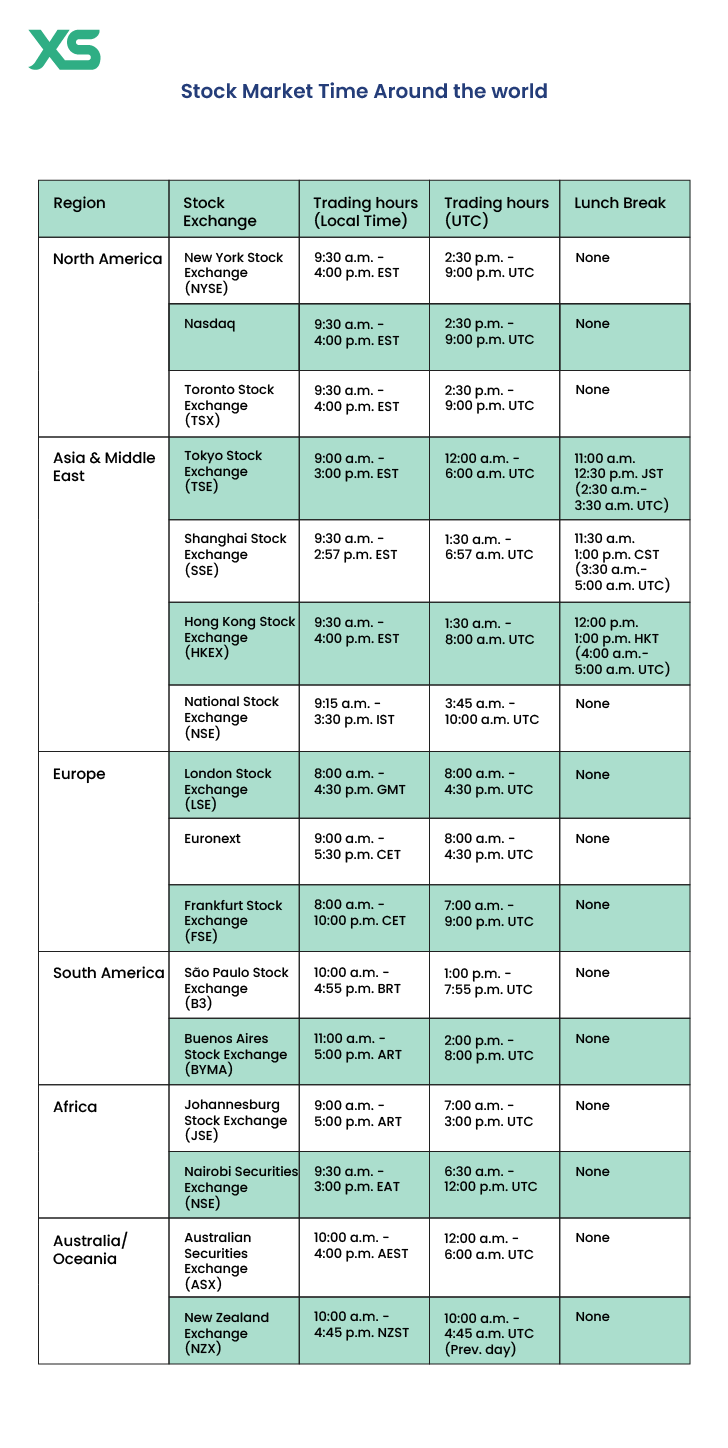
The cornerstone of understanding stock market operations lies in grasping the standard trading hours of the world’s most influential exchanges. For most retail investors, the focus primarily rests on the major U.S. markets.
The New York Stock Exchange (NYSE) and NASDAQ
In the United States, the two most prominent stock exchanges are the New York Stock Exchange (NYSE) and the NASDAQ. Both operate on remarkably similar schedules, adhering to conventional business hours to facilitate broad participation and maintain market stability. The standard trading session for both the NYSE and NASDAQ runs from 9:30 AM Eastern Time (ET) to 4:00 PM ET, Monday through Friday. This six-and-a-half-hour window is often referred to as “regular trading hours” or “market hours.” During this period, the vast majority of trading volume occurs, characterized by high liquidity and tighter bid-ask spreads, making it the most efficient time for buying and selling securities.
The NYSE, known for its iconic trading floor and listing of many of the world’s largest companies, and the NASDAQ, a fully electronic exchange synonymous with technology and growth stocks, both close their doors to standard trading at 4:00 PM ET. This synchronized closing is crucial for price discovery and allows for a standardized end-of-day valuation for all listed securities. While the image of a closing bell might be more associated with the NYSE, the practical implication for investors on both exchanges is the cessation of regular trading activity.
Time Zones and Their Impact
The concept of “closing time” becomes significantly more complex when considering the global nature of finance and the various time zones involved. While U.S. markets adhere to Eastern Time, investors or companies operating from different time zones must constantly adjust their perspectives. For instance, an investor on the West Coast of the U.S. (Pacific Time) would see the markets open at 6:30 AM PT and close at 1:00 PM PT. Similarly, someone in London (GMT) would observe the U.S. markets opening in the early afternoon and closing late in the evening.
This time zone differential is not just a matter of convenience; it has practical implications. Investors need to be acutely aware of their local time relative to market hours to avoid missing opportunities or placing orders outside of their intended trading windows. Brokerage platforms typically display market hours in the user’s local time zone, but understanding the underlying ET schedule remains fundamental, especially when interpreting news or economic data released during off-hours. Furthermore, significant market-moving news often breaks outside of U.S. regular trading hours, requiring investors to understand how these events might influence pre-market or after-hours trading sessions, which we will explore next.
Weekend and Holiday Closures
Beyond the daily closing time, stock markets also observe specific days when trading does not occur. Weekends are universally recognized as non-trading days for standard market operations, providing a necessary pause for investors and market participants. Saturdays and Sundays are generally dedicated to analysis, planning, and preparation for the week ahead, with no public trading sessions.
In addition to weekends, U.S. stock exchanges follow a calendar of federal holidays, during which markets are closed. These holidays typically include:
- New Year’s Day
- Martin Luther King, Jr. Day
- Presidents’ Day
- Good Friday (often, though not a federal holiday)
- Memorial Day
- Juneteenth National Independence Day
- Independence Day
- Labor Day
- Thanksgiving Day
- Christmas Day
Occasionally, if a holiday falls on a weekend, the market may observe it on the preceding Friday or following Monday. It’s crucial for investors to consult the official exchange calendars (NYSE and NASDAQ publish these annually) to stay informed about specific closures and half-day trading sessions, which sometimes occur on days preceding major holidays like Christmas Eve or the day after Thanksgiving. These closures can impact liquidity and the timing of settlement for trades, making awareness essential for financial planning.
Beyond Standard Hours: Pre-Market and After-Hours Trading
While 4:00 PM ET marks the end of standard trading, the market’s pulse doesn’t entirely cease. A significant volume of activity occurs outside these regular hours, presenting both opportunities and challenges for investors.
The Mechanics of Extended Hours Trading
Extended hours trading refers to the periods before the market officially opens (pre-market) and after it officially closes (after-hours).
- Pre-market trading typically runs from 4:00 AM ET to 9:30 AM ET.
- After-hours trading usually extends from 4:00 PM ET to 8:00 PM ET.
These periods are facilitated by electronic communication networks (ECNs) rather than the traditional exchange floors. ECNs match buy and sell orders directly, bypassing market makers that are typically active during regular hours. This system allows investors to react to news and events that occur outside of standard market hours, such as earnings reports released after the market closes or overnight global economic data. However, it’s important to note that not all brokers offer the full range of these extended hours, and access can vary. Most retail investors typically have access to shorter pre-market and after-hours windows, often starting around 7:00 AM ET and ending around 6:00 PM ET.
Advantages for Investors
Extended hours trading offers several distinct advantages, particularly for active traders and those looking to capitalize on immediate reactions to news:
- Rapid Response to News: Key company announcements, such as quarterly earnings reports or FDA approvals, are frequently released before the market opens or after it closes. Extended hours allow investors to buy or sell based on this news without waiting for the next regular trading session, potentially capturing significant price movements.
- Flexibility: For investors with demanding day jobs or those in different time zones, extended hours provide a wider window to manage their portfolios without disrupting their daily schedules.
- Anticipation of Regular Market Opening: Pre-market activity can serve as an indicator of how a stock might perform once the regular market opens, allowing traders to position themselves strategically. Strong pre-market performance, for example, might suggest continued upward momentum.
Risks and Considerations
Despite the advantages, extended hours trading comes with inherent risks that investors must carefully consider:
- Lower Liquidity: Fewer participants typically trade during extended hours, leading to lower trading volumes. This reduced liquidity can result in wider bid-ask spreads, making it more expensive to enter or exit positions. It can also be challenging to execute large orders without significantly impacting the stock price.
- Higher Volatility: Due to lower liquidity and the immediate reaction to news, stock prices can be more volatile and experience more dramatic swings during pre-market and after-hours sessions. This heightened volatility increases the risk of significant gains or losses.
- Price Disparity: The prices observed during extended hours may not always reflect the prices at which a stock will trade once the regular market opens. Price movements can reverse dramatically as more participants enter the market during standard hours.
- Limited Order Types: Some advanced order types (e.g., stop orders) may not be available or function differently during extended hours, requiring investors to use market orders or limit orders, which carry their own risks.
- Competition with Institutional Investors: A significant portion of extended hours trading is driven by institutional investors and professional traders with access to sophisticated tools and information, potentially putting retail investors at a disadvantage.
Understanding these risks is paramount. Investors participating in extended hours trading should generally use limit orders to control the price at which their trades are executed, mitigating the risk of adverse price movements due to low liquidity.
Global Markets: A 24/7 Perspective
While U.S. markets have specific closing times, the global nature of finance means that somewhere in the world, a stock market is almost always open. This continuous cycle of trading underscores the interconnectedness of international economies and offers a truly 24/7 investment landscape.
Major International Stock Exchanges and Their Schedules
Different countries host major stock exchanges, each with its own operating hours, generally aligning with local business days and time zones. Here’s a brief overview of some key global exchanges and their approximate local trading hours:
- Asia:
- Tokyo Stock Exchange (TSE): 9:00 AM – 3:00 PM JST (Japan Standard Time), with a lunch break.
- Shanghai Stock Exchange (SSE): 9:30 AM – 3:00 PM CST (China Standard Time), with a lunch break.
- Hong Kong Stock Exchange (HKEX): 9:30 AM – 4:00 PM HKT (Hong Kong Time), with a lunch break.
- Europe:
- London Stock Exchange (LSE): 8:00 AM – 4:30 PM GMT (Greenwich Mean Time).
- Euronext (Paris, Amsterdam, Brussels, Lisbon): 9:00 AM – 5:30 PM CET (Central European Time).
- Deutsche Börse (Frankfurt): 9:00 AM – 5:30 PM CET.
- North America (beyond U.S.):
- Toronto Stock Exchange (TSX): 9:30 AM – 4:00 PM ET.
- Australia:
- Australian Securities Exchange (ASX): 10:00 AM – 4:00 PM AEDT (Australian Eastern Daylight Time) / AEST (Australian Eastern Standard Time).
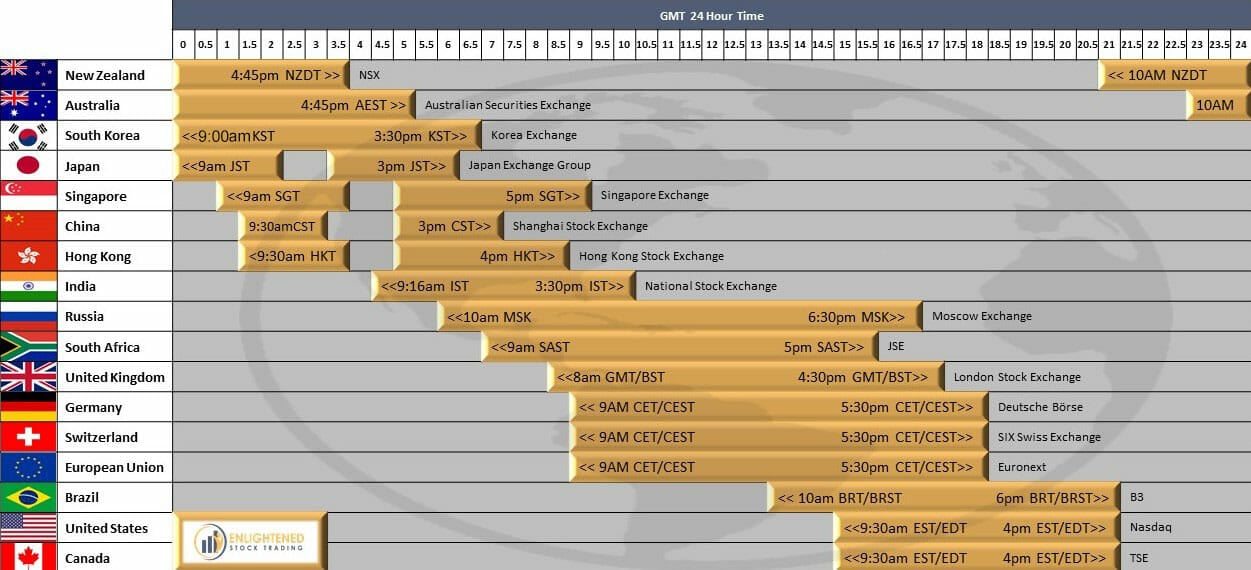
These varied schedules mean that as one major market closes, another is typically opening or already well into its trading day. This creates a continuous flow of trading activity around the clock.
The Interconnectedness of Global Trading
The closing of one major market often has a ripple effect on others, highlighting the profound interconnectedness of global trading. For instance, strong or weak performance on Asian markets overnight can influence the sentiment and opening prices of European markets, which in turn can set the tone for North American markets later in the day.
- News Dissemination: Economic data, geopolitical events, and corporate news released during off-hours in one region can significantly impact stock prices globally as different markets open and react.
- Currency Fluctuations: The foreign exchange market (Forex), which operates 24/5, continuously influences cross-border investment and the valuation of international assets.
- Commodity Prices: Global commodity markets (oil, gold, etc.) also trade around the clock, with their price movements impacting companies and economies worldwide, regardless of local stock market hours.
This interconnectedness means that even when U.S. stock markets are closed, significant events can unfold that will directly influence how they behave upon reopening. Investors with international exposure or those trading global ETFs need to pay attention to these broader market dynamics.
Arbitrage Opportunities and Overnight Risks
The varying closing times and continuous flow of global news can create both arbitrage opportunities and significant overnight risks for investors.
- Arbitrage Opportunities: Discrepancies in pricing for dually listed stocks (companies listed on multiple exchanges) can sometimes emerge as different markets react to news at different times. Sophisticated traders may attempt to profit from these temporary price differences. However, these opportunities are often fleeting and require rapid execution and substantial capital.
- Overnight Risks: For investors holding positions in U.S. stocks, the period when U.S. markets are closed but global markets are active is known as “overnight risk.” During this time, major international events, economic crises, or significant news pertaining to a company can occur, causing the stock’s value to gap up or down significantly when the U.S. market reopens. This risk is amplified for companies with substantial international operations or those sensitive to global economic trends.
Managing overnight risk often involves setting stop-loss orders (though these may not always be effective in highly volatile overnight moves) or reducing position sizes before market close if significant news is anticipated. Understanding the global market schedule is therefore not just an academic exercise but a critical component of risk management and strategic investing.
Factors Influencing Trading Hours and Market Operations
While standard closing times provide a predictable framework, several factors underpin and occasionally alter these market operations. These include regulatory bodies, technological advancements, and mechanisms designed to manage extreme market volatility.
Regulatory Frameworks and Exchange Rules
The specific opening and closing times, as well as rules for extended-hours trading, are not arbitrary; they are meticulously defined and enforced by regulatory bodies and the exchanges themselves. In the U.S., the Securities and Exchange Commission (SEC) plays a crucial oversight role, working in conjunction with self-regulatory organizations like FINRA and the exchanges (NYSE, NASDAQ) to ensure fair and orderly markets.
- Standardization: Regulators establish parameters to standardize trading hours across major exchanges, promoting transparency and preventing fragmentation that could disadvantage investors.
- Investor Protection: Rules regarding disclosures, order types, and trade settlement are designed to protect investors and maintain market integrity, particularly during periods of lower liquidity like extended hours.
- Market Stability: Decisions on holiday closures or potential emergency closures are often made with a view toward market stability and systemic risk management. Regulatory bodies can intervene to halt trading in extreme circumstances, as seen during major crises or natural disasters.
These frameworks evolve, adapting to new technologies and market challenges, always with the goal of balancing market efficiency with investor safety.
Technological Advancements and Automation
Technology has profoundly reshaped how and when stocks are traded. Historically, trading was a manual, floor-based operation with strict human-dictated hours. Today, electronic trading systems and automation have extended market access beyond these confines.
- Electronic Communication Networks (ECNs): These automated systems are the backbone of pre-market and after-hours trading, matching buy and sell orders without human intervention. This automation allows for continuous trading even when traditional market makers are inactive.
- Algorithmic Trading: High-frequency trading (HFT) and other algorithmic strategies leverage technology to execute trades at lightning speeds, influencing liquidity and price discovery across all trading sessions, including extended hours.
- Global Connectivity: Advanced network infrastructure enables seamless communication and transaction processing across international borders, linking markets and facilitating cross-border investment around the clock.
These technological leaps have pushed the boundaries of traditional “closing times,” blurring the lines between active and inactive market periods and enabling a more interconnected global financial system.
Market Volatility and Circuit Breakers
In periods of extreme market stress, mechanisms exist to temporarily halt trading, irrespective of scheduled closing times. These are known as circuit breakers.
- Purpose: Circuit breakers are designed to slow down rapid market declines, prevent panic selling, and provide investors with a brief pause to reassess conditions and absorb information.
- Levels: For U.S. equities, circuit breakers are tiered at 7%, 13%, and 20% declines in the S&P 500 index during a single trading day.
- A Level 1 (7%) or Level 2 (13%) drop before 3:25 PM ET triggers a 15-minute trading halt. After 3:25 PM ET, these levels do not trigger halts.
- A Level 3 (20%) drop at any time during the trading day results in a market closure for the remainder of the day.
While rare, these mechanisms underscore that market closing times are not absolute in the face of extraordinary volatility. They represent an essential safeguard against systemic collapse, demonstrating that the market’s stability can, at times, override its operational schedule.
Strategic Implications for Investors
Understanding when stocks close and the dynamics of various trading periods is more than just a logistical detail; it forms a critical component of a well-rounded investment strategy.
How Closing Times Affect Investment Decisions
The timing of market closures has several direct implications for investment decision-making:
- Liquidity and Execution: During standard trading hours, high liquidity ensures that large orders can be executed efficiently with minimal price impact. Outside these hours, lower liquidity can make it harder to get the desired price, especially for larger trades, impacting the effectiveness of entry and exit strategies.
- Information Dissemination: Knowing when major news sources typically release information (e.g., earnings after market close, economic reports before market open) influences when investors choose to act. Reacting too early or too late can lead to missed opportunities or sub-optimal pricing.
- Risk Management: Investors must consider the “overnight risk” associated with holding positions when the U.S. market is closed. Unexpected global events or news releases can significantly affect a stock’s opening price the next day, leading to potential gaps that can bypass stop-loss orders.
- Trade Settlement: The closing time dictates when trades officially settle. In the U.S., most stock trades settle on a T+2 basis (trade date plus two business days). Understanding this timeline is crucial for managing cash flows and avoiding failed settlements, especially around holidays.
The Role of News and Earnings Announcements
The interplay between news, earnings, and market hours is particularly critical. Companies strategically schedule the release of their quarterly earnings reports and other significant news (e.g., mergers, product launches, regulatory approvals) outside of regular trading hours.
- Pre-Market Reactions: News released before the market opens often leads to substantial price movements in pre-market trading as investors and algorithms digest the information and position themselves.
- After-Hours Reactions: Similarly, post-market news can trigger immediate and sometimes dramatic shifts in a stock’s value during after-hours trading.
- Regular Market Impact: The cumulative effect of pre-market and after-hours trading, fueled by news, often determines a stock’s opening price and initial trajectory when the regular market resumes. Investors who can accurately anticipate or quickly react to this information gain a significant edge.
Successful investors often develop strategies to monitor news feeds and earnings calendars, preparing their responses both within and outside standard market hours.

Tools and Platforms for Monitoring Market Hours
Modern financial technology provides investors with a wealth of tools to navigate the complexities of market hours:
- Brokerage Platforms: Most online brokerage platforms clearly display real-time market status (open, closed, pre-market, after-hours) and allow for extended-hours trading. They often provide access to company news feeds and earnings calendars.
- Financial News Websites: Major financial news outlets (e.g., Bloomberg, Wall Street Journal, Reuters, CNBC) offer comprehensive coverage, real-time market data, and often specific sections for pre-market and after-hours movers.
- Investing Apps: Many mobile investing applications provide push notifications for market openings/closings, significant news, and portfolio updates, keeping investors informed on the go.
- Economic Calendars: Websites dedicated to economic data provide calendars of upcoming economic reports (inflation, unemployment, GDP) and central bank announcements, indicating their release times and potential market impact.
- Exchange Official Websites: For precise holiday schedules and rule changes, the official websites of exchanges like the NYSE and NASDAQ are the definitive sources.
Leveraging these tools effectively empowers investors to stay informed, make timely decisions, and manage their portfolios proactively, regardless of the fluctuating market clock. Understanding “what time do stocks close” transforms from a simple inquiry into a foundational piece of knowledge that informs every aspect of an intelligent investment strategy in the dynamic world of finance.
aViewFromTheCave is a participant in the Amazon Services LLC Associates Program, an affiliate advertising program designed to provide a means for sites to earn advertising fees by advertising and linking to Amazon.com. Amazon, the Amazon logo, AmazonSupply, and the AmazonSupply logo are trademarks of Amazon.com, Inc. or its affiliates. As an Amazon Associate we earn affiliate commissions from qualifying purchases.