
For investors residing in the Central Time Zone, understanding the precise opening and closing times of major stock markets is not merely a matter of curiosity, but a critical component of effective trading strategy and portfolio management. While the financial world often defaults to Eastern Time (ET) for market hours, converting these times to your local Central Time (CT) is essential for timely decision-making, reacting to news, and executing trades with precision. This comprehensive guide will demystify stock market hours, specifically tailored for the Central Time investor, exploring the standard trading sessions, the opportunities and risks of extended hours, and the vital role of market holidays.
Navigating the financial markets requires more than just knowing what to invest in; it demands an acute awareness of when to act. Whether you’re a day trader, a long-term investor, or simply someone managing their retirement fund, aligning your understanding of market mechanics with your local time zone ensures you’re never caught off guard by a market opening bell or a closing buzzer. Let’s delve into the specifics, ensuring every Central Time investor is equipped with the knowledge to thrive.
Demystifying Standard Stock Market Hours
The core of daily stock market activity revolves around the standard trading session. These are the hours when the vast majority of trades occur, liquidity is highest, and volatility is typically within expected ranges. Understanding these fundamental hours, and how they translate to Central Time, is the bedrock of informed investing.
The Core Trading Session (9:30 AM – 4:00 PM ET)
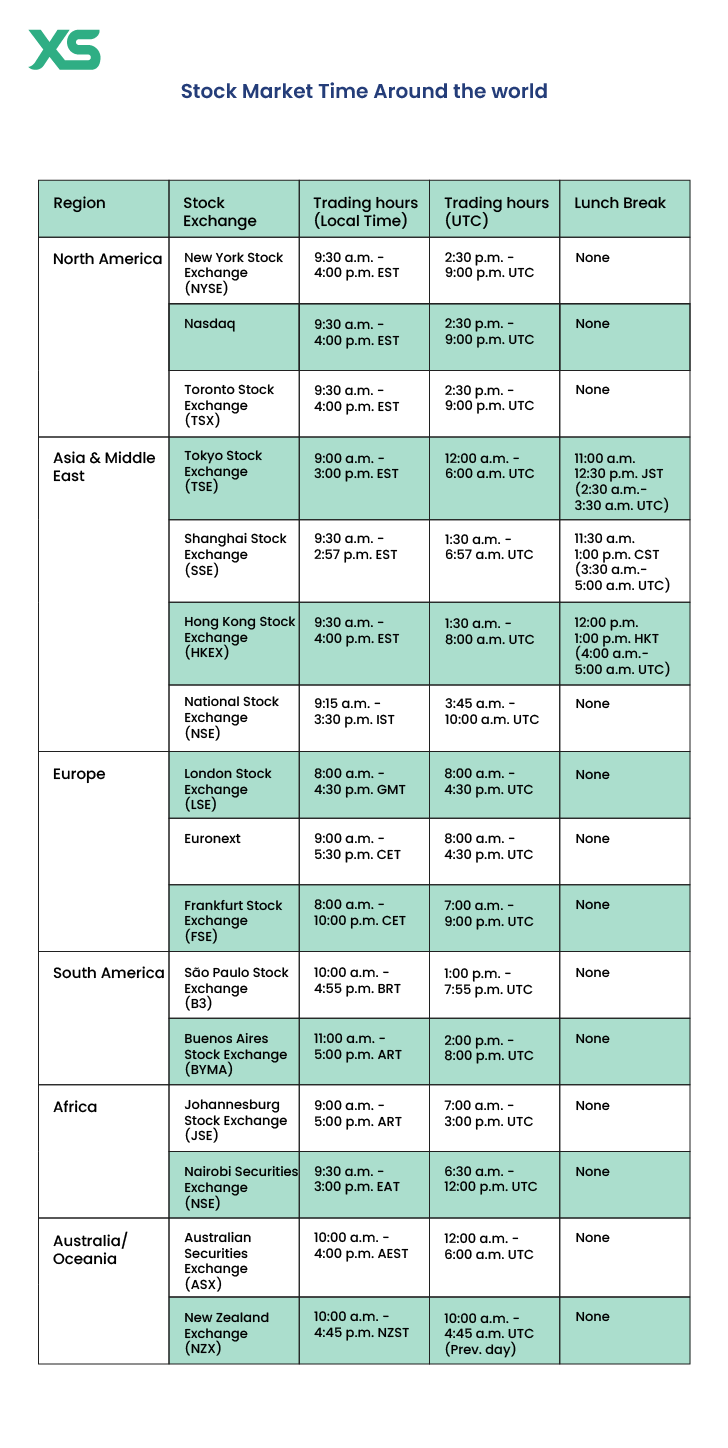
The two primary stock exchanges in the United States, the New York Stock Exchange (NYSE) and the Nasdaq Stock Market (NASDAQ), both operate on a standard schedule from 9:30 AM to 4:00 PM Eastern Time. This seven-and-a-half-hour window is often referred to as the “regular trading session” or “core market hours.” During this period, millions of shares change hands, companies release significant announcements, and market sentiment unfolds.
These hours are standardized across these major exchanges to provide a consistent trading environment for all participants. The opening bell often sees a surge in activity as investors react to overnight news, economic data released before the market opens, or pre-market trading trends. Similarly, the closing bell can be a period of heightened activity as traders adjust positions or close out trades before the market shuts down for the day.
Translating to Central Time (8:30 AM – 3:00 PM CT)
For individuals, businesses, and financial professionals located in the Central Time Zone, the translation from Eastern Time is straightforward: simply subtract one hour.
Therefore, the U.S. stock markets open at 8:30 AM Central Time (CT) and close at 3:00 PM Central Time (CT).
This means that if you’re in Chicago, Dallas, New Orleans, or any other location within the Central Time Zone, your trading day begins an hour earlier by your local clock than it would for someone in New York. This distinction is crucial for scheduling, real-time decision-making, and participating in the market’s most liquid period.
Why Central Time Matters for Local Investors
The seemingly simple act of subtracting an hour carries significant practical implications. For one, it dictates when a Central Time investor can physically engage with their brokerage platform during peak hours. If a critical earnings report is released at 8:00 AM ET, a Central Time investor knows they have a full 30 minutes before their local market opens at 8:30 AM CT to digest the information and formulate a strategy.
Furthermore, business finance teams operating in the Central Time Zone need to align their internal reporting, treasury management, and investment decisions with these hours. Brokerage firms, financial advisors, and news outlets serving a Central Time audience often communicate these hours explicitly to avoid confusion. Failing to recognize the CT conversion could lead to missed opportunities, delayed reactions to market-moving news, or even erroneous trade executions if one miscalculates the market’s operational window.
Beyond Standard Hours: Pre-Market and After-Hours Trading
While the core trading session dominates, the stock market’s activity isn’t confined to those specific seven-and-a-half hours. A substantial amount of trading also occurs during “extended hours” – the periods before the market officially opens (pre-market) and after it closes (after-hours). These sessions offer flexibility but come with their own set of characteristics and risks.
Pre-Market Trading (Typically 4:00 AM – 9:30 AM ET / 3:00 AM – 8:30 AM CT)
Pre-market trading allows investors to buy and sell stocks before the regular market opens. While official pre-market hours can vary by brokerage, they typically begin as early as 4:00 AM ET, extending right up to the 9:30 AM ET opening bell. For Central Time investors, this translates to activity starting as early as 3:00 AM CT and continuing until 8:30 AM CT.
The primary purpose of pre-market trading is to allow investors to react to news that breaks overnight or before the market officially opens. This often includes international market movements, company earnings reports released before trading hours, or significant economic data. However, pre-market sessions are generally characterized by lower liquidity (fewer buyers and sellers), wider bid-ask spreads, and potentially higher volatility, making it a more challenging environment for some traders. Prices can fluctuate dramatically on relatively small trading volumes.
After-Hours Trading (Typically 4:00 PM – 8:00 PM ET / 3:00 PM – 7:00 PM CT)
Conversely, after-hours trading takes place once the regular session concludes. This period typically runs from 4:00 PM ET until 8:00 PM ET. For Central Time investors, this means after-hours activity spans from 3:00 PM CT to 7:00 PM CT.
Similar to pre-market, after-hours trading is often driven by breaking news, particularly quarterly earnings reports that many companies release immediately after the market closes. It provides an avenue for investors to react quickly to these announcements without waiting until the next trading day. The characteristics of after-hours trading largely mirror those of pre-market: reduced liquidity, wider spreads, and heightened volatility. Only a subset of stocks may be actively traded, and order types might be limited.
Strategic Considerations for Extended Hours
Participating in extended-hours trading requires a keen understanding of its dynamics. On one hand, it offers the advantage of immediate reaction to news, potentially allowing investors to capitalize on early price movements or mitigate losses. It can be particularly useful for institutional investors or active traders who need to manage positions outside standard hours.
On the other hand, the reduced liquidity and increased volatility pose significant risks. It’s often harder to execute large orders without impacting the price, and price discovery can be less efficient. Individual investors using extended hours should be aware that the prices seen in these sessions may not reflect the prices available once the regular market opens. Many financial advisors suggest caution for novice investors, recommending that they stick to core market hours where liquidity and price stability are generally higher. Always check your brokerage firm’s specific rules and capabilities for extended-hours trading.
Market Holidays and Early Closures
While most weeks feature five full trading days, the stock market does observe a number of holidays throughout the year, during which it remains closed. Additionally, there are instances of early closures that shorten the trading day. Being aware of these exceptions is crucial for planning your trading and investment activities.
Key US Stock Market Holidays
The major U.S. stock exchanges (NYSE and NASDAQ) observe a consistent calendar of holidays. On these days, the markets are fully closed, meaning no regular trading, pre-market, or after-hours trading occurs. These typically include:

- New Year’s Day (January 1)
- Martin Luther King, Jr.’s Birthday (Third Monday in January)
- Presidents’ Day (Third Monday in February)
- Good Friday (Varies, typically March or April)
- Memorial Day (Last Monday in May)
- Juneteenth National Independence Day (June 19)
- Independence Day (July 4)
- Labor Day (First Monday in September)
- Thanksgiving Day (Fourth Thursday in November)
- Christmas Day (December 25)
If a holiday falls on a Saturday or Sunday, the market often observes it on the preceding Friday or succeeding Monday, respectively. For Central Time investors, this simply means that on these dates, their trading day effectively remains shut.
Understanding Early Closures
In addition to full holidays, the stock market sometimes observes early closures, particularly around major holidays. The most common examples include:
- The day after Thanksgiving (Black Friday): The market often closes early, typically at 1:00 PM ET (12:00 PM CT).
- Christmas Eve: If Christmas Eve falls on a weekday, the market often closes early, typically at 1:00 PM ET (12:00 PM CT).
- New Year’s Eve: Similarly, if New Year’s Eve falls on a weekday, the market may close early.
These early closures significantly shorten the trading day, impacting liquidity and potentially increasing volatility in the condensed session. They are important to note, especially for day traders or those expecting to make transactions late in the afternoon.
Planning Around Non-Standard Trading Days
For every investor, regardless of time zone, it is imperative to consult the official market holiday calendar at the beginning of each year or whenever planning significant transactions. Most brokerage platforms and financial news websites provide easily accessible calendars detailing these closures and early dismissals.
Failing to account for a market holiday could lead to frustration if you attempt to place a trade on a closed day or miss a critical window due to an unexpected early closure. For Central Time investors, simply knowing that the market is closed or closing early is the key. While the specific hours might change, the principle remains: check the calendar, adjust your expectations, and plan your trading strategy accordingly to avoid any missteps.
The Impact of Time Zones on Investment Strategy
Beyond the simple conversion of hours, the geographical separation inherent in time zones can subtly, yet significantly, influence an investor’s strategy and operational rhythm. For those in the Central Time Zone, understanding these broader impacts can refine their approach to the market.
Local News and Market Reactions
News flow is continuous, but market reaction is time-bound. A major economic report released at 7:30 AM ET means a Central Time investor wakes up to a market that is already processing this news for an hour before their local market even opens at 8:30 AM CT. Conversely, a company in the Central Time Zone might release earnings after their local market closes at 3:00 PM CT, but while the Eastern Time market is still open until 4:00 PM ET. This gives ET investors a slight advantage in reacting immediately.
Central Time investors must develop a routine that accounts for this lag or advance. Subscribing to news alerts that factor in time zones, or setting up personal reminders for key data releases relative to CT, can help bridge this gap. Being proactive in checking pre-market news and sentiment is particularly important.
Brokerage Support and Customer Service
While most major online brokerages offer 24/7 digital access, their live customer support and specialized desks often operate during extended business hours, which are typically aligned with Eastern Time. A Central Time investor might find that “late afternoon” support ends by 4:00 PM CT if the brokerage’s New York office closes at 5:00 PM ET. This is an important consideration for urgent inquiries or technical issues, especially during core trading hours. Knowing the operational hours of your brokerage’s support in relation to your own time zone can prevent frustration.
Global Market Interconnectedness
While this article focuses on U.S. markets, it’s worth noting that the global financial landscape never truly sleeps. When U.S. markets are closed (4:00 PM ET / 3:00 PM CT onwards), markets in Asia (e.g., Tokyo, Shanghai) and Europe (e.g., London, Frankfurt) are either opening or in full swing. Significant events in these markets can influence U.S. stock futures and create momentum that carries into the U.S. pre-market session the next day.
For sophisticated Central Time investors with an international outlook, understanding the overlap and sequence of global market hours can provide an early indication of potential trends affecting their U.S. portfolio. While not directly impacting U.S. market opening times, this global context provides valuable background for understanding pre-market movements.
Practical Tips for Central Time Investors
Successfully integrating market hours into your investment routine requires more than just knowing the numbers; it demands practical application. Here are some actionable tips for Central Time investors.
Set Up Alerts and Reminders
Leverage technology to your advantage. Most smartphone calendar apps allow you to set recurring daily or weekly reminders. Set a reminder for 8:30 AM CT (market open) and 3:00 PM CT (market close). If you’re actively trading, consider alerts for key news releases or economic data points that are often scheduled for specific times, translating them to your CT schedule. Many financial news apps also offer customizable push notifications for market openings, closings, and major events.
Utilize Brokerage Platforms
Your online brokerage platform is a powerful tool. Most platforms display the current market status (open/closed) and often provide countdown timers to the next opening or closing bell, sometimes even adjusting for your local time zone. Familiarize yourself with these features. Some platforms also allow you to place “good till cancelled” (GTC) orders that remain active across multiple days, alleviating the pressure of needing to execute trades precisely at market open or close every day.
Develop a Consistent Routine
Consistency is key in investing. Establish a daily routine that aligns with market hours. For a Central Time investor, this might mean checking key financial news and pre-market futures sometime between 7:00 AM CT and 8:30 AM CT, conducting active trading during the 8:30 AM CT to 3:00 PM CT window, and reviewing portfolio performance and any after-hours news after 3:00 PM CT. A predictable routine helps manage cognitive load and ensures you’re prepared for whatever the market brings.

Conclusion
Understanding “what time do stock markets open Central Time” is far more than a simple time zone conversion; it’s a foundational element of a well-informed and disciplined investment approach. For those in the Central Time Zone, the U.S. stock markets open at 8:30 AM CT and close at 3:00 PM CT for their regular trading session. Supplementing this core knowledge with an awareness of pre-market and after-hours trading, navigating market holidays and early closures, and recognizing the broader impact of time zones on strategy are all critical components of financial literacy.
By integrating these insights into your daily routine, utilizing the tools at your disposal, and maintaining a proactive stance, Central Time investors can ensure they are always synchronized with the heartbeat of the market. Informed decision-making, coupled with a clear understanding of when and how the market operates, empowers you to optimize your investment strategy and pursue your financial goals with confidence and precision.
aViewFromTheCave is a participant in the Amazon Services LLC Associates Program, an affiliate advertising program designed to provide a means for sites to earn advertising fees by advertising and linking to Amazon.com. Amazon, the Amazon logo, AmazonSupply, and the AmazonSupply logo are trademarks of Amazon.com, Inc. or its affiliates. As an Amazon Associate we earn affiliate commissions from qualifying purchases.