
Understanding the operating hours of stock markets is more than just a matter of curiosity for investors; it’s a fundamental aspect of effective financial planning, risk management, and strategic decision-making. For many, the iconic image of the opening and closing bells on Wall Street symbolizes the beginning and end of the trading day. However, the intricacies of market hours extend far beyond these simple traditions, encompassing pre-market and after-hours trading, holiday schedules, and the continuous flow of global markets. This comprehensive guide will delve into the nuances of stock market hours, providing insights crucial for both novice and experienced investors looking to optimize their engagement with the financial world.
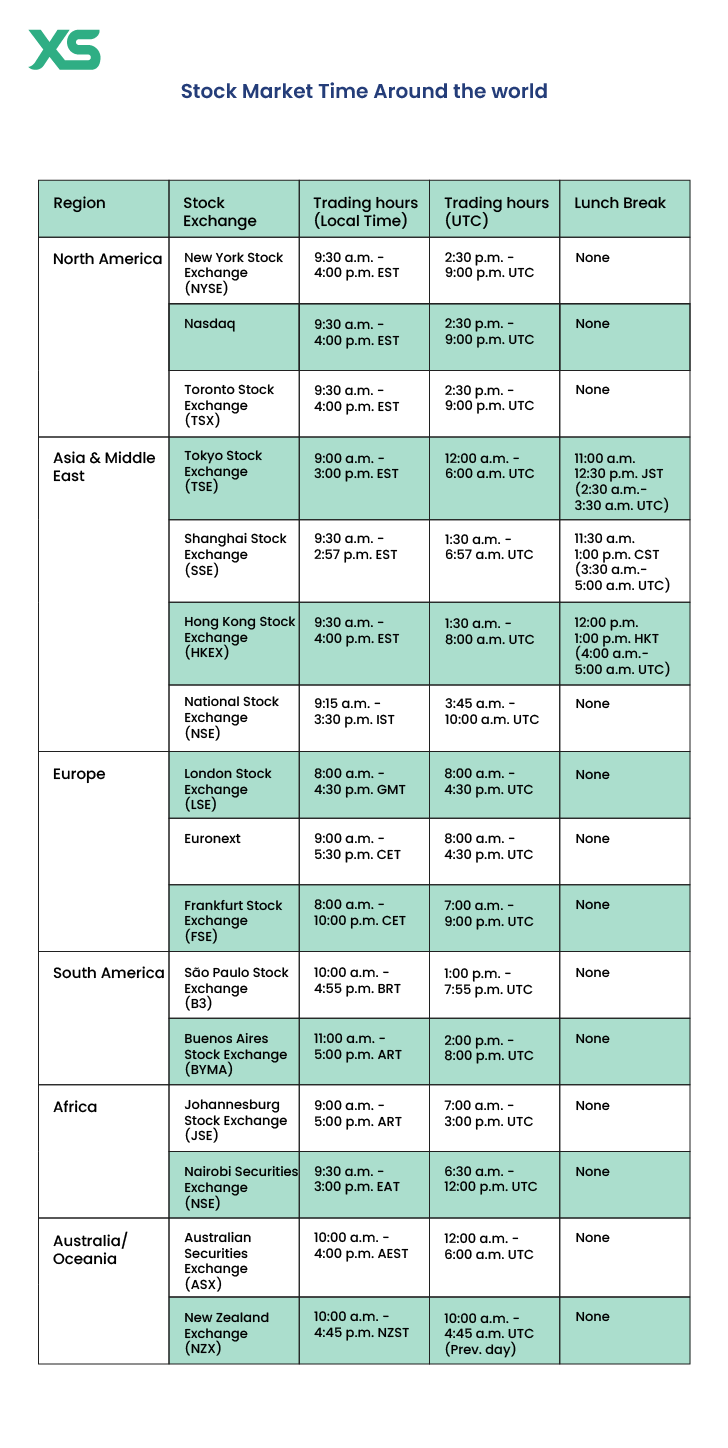
The Standard Trading Day: NYSE and NASDAQ
The backbone of U.S. equity trading rests primarily on two major exchanges: the New York Stock Exchange (NYSE) and the Nasdaq Stock Market. Both operate under a consistent schedule for their regular trading sessions, which are the most active and liquid periods for buying and selling stocks.
Core Hours: Opening and Closing Bells
For the NYSE and Nasdaq, the regular trading session runs from 9:30 AM Eastern Time (ET) to 4:00 PM ET, Monday through Friday. This timeframe is often referred to as “market open” to “market close” or “core trading hours.” The opening bell signifies the start of the trading day, a moment often characterized by high volatility as accumulated orders from the pre-market session are executed and market participants react to overnight news. Conversely, the closing bell marks the end of regular trading, and the final hour, often called “the power hour,” can also see heightened activity as traders close positions or try to capture last-minute gains.
These core hours are critical because they represent the period of maximum liquidity. With the vast majority of institutional and retail investors participating, bid-ask spreads are typically tighter, meaning the difference between the highest price a buyer is willing to pay and the lowest price a seller is willing to accept is smaller. This makes it easier and often cheaper to execute trades at desired prices.
Why These Hours? Historical Context and Market Efficiency
The 9:30 AM to 4:00 PM ET schedule is deeply rooted in historical practices, evolving from a time when trading was a physical activity conducted on exchange floors. Initially, exchanges opened later in the morning to allow brokers to travel to the trading floor and process mail orders. The closing time was set to provide ample opportunity for settlements to be processed before the end of the business day. While technology has long since automated much of these processes, the core hours have largely persisted due to a combination of tradition, convenience, and the established rhythm of the financial world.
Moreover, these standardized hours contribute to market efficiency. By concentrating trading activity within a defined window, markets can better aggregate supply and demand, leading to more accurate price discovery. It also provides a structured environment for market participants to digest economic data, corporate earnings, and geopolitical news, allowing for a collective, informed reaction during liquid trading periods.
Impact of Time Zones for US Investors
While the core hours are fixed in Eastern Time, investors across different U.S. time zones must adjust accordingly. For example, an investor in California (Pacific Time) would see the market open at 6:30 AM PT and close at 1:00 PM PT. This time zone difference can significantly influence an investor’s ability to actively monitor and trade during market hours, particularly for those with demanding day jobs. Understanding these adjustments is crucial for timely decision-making and avoiding missed opportunities or delayed reactions to market events. Many active traders in western states structure their day to align with the Eastern Time market hours, often starting their work long before traditional local business hours.
Beyond the Bell: Extended Trading Hours
The concept of market closing at 4:00 PM ET is increasingly a simplification. Modern electronic trading systems have enabled significant activity outside of regular hours, allowing investors to react to news and execute trades before the opening bell and long after the closing bell.
Pre-Market Trading: Seizing Early Opportunities
Pre-market trading typically occurs between 4:00 AM ET and 9:30 AM ET. This session allows investors to place buy and sell orders before the regular market opens. It’s often driven by news announcements, such as quarterly earnings reports, mergers and acquisitions, or significant economic data releases that occur overnight or early in the morning. Savvy investors and professional traders use this period to get a head start, capitalizing on information before the broader market reacts. For instance, if a company announces better-than-expected earnings at 7:00 AM ET, its stock price might see a significant upward movement in pre-market trading, providing an early entry point for those anticipating a strong day.
After-Hours Trading: Reacting to Late-Breaking News
Conversely, after-hours trading typically runs from 4:00 PM ET to 8:00 PM ET, though some electronic communication networks (ECNs) may facilitate trading even later. This session is vital for reacting to news that breaks after the regular market close, such as a CEO resignation, a product recall, or a late-day earnings revision. Just as with pre-market, after-hours trading provides an immediate avenue for investors to adjust their portfolios in response to new information without waiting for the next day’s opening bell. A company revealing disappointing news after 4 PM might see its stock price plummet in after-hours trading, giving investors a chance to exit positions or even short the stock.
Risks and Rewards of Extended Sessions
While extended hours offer undeniable advantages in terms of flexibility and immediate reaction capability, they come with notable risks. The primary concern is reduced liquidity. Fewer participants mean wider bid-ask spreads, making it more challenging to execute trades at favorable prices and potentially leading to greater price volatility. A relatively small trade can have a disproportionately large impact on a stock’s price during these times.
Another risk is price discovery issues. The prices established in pre-market or after-hours sessions may not accurately reflect the stock’s true value once the regular market opens and full liquidity returns. Large institutional orders and a wider range of investors participating during core hours can often reverse or significantly alter the price trends established in extended sessions. Therefore, while extended hours offer speed, they demand caution and a deep understanding of market dynamics.
Global Perspectives: International Market Hours
The world of finance never truly sleeps. When one major market closes, another is typically opening, creating a continuous cycle of global trading. Understanding these international hours is crucial for investors with diversified portfolios or an interest in global economic trends.
Major Markets Around the World
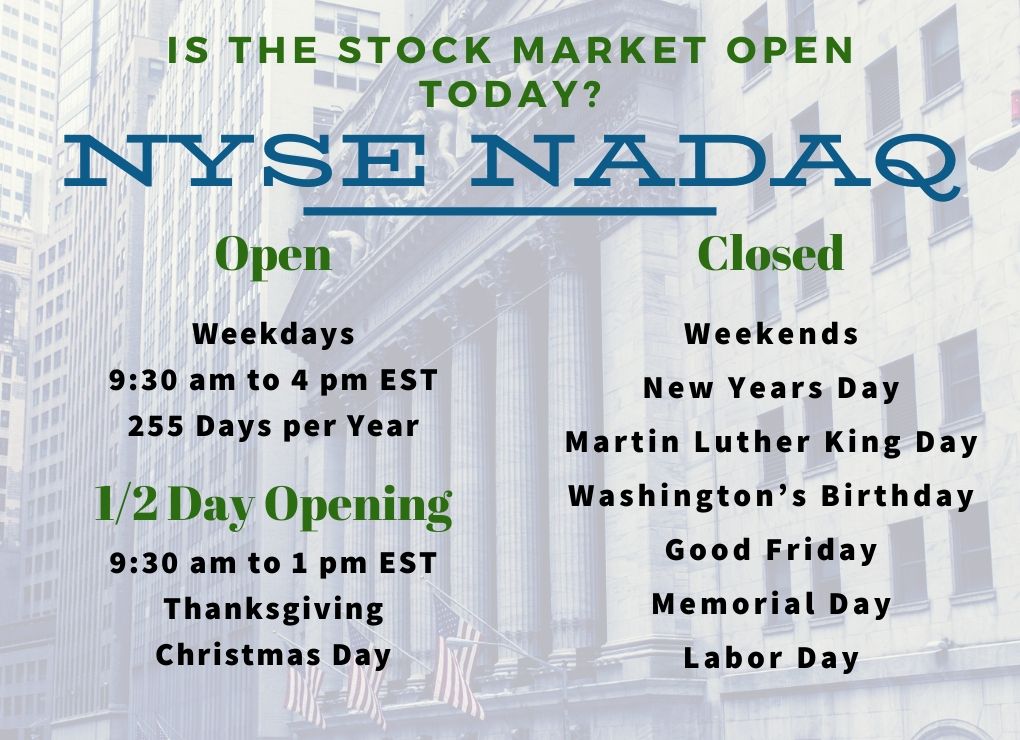
Different countries have their own unique trading hours, often influenced by local business customs, holidays, and time zones. Here’s a brief overview of some key global markets:
- London Stock Exchange (LSE): Generally 8:00 AM to 4:30 PM GMT.
- Tokyo Stock Exchange (TSE): Typically 9:00 AM to 3:00 PM JST (with a lunch break from 11:30 AM to 12:30 PM).
- Shanghai Stock Exchange (SSE): Usually 9:30 AM to 3:00 PM CST (with a lunch break from 11:30 AM to 1:00 PM).
- Euronext (e.g., Paris, Amsterdam, Brussels): 9:00 AM to 5:30 PM CET.
- Hong Kong Stock Exchange (HKEX): 9:30 AM to 4:00 PM HKT (with a lunch break from 12:00 PM to 1:00 PM).
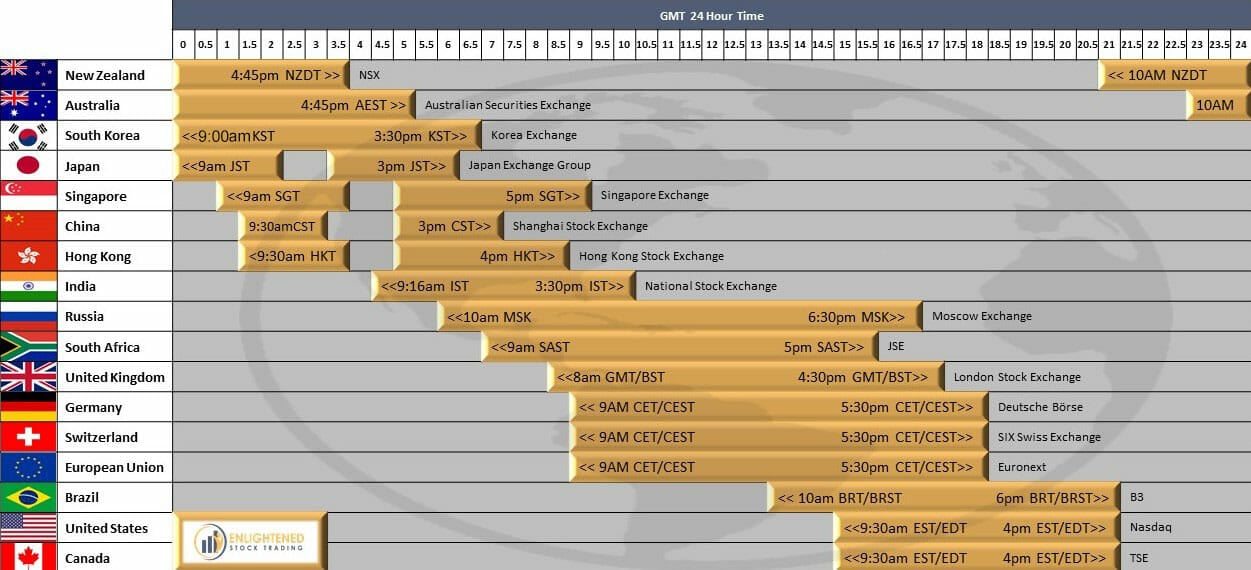
These varying schedules mean that market activity is a 24-hour phenomenon across the globe, influencing commodity prices, currency exchange rates, and the sentiment that carries over from one trading day to the next.
The 24/5 Nature of Global Finance
While individual stock exchanges have distinct closing times, the interconnectedness of global finance means that significant financial activity is almost always occurring somewhere. For instance, as U.S. markets close, Asian markets are already well into their trading day, and European markets are preparing to open. This continuous cycle means that news originating in one part of the world can instantly impact markets thousands of miles away. While equity trading for a specific stock is bound by its home exchange’s hours, related instruments like futures contracts, options, and foreign exchange (FOREX) markets operate almost continuously from Monday morning in Asia until Friday evening in New York, effectively creating a 24/5 trading environment. This constant flow highlights the importance of staying informed about global economic and political developments, even when your local market is closed.
Strategic Considerations for Global Portfolios
For investors with international holdings or those considering global diversification, understanding these varied closing times is paramount. News released during one market’s trading hours can significantly impact the opening prices of related assets in other markets. For example, a major economic announcement in China can affect U.S.-listed companies with significant operations in Asia, and its impact might be first reflected in Asian markets before the U.S. market opens. Managing a global portfolio requires a robust strategy for monitoring worldwide news, currency fluctuations, and geopolitical events that could impact your assets during their respective trading sessions. This often involves leveraging technology that provides real-time global market data and alerts.
Special Circumstances and Market Dynamics
Beyond the regular and extended hours, stock markets can also operate under special conditions, influenced by holidays, extreme volatility, or significant economic announcements.
Holiday Schedules and Early Closures
Stock markets typically observe federal holidays in their respective countries, remaining closed on days like Christmas Day, New Year’s Day, and Thanksgiving in the U.S. Additionally, markets may have early closures on certain days, such as the day before Thanksgiving or Christmas Eve, often closing at 1:00 PM ET. These holiday schedules are crucial for investors to be aware of, as they impact trading liquidity, settlement times, and the ability to execute trades. Exchange websites and financial news outlets typically publish these schedules well in advance. Planning around these closures is essential, especially for investors needing to liquidate positions or settle trades before a holiday weekend.
Circuit Breakers and Volatility Pauses
In times of extreme market volatility, stock exchanges employ “circuit breakers” or trading halts to temporarily pause trading. These mechanisms are designed to curb panic selling or irrational exuberance, providing market participants with a brief respite to digest information and prevent runaway price movements. For example, the NYSE and Nasdaq have tiered circuit breakers that trigger market-wide halts for 15 minutes if the S&P 500 falls by 7%, 13%, or 20% from its prior day’s closing price. Individual stocks can also be halted due to news pending, order imbalances, or regulatory concerns. These pauses, while interrupting normal trading, serve as vital tools for maintaining market stability and order, allowing for a more orderly return to trading once the halt is lifted.
The Role of Economic Data Releases and News Cycles
Market hours also interact dynamically with the timing of economic data releases and corporate news cycles. Major economic reports (e.g., CPI, jobless claims, GDP figures) are often scheduled for release before the market opens (e.g., 8:30 AM ET) or occasionally during market hours. Similarly, many companies release earnings reports after the closing bell or before the opening bell to allow investors ample time to process the information without disrupting the regular trading session. These strategic timings are designed to maximize transparency and allow for a more considered market reaction. Astute investors pay close attention to the economic calendar and corporate reporting schedules, as these events often trigger significant price movements in the pre-market, regular, and after-hours sessions.
Maximizing Your Investment Strategy Around Market Hours
Understanding stock market hours is not just about knowing when you can trade; it’s about developing an informed and disciplined investment strategy.
Developing a Trading Routine
For active traders, establishing a routine that aligns with market hours is paramount. This might involve reviewing overnight news and pre-market activity before the opening bell, actively monitoring positions and market sentiment during core hours, and analyzing after-hours movements for insights into the next day. Even for long-term investors, regularly checking market performance and portfolio changes, especially around key economic releases or during periods of high volatility, can be beneficial. A disciplined approach ensures that you are aware of significant market events and can react appropriately, whether that means adjusting positions or simply staying informed.
Leveraging Technology for Market Access
Modern technology has democratized access to market information and trading capabilities, regardless of time zones or market hours. Online brokerage platforms offer access to real-time quotes, charts, and news, allowing investors to monitor their portfolios and place orders from virtually anywhere. Many platforms also offer extended-hours trading capabilities. Advanced tools include customized alerts for price movements, news updates, and volume spikes, ensuring investors are promptly notified of developments even when not actively monitoring the screen. Utilizing these technological aids is essential for any investor seeking to stay connected and responsive in today’s fast-paced global markets.
Risk Management in Different Trading Sessions
Effective risk management becomes even more critical when considering the varied market hours. During extended hours, the reduced liquidity and increased volatility amplify risks. It’s often advisable to use limit orders rather than market orders during these times to ensure trades are executed at desired prices, preventing unexpected price gaps. For day traders, strict stop-loss orders are indispensable to limit potential losses in rapidly moving markets. Investors should also be cautious about making impulsive decisions based solely on pre-market or after-hours movements, as these can often be misleading compared to the robust price discovery of the regular session. A well-defined risk management plan, tailored to the specific characteristics of each trading session, is a cornerstone of sustainable investing.
In conclusion, the simple question “what time do stock markets close?” unravels a complex yet fascinating landscape of regular sessions, extended trading, global interconnections, and special market conditions. By thoroughly understanding these dynamics, investors can move beyond merely reacting to market movements and instead develop proactive, informed strategies that leverage the full spectrum of trading opportunities, while effectively managing the inherent risks. The key to success lies in continuous learning, disciplined execution, and a judicious use of available financial tools and information.
aViewFromTheCave is a participant in the Amazon Services LLC Associates Program, an affiliate advertising program designed to provide a means for sites to earn advertising fees by advertising and linking to Amazon.com. Amazon, the Amazon logo, AmazonSupply, and the AmazonSupply logo are trademarks of Amazon.com, Inc. or its affiliates. As an Amazon Associate we earn affiliate commissions from qualifying purchases.