
For investors, analysts, and market enthusiasts alike, the release of NVIDIA’s quarterly earnings report is consistently one of the most anticipated events in the financial calendar. NVIDIA (NVDA), a titan in the semiconductor industry, particularly renowned for its graphics processing units (GPUs) and groundbreaking contributions to artificial intelligence, has become a bellwether for the tech sector and a significant driver of broader market sentiment. Understanding when these critical financial results are released is the first step in preparing for the market’s reaction and making informed investment decisions.
NVIDIA typically releases its earnings report after the market closes on a specified date or before the market opens. These dates are not fixed to a specific day of the week or month but generally follow a quarterly cycle, roughly every three months. The company usually provides forward-looking guidance on its investor relations website several weeks in advance, announcing the exact date and time of the earnings release and subsequent conference call. For most U.S. investors, the earnings are released at approximately 4:00 PM Eastern Time (ET) if released after market close, or around 8:00 AM ET if released before market open. Investors must always cross-reference with official NVIDIA investor relations communications or reputable financial news outlets for the precise schedule for an upcoming quarter.
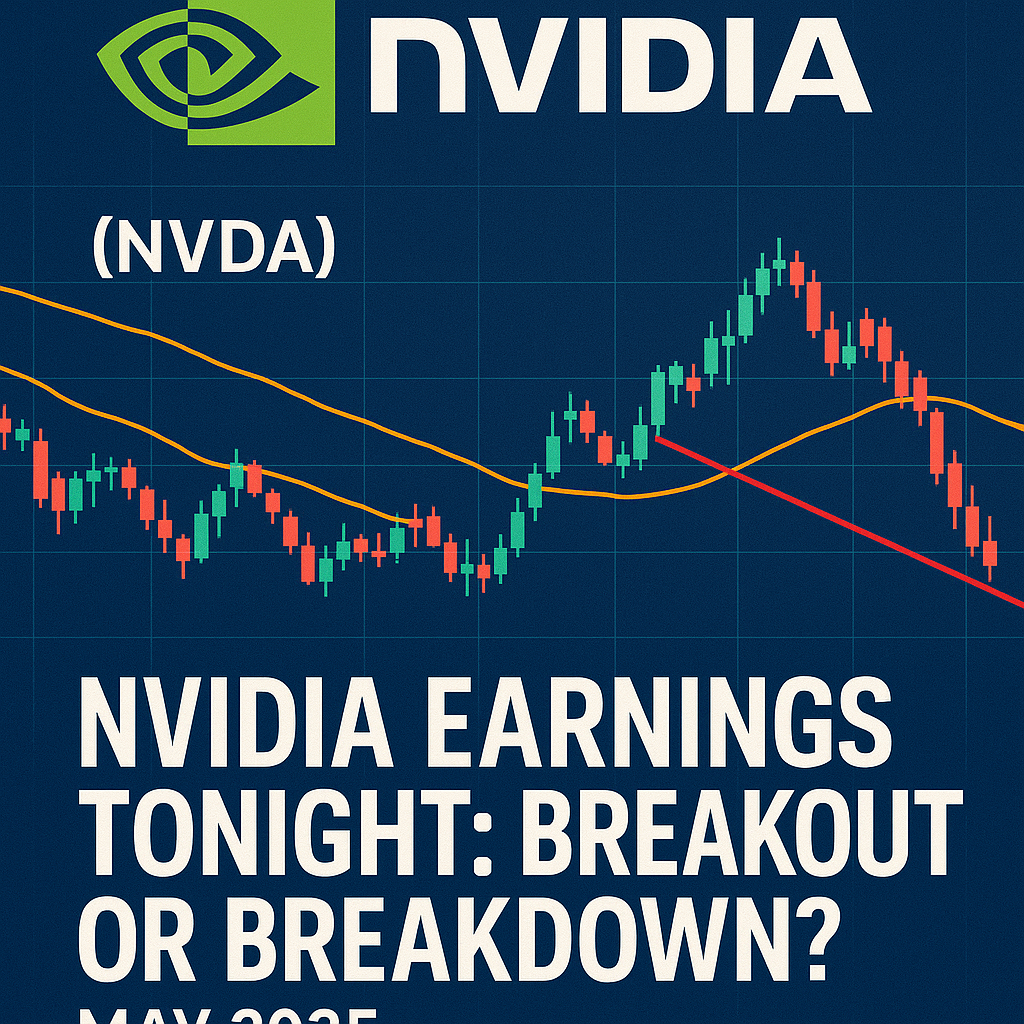
The Significance of NVIDIA Earnings for Investors
NVIDIA’s earnings reports are more than just a snapshot of a company’s financial health; they are a critical barometer for the entire technology landscape, especially in areas like AI, data centers, and gaming. The sheer scale of NVIDIA’s market capitalization and its pivotal role in several high-growth industries mean that its performance can send ripple effects across global markets.
Market Mover and Bellwether for Tech and AI
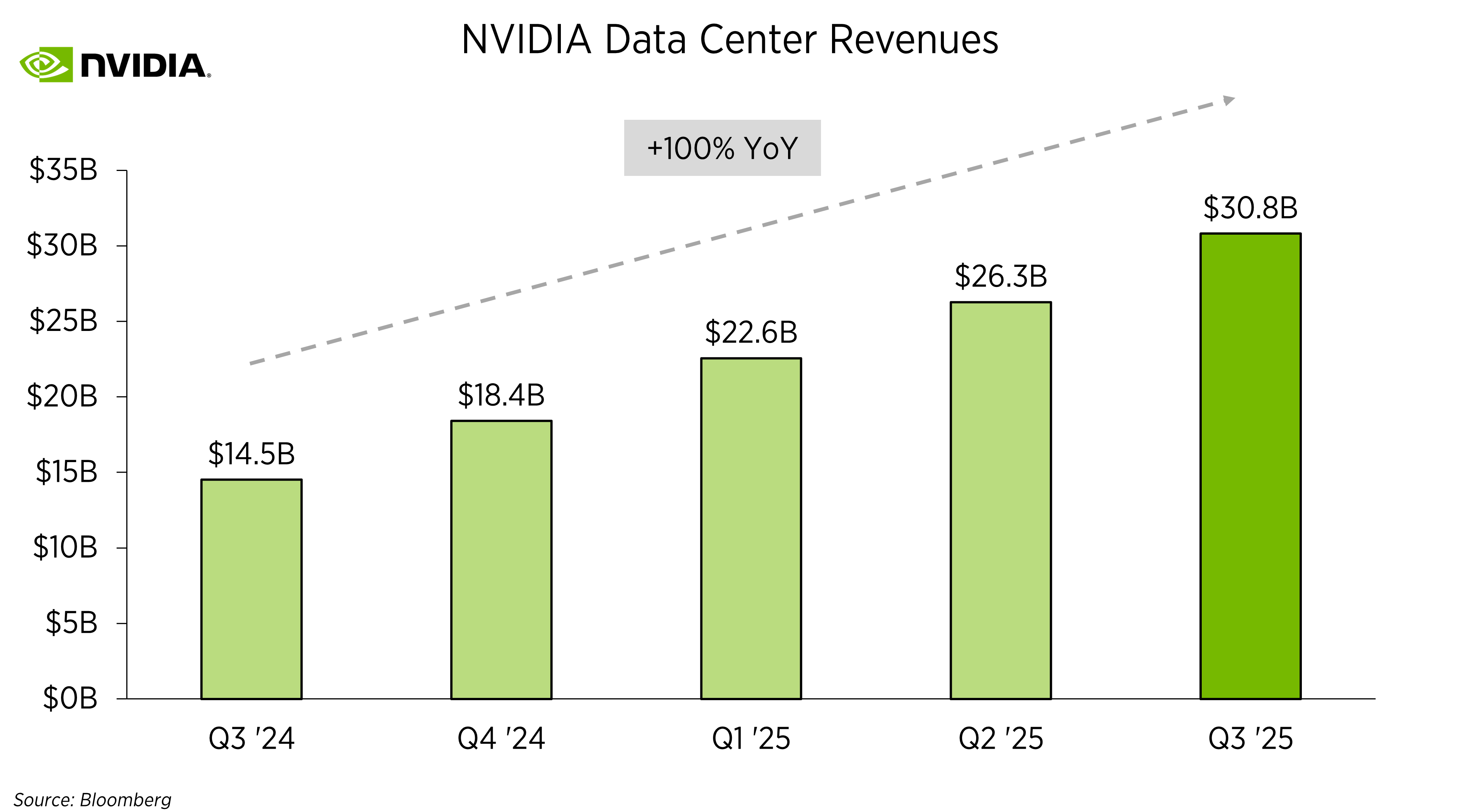
NVIDIA has transformed from primarily a gaming GPU company into a dominant force in artificial intelligence and high-performance computing. Its data center segment, fueled by insatiable demand for AI accelerators, has become its largest and fastest-growing revenue stream. Consequently, NVIDIA’s earnings are closely watched as an indicator of the health and trajectory of the entire AI industry, the demand for cloud computing infrastructure, and the broader semiconductor market. Positive results can boost investor confidence across the tech sector, while misses can trigger widespread sell-offs, particularly in related technology and semiconductor stocks. For indices like the NASDAQ 100, a significant move in NVDA stock can often translate to a notable shift in the entire index.
Key Metrics to Watch Beyond Revenue and EPS
While revenue and earnings per share (EPS) are fundamental indicators, sophisticated investors delve deeper into NVIDIA’s financial statements for a more nuanced understanding.
-
Revenue Breakdown: Analysts pay close attention to the revenue contribution from each segment: Data Center, Gaming, Professional Visualization, and Automotive. The growth rates within the Data Center segment, specifically, offer insights into the pace of AI adoption and enterprise spending on accelerated computing.
-
Gross Margin: This metric indicates how efficiently NVIDIA is converting revenue into profit after accounting for the cost of goods sold. Fluctuations can signal changes in pricing power, production costs, or product mix. For a hardware-centric company, maintaining healthy gross margins is crucial.
-
Guidance (Future Outlook): Perhaps one of the most impactful elements of an earnings report is the company’s forward-looking guidance for the upcoming quarter and year. Management’s projections for revenue, gross margin, and operating expenses provide a window into their expectations for future demand, supply chain conditions, and overall market dynamics. Strong guidance can often outweigh a slight miss on current quarter numbers, as investors are primarily forward-looking.
-
Inventory Levels: Rising or falling inventory levels can offer clues about future demand and supply chain stability. Excess inventory might signal slowing demand or overproduction, while dwindling inventory could point to robust demand or supply constraints.
-
Research and Development (R&D) Spending: As an innovation-driven company, NVIDIA’s R&D expenditure is vital. Consistent investment in R&D ensures the company remains at the forefront of technological advancements, particularly in the rapidly evolving fields of AI and accelerated computing.
Volatility and Trading Opportunities Around Earnings
NVIDIA’s stock is known for its significant volatility around earnings releases. Anticipation builds in the days and weeks leading up to the announcement, often leading to increased trading volume and price swings. Options traders, in particular, engage in strategies designed to profit from these expected movements, though with heightened risk. For long-term investors, earnings season is a time to reassess their investment thesis, confirm the company’s trajectory, and decide whether to hold, add to, or reduce their position. Short-term traders might look for opportunities to capitalize on immediate post-earnings reactions, which can sometimes be exaggerated or irrational before settling.
How to Find the Exact NVIDIA Earnings Release Time and Date
Accurate and timely information is paramount when dealing with market-moving events like earnings reports. Relying on official sources and reputable financial news outlets is crucial.
Official Sources: NVIDIA Investor Relations and SEC Filings
The most reliable source for NVIDIA’s earnings schedule is its official Investor Relations website. Here, the company publishes press releases announcing the earnings date and time, links to the live earnings webcast, and archives of past reports and transcripts. Investors should periodically check this section for updates.
Additionally, companies like NVIDIA are legally obligated to file their financial results with the U.S. Securities and Exchange Commission (SEC). These filings, such as the 10-K (annual report) and 10-Q (quarterly report), contain the detailed financial statements and management’s discussion and analysis, typically released shortly after the earnings press release. While the filings themselves might not explicitly state the release time, they are the definitive public record of the financial performance.
Reputable Financial News Outlets and Platforms
Once NVIDIA announces its earnings date, major financial news organizations and data platforms quickly disseminate this information.
-
Bloomberg, Reuters, The Wall Street Journal, Financial Times: These are top-tier news providers known for their accuracy and timely reporting on corporate earnings. They often provide previews leading up to the release and immediate analysis afterward.
-
Yahoo Finance, Investing.com, MarketWatch, Google Finance: These popular financial platforms offer dedicated earnings calendars and company-specific pages where the next earnings date and estimated time are prominently displayed. They also aggregate analyst estimates, historical data, and often provide links to the company’s official releases.
-
Brokerage Platforms: Most online brokerage platforms integrate earnings calendars and company news directly into their interfaces, making it convenient for investors to track upcoming reports for stocks in their watchlists or portfolios.
It’s advisable to cross-reference the information from at least two reputable sources to ensure accuracy, especially as dates can occasionally shift due to unforeseen circumstances.
The Earnings Call and Webcast: Beyond the Numbers
Following the earnings release, NVIDIA’s management typically hosts a conference call and webcast. This event is invaluable for investors for several reasons:
-
Management Commentary: The CEO, CFO, and other executives discuss the quarter’s performance, provide context for the numbers, and elaborate on the company’s strategic priorities, product roadmaps, and market outlook.
-
Q&A Session: Analysts and institutional investors get to ask questions directly to management. The answers often reveal insights that aren’t apparent from the written report alone, covering topics from competitive landscape and geopolitical risks to specific product demand and future investments.
-
Forward-Looking Statements: The call is often where the most detailed forward guidance is provided, which can significantly influence investor sentiment and stock price movement.
Listening to the earnings call, either live or via replay, is a critical step for any investor seeking a comprehensive understanding of NVIDIA’s performance and future prospects.
Understanding the Impact: Beyond the Numbers
While the raw financial figures are crucial, a holistic understanding of NVIDIA’s earnings impact requires looking beyond the immediate numbers and appreciating the broader context of its business and the markets it serves.
The AI Narrative and Data Center Dominance
NVIDIA’s earnings reports have become a key indicator of the current state and future trajectory of the artificial intelligence revolution. The company’s specialized GPUs are the backbone of generative AI models, large language models, and high-performance computing necessary for scientific discovery and advanced data analytics. Strong growth in its Data Center segment signals robust investment by cloud service providers, enterprises, and governments in AI infrastructure. Conversely, any slowdown or cautious guidance in this segment could suggest a tempering of AI investment, which would have wide-ranging implications for the technology sector. The company’s continued innovation in new chip architectures (like Blackwell), software platforms (CUDA), and full-stack solutions further solidifies its ecosystem dominance, making its earnings a proxy for the maturity and expansion of the AI economy.
Gaming and Professional Visualization: Enduring Pillars
Although the Data Center segment often grabs headlines, NVIDIA’s roots are in gaming, and this segment remains a significant contributor to revenue. The performance of the Gaming division reflects consumer spending habits, the success of new GPU architectures (e.g., RTX series), and the broader health of the PC gaming market. Similarly, the Professional Visualization segment, which caters to designers, engineers, and content creators with high-end workstation GPUs, provides insights into enterprise capital expenditure on advanced design and simulation tools. While perhaps not as explosive as AI, consistent performance in these segments demonstrates the diversified strength of NVIDIA’s core technologies and its ability to capture value across multiple end markets.
Geopolitical and Supply Chain Considerations
NVIDIA, like many global semiconductor companies, operates within a complex web of geopolitical factors and intricate supply chains. Earnings reports and management commentary often shed light on the impact of these external forces:
-
Export Restrictions: U.S. export controls, particularly those targeting advanced AI chips to certain regions like China, directly affect NVIDIA’s market access and revenue potential. Investors scrutinize management’s comments on the compliance and financial implications of these regulations.
-
Supply Chain Resilience: The semiconductor industry has faced significant supply chain disruptions in recent years. NVIDIA’s ability to secure manufacturing capacity from partners like TSMC and manage its inventory levels is crucial. Any bottlenecks or oversupply issues can impact production, costs, and ultimately, profitability.
-
Global Economic Conditions: Broader macroeconomic trends, such as inflation, interest rates, and consumer confidence, indirectly influence demand across all of NVIDIA’s segments, from enterprise IT spending to discretionary consumer purchases of gaming hardware.
Understanding these external influences helps investors contextualize the financial results and better predict future performance.
Strategies for Investors During Earnings Season
Navigating earnings season for a high-profile stock like NVIDIA requires a thoughtful, disciplined approach, whether you are a long-term investor or a short-term trader.
Pre-Earnings Analysis: Laying the Groundwork
Before the earnings report is released, diligent investors engage in thorough preparation. This includes:
-
Reviewing Analyst Estimates: Understand the consensus revenue and EPS estimates from financial analysts. Compare NVIDIA’s historical performance against these estimates.
-
Examining Past Guidance: Revisit the company’s guidance from the previous quarter. Did they meet, beat, or miss their own projections? This provides insight into management’s forecasting accuracy.
-
Assessing Industry Trends: Stay updated on broader industry trends, news from competitors, and macro-economic data that could impact NVIDIA’s performance. For instance, reports on data center build-outs, AI chip orders from hyperscalers, or gaming hardware sales can offer valuable context.
-
Company-Specific News: Look for any major announcements, product launches, partnerships, or regulatory news that occurred during the quarter, as these could influence the results.
This groundwork helps to form an educated expectation and avoid being blindsided by the report.
Post-Earnings Reaction and Due Diligence
The initial market reaction to an NVIDIA earnings report can be swift and dramatic. A beat on EPS and revenue, coupled with strong guidance, often sends the stock soaring, while a miss or cautious outlook can trigger a sharp decline. However, investors should resist the urge to react impulsively.
-
Analyze the Full Report: Don’t just look at the headlines. Dive into the detailed financial statements, segment-by-segment performance, and key metrics discussed earlier.
-
Listen to the Earnings Call: As discussed, the management commentary and Q&A session offer invaluable qualitative insights that numbers alone cannot provide. Understanding why results were good or bad, and what management expects going forward, is critical.
-
Reassess Investment Thesis: Post-earnings is the time to reassess whether the company’s performance and outlook align with your original investment thesis. Has anything fundamentally changed about NVIDIA’s competitive position, growth trajectory, or valuation?

Long-Term vs. Short-Term Approaches
For long-term investors, earnings reports are one data point in a continuous investment journey. While significant, they should be viewed in the context of NVIDIA’s multi-year growth potential, technological leadership, and market dominance in AI and accelerated computing. Volatility around earnings might present opportunities to add to a position on a dip, assuming the long-term thesis remains intact.
Short-term traders, conversely, often focus specifically on the immediate price action and potential for volatility. They might use options strategies or intraday trading tactics to capitalize on the expected swings. However, this approach carries higher risk and requires sophisticated understanding of market dynamics and technical analysis.
In conclusion, knowing “what time do NVIDIA earnings come out” is merely the starting point for a comprehensive investment analysis. It unlocks access to crucial financial data, management insights, and market reactions that are indispensable for making well-informed decisions in the dynamic world of finance and investing. Staying updated, conducting thorough due diligence, and contextualizing the results within the broader financial and technological landscape are key to navigating the impact of NVIDIA’s influential earnings reports.
aViewFromTheCave is a participant in the Amazon Services LLC Associates Program, an affiliate advertising program designed to provide a means for sites to earn advertising fees by advertising and linking to Amazon.com. Amazon, the Amazon logo, AmazonSupply, and the AmazonSupply logo are trademarks of Amazon.com, Inc. or its affiliates. As an Amazon Associate we earn affiliate commissions from qualifying purchases.