
The release of a high-profile series like The Acolyte is more than just a cultural moment for fans; it is a massive logistical and technological feat for the streaming industry. When viewers ask, “What time do new episodes of The Acolyte come out?” they are interacting with a complex web of global synchronization, server-side updates, and Content Delivery Networks (CDNs). In the current era of digital media, the “release time” is a carefully calibrated data event designed to balance server load while maximizing global engagement.

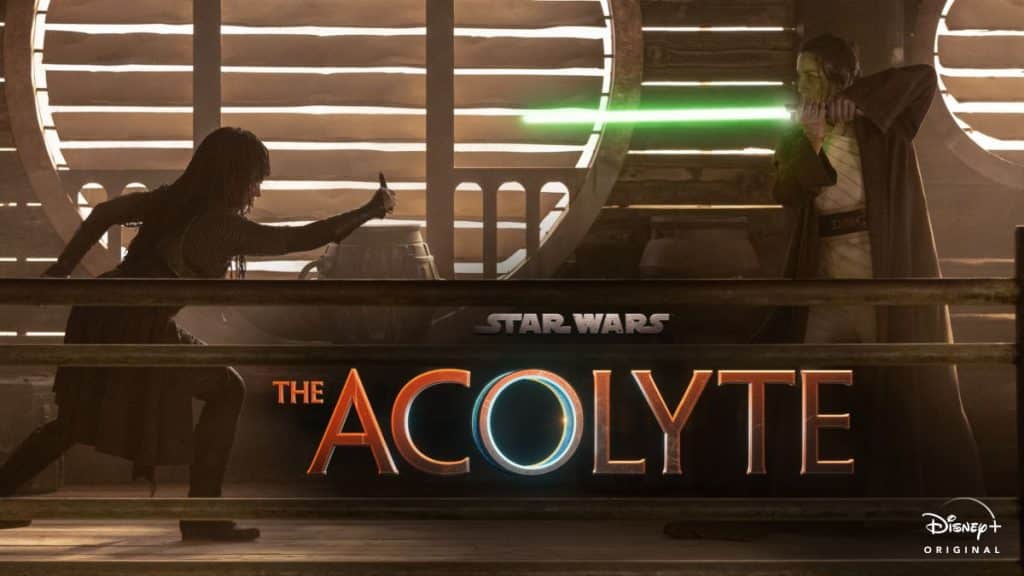
Currently, Disney+ has shifted its release strategy for flagship series. New episodes of The Acolyte typically debut on Tuesdays at 6:00 PM PT / 9:00 PM ET in the United States. This shift from the traditional “midnight drop” represents a significant change in how digital platforms manage traffic spikes and user experience.
The Evolution of Global Digital Distribution
The transition from linear television to global streaming has fundamentally changed the underlying technology of media consumption. In the past, a television show was broadcast via satellite or cable at a fixed time in a specific time zone. Today, a show like The Acolyte must be available simultaneously across dozens of countries, requiring a sophisticated digital architecture.
Synchronized Releases vs. Regional Staggering
One of the most significant technical challenges in the “What time does it come out?” equation is synchronization. Disney+ utilizes a global synchronized release for The Acolyte. This means that whether you are in Los Angeles, London, or Tokyo, the file becomes accessible at the exact same moment in time, regardless of the local clock.
From a software perspective, this requires a highly precise “TTL” (Time to Live) setting on the platform’s metadata. If the release were staggered by region, spoilers would saturate social media platforms instantly, degrading the user experience for those in later time zones. To prevent this, engineers use centralized timestamps (usually coordinated via UTC) to trigger the visibility of the new episode across all device APIs simultaneously.
The Shift from Linear TV to Digital On-Demand Models
The decision to release episodes at 6:00 PM PT rather than midnight is a strategic move influenced by data analytics. By releasing content during “prime time” for North American audiences, Disney+ ensures that its infrastructure is tested during peak usage hours. This allows the tech team to monitor real-time performance when the highest number of concurrent streams are active. This shift also reflects the move away from the “appointment viewing” of the 1990s toward a hybrid model where the digital release functions as a live event for the internet age.
Understanding the Disney+ Platform Architecture
To understand how an episode appears on your screen at the stroke of 9:00 PM ET, one must look at the backend architecture of the Disney+ app. The platform does not simply “upload” a video at that time; the video file has been sitting on edge servers worldwide for days, waiting for the decryption key and the UI update to make it visible.
Content Delivery Networks (CDNs) and Peak Traffic Management
The backbone of any streaming release is the Content Delivery Network (CDN). When The Acolyte drops, millions of users ping the Disney+ servers simultaneously. To prevent the “thundering herd” problem—where a massive influx of requests crashes a central server—Disney+ uses a distributed network of servers.
These servers, located in data centers globally, hold cached versions of the episode. When you click play, you aren’t pulling data from a single server in California; you are likely pulling it from a node just a few miles from your home. This reduces latency and ensures that the 4K Dolby Vision stream remains stable even when global demand is at its peak.
API Integration and UI Updates Across Devices
The “release time” is also a massive API event. Your smart TV, smartphone, and web browser are constantly polling the Disney+ servers for updates. At the designated release time, the server updates its JSON response to include the new episode of The Acolyte.
The app’s User Interface (UI) is programmed to refresh these assets without requiring a full app restart in most cases. This “hot-reloading” of content is a testament to modern mobile and web development, allowing for a seamless transition from a “Coming Soon” placeholder to a “Play Now” button.
The Technical Logistics of High-Definition Streaming

Providing a high-fidelity experience for a Star Wars series requires more than just a fast connection. The technological stack involved in rendering the high-contrast environments and complex visual effects of The Acolyte is immense.
Encoding for Multiple Bitrates and Resolutions
Before an episode is released, it undergoes a process called “transcoding.” The master file is converted into hundreds of different versions. Each version is optimized for a specific combination of device, screen resolution, and internet speed.
- Adaptive Bitrate Streaming (ABS): This is the technology that prevents your video from buffering. If your Wi-Fi dips while watching The Acolyte, the player detects the drop in bandwidth and switches to a lower-resolution version of the file instantly.
- HDR and Dolby Atmos: For tech enthusiasts, the release time is also about the metadata that triggers High Dynamic Range (HDR10 or Dolby Vision) and spatial audio. This data is layered into the stream and requires compatible hardware to decode, necessitating a robust handshake between the streaming app and the consumer’s hardware.
Metadata Management and Localization Protocols
The Acolyte is a global product, meaning the “release” includes localized subtitles and dubbing in dozens of languages. From a database management perspective, the release time marks the activation of these localized assets. Each language track is a separate data stream that must be perfectly synced with the video. The engineering feat of ensuring that a viewer in France has the French audio track available at the exact same millisecond the video becomes available in New York is often overlooked but critical to the brand’s global tech strategy.
Optimizing Your Digital Setup for New Episode Drops
For users who want to ensure they see the episode the second it goes live, there are several technological factors to consider regarding their home network and device ecosystem.
Managing Latency and Network Congestion
Local network congestion is often the culprit when a “new release” doesn’t show up exactly on time. Most streaming devices cache metadata to speed up the interface. If it is 9:01 PM ET and The Acolyte isn’t appearing, it is often because the device’s local cache hasn’t refreshed.
- Tech Tip: Manually closing the app and reopening it forces a new API call to the servers.
- Hardware Advantage: Using an Ethernet connection rather than Wi-Fi reduces the “ping” time to the CDN, ensuring that the initial handshake to start the stream happens as fast as possible.
Security and Privacy Considerations for Modern Streamers
The release of high-demand content is often a target for digital security threats, including phishing and unauthorized restreaming sites. From a digital security standpoint, users should ensure they are using official apps. Major streaming platforms use Digital Rights Management (DRM) technologies like Widevine or FairPlay to protect content. These protocols verify that the device is authorized to play the file, a process that happens in the background within milliseconds of you clicking the “Play” button.
The Future of Real-Time Global Media Events
The release of The Acolyte is a blueprint for the future of how tech companies handle massive digital events. As we move toward higher resolutions (8K) and potentially augmented reality (AR) experiences, the “release time” will become even more technically demanding.
Interactive Elements and Social Integration in Streaming Apps
We are beginning to see the integration of social features directly into the streaming stack. Features like “Group Watch” require the server to synchronize the playback of thousands of disparate devices so that everyone sees the same frame at the exact same time. This requires a level of clock-syncing technology previously reserved for high-frequency trading or scientific research.
AI-Driven Recommendation Engines Post-Release
The second a new episode of The Acolyte ends, the platform’s AI recommendation engine kicks in. Based on your viewing habits, the platform calculates what you should watch next to reduce “churn.” This involves processing millions of data points in real-time. The “time the episode comes out” is just the start of a massive data-collection cycle that helps the platform optimize its content delivery for the next release.
In conclusion, when you sit down at 6:00 PM PT to watch the latest chapter of The Acolyte, you are participating in a pinnacle of modern software engineering. From the global distribution via CDNs to the adaptive bitrate streaming and the localized metadata, the “release time” is the visible tip of a massive technological iceberg that defines the modern digital experience.
aViewFromTheCave is a participant in the Amazon Services LLC Associates Program, an affiliate advertising program designed to provide a means for sites to earn advertising fees by advertising and linking to Amazon.com. Amazon, the Amazon logo, AmazonSupply, and the AmazonSupply logo are trademarks of Amazon.com, Inc. or its affiliates. As an Amazon Associate we earn affiliate commissions from qualifying purchases.