
For the modern investor, the question “What time do markets close today?” is often the starting point of a much deeper conversation regarding liquidity, volatility, and global economic connectivity. While a quick search might provide a simple numerical answer—typically 4:00 PM Eastern Time for major U.S. exchanges—the reality of the financial markets is far more complex. Understanding the closing bell is not just about knowing when the doors lock; it is about understanding the transition of capital from one geographic region to another and from one type of trading environment to another.
In this comprehensive guide, we will explore the nuances of market timing, from standard sessions and extended-hours trading to global time zone overlaps and the strategic importance of the “closing cross.”
The Rhythms of the American Markets: Standard Trading Hours
For the vast majority of retail investors and institutional players, the financial day is defined by the operating hours of the two largest exchanges in the world: the New York Stock Exchange (NYSE) and the NASDAQ.
The NYSE and NASDAQ Standard Session
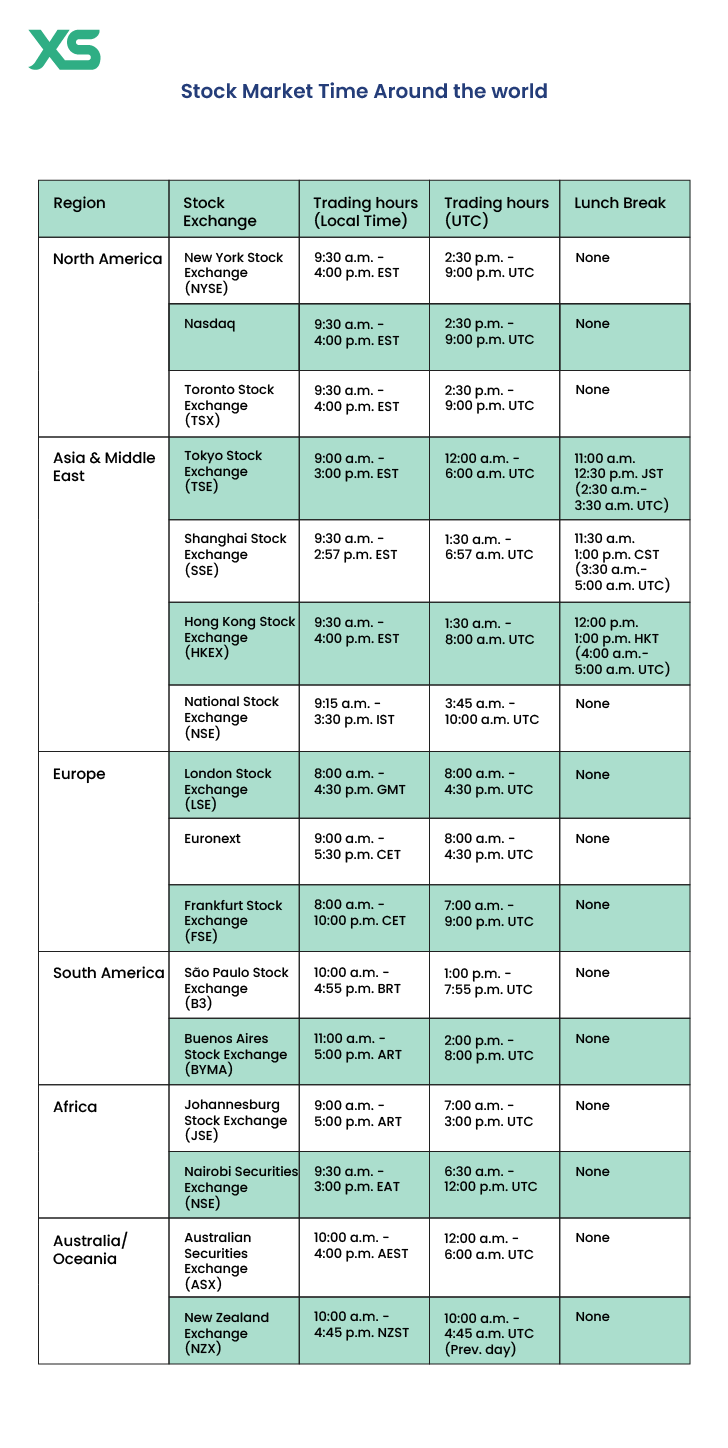
In the United States, the standard trading session begins at 9:30 AM Eastern Time (ET) and concludes at 4:00 PM ET. This six-and-a-half-hour window represents the peak of liquidity. During these hours, “market makers” are obligated to maintain orderly markets, and the volume of shares traded is at its highest. For the average investor, this is the safest and most efficient time to execute trades, as the high volume ensures that bid-ask spreads (the difference between the price a buyer is willing to pay and a seller is willing to accept) are at their narrowest.
The Significance of the 4:00 PM Closing Bell
The 4:00 PM close is more than just a chronological endpoint; it is a critical data point for the entire financial ecosystem. The closing price of a stock is used to calculate the Net Asset Value (NAV) of mutual funds, determine the value of options contracts, and serve as the benchmark for historical charts. The “Closing Bell” ritual at the NYSE is a symbolic representation of this daily finality, but behind the scenes, complex algorithms are working to match every final buy and sell order to ensure a stable price discovery.
Early Closures and Holiday Schedules
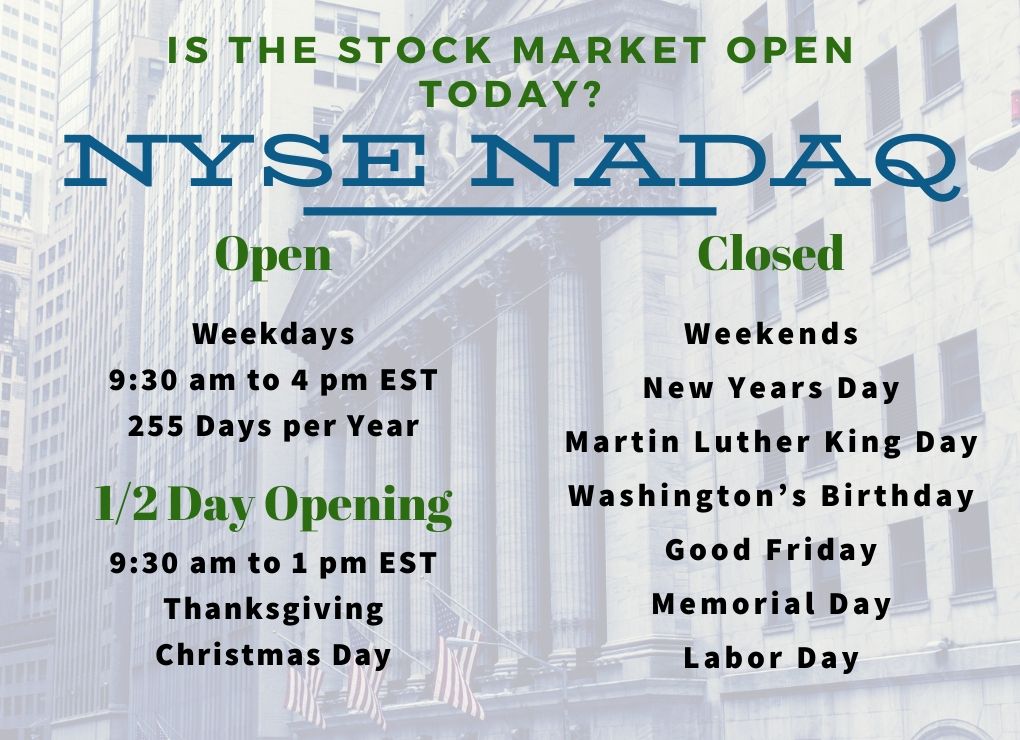
It is important for investors to keep an eye on the exchange calendars. Typically, U.S. markets are closed on major holidays such as Christmas Day, New Year’s Day, Independence Day, and Thanksgiving. However, there are also “half-days” to consider. On the day after Thanksgiving (Black Friday) and sometimes on the eve of major holidays, the markets will close early at 1:00 PM ET. Staying informed about these dates prevents the frustration of attempting to execute a trade when the liquidity tap has been turned off.
Beyond the Bell: Extended Hours and Electronic Trading
In the digital age, the “close” is a relative term. While the physical floor of the NYSE might go quiet at 4:00 PM, electronic trading continues through what is known as “Extended Hours.” This consists of two distinct sessions: Pre-market and After-hours.
The Mechanics of After-Hours Trading
After-hours trading typically occurs from 4:00 PM to 8:00 PM ET. This session allows investors to react to news that breaks after the standard close, such as corporate earnings reports or sudden geopolitical shifts. Trading during this time is conducted through Electronic Communication Networks (ECNs), which automatically match buy and sell orders.
Risks and Rewards of Post-Market Participation
While the ability to trade until 8:00 PM provides flexibility, it comes with significant risks. The primary concern is “thin liquidity.” Because most institutional traders and retail investors are not active, the number of participants is low. This can lead to extreme price volatility and wide bid-ask spreads. A stock that closed at $100 might see an after-hours bid of $95 and an ask of $105. For this reason, professional financial advisors often recommend using “limit orders” (specifying exactly what price you are willing to pay) rather than “market orders” when trading outside of standard hours.
The Pre-Market Surge
On the other side of the coin is pre-market trading, which can start as early as 4:00 AM ET, though most activity picks up around 8:00 AM. This session is often used by traders to price in news that happened overnight in European or Asian markets. Monitoring pre-market activity can give investors a “weather report” for how the standard session is likely to open.
The Global Landscape: When the World Trades
To truly answer “what time do markets close,” one must look at the world as a continuous loop of capital. As the sun sets on New York, it is already tomorrow in Tokyo.
European Markets: The London and Frankfurt Sync
The London Stock Exchange (LSE) is one of the most important hubs in the world. It typically operates from 8:00 AM to 4:30 PM Greenwich Mean Time (GMT). For traders on the East Coast of the U.S., the London market is open in the early morning hours, often providing the initial momentum that the U.S. market follows. The overlap between the LSE close and the NYSE open (roughly between 9:30 AM and 11:30 AM ET) is often the most volatile and high-volume period of the day.
Asian Markets: The Overnight Shift
The Asian trading day begins with the Tokyo Stock Exchange (TSE), followed by Hong Kong (HKEX) and Shanghai (SSE). These markets are crucial for investors in the tech and manufacturing sectors. Because these markets operate while the U.S. is asleep, significant movements in the Nikkei or Hang Seng indices often trigger “gap” openings in U.S. stocks the following morning.
The 24-Hour Cycle of Forex and Futures
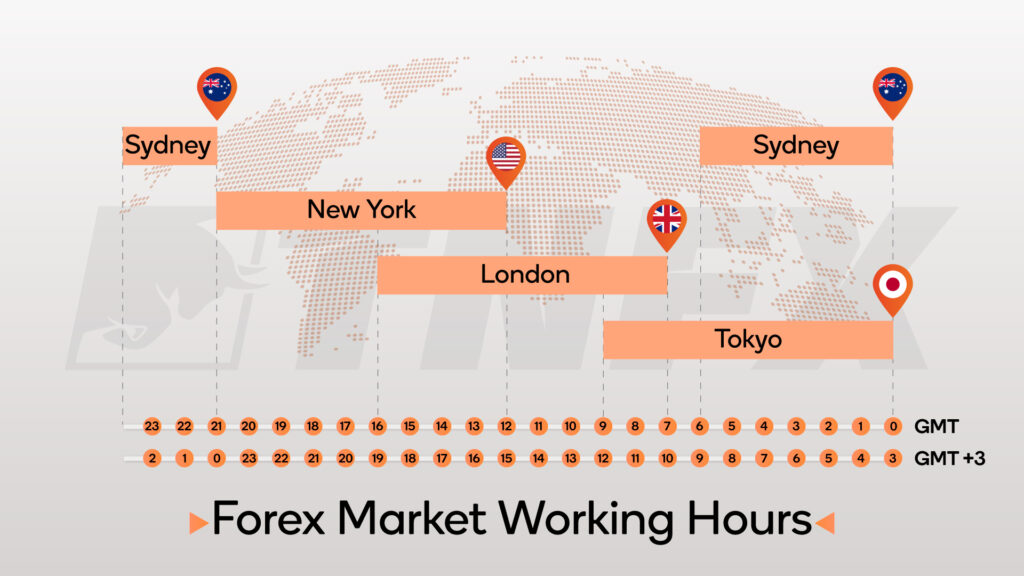
It is worth noting that while stock markets have specific closing times, the Foreign Exchange (Forex) market and certain Futures markets (like S&P 500 E-mini futures) trade nearly 24 hours a day, five days a week. This constant flow of information means that even if the stock market is “closed,” the value of your investments is constantly being reassessed in the global marketplace.
Why Timing Matters: Strategic Trading at the Close
Professional traders do not just look at the clock to see when they can go home; they look at the closing window as a strategic opportunity. The final minutes of the trading day are often the most important for portfolio management.
The “Closing Cross” and Institutional Liquidity
At the end of the day, NASDAQ and NYSE conduct what is known as a “Closing Auction” or “Closing Cross.” This is a process where the exchange’s computers calculate the price that will maximize the number of shares traded and minimize any remaining imbalance. Many large institutional investors, such as pension funds and ETFs, wait until the final minutes to execute their trades to ensure they get a price as close to the official daily “close” as possible.
Earnings Season and the Post-Market Reaction
Earnings season is perhaps the most dramatic example of why closing times matter. Most major companies release their quarterly results either before the market opens or immediately after it closes. This prevents the stock from experiencing extreme volatility during standard hours and allows investors to digest the information. However, the resulting after-hours trading can see a stock move 10% or 20% in minutes, setting the stage for a dramatic “gap” opening the next morning.
Managing Risk During Market Gaps
A “gap” occurs when a stock opens at a significantly different price than it closed the previous day. This happens because news was priced in during the hours when the market was closed. For personal finance management, understanding this concept is vital. If you hold a position overnight, you are exposed to “overnight risk.” Stop-loss orders, which are designed to protect you from falling prices, may not execute at your desired price if the market “gaps” down below your trigger point at the opening bell.
Tools and Resources for Tracking Market Hours
In a global economy, keeping track of varying time zones and holiday schedules can be daunting. Fortunately, several tools can help you stay synchronized with the markets.
Financial Calendars and News Apps
Most high-quality brokerage platforms (such as Charles Schwab, Fidelity, or Interactive Brokers) provide built-in economic calendars. These tools highlight upcoming market holidays, early closures, and the release times for major economic indicators like the Consumer Price Index (CPI) or Federal Reserve interest rate announcements, all of which can influence market behavior near the close.
Setting Alerts for Market Volatility
Many investors use apps like Yahoo Finance, Bloomberg, or CNBC to set alerts for the “Opening Bell” and “Closing Bell.” More advanced traders might use tools like TradingView to set alerts for specific price movements that occur during the after-hours session.
The Importance of T+1 Settlement
Recent changes in financial regulations have shifted U.S. markets to a “T+1” settlement cycle. This means that when the market closes today, your trade will officially settle on the next business day. Understanding this timing is essential for managing cash flow within your brokerage account, especially if you are selling one asset to fund the purchase of another.
Conclusion: Mastering the Clock
The question of “what time do markets close today” is the gateway to understanding the pulse of the global economy. For the casual investor, the 4:00 PM ET close is a signal of the day’s end. For the professional, it is a period of intense strategic activity, a transition into the after-hours session, and a handoff to the markets in London, Tokyo, and beyond.
By understanding the standard hours, the risks of extended trading, and the global interconnectedness of financial hubs, you can move beyond simply reacting to the news. You can begin to anticipate market moves, manage your risks more effectively, and trade with the confidence of someone who knows that the market never truly sleeps—it just changes location.
aViewFromTheCave is a participant in the Amazon Services LLC Associates Program, an affiliate advertising program designed to provide a means for sites to earn advertising fees by advertising and linking to Amazon.com. Amazon, the Amazon logo, AmazonSupply, and the AmazonSupply logo are trademarks of Amazon.com, Inc. or its affiliates. As an Amazon Associate we earn affiliate commissions from qualifying purchases.