
In the landscape of American retail, few questions are as ubiquitous or as indicative of a brand’s essential nature as “what time does Home Depot open tomorrow?” While on the surface this appears to be a simple logistical inquiry, it represents the culmination of a multi-decade brand strategy centered on reliability, accessibility, and the psychological contract between a corporation and its consumers. For the professional contractor, the answer to that question dictates the start of a multi-million dollar project. For the weekend warrior, it represents the window of opportunity to tackle a home repair. In both cases, Home Depot has positioned its brand as the foundational partner in the “doing” of American life.

The Core of the Home Depot Brand: Reliability as a Service
The brand identity of Home Depot is not merely built on the products it sells, but on the reliability it offers. When consumers search for opening times, they are engaging with a brand promise that has been meticulously crafted since 1978. Home Depot has managed to turn the mundane operational detail of “store hours” into a competitive advantage by aligning its schedule with the specific needs of its core demographic: the early-rising professional.
Consistency Across Geographic Markets
One of the pillars of Home Depot’s brand strategy is operational consistency. Whether a customer is in rural Maine or downtown Los Angeles, the brand’s presence remains remarkably uniform. This consistency extends to opening hours, which are typically standardized to accommodate the “Pro” customer. By opening as early as 6:00 AM in most locations, Home Depot signals that it understands the rhythm of the construction industry. This isn’t just about utility; it is a brand signaling mechanism. It tells the professional that the store is an extension of their job site, ready to provide materials before the first nail is driven.
The Promise of the Early Bird: Serving the Professional Community
The “Pro” segment is the lifeblood of Home Depot’s financial and brand health. By prioritizing early opening hours, the brand reinforces its identity as a professional-grade supplier rather than just a hobbyist shop. This strategic positioning creates a “halo effect” for the average homeowner. If the professionals trust Home Depot enough to start their day there, the DIYer feels a sense of security that the advice and products found within the orange-clad aisles are of the highest caliber. The brand, therefore, functions as a bridge between professional expertise and consumer-level execution.
“How Doers Get More Done”: The Evolution of a Tagline
A brand is only as strong as its narrative, and Home Depot has undergone a significant evolution in how it speaks to its audience. From “You Can Do It. We Can Help” to the current “How Doers Get More Done,” the shift reflects a broader brand strategy focused on empowerment and efficiency. The search for “what time do they open” is the first step in the “doing” process, and Home Depot’s marketing reinforces this bias toward action.
Positioning for the Empowered Consumer
Modern branding is less about telling a customer what to buy and more about telling them who they can become. Home Depot’s brand strategy leverages the concept of the “empowered consumer.” By providing not just the tools but the knowledge—through workshops, online tutorials, and expert staff—the brand positions itself as a facilitator of personal growth and property value. The store’s hours are a critical component of this empowerment; the brand must be available exactly when the consumer’s motivation is at its peak.
The Semantic Power of the Orange Apron
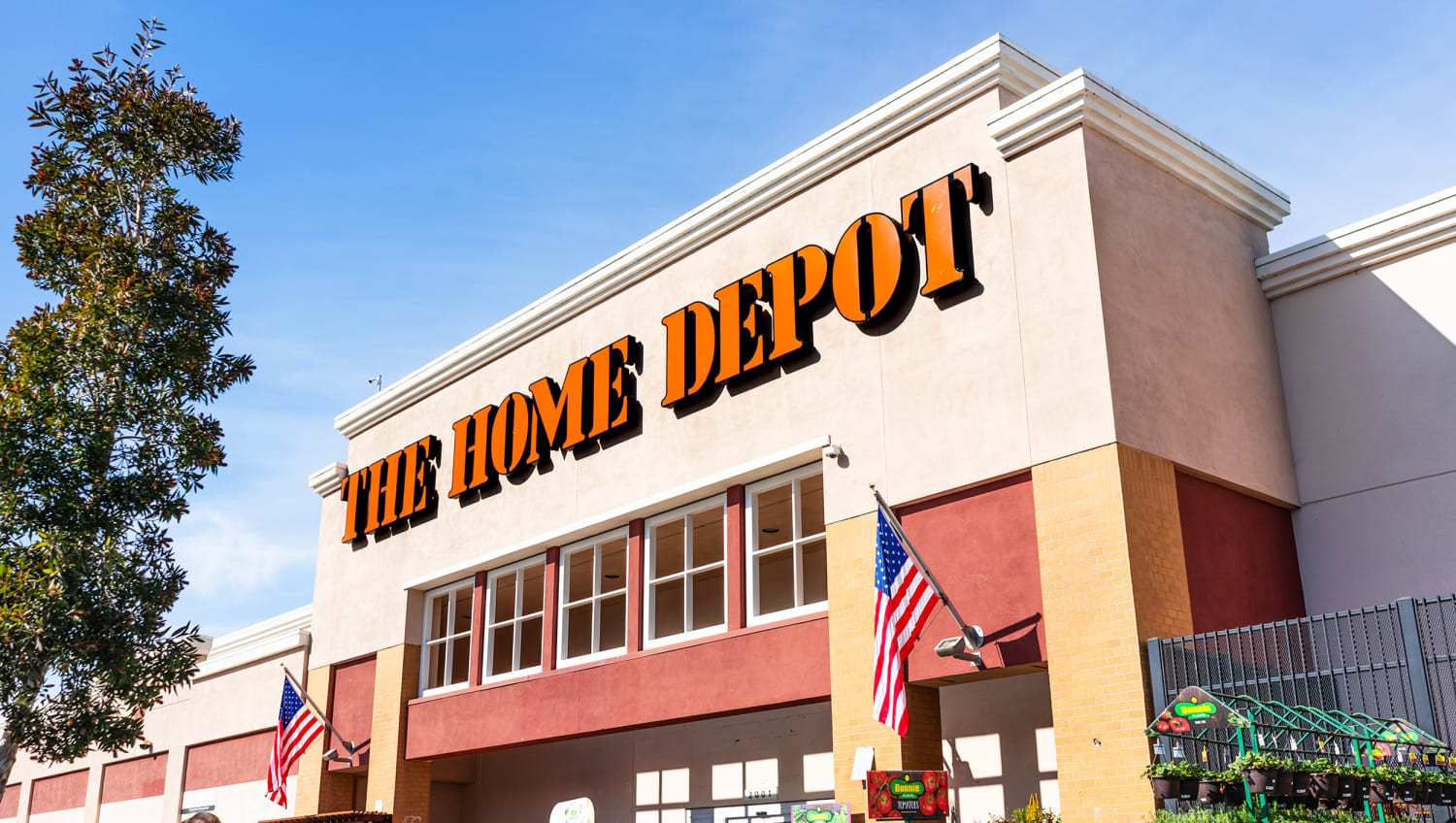
The visual identity of Home Depot is perhaps one of the most recognizable in the world. The specific shade of orange (PMS 165, for the design-minded) and the iconic orange apron are more than just uniforms; they are symbols of the brand’s democratized expertise. The apron signifies that the wearer is a “doer” and a helper. This branding is so effective that it transcends the physical store. When a customer looks up opening times, they are mentally preparing to interact with the “orange apron” persona—a brand archetype that is knowledgeable, rugged, and helpful. This persona is the human face of the brand’s reliability.
Operational Branding: How Store Hours and Logistics Define the Customer Experience
In the modern era, a brand is defined by its “friction.” The less friction a customer experiences, the stronger the brand affinity. Home Depot has invested heavily in “operational branding,” which ensures that the physical experience of visiting a store matches the digital expectation.

The Omnichannel Experience: Merging Search Intent with Physical Fulfillment
When a user types “what time does Home Depot open tomorrow” into a search engine, they are often met with a localized, real-time response. This is the result of Home Depot’s aggressive omnichannel strategy. The brand understands that the customer journey frequently begins on a smartphone screen and ends in a physical aisle. By ensuring that digital information regarding hours, inventory, and aisle location is perfectly synchronized with the physical store, Home Depot reduces cognitive load for the consumer. This seamlessness is a core component of modern brand equity; it builds trust through accuracy.
Frictionless Brand Interactions: Buy Online, Pick Up in Store (BOPIS)
Home Depot was an early adopter of the BOPIS model, which further integrates the brand into the customer’s schedule. The brand strategy here is to respect the customer’s time. By allowing a contractor to order materials at 10:00 PM and have them ready for pickup at 6:00 AM the following morning, Home Depot cements its role as an indispensable partner. The opening hour becomes a deadline that the brand promises to meet, turning a logistical function into a brand-building moment of truth.
Competitive Differentiation: Home Depot vs. Lowe’s
In the duopoly of the home improvement market, brand differentiation is vital. While Lowe’s has often leaned into a more “lifestyle” and “decor-oriented” branding, Home Depot has doubled down on its “warehouse” roots. This choice is deliberate. The “what time do they open” query often favors Home Depot in the minds of professionals because of the brand’s historical commitment to the early-morning trade.
Narrative Differences in Market Positioning
Lowe’s branding often feels softer, more focused on the aesthetics of the home. Home Depot, conversely, embraces the “grit” of home improvement. Their brand voice is more direct, their stores are designed to feel like working warehouses, and their marketing emphasizes the work itself rather than just the finished product. This “rugged” brand positioning makes the 6:00 AM opening time feel authentic to the brand’s DNA. It would feel off-brand for a rugged, warehouse-style retailer to open at 10:00 AM like a boutique mall store.
The “Pro” Moat: Why Brand Loyalty is Harder to Break
By capturing the professional market through specialized services, loyalty programs, and convenient hours, Home Depot creates a “brand moat.” A contractor who has a “Pro Xtra” account and is used to the store opening at a specific time is unlikely to switch to a competitor for a minor price difference. The brand loyalty is built on the foundation of habit and reliability. Home Depot’s strategy is to be the first name thought of when the sun rises and the work day begins.
Sustaining the Brand Legacy in a Digital-First World
As retail continues to evolve, Home Depot faces the challenge of maintaining its physical-first brand identity while expanding its digital footprint. The question of “what time do they open” may eventually be supplemented by “how fast can they deliver,” but the underlying brand promise remains the same: Home Depot is where the work gets done.
Community Engagement and Social Responsibility
A modern brand must also stand for something beyond its bottom line. Home Depot’s “The Home Depot Foundation” focuses on veteran housing and disaster relief, which aligns perfectly with its brand identity of building and repairing. This social responsibility branding reinforces the idea that Home Depot isn’t just a store that opens at 6:00 AM; it is a community pillar that helps rebuild when things go wrong. This creates a deeper emotional connection with the consumer, making the brand more resilient to market shifts.
The Future of the DIY Brand Identity
As younger generations (Millennials and Gen Z) become homeowners, Home Depot is adapting its brand strategy to meet their specific needs. This involves more focus on sustainability, smart home technology, and digital integration. However, the core identity of the brand remains tied to the physical location. No matter how many AI tools or AR apps the brand launches, the physical store remains the “cathedral of the doer.” The opening hours will continue to be a vital piece of information because they represent the moment the brand’s promise becomes a reality.
In conclusion, “what time does Home Depot open tomorrow” is more than a search query; it is a testament to a brand that has successfully positioned itself as the starting point for productivity. Through consistent operational excellence, a clear and rugged identity, and a focus on the high-value professional customer, Home Depot has built a brand that is synonymous with the very act of building. Its hours are its handshake—a promise to be ready when the world is ready to work.
aViewFromTheCave is a participant in the Amazon Services LLC Associates Program, an affiliate advertising program designed to provide a means for sites to earn advertising fees by advertising and linking to Amazon.com. Amazon, the Amazon logo, AmazonSupply, and the AmazonSupply logo are trademarks of Amazon.com, Inc. or its affiliates. As an Amazon Associate we earn affiliate commissions from qualifying purchases.