
For the modern investor, the ticking of the clock is as significant as the movement of a stock’s price. The question of when equity markets close today is more than a simple matter of logistics; it is a fundamental aspect of liquidity management, risk mitigation, and strategic execution. While the digital age has made trading feel like a 24/7 endeavor, the formal equity markets still operate within strictly defined windows that dictate the flow of trillions of dollars.
Understanding these hours is essential for anyone from the retail trader to the institutional fund manager. Market hours represent the period of peak liquidity—the time when the most buyers and sellers are active, ensuring that trades are executed at fair prices with minimal slippage. Outside of these hours, the landscape shifts dramatically.
Understanding Standard Trading Hours in Global Equity Markets
The standard trading day is the heartbeat of the financial world. It is during these hours that “price discovery” occurs—the process by which the market determines the value of an asset based on supply and demand.
The New York Stock Exchange (NYSE) and NASDAQ
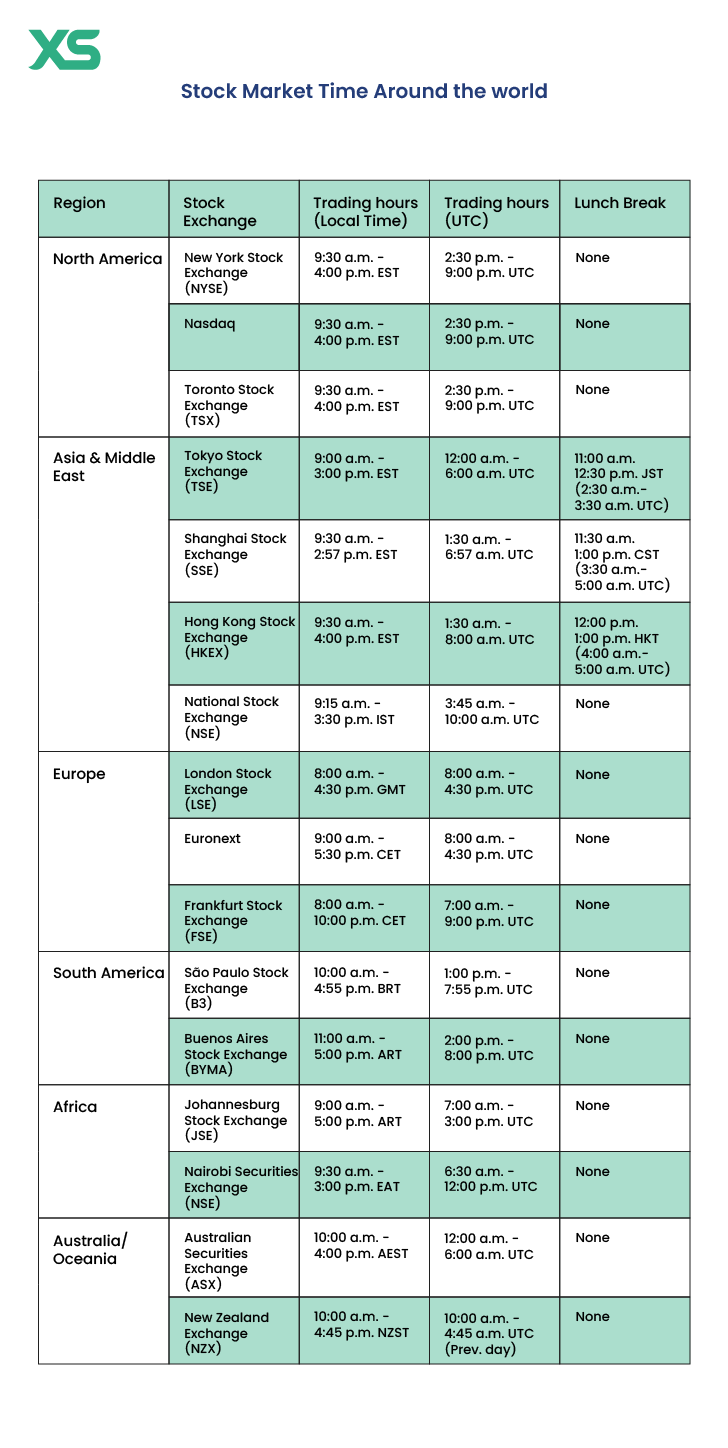
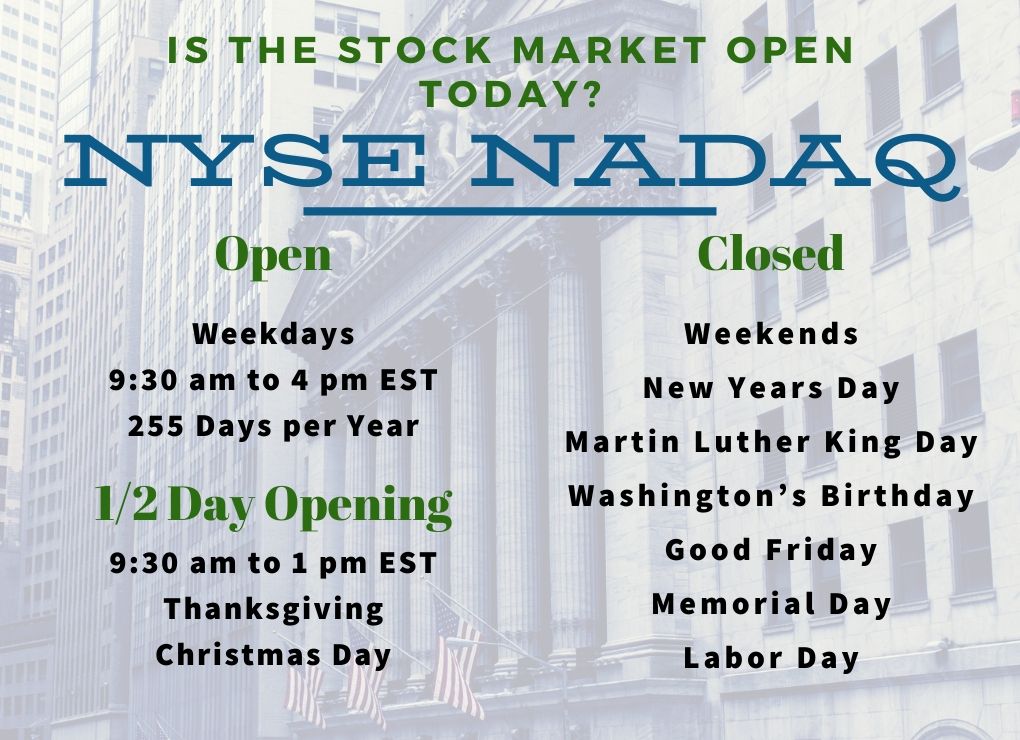
In the United States, the primary equity markets—the New York Stock Exchange (NYSE) and the NASDAQ—operate on a standard schedule from 9:30 AM to 4:00 PM Eastern Time (ET), Monday through Friday. This 6.5-hour window is when the vast majority of U.S. stock trading occurs. Unlike some international markets, U.S. exchanges do not close for a lunch break, maintaining continuous trading throughout the session.
The “closing bell” at 4:00 PM ET is an iconic moment in finance, signaling the end of the regular session. However, it is important to note that the final minutes of the day often see a massive surge in volume as institutional investors rebalance their portfolios and execute “market-on-close” orders.
European Markets: From London to Frankfurt
Crossing the Atlantic, European equity markets follow a different rhythm, often characterized by longer trading days. The London Stock Exchange (LSE), for example, opens at 8:00 AM and closes at 4:30 PM local time (GMT/BST). Similarly, the Euronext Paris and the Frankfurt Stock Exchange (DAX) operate from 9:00 AM to 5:30 PM Central European Time (CET).
A unique feature of many European markets is the midday break, though this has become less common in the major hubs. The overlap between the European afternoon and the U.S. morning (roughly 9:30 AM to 11:30 AM ET) is frequently the most volatile and liquid period of the day for global equities, as traders on both continents are active simultaneously.
The Asian-Pacific Landscape: Tokyo, Hong Kong, and Sydney
The trading day begins in the East. The Tokyo Stock Exchange (TSE) operates from 9:00 AM to 3:00 PM local time, but it includes a mandatory lunch break from 11:30 AM to 12:30 PM. This split session is a traditional hallmark of many Asian exchanges, including the Hong Kong Stock Exchange (HKEX), which trades from 9:30 AM to 4:00 PM with a break between 12:00 PM and 1:00 PM.
Investors looking at these markets must be acutely aware of time zone differences. For a New York-based investor, the Tokyo market effectively opens on Sunday evening and closes in the early hours of Monday morning. This “relay race” of global markets means that information reflected in the Asian close often sets the tone for the European open, which in turn influences the U.S. opening bell.
Beyond the Closing Bell: After-Hours and Pre-Market Trading
While the formal session might end at 4:00 PM ET in the U.S., the electronic reality of modern finance means that trading doesn’t truly stop. This is where “Extended-Hours Trading” comes into play.
How Extended Hours Trading Works
Extended-hours trading is divided into two segments: pre-market and after-hours. In the U.S., pre-market trading typically begins as early as 4:00 AM ET and runs until the market opens at 9:30 AM. After-hours trading begins immediately at the 4:00 PM close and can continue until 8:00 PM ET.
These sessions are conducted through Electronic Communication Networks (ECNs), which automatically match buy and sell orders. Originally, extended trading was reserved for institutional investors, but today, most major brokerage platforms allow retail investors to participate. This access is crucial when significant news—such as quarterly earnings reports or geopolitical events—breaks outside of standard hours.
The Risks and Rewards of Post-Market Orders
Trading after the markets close today carries distinct risks that differ from the regular session. The primary concern is liquidity. With fewer participants, the “bid-ask spread”—the difference between what a buyer is willing to pay and what a seller is willing to accept—widens significantly. This can lead to “slippage,” where a trade is executed at a much worse price than anticipated.
Furthermore, price volatility is often magnified. A small number of trades can move a stock’s price by several percentage points in minutes. For the disciplined investor, after-hours trading is a tool for reaction, but for the unwary, it can be a trap. Most professionals recommend using “limit orders” during these periods to ensure you do not pay more or receive less than your specified threshold.
Market Holidays and Early Closures: Staying Ahead of the Calendar
The question “what time do equity markets close today” often depends on whether today falls on a holiday or the eve of a major holiday. Equity markets do not follow the standard 365-day calendar; they have their own specific observances.
Federal Holidays and Scheduled Breaks
In the United States, the NYSE and NASDAQ are closed for several federal holidays, including New Year’s Day, Martin Luther King Jr. Day, Washington’s Birthday (Presidents’ Day), Good Friday, Memorial Day, Juneteenth, Independence Day, Labor Day, Thanksgiving Day, and Christmas Day.
When these holidays fall on a weekend, the market typically closes on the preceding Friday or the following Monday. For global investors, this creates “fragmented liquidity.” If the U.S. market is closed for Thanksgiving, but the London and Tokyo markets remain open, global trading volumes are usually significantly lower, as the world’s largest pool of capital remains on the sidelines.
The Significance of Early Close Days
There are also specific days when the market closes early, usually at 1:00 PM ET. This typically occurs on the day after Thanksgiving (Black Friday) and sometimes on Christmas Eve or July 3rd, depending on the day of the week.
Early closures are notoriously thin in terms of volume. Many institutional desks operate with “skeleton crews,” and the lack of participants can lead to erratic price movements. For personal finance management, these are often days to avoid making major portfolio shifts unless necessary, as the cost of execution may be higher than on a standard full-day session.
Strategic Timing: Why the Closing Hour Matters for Investors
The final hour of trading, often referred to as the “Power Hour,” is one of the most critical periods for price action. Understanding why the market closes at a specific time—and what happens leading up to it—can provide a significant edge.
The “Closing Cross” and Institutional Liquidity
At the exact moment the market closes, the exchanges perform what is known as the “Closing Cross.” This is a specialized auction process that aggregates all the limit and market orders submitted throughout the day to find the single price that clears the most volume. This “closing price” is the official price used by mutual funds to calculate their Net Asset Value (NAV) and by indices to determine their daily performance.
Because so much benchmarked capital depends on this final price, institutional investors often wait until the last few minutes of the day to execute large trades. This ensures they get a price as close to the official close as possible, reducing “tracking error” for index-based funds.
Intraday Volatility and Market Psychology
The closing time also serves as a psychological deadline. Day traders must close out their leveraged positions to avoid margin calls or overnight holding risks. This often leads to a flurry of activity in the final 30 minutes of trading.
If a market has been trending upward all day, a “strong close”—where the price finishes at the high of the day—is often viewed as a bullish signal for the following morning. Conversely, a “weak close,” where prices collapse in the final minutes, suggests that sellers are in control and that downward pressure may continue into the next session.
Navigating Time Zones and Global Market Interconnectivity
In the modern era, the closing time of one market is often the catalyst for the opening of another. We live in a world of interconnected capital, where a late-day sell-off in New York can trigger a panic in Tokyo just hours later.
The 24-Hour Global Cycle
For the sophisticated investor, the market never truly closes; it simply migrates. When the U.S. equity markets close at 4:00 PM ET, the attention of the global financial community shifts to the after-hours market and then to the Australian Securities Exchange (ASX), which opens shortly thereafter.
This 24-hour cycle is particularly important for those trading multi-national corporations. A company like Apple or BP is affected by news and currency fluctuations that happen while their primary listing exchange is closed. Monitoring the “gray markets” or American Depositary Receipts (ADRs) that trade on different exchanges can provide clues about how a stock will open the following day.

Impact of Overlapping Trading Sessions
The most critical periods for global finance are the overlaps. The U.S./Europe overlap (mornings in New York) sees the highest volume of currency and equity trading in the world. Decisions made during this window carry the most weight. When the European markets close (usually around 11:30 AM ET), there is often a noticeable shift in U.S. market dynamics as “continental” liquidity exits the system, leaving the U.S. market to find its own direction for the remainder of the afternoon.
Staying informed about “what time do equity markets close today” is not just about knowing when to stop working; it is about understanding the flow of global liquidity. Whether you are managing a personal retirement account or active in daily swing trading, the clock is a constant partner in the quest for financial growth. By respecting the opening and closing bells—and understanding the volatility that lives in between—investors can better navigate the complexities of the modern financial landscape.
aViewFromTheCave is a participant in the Amazon Services LLC Associates Program, an affiliate advertising program designed to provide a means for sites to earn advertising fees by advertising and linking to Amazon.com. Amazon, the Amazon logo, AmazonSupply, and the AmazonSupply logo are trademarks of Amazon.com, Inc. or its affiliates. As an Amazon Associate we earn affiliate commissions from qualifying purchases.