
For millions of Americans, the arrival of a direct deposit is more than just a transaction; it’s the heartbeat of their financial life. It signifies the culmination of hard work, providing the necessary funds for bills, savings, and discretionary spending. Knowing precisely when your hard-earned money will land in your account at Bank of America is critical for effective personal finance management, preventing overdrafts, and planning expenditures. This comprehensive guide will demystify the direct deposit process at one of the nation’s largest financial institutions, equipping you with the knowledge to manage your finances with greater confidence and precision.
Understanding the timing of direct deposits involves more than just checking your bank app. It’s a complex interplay between your employer’s payroll system, the Automated Clearing House (ACH) network, and Bank of America’s internal processing protocols. While many expect their funds to appear magically at midnight on payday, the reality is often a bit more nuanced, governed by banking business hours and the batch processing nature of electronic transfers.
Understanding the Mechanics of Direct Deposits
To truly grasp when your money arrives, it’s essential to first understand the underlying system that facilitates these transfers. Direct deposits are not instantaneous real-time payments but rather an efficient, secure, and widely adopted electronic funds transfer method operating within a specific framework.
The Role of the ACH Network in Fund Transfers
At the heart of every direct deposit lies the Automated Clearing House (ACH) network. This electronic network, managed by Nacha (National Automated Clearing House Association), is the backbone for virtually all electronic payments in the United States, including direct deposits, automatic bill payments, and person-to-person transfers. Unlike wire transfers, which are immediate and costly, ACH transactions are processed in batches throughout the day.
When your employer initiates payroll, they send a file containing all employee direct deposit instructions to their bank. This “originating depository financial institution” (ODFI) then sends these files to the ACH network. The ACH network consolidates these batches and forwards them to the “receiving depository financial institution” (RDFI), which in your case is Bank of America. This batch processing means there’s a slight delay from when the employer initiates the payment to when the funds are actually made available in your account. The standard processing time for ACH transactions is typically 1-2 business days, although for direct deposits, it’s often expedited to ensure funds are available on the designated payday.
Employer Payroll Processing and Lead Times
The journey of your direct deposit begins with your employer’s payroll department or their outsourced payroll service provider (like ADP, Paychex, or Gusto). Employers typically initiate payroll files a few business days before the actual payday. This lead time is crucial, allowing for the ACH network to process the transactions and for funds to clear. For example, if your payday is Friday, your employer might submit the payroll file to their bank on Wednesday.
The exact time an employer submits their payroll file can significantly influence when your money becomes available. Most employers adhere to strict payroll schedules to ensure timely payment. However, variations can occur based on the size of the company, their payroll system, and their banking relationships. It’s important to remember that once your employer submits the file, the ball is then in the court of the banking system.
Bank of America’s Internal Processing and Availability
Once Bank of America receives the ACH file containing your direct deposit information, they must process it and make the funds available to your account. Banks have internal cut-off times for processing incoming ACH transactions. Funds are generally made available based on Nacha rules and the bank’s own funds availability policy.
For direct deposits, Bank of America typically posts funds early on the designated payday. While there isn’t an exact universal time across all accounts, most direct deposits processed through the ACH network are reflected in Bank of America accounts early in the morning on the scheduled payday, often between 3:00 AM and 7:00 AM Eastern Time. This early availability is a common practice among major banks to ensure customers have access to their money as soon as possible on their payday. However, it’s crucial to understand that “early morning” can still vary slightly and depends on when the batch file was received and processed by the bank.
Typical Direct Deposit Timing at Bank of America
While the ACH network provides the infrastructure, Bank of America’s specific policies dictate when you can actually access your money. For most account holders, the process is consistent, but a few factors can introduce minor variations.
Standard Deposit Window: Early Morning on Payday
As a general rule, direct deposits with Bank of America are posted and become available on the morning of your scheduled payday. If your payday is Friday, you can typically expect to see the funds in your account and available for use sometime between 3:00 AM and 7:00 AM ET on that Friday. This allows individuals to conduct transactions, pay bills, or transfer funds early in the day.
It’s important to note that while the funds may appear in your online banking or mobile app around this time, they are officially considered “available” for withdrawal or transactions. Bank of America does not generally hold direct deposits for an extended period, especially from established employers. However, if there are any issues with the transmitting bank or the ACH file itself, very rarely a minor delay could occur.
The Influence of Weekends and Federal Holidays
The banking system operates on business days. This means that weekends and federal holidays can impact the timing of your direct deposit. If your scheduled payday falls on a Saturday, Sunday, or a federal holiday, your direct deposit will typically be processed and made available on the preceding business day.
For example, if your payday is usually on a Friday but that Friday is a federal holiday, your direct deposit will likely hit your Bank of America account on Thursday morning. Similarly, if your payday is a Monday, and Monday is a federal holiday, you would likely see your funds on the preceding Friday morning. Employers and their payroll providers usually account for these non-business days when scheduling payments to avoid delays for their employees. Always check the academic calendar or federal holiday schedule to anticipate these shifts in your pay schedule.
Does Bank of America Offer Early Direct Deposits?
Unlike some challenger banks and fintech platforms that promote “early” direct deposits (sometimes 1-2 days before the official payday), Bank of America generally does not offer a widespread “early payday” feature for all direct deposits. Funds are typically made available on the designated pay date.
The ability of some financial institutions to offer early direct deposits often stems from their internal processing and willingness to front the money based on receiving early notification of an incoming ACH credit. Bank of America, as a traditional large bank with vast operational complexities, adheres more strictly to the standard ACH processing schedule, making funds available on the official payday rather than significantly in advance. Therefore, customers should plan their finances around the expectation that their money will arrive on the official payday, not before.
Factors Influencing Direct Deposit Arrival
While the general timeframe is predictable, several factors can subtly influence the exact moment your direct deposit lands in your Bank of America account. Understanding these nuances can help in troubleshooting and setting realistic expectations.
Sender’s Bank Processing and Initiation Time
The journey of your direct deposit starts with your employer’s bank (the ODFI). The time they initiate the payroll file to the ACH network is the first critical step. If your employer’s bank submits the file later in the day, it might be processed in a later ACH batch, potentially affecting when Bank of America receives and processes it. Most employers aim for early submission to ensure timely delivery, but variations exist.
Furthermore, if your employer uses an older payroll system or a smaller bank, their processing might not be as streamlined as larger institutions. Any delay on their end cascades down the line to your receiving bank.
Employer’s Payroll Provider Practices
Many businesses outsource their payroll to third-party providers such as ADP, Paychex, or Gusto. These providers manage the complexities of payroll, including submitting direct deposit files to the ACH network. Each provider has its own internal cut-off times and processing schedules.

While highly reliable, some payroll providers might have different lead times for file submission, which can marginally affect the arrival time. For instance, a very large payroll provider might aggregate payments from numerous companies, submitting vast batches to the ACH network, which generally contributes to efficiency and predictability rather than delays.
Account Type and Status (Rare Impact)
For the vast majority of Bank of America checking and savings accounts, the direct deposit timing is consistent. However, in rare instances, certain account statuses or types could theoretically influence processing. For example, a newly opened account might have initial scrutiny, or an account with a history of fraud or disputes could face temporary delays for verification. These are exceptions rather than the norm and would typically involve direct communication from the bank. For most healthy, established accounts, your account type (e.g., Advantage Plus, Advantage Relationship) will not impact the speed of your direct deposit.
Technical Glitches or Network Delays
While the ACH network is incredibly robust and reliable, no electronic system is entirely immune to technical issues. On very rare occasions, an unexpected system outage at the employer’s bank, the ACH network itself, or Bank of America could potentially cause a delay. These events are uncommon and usually resolved quickly, but they are a possibility. If you experience a significant and unusual delay, especially when others have received their deposits, a technical glitch could be a factor.
How to Effectively Monitor Your Direct Deposit Status
Proactive monitoring and proper financial hygiene are crucial for managing your money around direct deposits. Bank of America offers several tools to help you stay informed.
Utilizing Bank of America Online Banking and Mobile App
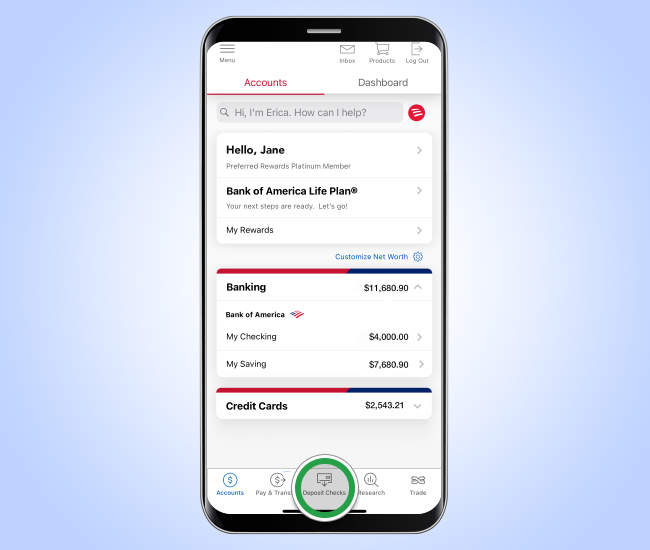
The easiest and most efficient way to check the status of your direct deposit is through Bank of America’s online banking portal or their highly-rated mobile app. Both platforms offer real-time access to your account balances and transaction history.
- Log In: Access your account via BankofAmerica.com or the mobile app.
- Check Account Balance: Your current balance will reflect any posted deposits.
- Review Recent Transactions: Look for a pending or posted transaction labeled “Direct Deposit” or with your employer’s name. Sometimes, it might appear as “Pending” first before fully posting.
- Scheduled Transactions: The app often shows scheduled incoming deposits a day or two in advance, giving you a heads-up.
Setting Up Custom Alerts for Direct Deposits
Bank of America allows you to set up customizable alerts to notify you when certain account activities occur. This is an excellent tool for direct deposits:
- Access Alerts Settings: In online banking or the mobile app, navigate to the “Alerts” section.
- Select “Deposit Received” Alert: You can typically set up an alert to notify you via text message or email when a deposit over a certain amount hits your account.
- Customize Thresholds: You might set the alert for any deposit over $X, ensuring you’re notified immediately when your paycheck arrives.
These alerts provide instant confirmation, removing the need to constantly log in and check your account manually.
When and How to Contact Bank of America Customer Service
If your direct deposit is significantly delayed beyond the expected timeframe, and you’ve confirmed with your employer that they submitted the payroll file, it might be time to contact Bank of America.
- First, Verify with Employer: Always confirm with your employer’s payroll department that they have indeed submitted the payment and confirmed the correct account information. They can provide proof of submission or an ACH trace number.
- Contact Bank of America: If your employer confirms submission and the deposit is still missing, reach out to Bank of America customer service. Have your account details, your employer’s information, and the expected deposit amount and date ready.
- Explain the Situation: Clearly state that your direct deposit is missing. They can investigate the incoming ACH transactions for your account.
While rare for established direct deposits, contacting the bank is the next step if standard channels don’t reflect your funds.
Maximizing Financial Planning Around Direct Deposits
Understanding the timing of your direct deposit isn’t just about curiosity; it’s a fundamental aspect of sound personal financial management. Strategic planning around your payday can significantly enhance your financial well-being.
Budgeting for Payday: Synchronizing Income and Expenses
Knowing exactly when your paycheck hits allows you to synchronize your budget with your income flow. Many people use a “paycheck-to-paycheck” budgeting method, where they allocate funds for bills and expenses as soon as their income arrives.
- Bill Payment Schedule: Align your automatic bill payments (rent/mortgage, utilities, loan payments) to occur shortly after your direct deposit. This ensures funds are always available and avoids late fees.
- Zero-Based Budgeting: If you use a zero-based budget, you can immediately assign every dollar of your paycheck to a specific category (savings, debt, spending) once it lands.
- Cash Flow Management: For those with variable income or complex budgets, anticipating direct deposit arrival helps manage cash flow effectively, ensuring you have enough liquidity for immediate needs.
Avoiding Overdrafts and Insufficient Funds Fees
One of the most immediate financial benefits of knowing your direct deposit timing is the ability to prevent overdrafts. Spending money you don’t yet have, in anticipation of an incoming deposit, is a common cause of costly overdraft fees.
By confirming your direct deposit has arrived before making large purchases or scheduled payments, you can avoid charges for insufficient funds. Bank of America, like other banks, charges fees for overdrafts, which can quickly erode your hard-earned money. Using alerts and regularly checking your balance eliminates this risk.
Automating Savings and Debt Payments
Payday is the perfect opportunity to implement a “pay yourself first” strategy. Once your direct deposit clears:
- Automate Savings Transfers: Set up automatic transfers from your checking account to your savings account, retirement fund, or investment account to occur immediately after payday. This ensures you prioritize saving before other expenses.
- Accelerate Debt Repayment: Schedule additional principal payments to credit cards, student loans, or other debts directly after your deposit. Automating these small, consistent payments can significantly reduce interest paid and accelerate debt freedom.
This disciplined approach ensures that a portion of your income consistently goes towards your long-term financial goals, leveraging the predictability of your direct deposit schedule.

Conclusion
The direct deposit system, powered by the ACH network, is a cornerstone of modern personal finance, offering unparalleled convenience and security. For Bank of America customers, understanding “what time direct deposits hit” boils down to expecting funds to be available early in the morning on your scheduled payday, typically between 3:00 AM and 7:00 AM ET. While weekends and federal holidays can shift this timing to the preceding business day, the process is generally reliable and predictable.
Armed with this knowledge, coupled with the robust tools offered by Bank of America’s online banking and mobile app, you can effectively monitor your funds, set up crucial alerts, and plan your financial life with greater precision. By aligning your budgeting, bill payments, and savings strategies with the arrival of your direct deposit, you’re not just waiting for money; you’re actively managing your financial future. This proactive approach transforms a routine banking transaction into a powerful tool for achieving your personal financial goals.
aViewFromTheCave is a participant in the Amazon Services LLC Associates Program, an affiliate advertising program designed to provide a means for sites to earn advertising fees by advertising and linking to Amazon.com. Amazon, the Amazon logo, AmazonSupply, and the AmazonSupply logo are trademarks of Amazon.com, Inc. or its affiliates. As an Amazon Associate we earn affiliate commissions from qualifying purchases.