
For many consumers and business owners, the question “what time do banks close today?” is often prompted by an urgent financial need. Whether you are looking to deposit a physical check, secure a cashier’s check for a real estate closing, or consult with a financial advisor about a loan, understanding the operational rhythms of the banking industry is essential for effective personal finance management.
In the modern era, the definition of “banking hours” has evolved. While the traditional “9-to-5” window still serves as a baseline for most brick-and-mortar branches, the rise of digital finance and 24/7 mobile access has blurred the lines of when a bank is truly “open.” This guide explores the standard operating procedures of financial institutions, the impact of the federal calendar, and strategies to manage your money effectively when the physical doors are locked.
Standard Operating Hours and the Logic Behind Bank Schedules
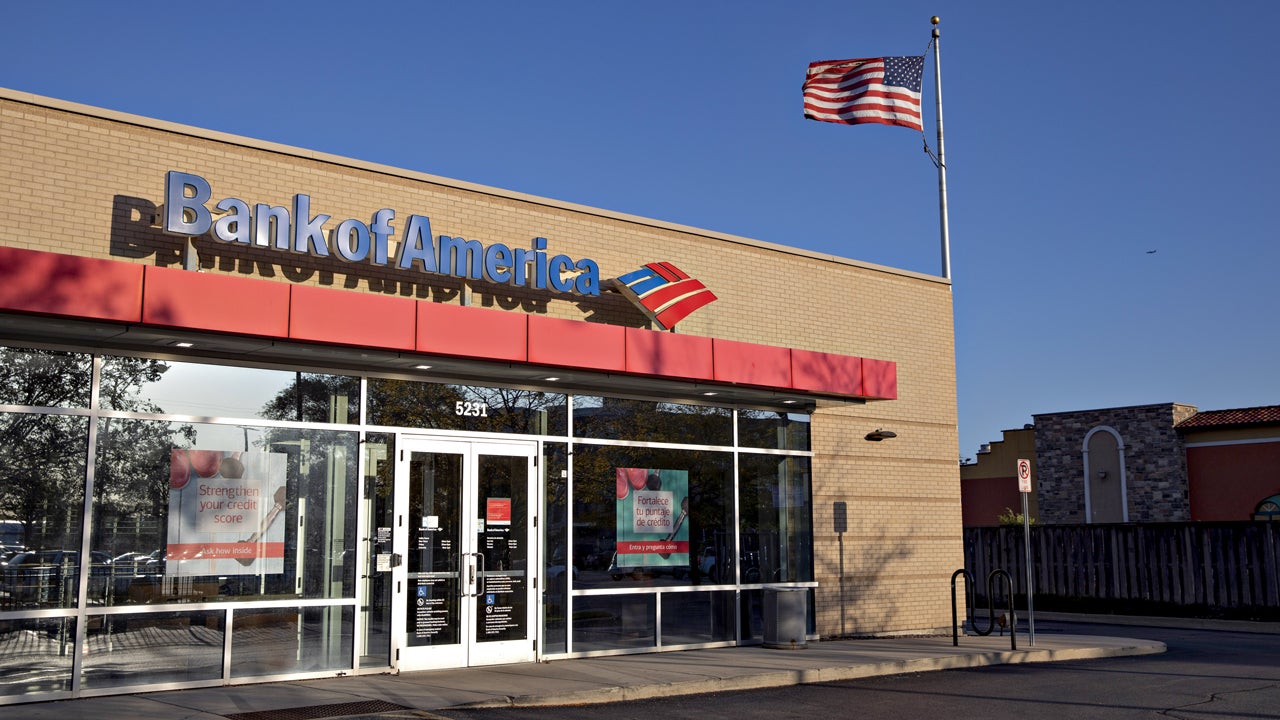
Most commercial banks and credit unions in the United States follow a relatively standardized schedule, though there are variations based on the specific institution and its location. Generally, physical branches open between 8:00 AM and 9:00 AM and close between 4:00 PM and 6:00 PM on weekdays.
Typical Weekday and Weekend Hours
On Mondays through Thursdays, most banks adhere to a strict closing time of 5:00 PM. Fridays often see slightly extended hours, with some branches staying open until 6:00 PM to accommodate customers preparing for the weekend. Saturdays are a different story; many banks operate on a “half-day” schedule, typically opening at 9:00 AM and closing by 12:00 PM or 1:00 PM. It is important to note that many branches remain closed entirely on Sundays, citing the lack of federal clearinghouse activity.
Why Banks Close Earlier Than Other Retail Businesses
To the average consumer, it may seem counterintuitive that banks close right as the working population is leaving their jobs. This practice is rooted in the “back-office” requirements of the financial sector. After the lobby doors close, bank staff must perform a rigorous reconciliation process. This involves balancing the vaults, verifying physical deposits, and ensuring that every penny accounted for during the day matches the digital ledger.
Furthermore, banking hours are historically aligned with the Federal Reserve’s processing windows. Because the movement of money between institutions relies on the Federal Reserve’s wire and ACH (Automated Clearing House) systems, banks structure their public-facing hours to ensure they can meet the daily cutoff times for fund transfers.
Understanding Bank Holidays and the Federal Reserve Calendar
If you find yourself asking “what time do banks close today?” on a Monday, you must first check the calendar for federal holidays. Banks operate in lockstep with the Federal Reserve System, meaning if the “Fed” is closed, your local branch is almost certainly closed as well.
The Impact of Federal Holidays on Transactions
There are eleven standard federal holidays in the United States, including New Year’s Day, Martin Luther King Jr. Day, Presidents’ Day, Memorial Day, Juneteenth, Independence Day, Labor Day, Indigenous Peoples’ Day (Columbus Day), Veterans Day, Thanksgiving, and Christmas.
When a bank is closed for a federal holiday, it doesn’t just mean you can’t walk into a lobby. It means that the processing of “business days” pauses. For example, if you deposit a check via a mobile app on a Sunday preceding a Monday federal holiday, the deposit may not begin processing until Tuesday. For businesses managing cash flow or individuals waiting on a cleared deposit to pay rent, this one-day delay can have significant financial implications.
Observing “Banker’s Hours” in a Global Economy
The term “banker’s hours” was once used derisively to describe a short workweek. However, in today’s globalized economy, financial institutions must balance local physical presence with global digital availability. While the branch closes at 5:00 PM, the bank’s investment arms and digital security teams operate around the clock. Understanding this distinction is key to sophisticated money management; while the people might be gone for the day, the system is still reacting to global market fluctuations and digital transactions.
Digital Banking: Why “Closing Time” No Longer Stops Your Money

In the niche of personal finance, the most significant revolution of the last two decades has been the decoupling of “banking” from “the bank building.” The question of what time a bank closes is increasingly irrelevant for those who have mastered digital financial tools.
Leveraging Online Banking Tools for 24/7 Access
The majority of daily financial tasks—checking balances, transferring funds between accounts, and paying bills—can now be done via mobile apps or desktop portals at 2:00 AM just as easily as at 2:00 PM. Modern banking apps provide a level of autonomy that eliminates the need to beat the 5:00 PM clock. For instance, setting up “Auto-Pay” for recurring bills ensures that payments are sent according to the schedule you define, regardless of whether the physical bank branch is open.
Mobile Deposits and Immediate Fund Availability
One of the primary reasons people visit a bank is to deposit checks. Mobile Deposit Capture (MDC) technology has transformed this. By taking a photo of a check through a secure app, users can initiate a deposit from their living room.
However, a professional tip for money management is to be aware of the “cutoff time.” Even in the digital world, banks have a daily deadline—often between 6:00 PM and 9:00 PM—after which a digital deposit is treated as having occurred on the following business day. Knowing your specific bank’s digital cutoff time is just as important as knowing their physical closing time if you are trying to maximize interest or meet a payment deadline.
Strategies for Managing Urgent Financial Needs After Hours
There will always be instances where digital banking isn’t enough, and you need a “physical” interaction with your funds after the branch has closed. In these moments, strategic use of financial infrastructure is vital.
Utilizing ATMs and Interactive Teller Machines (ITMs)
The basic ATM has evolved significantly. Many modern machines now allow for “envelope-free” deposits of both cash and checks. Furthermore, a new trend in the financial industry is the Interactive Teller Machine (ITM). These look like ATMs but feature a video screen where you can speak with a live teller in a remote location. ITMs often have extended hours, sometimes staying open until 8:00 PM or 9:00 PM, allowing customers to perform complex transactions like loan payments or specific cash denominations that a standard ATM cannot handle.
Peer-to-Peer (P2P) Payment Solutions for Instant Transfers
If the bank is closed and you need to send money to someone immediately, P2P services integrated within your banking app (such as Zelle) or external apps (like Venmo or Cash App) are indispensable. Unlike traditional ACH transfers, which rely on the Federal Reserve’s business day schedule, P2P transfers often move money between accounts almost instantly. This is a critical tool for personal finance management when traditional banking infrastructure is offline for the evening or a holiday.
The Future of Retail Banking: Branch Accessibility and Evolution
As we look toward the future of money, the physical bank branch is undergoing a transformation. The trend is moving away from the massive, marble-columned buildings of the past toward smaller, more agile “micro-branches.”
The Trend Toward “Micro-Branches” and Extended Hours
To compete with “neobanks” (online-only banks), traditional institutions are rethinking their physical footprint. Some banks are experimenting with “café-style” branches located in high-traffic retail areas, which often maintain hours that align with mall or shopping center schedules rather than traditional banking hours. These locations focus less on simple transactions and more on financial education and high-level consulting.
Balancing Human Expertise with Digital Convenience
While 90% of banking can now be done digitally, the “human element” remains a premium service. For complex financial decisions—such as wealth management, mortgage applications, or business line-of-credit negotiations—the physical branch remains the gold standard.
The sophisticated consumer treats the bank’s physical hours as a resource for strategy and the digital app as a resource for transactions. By understanding that banks close their doors to manage the administrative side of finance, you can better plan your visits for moments when you truly need professional insight, rather than just a simple deposit.
In summary, while “what time do banks close today” is a simple question, the answer reveals much about how our financial system operates. By mastering the blend of traditional hours, federal schedules, and digital tools, you can ensure that your money continues to work for you long after the “Closed” sign has been turned.
aViewFromTheCave is a participant in the Amazon Services LLC Associates Program, an affiliate advertising program designed to provide a means for sites to earn advertising fees by advertising and linking to Amazon.com. Amazon, the Amazon logo, AmazonSupply, and the AmazonSupply logo are trademarks of Amazon.com, Inc. or its affiliates. As an Amazon Associate we earn affiliate commissions from qualifying purchases.