
The ubiquitous Automated Teller Machine (ATM) has become an indispensable pillar of modern financial management, offering unparalleled access to funds and a suite of banking services. For many, the very thought of an ATM having “closing hours” might seem anachronistic, given their perceived 24/7 availability. This perception largely holds true, yet a deeper dive reveals nuances that can significantly impact personal and business financial planning. Understanding the operational realities of ATMs is crucial for maintaining financial agility and ensuring uninterrupted access to your money.
The Ubiquitous 24/7 Access: Understanding ATM Operational Hours
The fundamental premise of the ATM network is to provide continuous, convenient access to banking services outside traditional bank branch hours. Unlike brick-and-mortar institutions with set opening and closing times, most ATMs are engineered to operate around the clock, every day of the year. This design principle was revolutionary upon their introduction and remains a cornerstone of their value proposition as a critical financial tool.

Dispelling the Myth of “Closing Times”
For the vast majority of ATMs, particularly those located independently or in public spaces, the concept of “closing” simply does not apply. These machines are hardwired into a secure network, continuously receiving power and data, making them accessible whether it’s midday or the dead of night. This continuous operation is a deliberate strategic choice by financial institutions to enhance customer service, reduce the burden on branch staff for routine transactions, and ensure liquidity for individuals and businesses at all times. From an economic perspective, the operational costs of maintaining 24/7 availability are offset by the convenience offered to millions, reducing the need for more expensive human-operated services.
The Rationale Behind Continuous Availability
The primary driver for 24/7 ATM access is convenience, but several other factors contribute to this operational model. For individuals, it means immediate access to cash for emergencies, late-night purchases, or simply avoiding peak banking hours. For businesses, particularly those operating outside conventional hours, ATMs facilitate late deposits, withdrawals for petty cash, or managing float. Moreover, in an increasingly globalized world, continuous access caters to diverse time zones and travel needs. The technology infrastructure supporting ATMs is robust, designed for high uptime, and backed by sophisticated monitoring systems that alert banks to potential issues, often before they impact users. This ensures that ATMs remain a reliable conduit for financial transactions, empowering users with constant control over their liquid assets.
Beyond the Cash: A Comprehensive Look at ATM Services
While often synonymous with cash withdrawals, modern ATMs are sophisticated financial tools offering a much broader range of services. Leveraging an ATM effectively means understanding its full capabilities, which can streamline various aspects of personal and business finance.
Deposits, Transfers, and Bill Payments
Beyond dispensing cash, many ATMs facilitate direct deposits of checks and cash into your accounts, often providing immediate credit or same-day processing depending on the institution and time of day. This feature is invaluable for small businesses needing to deposit daily takings or individuals receiving checks outside banking hours. Furthermore, inter-account transfers – moving money between your checking and savings, or even to linked accounts – are common. A growing number of ATMs also support bill payments for utilities, credit cards, or other services, acting as a mini-branch that handles routine transactions with efficiency and speed, thereby enhancing your control over expenditures and ensuring timely payments to avoid late fees.
Account Inquiries and Mini Statements
For effective personal finance management, knowing your current balance and recent transaction history is essential. ATMs provide instant account balance inquiries, giving you real-time insight into your available funds. Many also offer mini statements, printing a summary of your last few transactions. This feature is particularly useful for reconciling accounts, tracking spending, or quickly verifying direct deposits and payments without needing to log into online banking or visit a branch. It acts as a quick audit tool, supporting responsible money management.
Specialized ATM Functions
The evolution of ATM technology has led to the introduction of specialized functions that further extend their utility. Some ATMs now offer currency exchange services for travelers, allowing foreign currency withdrawals or exchanges at competitive rates. Others might allow you to purchase gift cards, reload prepaid mobile phones, or even buy event tickets. These advanced functionalities transform the ATM from a simple cash dispenser into a versatile financial hub, consolidating multiple financial tasks into one convenient location and reducing the need for separate visits to different service providers.
Navigating Exceptions: When ATM Access Might Be Limited
While the expectation of 24/7 ATM access is largely met, there are specific scenarios where availability might be temporarily limited or where certain restrictions apply. Being aware of these exceptions is vital for proactive financial planning and avoiding inconvenience.
Bank Branch vs. Off-Site ATMs
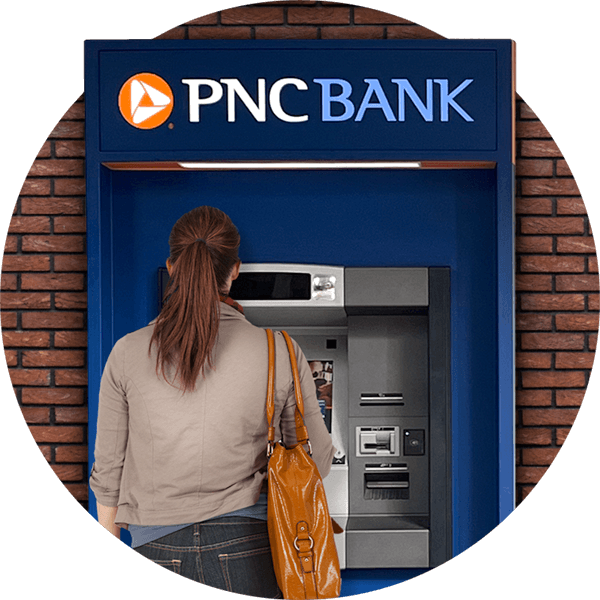
ATMs located inside bank branches often adhere to the branch’s operating hours. While the machine itself might technically be capable of 24/7 operation, the physical access to it is restricted by the building’s opening and closing times. This is a crucial distinction from standalone ATMs in supermarkets, convenience stores, or outdoor locations, which typically remain accessible regardless of time. Therefore, if you specifically rely on an ATM inside a branch for a particular service or believe it might have higher cash reserves, plan your visit accordingly.
Scheduled Maintenance and Technical Glitches
Like any piece of sophisticated machinery, ATMs require periodic maintenance. Financial institutions schedule routine servicing, software updates, and cash replenishment, which might temporarily take a machine offline. While efforts are made to conduct these during off-peak hours, some disruption is inevitable. Furthermore, technical malfunctions – such as card reader errors, network connectivity issues, or internal component failures – can render an ATM temporarily inoperable. These instances are usually detected by monitoring systems, prompting quick response teams, but they still represent a period of limited access.
Security Concerns and Location-Specific Restrictions
In certain high-risk areas or during periods of heightened security alerts, some ATM operators or property owners may temporarily restrict access to machines, particularly those in isolated or less-monitored locations. This is an infrequent but necessary measure to protect both the machine and its users. Additionally, ATMs located within shopping malls, airports, or private establishments may have their access dictated by the operating hours of that specific venue, even if the ATM itself is fully functional.
Bank-Imposed Limits and Daily Transaction Caps
While not directly related to “closing times,” it’s important to remember that all ATMs are subject to bank-imposed daily withdrawal and deposit limits. These limits are in place for security reasons and to manage cash flow. If your financial need exceeds your daily limit, the ATM will deny the transaction, regardless of the time of day. Similarly, some ATMs may have limits on the number of transactions per day or the maximum amount that can be deposited in a single transaction. Understanding your specific bank’s limits is crucial for large financial movements.
Maximizing Your Financial Agility with ATMs
Leveraging ATMs intelligently can significantly enhance your financial agility, providing control and flexibility in managing both personal and business finances. Their constant availability is a powerful asset when integrated into a broader financial strategy.
Strategic Use for Personal Finance Management
For individuals, ATMs serve as a crucial tool for budgeting and emergency preparedness. Strategic withdrawals can help stick to a cash-based budget, while the ability to deposit checks or cash at any time ensures timely fund availability. For travelers, ATMs provide a convenient way to access local currency without carrying large amounts of cash or incurring high foreign exchange fees at currency kiosks. Integrating ATM use into a personal financial routine can help maintain liquidity, manage daily expenses, and respond swiftly to unforeseen financial needs.
Business Finance and Cash Flow Management
Small businesses, especially those dealing heavily in cash transactions, rely heavily on ATMs for efficient cash flow management. Daily deposits outside banking hours eliminate the need to hold large sums of cash overnight, reducing security risks. Withdrawals can be made to manage petty cash or provide change, ensuring smooth daily operations. For businesses with fluctuating income streams, the constant access to deposit facilities helps maintain accurate, real-time balances, which is vital for effective financial planning and operational decision-making.
Travel and International ATM Use Considerations
When traveling internationally, ATMs are often the most cost-effective and convenient way to access local currency. It’s essential to inform your bank of your travel plans to prevent card blocking due to suspicious activity. Be aware of potential international transaction fees and currency conversion rates charged by both your bank and the local ATM operator. Using ATMs affiliated with major global networks (e.g., Visa, Mastercard) or partner banks can often minimize these costs, enhancing your travel budget’s efficiency.
The Future of ATM Services in a Digital Age
While digital banking and mobile payments continue to evolve, the ATM’s role as a physical touchpoint for cash and other essential services remains robust. The future sees ATMs becoming even more integrated with digital platforms, offering personalized experiences, advanced biometric security, and a wider array of services that bridge the gap between physical cash and digital finance. They will continue to evolve as critical financial tools, adapting to user needs and technological advancements while retaining their core value of accessibility.
Security and Best Practices for ATM Use
The convenience of ATMs comes with the responsibility of safeguarding your financial information. Adhering to best practices for security is paramount to protecting your assets from fraud and theft.
Protecting Your PIN and Personal Information
Your Personal Identification Number (PIN) is the key to your account. Always shield the keypad with your hand when entering your PIN to prevent “shoulder surfing” by onlookers or hidden cameras. Never share your PIN with anyone, including bank employees (who will never ask for it). Be wary of suspicious devices attached to the card reader or keypad – these could be “skimming” devices designed to steal your card information. If anything looks unusual, use a different ATM.
Awareness of Your Surroundings
Before approaching an ATM, especially during off-hours or in isolated locations, take a moment to scan your surroundings. Be aware of anyone loitering nearby or acting suspiciously. If you feel uncomfortable, find another ATM in a safer, well-lit, and populated area. After completing your transaction, put away your cash and card securely before leaving the ATM area. Avoid counting large sums of money in public.
Reporting Suspicious Activity
If you notice anything unusual about an ATM – a loose card reader, a compromised keypad, or a suspicious device – do not use it. Report your concerns immediately to the bank that operates the ATM (the number is usually displayed on the machine) and consider notifying law enforcement if you believe a crime is being attempted. Prompt reporting can prevent others from becoming victims of fraud. Should your card be retained by an ATM or if you experience any unauthorized transactions, contact your bank immediately to secure your account.
aViewFromTheCave is a participant in the Amazon Services LLC Associates Program, an affiliate advertising program designed to provide a means for sites to earn advertising fees by advertising and linking to Amazon.com. Amazon, the Amazon logo, AmazonSupply, and the AmazonSupply logo are trademarks of Amazon.com, Inc. or its affiliates. As an Amazon Associate we earn affiliate commissions from qualifying purchases.